
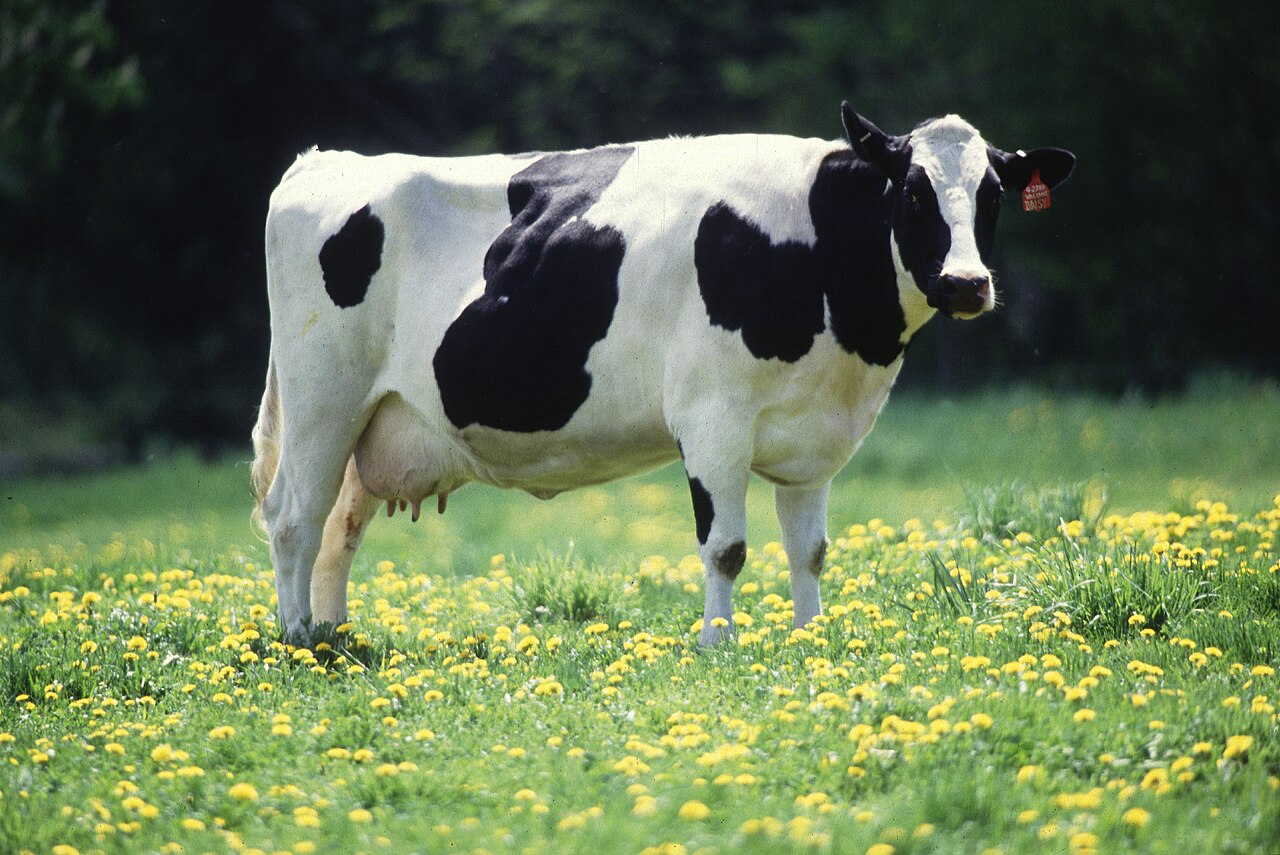
Farm leaders have rejected claims in a Wildlife Trusts report, Doing Dairy Differently, that the rise of "mega-dairies" is pushing nature to breaking point. The report counts more than 40 such farms in the UK, the largest housing about 2,600 cows, and says 71 percent of serious agricultural pollution incidents in England in the past five years were linked to dairy.
It notes that the number of farms housing cattle year-round has more than doubled in a decade, increasing slurry volumes, and that unlike intensive pig and poultry units, large dairy and beef farms are not subject to the same government monitoring. It calls for stronger regulation of the highest-risk systems, including permits for very large housed units and farms with little or no grazing.
"What matters is how well a dairy farm is managed," said NFU Dairy Board chairman Ian Harvey, citing investment in emissions, nutrient and water protection and Environment Agency data showing a 5 percent fall in environmental non-compliances against the five-year average. AHDB's Paul Flanagan said grazing, mixed and housed systems can all perform well and warned against "blanket prescriptions" that add cost.
Dairy UK's Emma Gregson called for more government support, noting that of 2,087 farmers who applied for the £108 million Slurry Infrastructure Grant, only 186, or 9 percent, received funding.
Photo: Keith Weller, USDA / Wikimedia Commons (Public domain)
Source: Farmers Weekly
Comments
(0)