
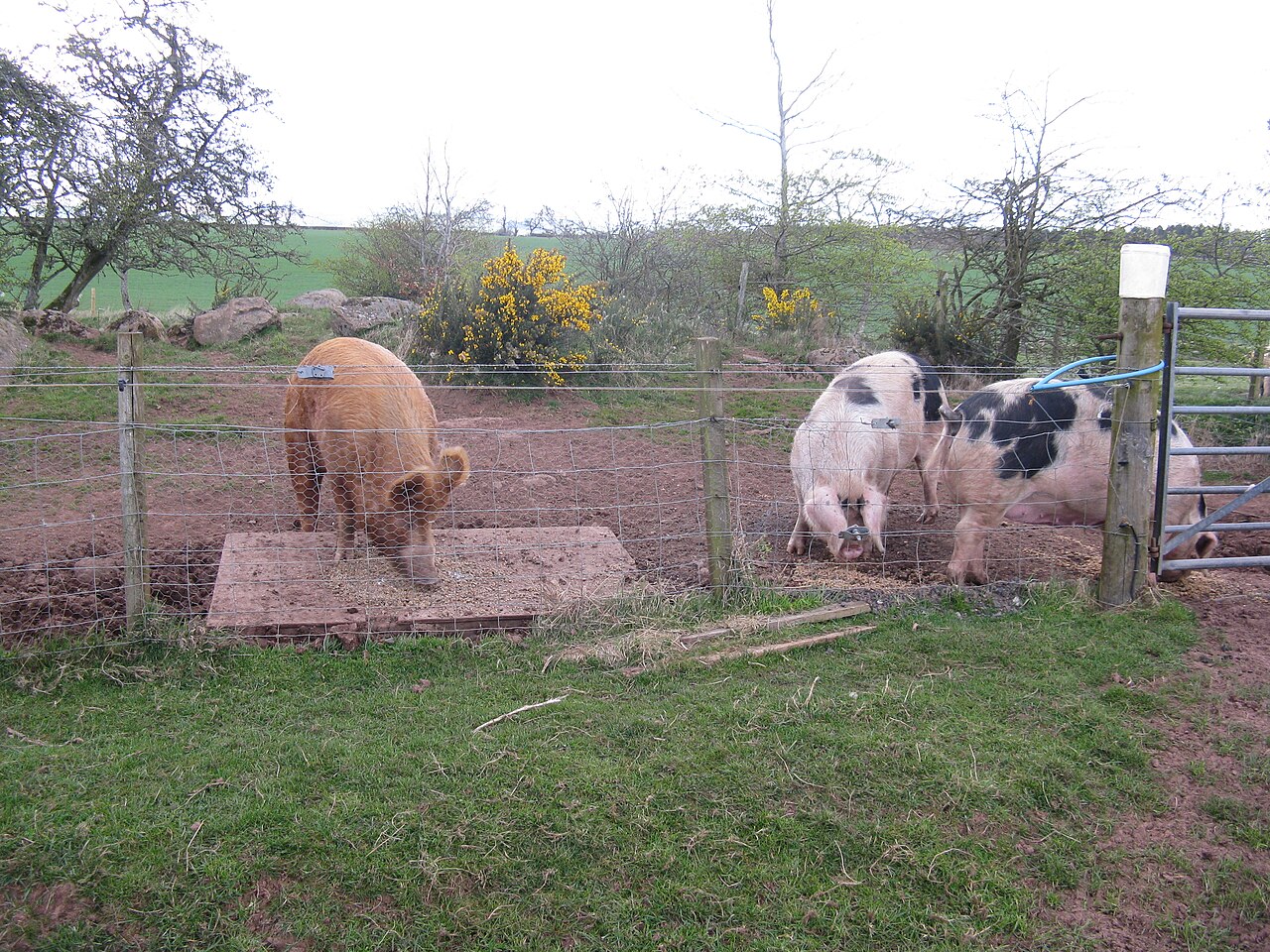
Scotland's livestock sector is at a "critical juncture", with rising costs, disease threats, falling animal numbers and squeezed margins bearing down on producers, NFU Scotland president Andrew Connon told the Scottish Association of Meat Wholesalers conference at Ingliston. The pig sector, he said, is under the severest strain, with independent producers enduring "financial and mental hell".
"The combination of declining profitability, processing capacity constraints, increased international competition and disease risks means the sector is at a critical point," Connon said. Independent sow numbers have fallen by around 20 percent, some 2,500 sows, and further cuts could take the Scottish herd down by as much as 30 percent. "Scotland's independent pig producers need to be able to survive the next six months to have any chance of realising their genuine opportunities going forward," he said, pointing to the reputation of Scottish pork for quality, provenance and welfare and to growing interest in local food.
Beef and sheep remain central to the rural economy but face long-term declines in numbers, he said, and after profitability the biggest threat is disease. "Disease resilience must be a long-term priority. Animal disease threats are considerable," Connon said, urging Scotland to "capitalise on our island status" to protect its herds and flocks.
Stronger beef and sheep prices have restored some confidence, but Connon warned that high finished-animal prices do not automatically mean profit while feed, fertiliser, energy, machinery and labour costs squeeze margins. "We need profitability, stability and ultimately the confidence to invest," he said, calling for longer-term supply agreements, fairer pricing and more transparency between farmers and the rest of the chain, and for farmers, processors, retailers and government to work together. Imported meat, he added, "cannot be undermined by products that are being produced to standards lower than our own". Reporting by Glen Barclay.
Photo: M J Richardson / Wikimedia Commons (CC BY-SA 2.0)
Source: The Scottish Farmer

Comments
(0)