
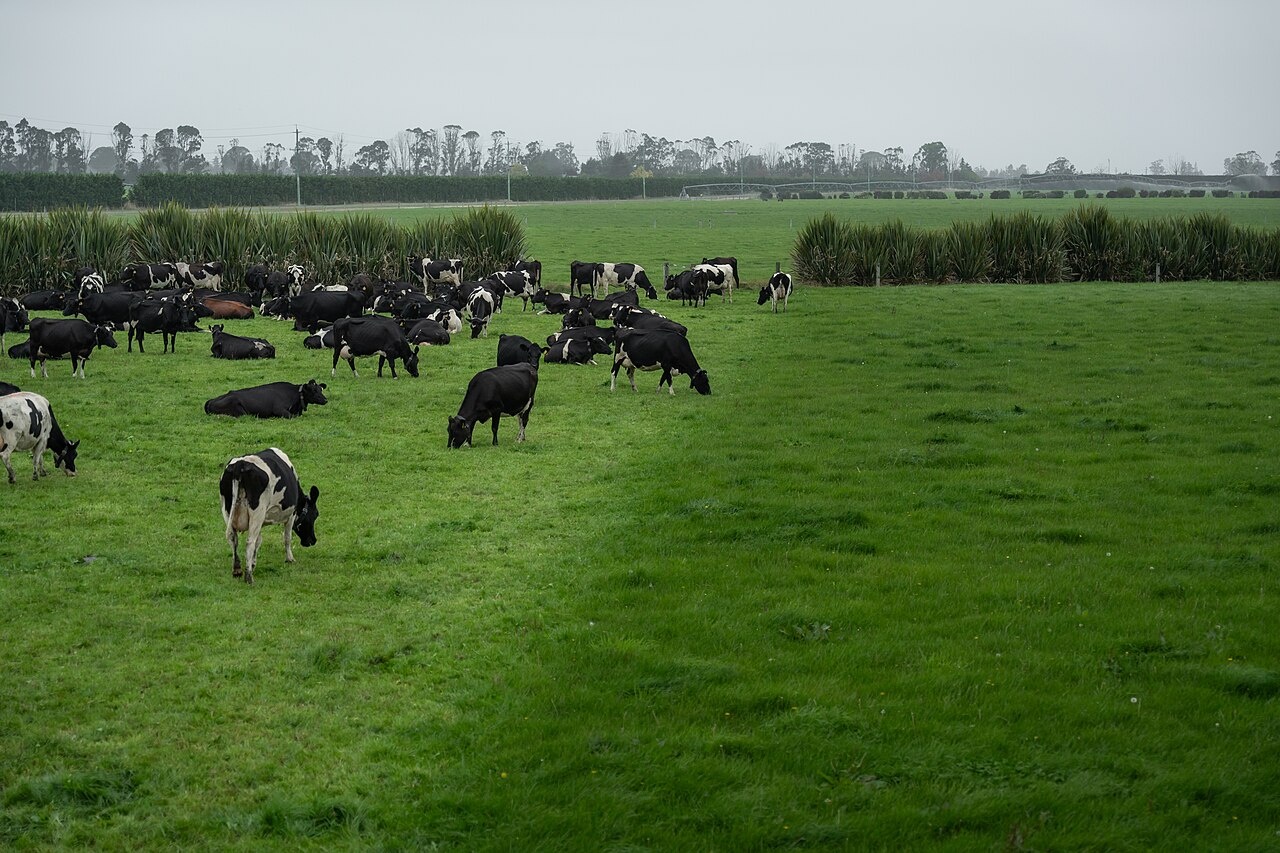
New Veterinary Council guidance that comes into force next year will make it harder for New Zealand dairy farmers to justify blanket dry cow therapy — treating every cow in the herd with antibiotics at dry-off, whatever her individual infection status. The guidance puts the weight on justifying antimicrobial dry cow therapy at the level of the individual animal, so that antibiotics are used only where there is evidence they are needed.
Selective dry cow therapy is not new, said MSD animal health veterinary technical adviser Matt Buckley; what is changing is the authority behind it and the tools that make it practical. "The thresholds and guidelines have been there for quite a while," he said. "The difference now is that vets have much stronger backing to say, 'Show me the evidence that this cow needs antibiotic dry cow therapy.'"
DairyNZ's analysis puts a narrow boundary around the blanket approach. It has found a benefit only in herds whose bulk milk somatic cell count is above 250,000 cells/ml and rises by more than 50,000 cells/ml over the final three months of the season — criteria fewer than 5% of New Zealand herds are likely to meet. For everyone else the advice is selective antibiotic treatment for the cows that qualify, with an internal teat sealant for all cows to guard against new infections through the dry period.
The point is not to withhold antibiotics from cows that need them but to stop using them where there is no evidence they are required, which also feeds the larger problem of antimicrobial resistance. "We want antibiotics to work when we genuinely need them," Buckley said. "This isn't about not treating cows that need treatment — it's about the right treatment, for the right cow, at the right time." DairyNZ says New Zealand farmers already rank among the lowest users of antibiotics internationally.
Selective treatment, though, asks farmers and vets to make a decision for every cow, using clinical mastitis records and individual-cow somatic cell counts. That information has traditionally come from herd testing, a few times a season. Increasingly it can also come from in-line monitoring of the milk as it leaves the cow.
A 2024 study published in the Journal of Dairy Science, covering 1,544 cows in four predominantly pasture-fed New Zealand herds, tested whether in-line somatic cell count readings from the SenseHub dairy system could sort cows into treatment groups at dry-off. Readings collected over the final 12 weeks of lactation identified cows with major intramammary infections about as well as conventional herd-test measures.
Having the cell count of each cow through the season, rather than at intervals, lets a farmer see a rising count early and investigate a possible mastitis problem sooner. "It's about having more information about the individual cow and being able to act on it," Buckley said. "By the time you get to dry-off, you've already built up that history rather than starting from scratch." Milk volume can help decide when a cow is ready to be dried off, and other individual-cow data helps manage the transition.
Photo: Halter / Wikimedia Commons (CC BY-SA 4.0)
Source: Farmers Weekly NZ

Comments
(0)