
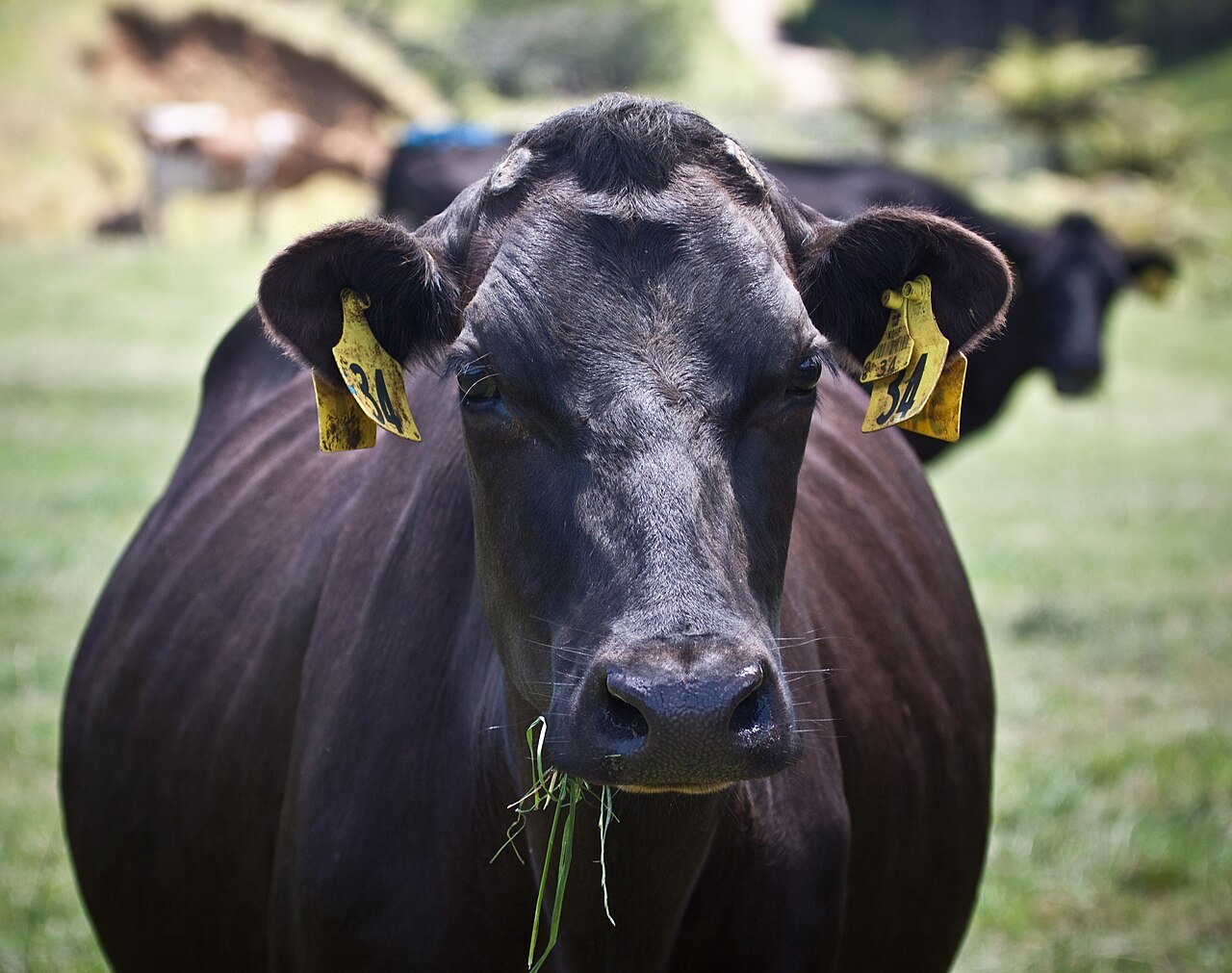
New Zealand has announced a new animal welfare code for its almost six million dairy cattle, the first major update in more than a decade, and will consider officials' recommendations to ban tethering and examine electrified backing gates used to move cows into the milking shed.
The code sets a new minimum standard that calves be fed twice a day for their first two weeks, and requires a veterinarian's approval before dairy cattle with a body condition score below three, on a 0 to 10 scale, are sent off the farm. It also looked at standards for wearable cow collars. It takes effect in April next year.
The review was led by the National Animal Welfare Advisory Committee (NAWAC), whose chair Dr Matthew Stone said shade and shelter, calf rearing, winter grazing and the use of electricity on animals drew "intense discussion". Nicola Grigg decided the code as acting minister, because Andrew Hoggard, a former Federated Farmers president, was seen to have a conflict of interest; she said New Zealand is one of the few countries to set a minimum body condition score in law, and that new regulations would go to public consultation.
Several standards consulted on in 2022 were left out, including intensive winter grazing rules, cull-cow transport standards and a requirement for farmers to have a working relationship with a vet. Code breaches are not offences unless backed by regulation.
DairyNZ's Jenny Jago called the code an important step and Federated Farmers welcomed it. Debra Ashton of the animal welfare group SAFE said it did not go far enough, since shelter and dry calving ground remain only recommendations, and it does not address young calves sent to slaughter at a few days old. Codes for sheep and beef, pigs and poultry are next.
The report is by Monique Steele of RNZ, carried by Farmers Weekly NZ.
Photo: Dave Young / Wikimedia Commons (CC BY 2.0)
Source: Farmers Weekly NZ

Comments
(0)