
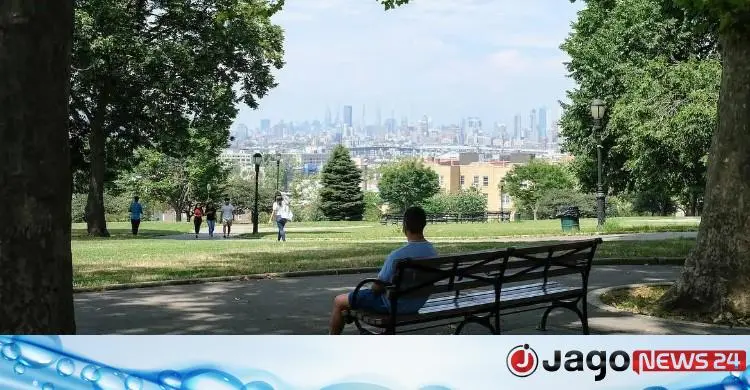
New York is one of the busiest cities in the United States. Known for skyscrapers, traffic jams and dense population, the city is now on a path of large-scale greening.
To cope with heatwaves growing because of climate change, the city authorities have set a target of tree canopy over about 30 per cent of the entire city by 2040. They say the initiative is not only about protecting the environment but part of a long-term plan to improve public health, quality of urban life and climate resilience.
A million trees ahead of schedule
In 2007 New York City launched the MillionTreesNYC programme, aiming to plant one million trees across the city's five boroughs. Trees were planted in parks, along streets, at schools, in public housing areas, around hospitals and places of worship, and on various vacant public lands.
Along with the city administration, environmental organisations, local communities and thousands of volunteers took part. The target was met ahead of schedule, with the millionth tree planted in 2015.
According to the New York authorities, trees do not merely make the city green; they are an important part of its infrastructure. The shade of large trees reduces direct sunlight on roads and pavements, so asphalt and concrete heat up less. Water vapour released through the leaves also naturally cools the surrounding area.
Priority for the hottest neighbourhoods
Heatwaves do not hit all parts of New York equally. Areas with fewer trees and more concrete are hotter, so the new plan gives priority to heat-prone areas with little tree cover. The authorities say more shade, cleaner air and more open green space will reduce the health risks of intense summer heat.
Urban experts say mature trees help hold rainwater, reducing waterlogging and the pressure of heavy rain. Trees also reduce air pollution, absorb carbon dioxide and produce oxygen.
According to the office of New York City Comptroller Mark Levine, the city's urban forest provides environmental and economic benefits worth about $120 million a year, through cleaner air, lower electricity use, stormwater management and other environmental services.
Care after planting
The city authorities say the job does not end with planting. New trees need regular care, watering, pruning and monitoring, and attention is also being given to the health and safe management of older trees.
Local residents have been involved through volunteer programmes, and a digital map records every street tree in the city and tracks maintenance work.
Urban planners say effective urban forests to meet the climate crisis of the future can be built only through long-term care rather than one-off projects.
The report was based on the Times of India.
Source: Jagonews24. First published in Bengali on The Agro News.
Comments
(0)