
On 9 June 2026, reports from India and Nepal said that Nepal had restricted imports of mangoes from India. According to ThePrint, the Indian news site that reported it that morning, Nepal's Ministry of Agriculture and Livestock Development had kept the restriction in place since April and May, after border quarantine inspectors found chemical pesticide residues above permitted limits in mango consignments from India. Jagonews24 carried the news in Bengali the same afternoon.
Two days earlier, on 7 June, The Rising Nepal, the English daily of the government-owned Gorkhapatra Corporation, had reported from Janakpurdham that, following what it called the federal government's sudden restriction on the import of mangoes and several other fruits from India, markets in the town were largely stocked with locally grown mangoes. The Nepali step came less than two weeks after Japan suspended imports of fresh Indian mangoes, news of which broke in India on 28 and 29 May.
Nepal is not one of the large buyers of Indian mangoes. ThePrint noted that India's five biggest mango export markets are the United States, the United Arab Emirates, the United Kingdom, the Netherlands and Saudi Arabia. ThePrint and Jagonews24 wrote, however, that a pesticide complaint arriving so soon after Japan's decision again raised questions about how India's fruit is produced and checked.
What a Madhesh provincial official said
Manish Kumar Pal, spokesperson for the Ministry of Land Management, Agriculture and Cooperatives of Madhesh Province, told The Rising Nepal that the promotion of local produce was a positive development. He said that in previous years mangoes contaminated with pesticide had occasionally entered the markets, and that the restriction had now created greater opportunities for people to eat locally produced and healthier fruit.
"The federal government's decision will provide additional encouragement to local production, while citizens will have access to healthier and safer produce," Pal said. He added that the government had continued to prioritise agriculture through various programmes and subsidies and aimed to strengthen the sector further in the coming years.
Pal spoke for a provincial ministry, while the decision itself was described as the federal government's. Under Nepal's federal system, the national plant quarantine service sits under the federal Ministry of Agriculture and Livestock Development, and each of the seven provinces has its own agriculture ministry, as a country report presented by Nepal's plant protection organisation to the International Plant Protection Convention (IPPC) set out in 2018.
Traders in Janakpurdham worried about supply
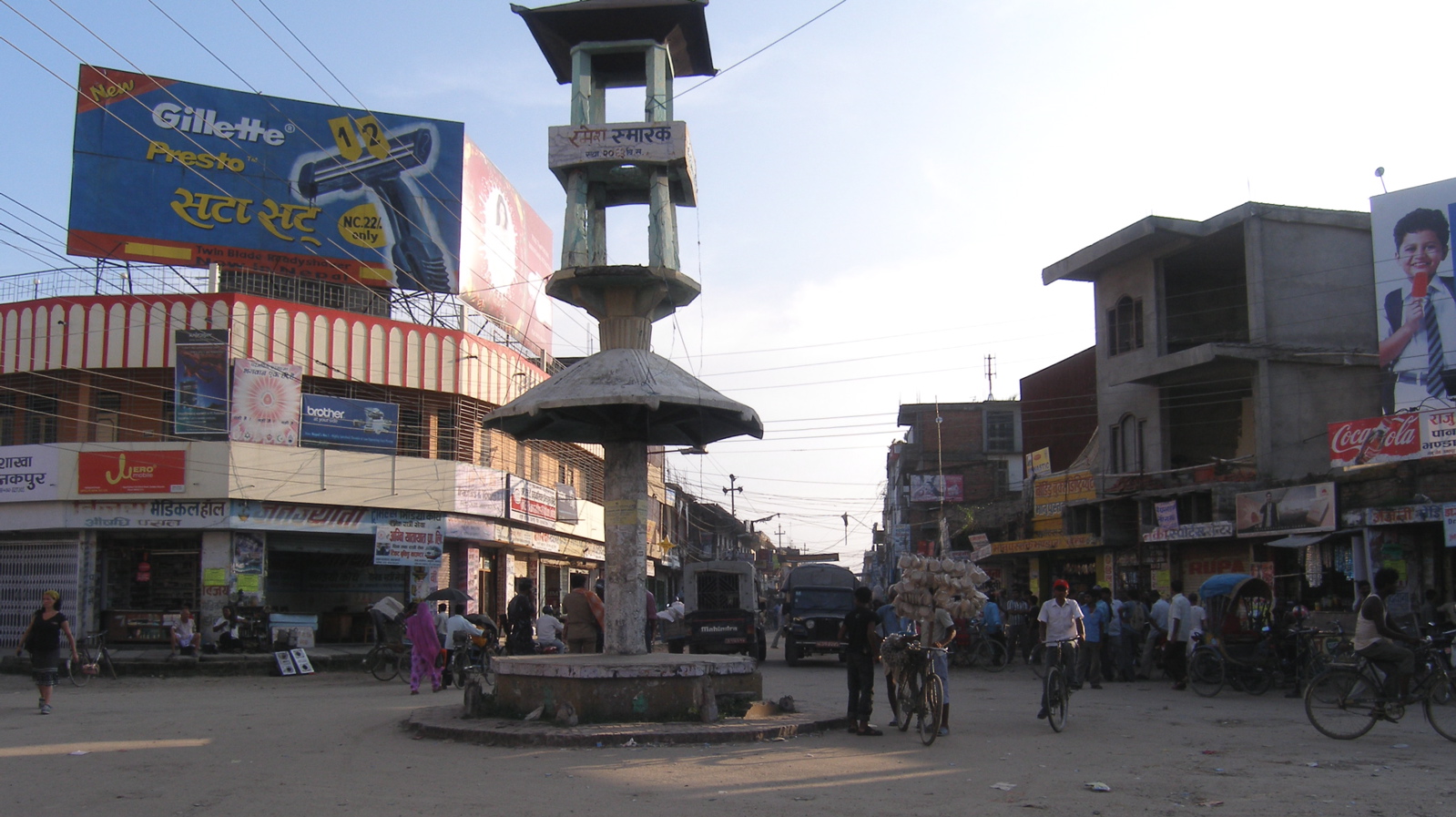
Traders in Janakpurdham told The Rising Nepal that promoting domestic produce was a good thing, but that the abrupt restriction, introduced without adequate preparation or a long-term strategy, had created difficulties for their businesses. Nepali mangoes are considered tasty and of good quality, the paper wrote, but their season lasts only around two months, which makes imports from India important for meeting demand through the rest of the year.
Bhuvaneshwar Purbe, general secretary of the Fruit and Vegetable Traders' Association in Janakpurdham, said demand for mangoes was exceptionally high in summer and that a halt in Indian imports could create shortages. He said that although more than 50 tonnes of mangoes arrived in Janakpurdham every day from districts such as Saptari, Siraha, Mahottari, Dhanusha and Sarlahi, local production alone might not be enough to meet overall demand. Instead of a complete import ban, he suggested, the government should strengthen quarantine systems and allow Indian fruit in after proper quality testing.
"Our businesses operate throughout the year," Purbe said. "If trade is limited only to the Nepali fruit season and remains inactive during the rest of the year, it could seriously affect us." He added that Indian bananas had traditionally been cheaper, but that the supply disruption had pushed prices up; because Nepal's own banana production falls short in winter, traders often depend on imports from India.
Consumers in the town told the paper that bananas had reached as much as Rs 300 a dozen about a month earlier and were still selling at around Rs 200 a dozen, a price many ordinary households considered expensive. Fruit sellers warned that if the restriction lasted a long time, consumers could pay significantly higher prices and traders could face heavy losses, and that shortages of mangoes, bananas and other fruit could spread from Janakpurdham to several districts of Madhesh Province. Some traders were looking for other sources of supply but said it would be hard to secure enough fruit at once.
Nepal's fruit imports in figures
Figures from Nepal's Department of Customs, reported by the trade publication FreshPlaza on 8 June 2026, showed how much fruit the country buys from abroad. In the first ten months of fiscal year 2025/26, Nepal imported fruit worth Rs 21 billion, 20.3 per cent more in value than the Rs 17.42 billion of the same period of 2024/25. Fruit imports for the whole of 2024/25 came to Rs 21.17 billion, against Rs 19.57 billion in 2023/24 and Rs 16.16 billion in 2022/23.
Mangoes were a modest part of that bill: 7,121 tonnes worth Rs 506 million in the ten months. Apples made up more than half of all fruit imports, at 87,647 tonnes worth Rs 11.14 billion, of which China supplied 70,932 tonnes and India 16,714 tonnes. Nepal also imported 16,725 tonnes of oranges, 16,893 tonnes of fresh grapes and 9,619 tonnes of pomegranates in the period.
The same customs data showed that mangoes were not the first Indian fruit to face a restriction that year. Banana imports had fallen after a government ban on bananas from India aimed at preventing the spread of TR-4, the Panama disease of bananas. In the first ten months of 2025/26 Nepal imported 19,441 tonnes of bananas worth Rs 765 million, against 46,588 tonnes worth Rs 1.89 billion in the same period a year earlier and 63,714 tonnes in the whole of 2023/24. With supply reduced, FreshPlaza reported, bananas had reached Rs 400 a dozen in the Kathmandu Valley a month before.
Mango growing in Nepal's Terai
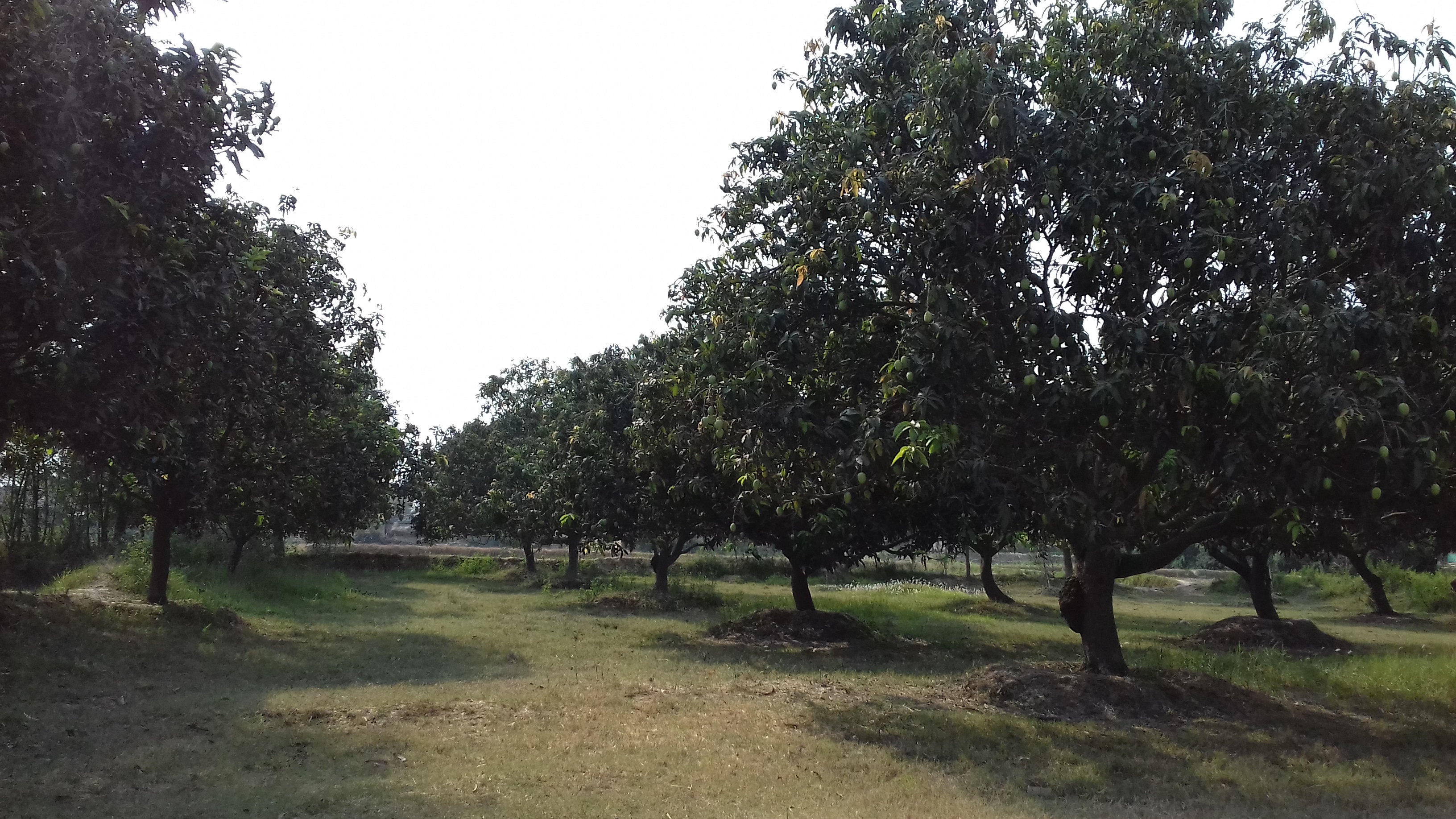
Nepal's commercial mango districts lie mostly in the Terai, the flat southern belt along the Indian border, and in 2023 the biggest suppliers of Kathmandu's main wholesale market were districts of Madhesh Province. The province covers 9,661 square kilometres, about 6.5 per cent of Nepal, and had 6,114,600 people at the 2021 census, which makes it the most densely populated province. It borders the Indian state of Bihar to the south and west, stretches across eight districts from Parsa in the west to Saptari in the east, and with 574,360 hectares of arable land is the country's most agriculture-dominated province. It was founded as Province No. 2 in 2015 and took its present name in January 2022, when Janakpur was declared its capital.
Janakpur, also called Janakpurdham, lies about 225 kilometres southeast of Kathmandu and about 23 kilometres from the Bhitthamore crossing on the Indian border. It is a centre of the Maithili language and of religious tourism, and Nepal Railways runs a service from the town to Jaynagar in India.
The Himalayan Times reported in July 2023, citing Nepal's Department of Agriculture, that the country produced 466,267 tonnes of mangoes from 43,689 hectares in fiscal year 2020-21 and 498,859 tonnes from 39,579 hectares in 2021-22. Mango orchards took up around 35 per cent of the land under fruit in Nepal, and commercial mango growing was spread over 24 districts, among them Jhapa, Morang, Sunsari, Udayapur, Siraha, Saptari, Mahottari, Sarlahi, Dhanusha, Bara, Parsa, Rautahat, Kapilvastu, Rupandehi, Dang, Banke, Bardiya, Kailali and Kanchanpur.
The same report showed how the domestic and Indian crops share the market. Kathmandu's Kalimati Fruits and Vegetables Market sold 1,382 tonnes of mangoes between 14 April and 2 July 2023: half of it, 793 tonnes, came from Siraha, 119 tonnes from Saptari and 130 tonnes from Sarlahi, while 163 tonnes, or 12 per cent, came from India. Binaya Shrestha, deputy director of the Kalimati market's development committee, said Nepali mangoes dominate during their own season, which peaks in the Nepali months of Jestha and Asar, while Indian mangoes fill the market at the beginning and end of the season and in the off season. The Maldaha variety made up 90 per cent of the mango market, he said. The paper concluded that domestic production could not meet the growing demand for fruit, which led to imports, mostly from India.
Japan's suspension and the Rehmanpur facility
The Japanese decision that preceded Nepal's was reported in detail by The Business Standard of Dhaka on 29 May 2026, drawing on Firstpost and other agencies. Japan had suspended all imports of fresh mangoes from India after an official inspection team found structural deficiencies at a vapour heat treatment (VHT) plant in Rehmanpur, Uttar Pradesh. The inspectors found flaws in fumigation and related sanitary procedures during their visit in March.
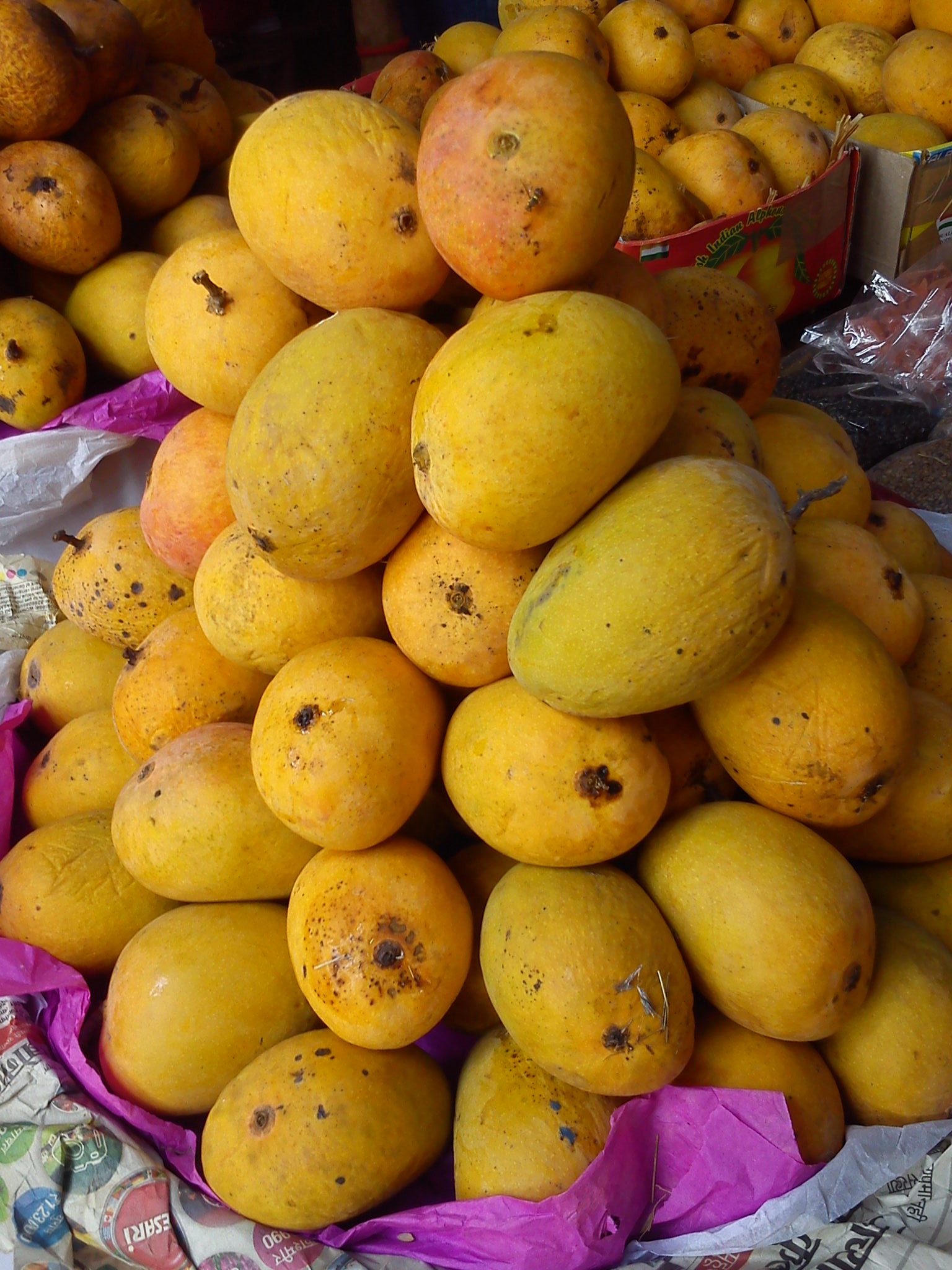
The Yokohama Plant Protection Association then issued a directive that mango shipments carrying Indian phytosanitary certificates issued on or after 25 March would be rejected at Japanese ports until the authorities in Tokyo were satisfied that standards had improved. Market insiders said the restriction was unlikely to be resolved during the current season, which kept premium varieties such as Alphonso, Kesar, Langra and Banganapalli out of the Japanese market. FoodBusiness MEA, reporting on 6 June, added Chausa to the list of affected varieties.
Japan is a small but valuable market for Indian mangoes. The Business Standard put Japan's imports of Indian mangoes at US$1.54 million in 2025, and FoodBusiness MEA reported that fresh and processed mango exports to Japan were worth about US$1.54 million, with Gujarat's Kesar the largest share of shipments; it described Japan as a high-value market that pays premium prices, although it is a minor part of India's total mango trade.
The suspension also had a history behind it. Japan first banned Indian mangoes in 1986 because of fruit fly infestation, and the ban lasted two decades until a bilateral agreement in June 2006, reached after India made VHT compulsory for mangoes bound for Japan and upgraded its quarantine infrastructure. The Business Standard noted that exporters were already dealing with a 20 to 30 per cent fall in export volumes because of the conflict in West Asia, which had made refrigerated containers scarce, raised container charges by US$1,000 in March alone and added a US$4,000 war surcharge, while a heatwave in India had damaged the crop. The Indian government had not issued an official statement at the time; S Insram Ali, president of the Mango Grower Association of India, said the Centre had begun formal negotiations with Tokyo. Suppliers from Pakistan, Vietnam, Taiwan, Thailand and Mexico were reported to be positioning themselves to take Japan's business.
Vapour heat treatment and the fruit fly
Vapour heat treatment is a quarantine process that, in FoodBusiness MEA's words, ensures mangoes are free of fruit fly eggs and larvae before shipment. India has approved VHT facilities in five states, Andhra Pradesh, Maharashtra, Gujarat, Uttar Pradesh and West Bengal, and since the 2006 agreement mangoes for Japan have had to be treated in them. The failings found at Rehmanpur concerned this treatment chain, its fumigation and disinfection, rather than chemical residues on the fruit.
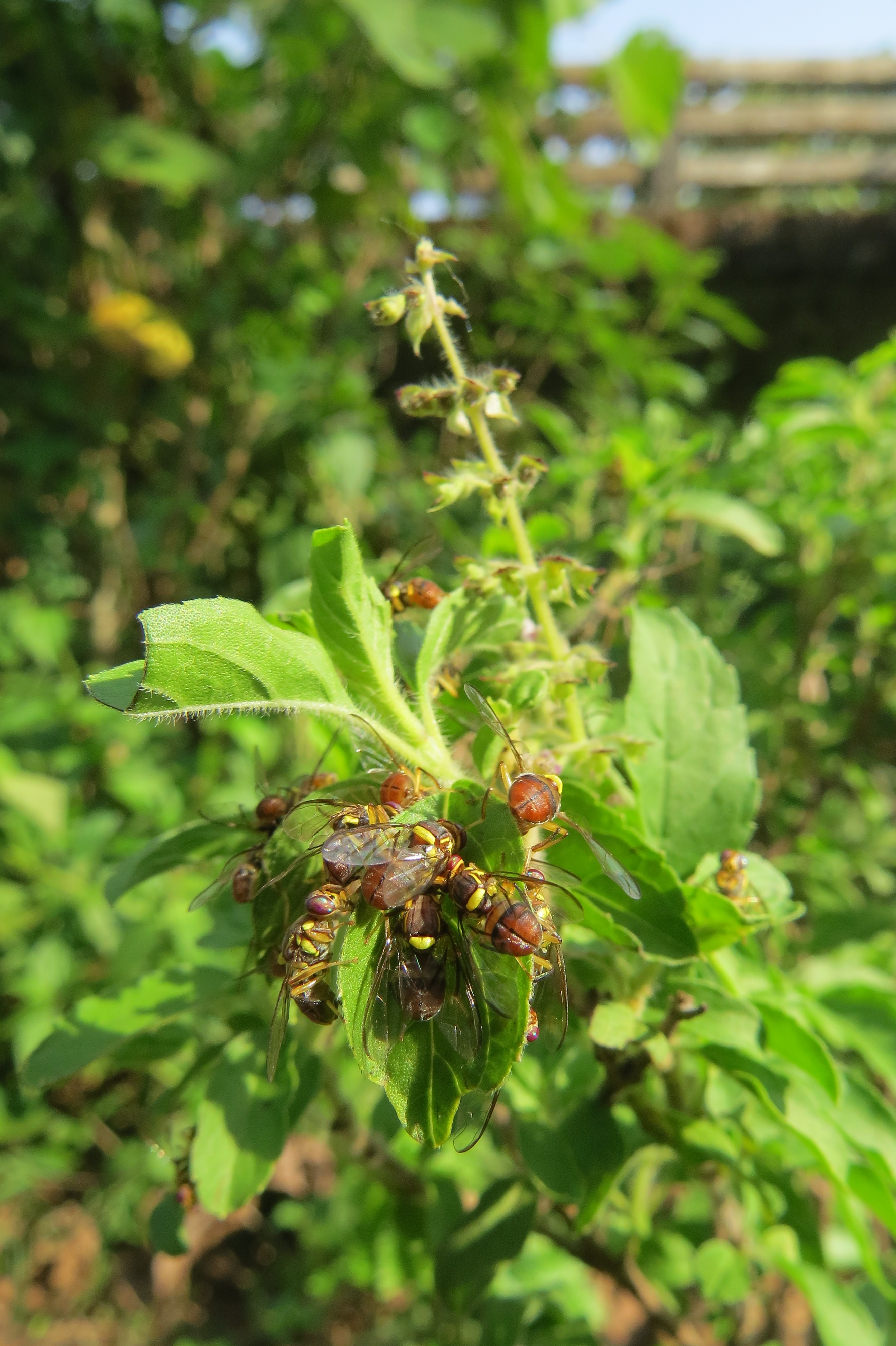
The pests the treatment targets are fruit flies, whose eggs and larvae can be carried inside the fruit. One of the most important is the oriental fruit fly, Bactrocera dorsalis, a species originally from Southeast Asia and one of the major pests in its genus, with a broad range of cultivated and wild host fruits. Its males are strongly attracted to methyl eugenol, a compound used to monitor fly numbers and to kill males as a form of control.
The two decisions therefore rested on different grounds as they were reported. Japan's concerned the pest-control treatment at a certified facility. Nepal's, according to ThePrint, concerned pesticide residues found by border inspectors, and the Madhesh official linked it to earlier cases of pesticide-contaminated mangoes in Nepali markets.
India and the mango trade
The mango is the fruit of the tropical tree Mangifera indica. It originated in the northeastern part of South Asia, in what is now Bangladesh, northeastern India and Myanmar, and has been grown in South and Southeast Asia since ancient times. There are several hundred cultivars, which differ in size, shape, sweetness and colour; the Alphonso, for instance, has soft, pulpy, juicy flesh. The mango is the national fruit of India, Pakistan and the Philippines, and the mango tree is the national tree of Bangladesh.
India dominates world output. In 2023, world production of mangoes, mangosteens and guavas, which the United Nations Food and Agriculture Organization (FAO) counts together, was 61 million tonnes, and India grew 43 per cent of it, with Indonesia and China the next producers. India's export trade is concentrated on a few markets, led by the United States, the United Arab Emirates, the United Kingdom, the Netherlands and Saudi Arabia, and on premium varieties such as Alphonso and Kesar during the April to June peak season.
For Nepal, Indian mangoes fill a gap. Its own harvest is short and concentrated in the Terai, and Indian mangoes cover the weeks before and after the Nepali crop as well as the off season, as the Kalimati market's figures for 2023 showed. That is why traders in Janakpurdham argued for testing at the border rather than a complete stop.
Border quarantine in Nepal and the 2019 testing episode
Plant health at Nepal's borders is the job of the Plant Quarantine and Pesticide Management Centre under the Department of Agriculture of the Ministry of Agriculture and Livestock Development. The centre is Nepal's National Plant Protection Organization and has a plant quarantine wing and a pesticide registration and management wing. Its 2018 country report to the IPPC listed 15 quarantine check posts, more than 200 staff working directly in plant quarantine, and basic laboratory equipment at all check posts and at regional plant protection laboratories. Its work rests on the Plant Protection Act, 2007 (2064 in the Nepali calendar), the Plant Protection Regulation, 2010 (2066), and the Pesticides Management Act, 2019.
Nepal had tried compulsory pesticide checks on Indian produce once before. In June 2019 the government published a decision in the official gazette to test imported vegetables and fruit for pesticide residues, and testing began on 18 June. On 5 July the decision was withdrawn. Kedar Bahadur Adhikari, secretary at the Ministry of Industry, Commerce and Supplies, cited pressure from traders and a lack of technical preparation, The Himalayan Times reported on 6 July 2019; the paper also reported that the border quarantine centres could test for only two types of chemical residue.
Onlinekhabar reported on 8 July 2019 that the Indian Embassy in Kathmandu had written to Nepal on 29 June, arguing that fruit and vegetables exported to Nepal were already tested in India, that compulsory re-testing amounted to a non-tariff barrier, and that Nepal should have given prior notice. Prime Minister KP Sharma Oli and members of his Cabinet denied that the embassy's pressure was behind the reversal.
The question did not go away. In an editorial in August 2020, The Kathmandu Post wrote that the border laboratories could screen only for two groups of pesticides, organophosphates and carbamates, and cited a 2019 study that found pesticide residues in 93 per cent of eggplant samples and in all the chilli and tomato samples tested. The paper argued that the government had to upgrade border laboratories and widen testing. Seven years after the 2019 episode, Purbe and other traders in Janakpurdham were again asking for stronger quarantine testing rather than an outright halt.
What a pesticide residue limit means
A maximum residue limit, or MRL, is the highest amount of a pesticide residue expected to remain on a food when the pesticide is used according to its label, at a level that is not a concern to human health. MRLs are usually set from repeated field trials in which the crop is treated under good agricultural practice and the required interval between the last spraying and harvest is observed. At the international level, the Codex Alimentarius of the FAO and the World Health Organization keeps a database of MRLs, and in the European Union a default limit of 0.01 milligrams per kilogram normally applies to substances not listed in its regulations.
The reports available on 9 June 2026 did not say which pesticides had been found in the Indian mangoes, at what levels, or at which border points, and they did not quote a statement from Nepal's federal quarantine authority.
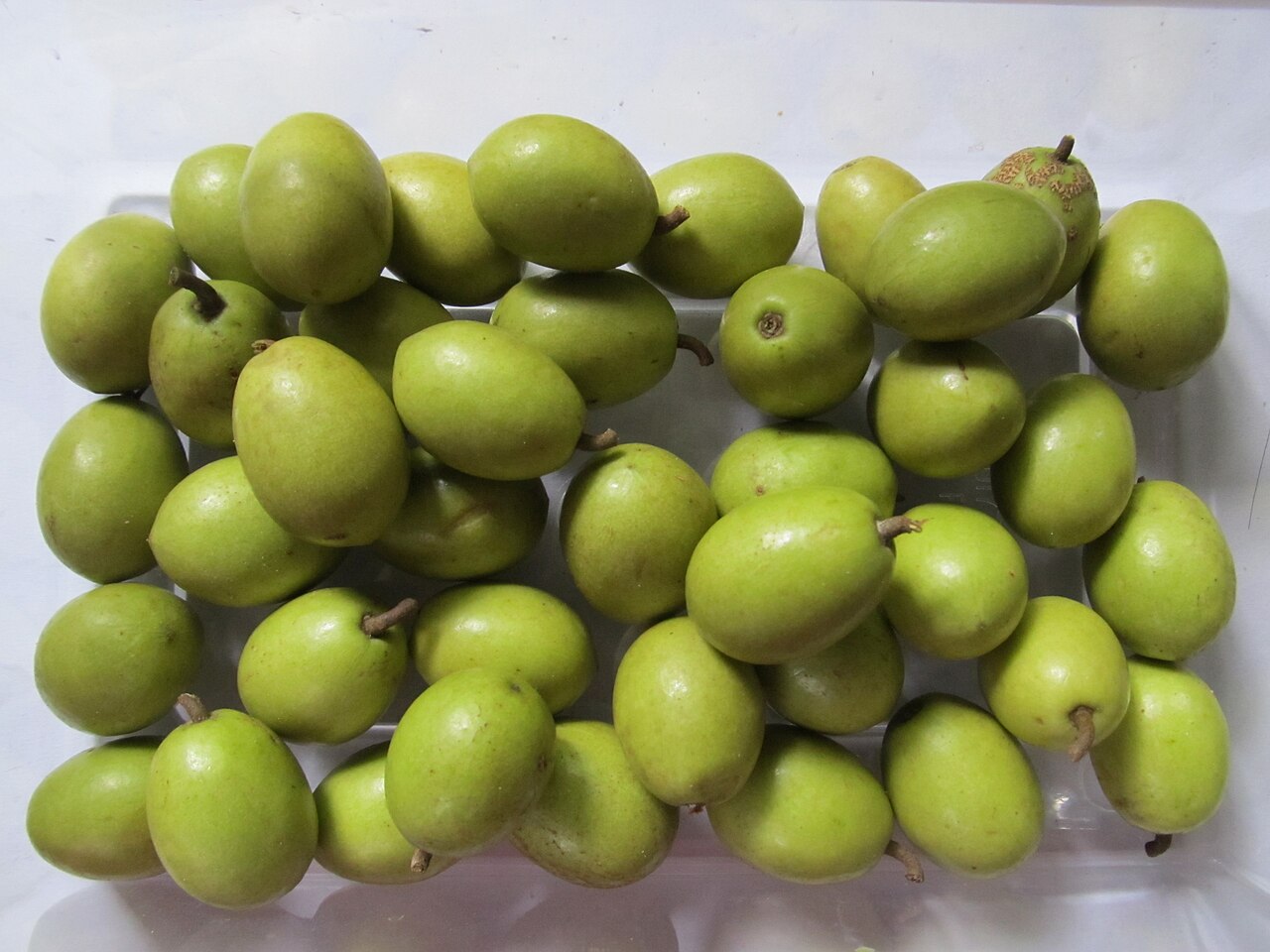
Photo: Bibek shah076 / Wikimedia Commons (CC BY-SA 4.0)
Sources: Jagonews24 (9 June 2026), ThePrint (9 June 2026), The Rising Nepal (7 June 2026), The Business Standard (29 May 2026), FoodBusiness MEA (6 June 2026), FreshPlaza (8 June 2026), The Himalayan Times (10 July 2023 and 6 July 2019), Onlinekhabar (8 July 2019), The Kathmandu Post (24 August 2020), IPPC country report of Nepal (2018), Wikipedia (Mango, Madhesh Province, Janakpur, Bactrocera dorsalis, Maximum residue limit)

Comments
(0)