
Narayanganj deputy commissioner Mohammad Zahidul Islam Mia thanked and honoured a couple who had celebrated their daughter's first birthday by planting saplings, inspired by the district administration's Green and Clean Narayanganj programme. Jagonews24 reported that the couple were received at the deputy commissioner's office on the afternoon of Thursday 3 July 2025.
Saplings for a first birthday
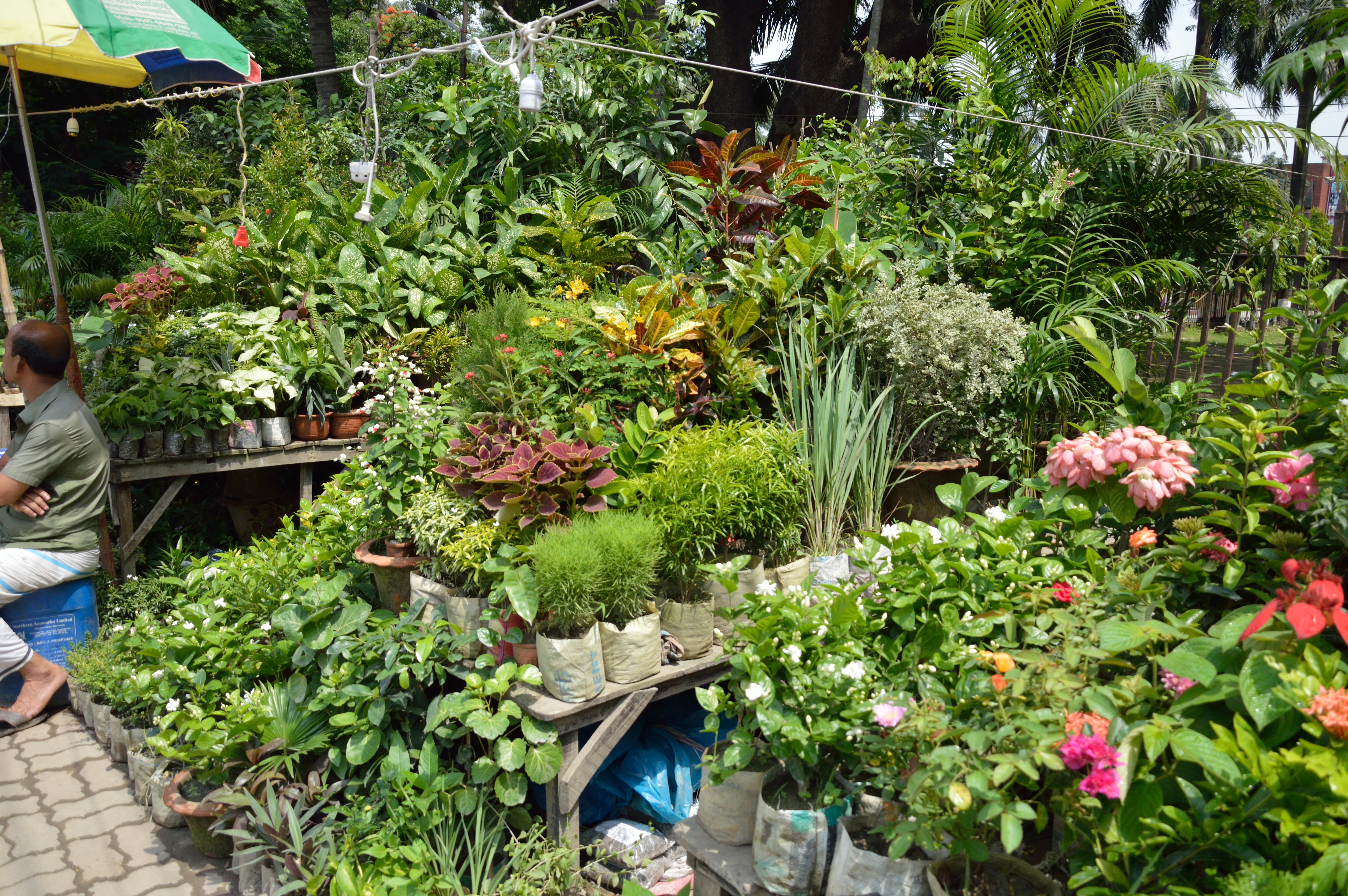
According to Jagonews24, Ariful Islam and Asmaul Husna, who live in the Zila Parishad area of Narayanganj town, marked the first birthday of their only daughter by planting saplings. When this came to the deputy commissioner's attention, he invited them to his office.
There he presented the couple with a gift box and a sapling, and a cake was cut to celebrate their daughter's birthday.
What the mother and the deputy commissioner said
Asmaul Husna said: "Inspired by the deputy commissioner's Green and Clean project, we decided to celebrate our daughter's birthday differently. Every person has a responsibility to society and the country. That is why we celebrated her birthday in a different way, by planting saplings." She thanked the deputy commissioner for honouring them and said that the sapling they were given would be a further inspiration.
The deputy commissioner said the couple had acted out of inspiration from Green and Clean and a sense of responsibility towards the environment. If everyone shared that mindset, he said, the aim of making the city green could be achieved.
The Green and Clean Narayanganj programme
The Bengali daily Desh Rupantor reported that the deputy commissioner announced Green and Clean Narayanganj on 11 March 2025, at a law and order meeting in his conference room. The same day, signboards, billboards and festoons began to be removed from both sides of the eight-kilometre road from Chashara to Signboard. He said a plan had been made to plant one lakh (100,000) trees in the city, and that nails would be pulled out of trees so they could grow normally.
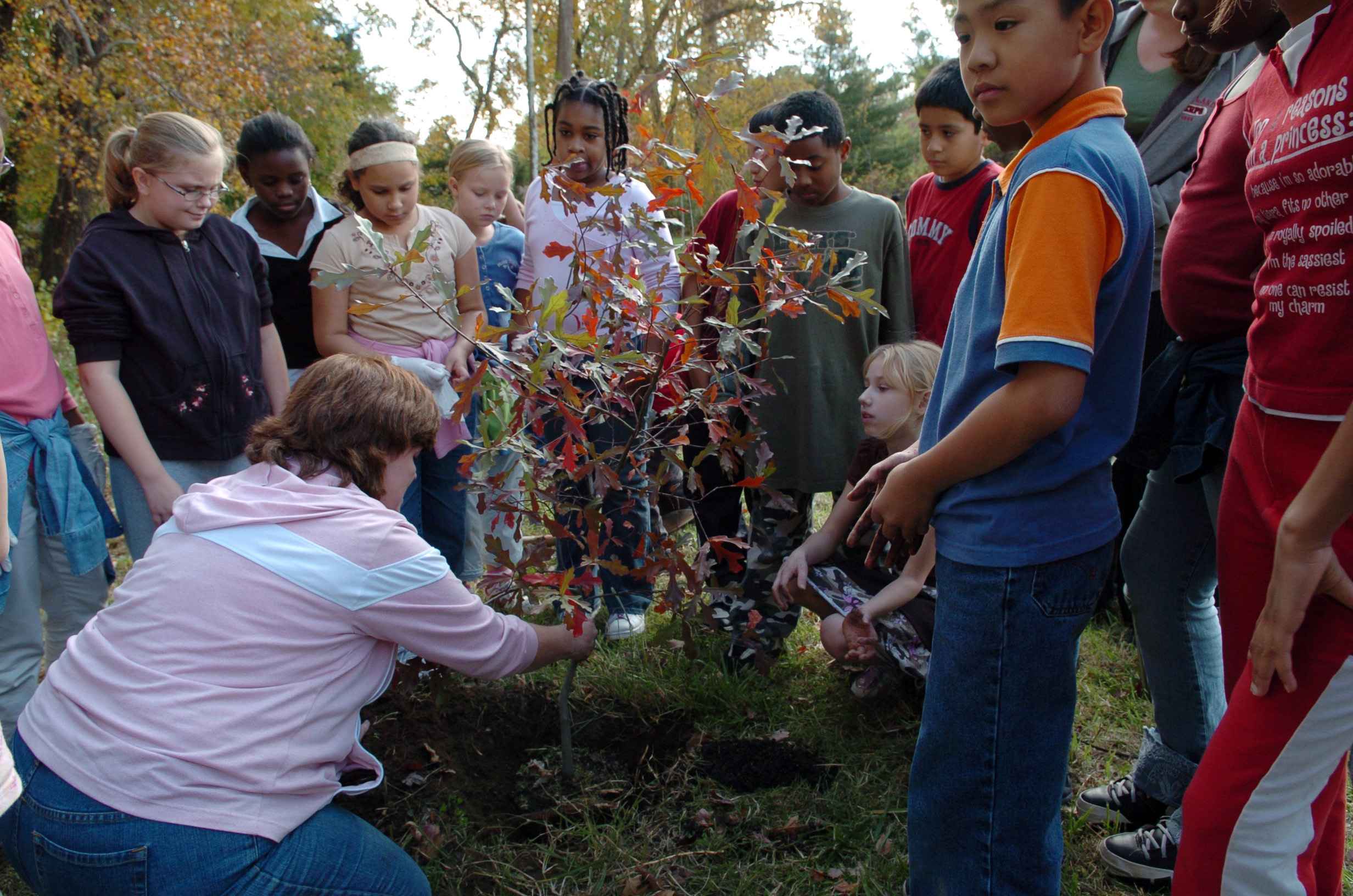
On 29 June 2025 the deputy commissioner planted the programme's 10,000th tree in Sonargaon upazila. According to Desh Rupantor, saplings of krishnachura, shimul, betel nut, coconut, palm, drumstick, arjun, neem, jackfruit, mango, bakul and sonalu had been planted along about 50 roads in every union and the municipality of Sonargaon, covering 49,287 metres. On the same day the district administration supplied 2,000 trees to the inland water transport authority, BIWTA, for planting along riverbanks and elsewhere.
Why trees matter in crowded Narayanganj
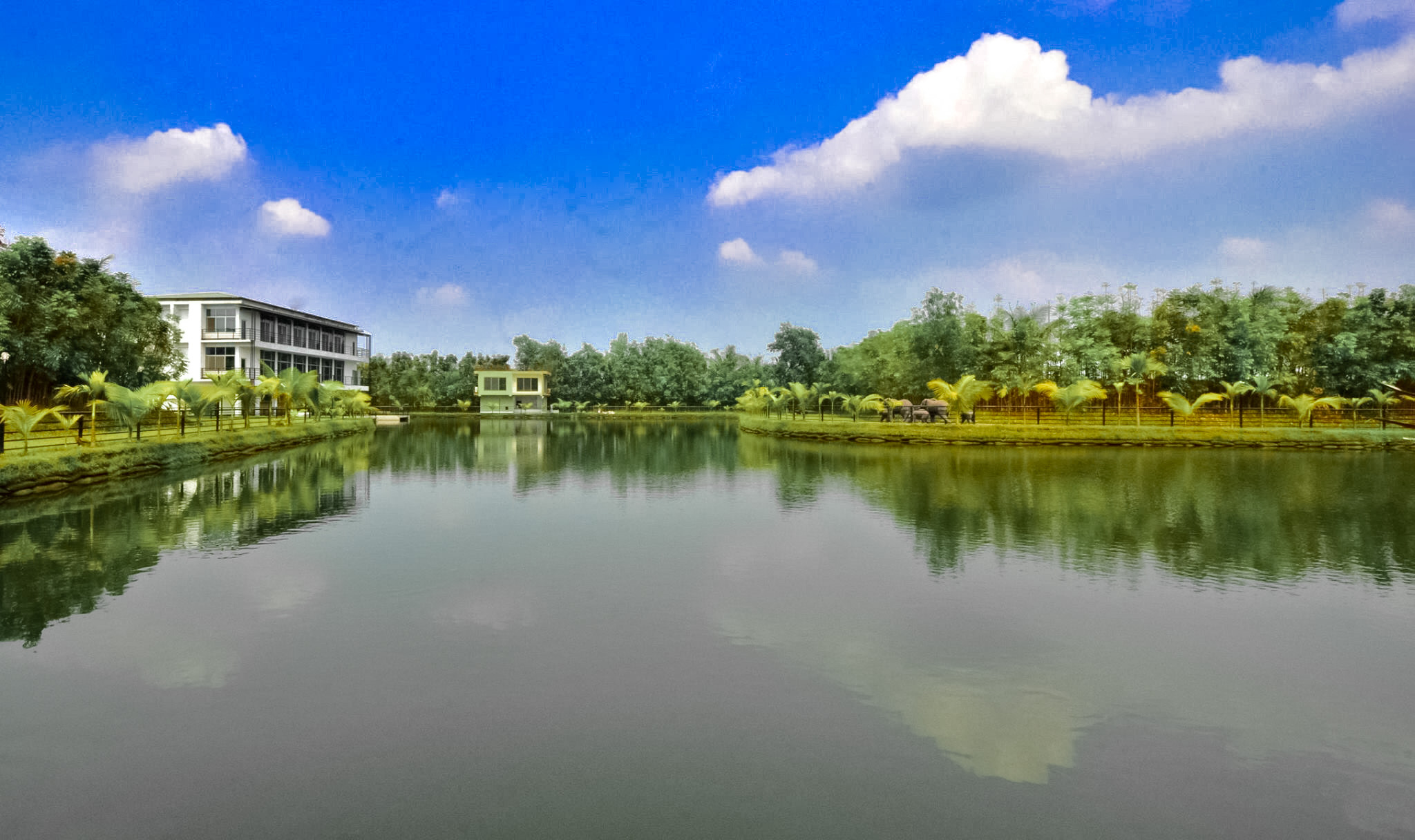
Narayanganj, in Dhaka Division, is the smallest district in Bangladesh, covering 684.35 square kilometres. The 2022 census counted 3,909,138 people there. Lying on the Shitalakshya and Meghna rivers, it was nicknamed the "Dundee of Bangladesh" for its jute mills, and textiles, yarn and dyeing, shipyards and brickfields are also part of its economy. When he launched the programme, the deputy commissioner himself described Narayanganj as an industrial and very densely populated city.
In such a city, trees give shade and take the edge off the heat. Encyclopedic references on urban forestry note that large shade trees can lower local air temperatures by 3 to 5 degrees Celsius. Trees also slow falling rain so that it soaks into the soil, and help reduce some air pollution.
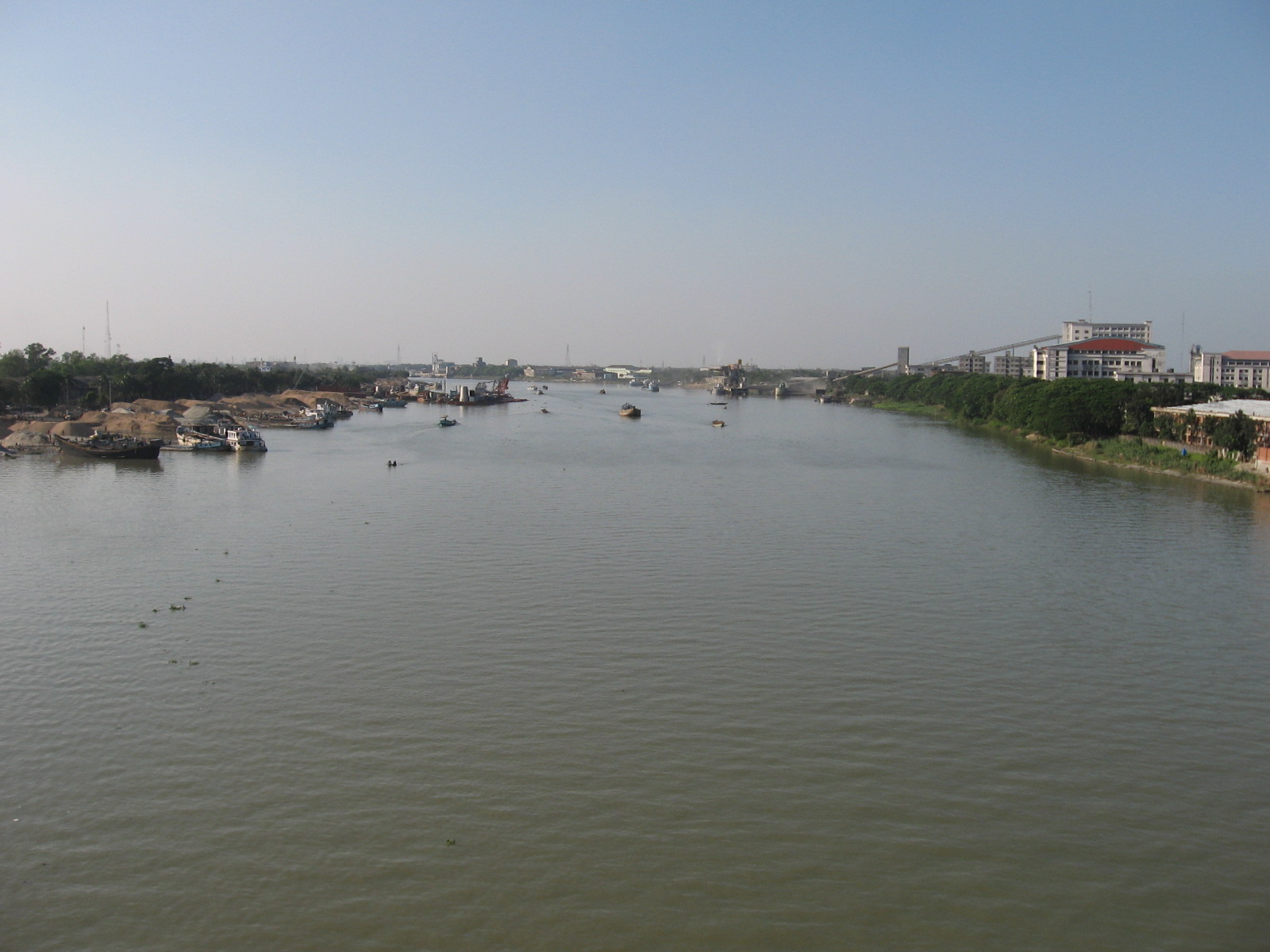
Photo: Biswarup Ganguly / Wikimedia Commons (CC BY 3.0)
Sources: Jagonews24, Desh Rupantor (11 March and 29 June 2025), Wikipedia (Narayanganj District, Urban forest)



Comments
(0)