
A mosque imam who also farmed his own land died after a venomous snake bit him in his field in Narail Sadar upazila on the afternoon of Monday 3 November 2025. Hadiar Rahman Khan, 60, was bitten while planting kalai, a pulse crop, in Chakulia village of Chandibarpur union, and was declared dead at Narail District Hospital, the Bengali news site Jagonews24 reported from Narail early the next morning.
This account sets out what the report said and adds background published before it: the World Health Organization (WHO) and its Regional Office for South-East Asia, the WHO country office in Bangladesh, a national survey of snakebite in rural Bangladesh published in 2010, Bangladesh's Directorate General of Health Services (DGHS) as reported in the national press, and the national encyclopaedia Banglapedia. The report described the snake only as venomous and did not name the species, so this account does not either.
What happened in Chakulia
According to relatives and local sources quoted by the paper's district correspondent, Hadiar Rahman Khan was the son of the late Samsher Khan of Chakulia village. Alongside farming his land, he served as imam of Chakulia Jame Mosque.
On Monday afternoon he went to his own field to plant kalai. While he was planting, a venomous snake bit him. He went home and told his family what had happened, and they took him to Narail District Hospital. There the doctor on duty in the emergency department examined him and declared him dead.
Alok Kumar Bakchi, the doctor on duty in the emergency department of Narail District Hospital, told Jagonews24 that a snakebite patient named Hadiar Rahman Khan had been brought to the hospital at around 5:50 in the evening, but that he had died before he was brought in.
The report did not give the exact time of the bite, the distance from the field to the hospital, or whether he received any care on the way. It did not say that he was taken to a traditional healer, and nothing in it suggests that he was. It recorded the bare facts of a death in a farming village, of a kind that health authorities count in thousands across Bangladesh every year and that the WHO regards as largely preventable.
Narail Sadar: a farming upazila on the Chitra
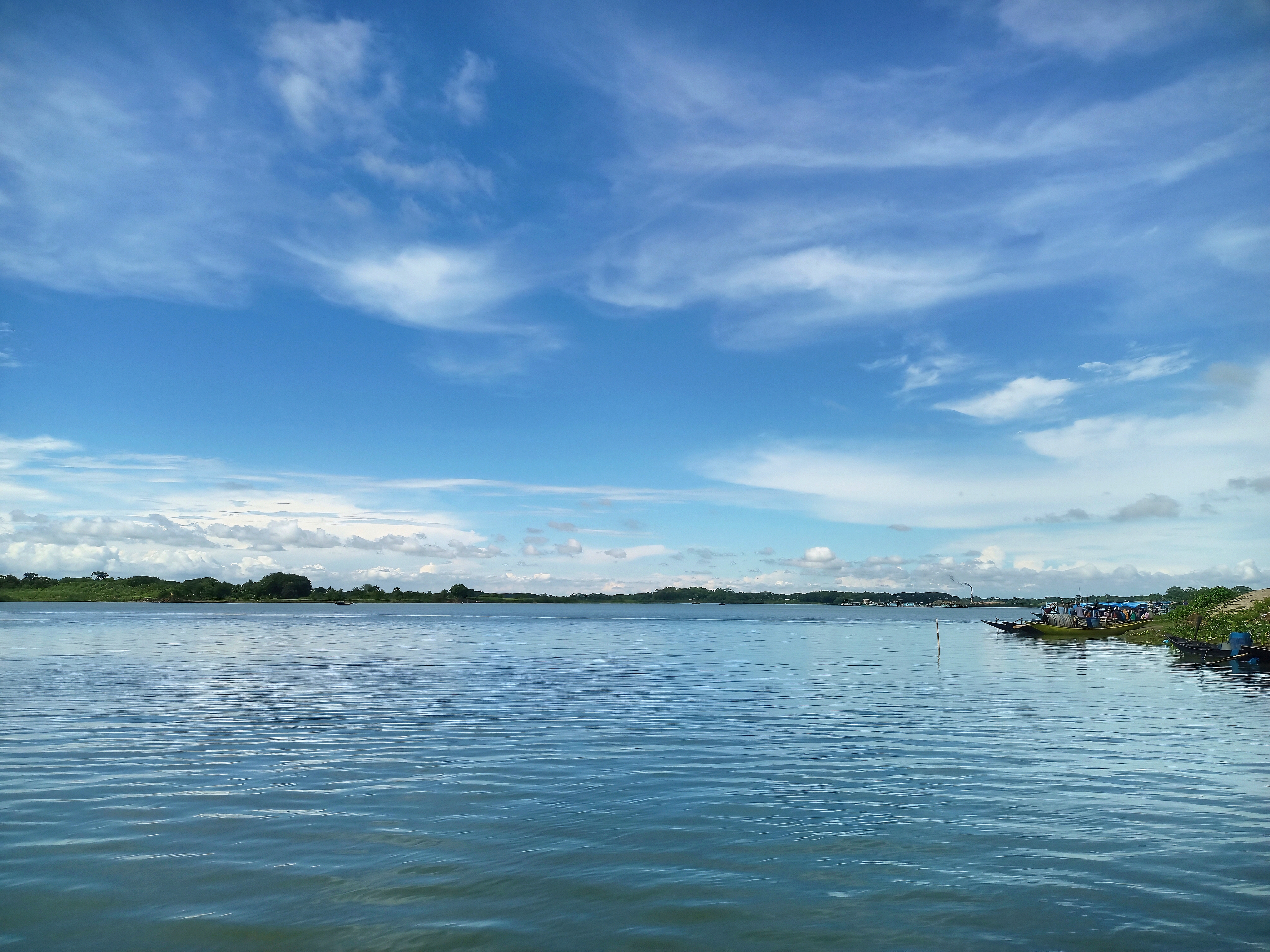
Narail is a district of Khulna division in the south-west of Bangladesh, covering 967.99 square kilometres, according to Banglapedia. It is bounded by Magura district to the north, Khulna and Bagerhat to the south, Faridpur and Gopalganj to the east and Jessore to the west. Its main rivers are the Madhumati, the Chitra, the Nabaganga and the Bhairab. Narail became a district in 1984. It has three upazilas, of which Narail Sadar is the largest, and the district town stands on the bank of the Chitra. The 2011 population census counted 721,668 people in the district, and agriculture was the main source of income for 62.08 per cent of households.
Narail Sadar upazila covers 381.75 square kilometres. It is bounded by Lohagara and Salikha upazilas to the north, Kalia and Abhaynagar to the south, Lohagara to the east, and Bagherpara and Jessore Sadar to the west. Its rivers are the Nabaganga, the Chitra and the Bhairab, and the Gobra canal is also notable. Narail thana was formed in 1861 and became an upazila in 1984. In 2011 it had 272,872 people. Chandibarpur, the union where Chakulia lies, is one of the upazila's unions in Banglapedia's list.
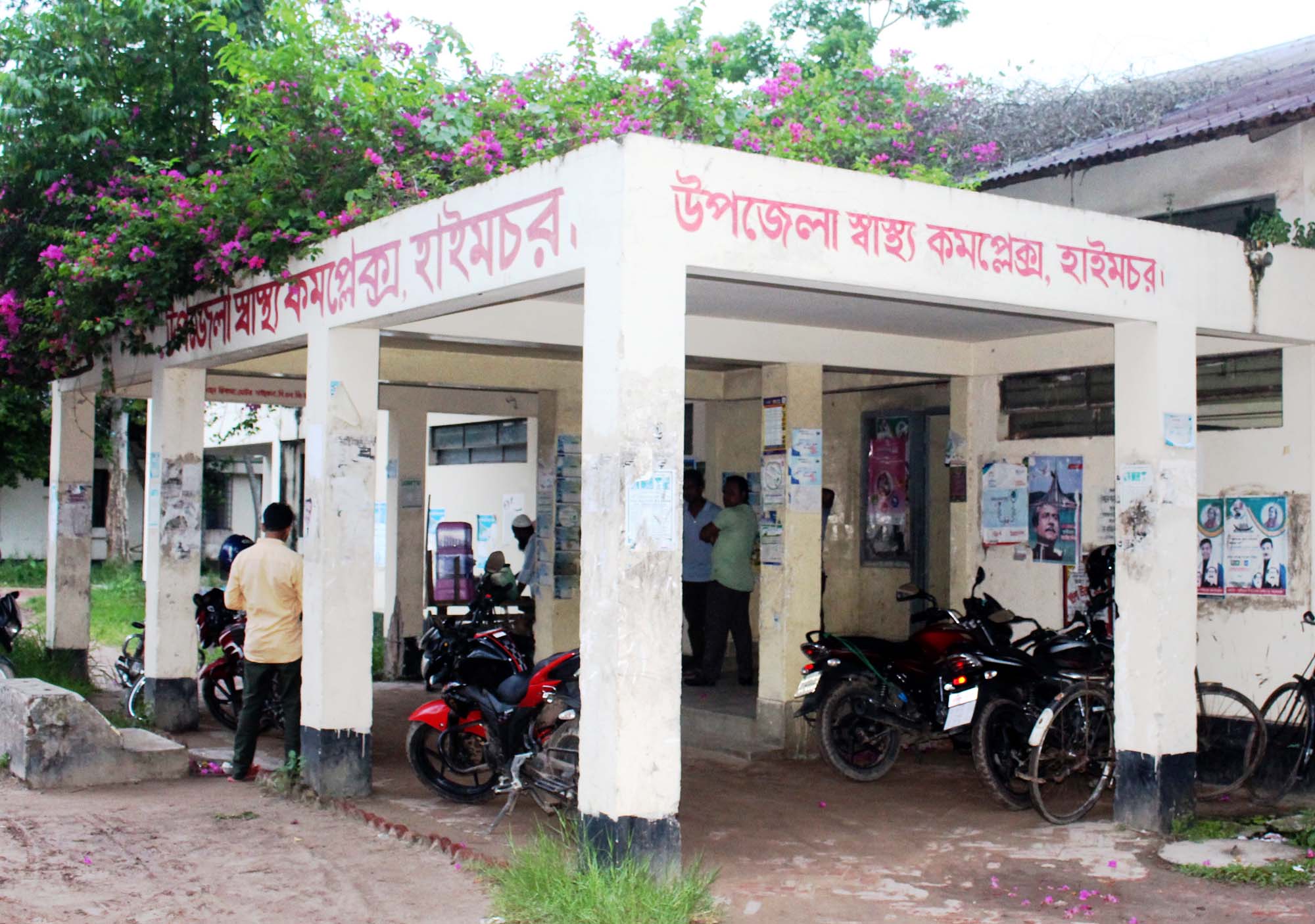
Farming dominates life in the upazila. In the census figures Banglapedia gives, agriculture was the main source of income for 64.97 per cent of households, and 71.60 per cent of households owned land. The main crops are paddy, wheat, jute, pulses, oilseeds, betel leaf and vegetables; mango, jackfruit, banana, papaya and guava are among its fruits; and betel leaf, papaya, date molasses and coconut are its main exports to other areas. Banglapedia lists 275 mosques in the upazila, and for health care one hospital, three satellite clinics and nine union health and family welfare centres.
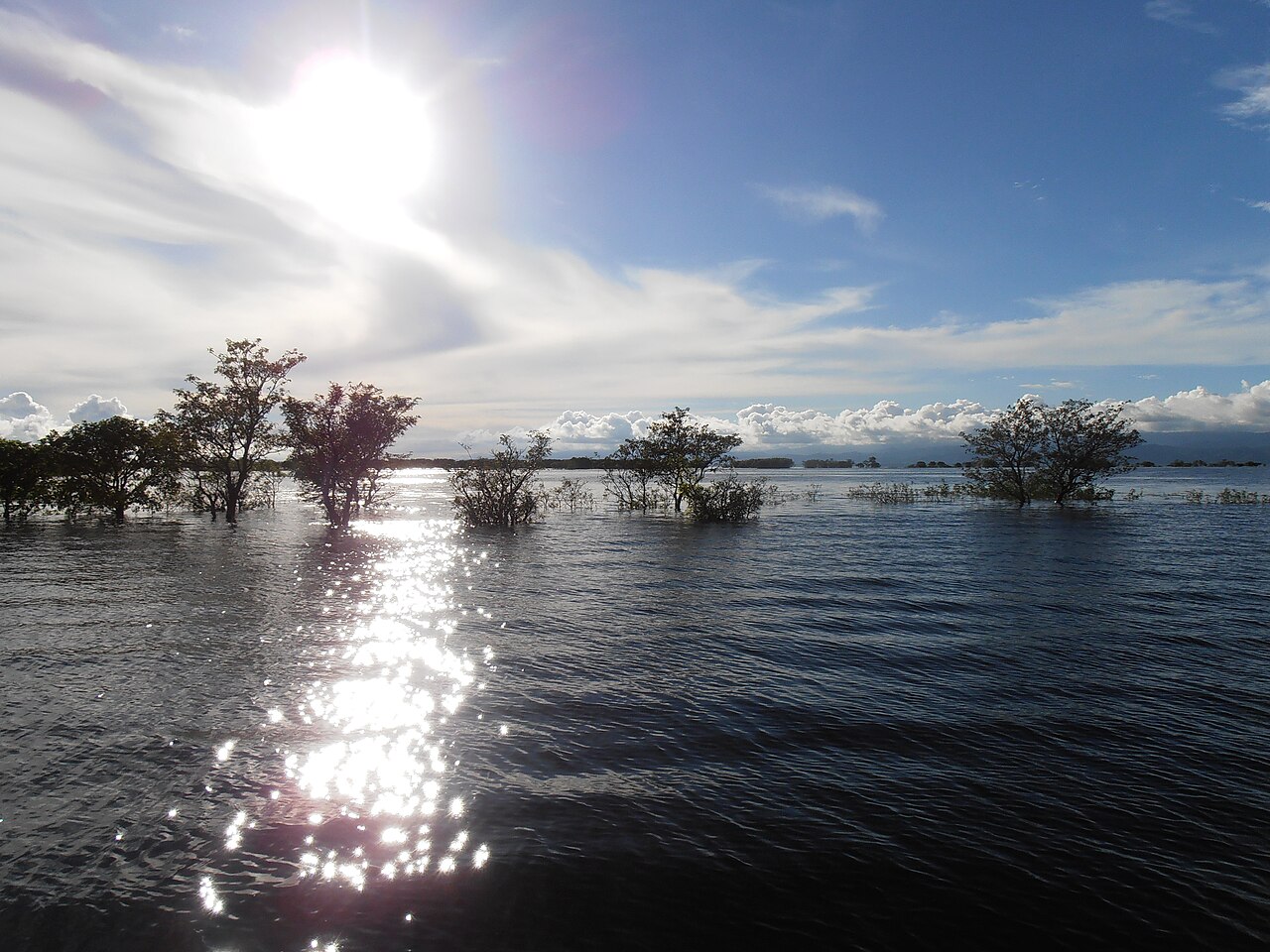
The Chitra, on which the town stands, rises in the lower part of Chuadanga and Darsana and runs about 170 kilometres south-east through Darsana, Kaliganj, Jessore, Salikha and Kalia before joining the Nabaganga at Gazirhat in Narail. From Salikha to Gazirhat the river is tidal, with a range of about one metre, and an embankment has been built along its left bank under a flood control, drainage and irrigation project.
Kalai and the pulse crops of Bangladesh
Pulses are among the crops of Narail Sadar that Banglapedia names. Pulses, or dal, are the dried edible seeds of cultivated legumes such as peas, beans and lentils. They contain 20 to 25 per cent protein, and because their lysine content compares with that of animal proteins while their price is lower, they are sometimes called the poor man's meat. The common pulses of Bangladesh are masur (lentil), mung (green gram), mashkalai (black gram), chhola (chickpea), kheshari (grass pea) and motor (pea). Pulses are grown as a rabi, or winter-season, crop mainly in the western and northern parts of the country, the encyclopaedia says. Land for pulses has shrunk as rice has taken more of it, and the country's production is less than half of what it needs.
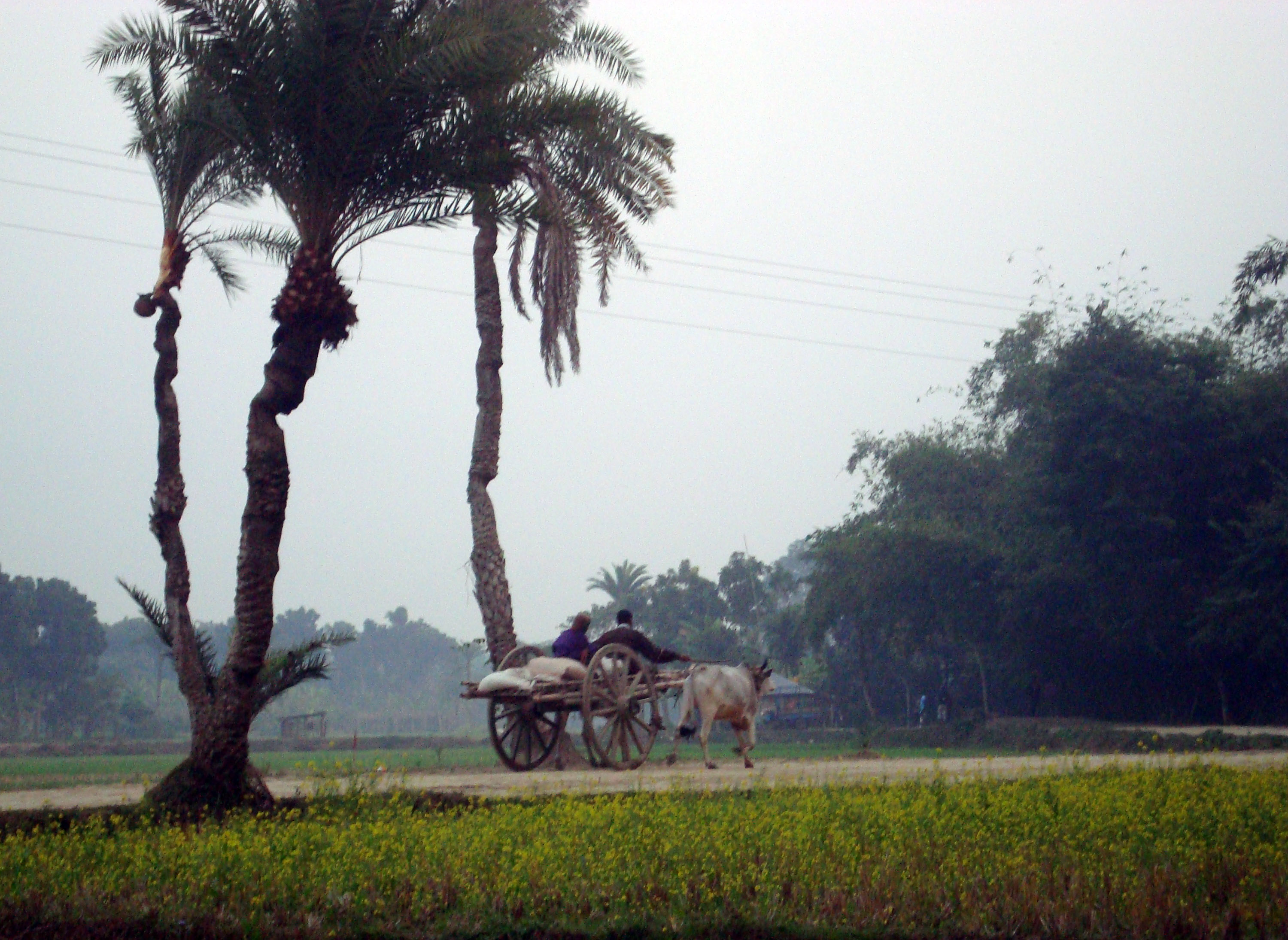
The report said only that he was planting kalai, without saying which pulse. Black gram, known as mashkalai, is one of the most prized pulses in Bangladesh. It is grown both as a summer and as a winter crop, often in rotation with rice and sometimes mixed with other crops, and it matures in 80 to 120 days. Banglapedia puts its area at about 161,000 acres, with an annual production of about 50,000 tonnes and a yield of about 714 kilograms of dried seed per hectare. Its seeds carry about 23.4 per cent protein, and the plant is also used as green manure, as a cover crop and as fodder.
Grass pea, or kheshari, is grown in Bangladesh as a cold-weather crop. It is very hardy, able to germinate on land too dry for other crops and to tolerate waterlogging and poor soil, and it needs few inputs, so it is grown in most parts of the country. Banglapedia says it holds first place among pulses in area and production, with about 602,000 acres and an annual production of about 177,000 tonnes. It is grown mostly for fodder, although the seeds are also eaten; eaten over a long period, they can cause lathyrism, a paralysis of the leg muscles.
Fieldwork and the risk of snakebite
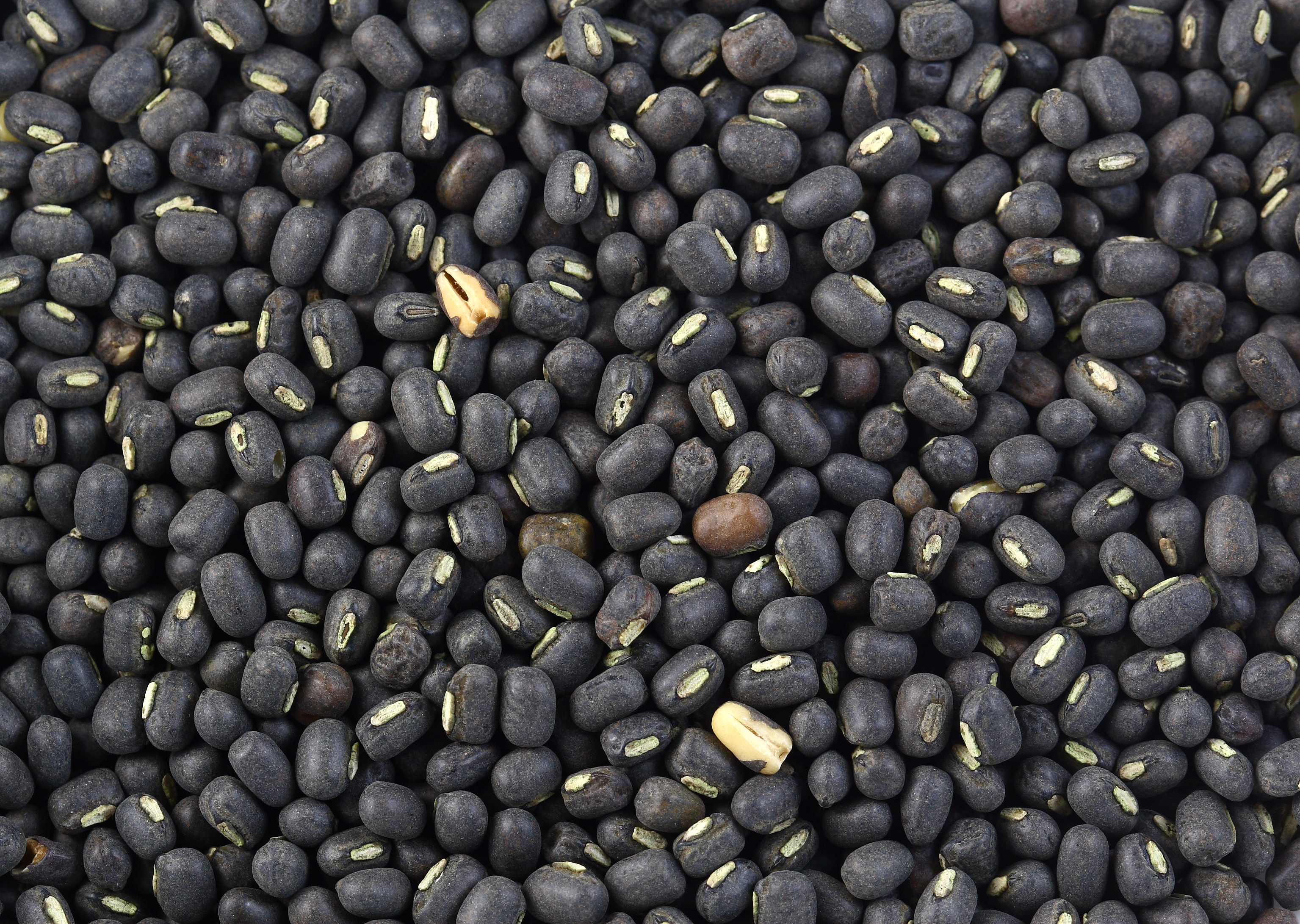
The WHO's Regional Office for South-East Asia, in the second edition of its Guidelines for the Management of Snakebites (2016), describes snakebite as an environmental, occupational and climatic hazard in the region, where most bites are inflicted on the lower legs, ankles and feet of agricultural workers and their families. Many snakebites occur during ploughing, planting and harvesting and in the rainy season, the guidelines say, and they urge particular vigilance after rains, during flooding, at harvest time, at night, and when walking to and from the fields before dawn and after dusk.
Bangladesh's own data point the same way. A national household survey of snakebite in rural Bangladesh, carried out from February to June 2009 and published in the journal PLoS Neglected Tropical Diseases in October 2010, found that bites happened mostly while people were at work, cultivating, fishing, collecting wood or tending crops and gardens. Fifty-one per cent of victims were bitten while working in an agricultural field or in water. Seventy-one per cent were bitten on the feet and legs and 27 per cent on the hands and arms, and farmers received 71 per cent of their bites in the daytime.
The survey found that most bites came during the monsoon months from June to October, with October (22 per cent of bites) and July (15 per cent) the highest, and a further rise in December, which the authors linked to more farm work at harvest. Khulna division, to which Narail belongs, had an incidence of 936.2 bites per 100,000 person-years, second only to Barisal division at 2,667.7; the national rural figure was 623.4. People over 51 had an incidence of 1,063 per 100,000, nearly double that of other groups, because few people of that age were at risk in the sample.
The WHO says agricultural workers and people who live in poorly built homes face the highest risk, and often have limited access to education, health care and even footwear. In many places where snakebite is common, it says, walking barefoot is a major cause, and as many as 80 per cent of all snakebites are on the legs or feet below the knee.
How many people snakes bite in Bangladesh
The 2010 survey, by Ridwanur Rahman, M Abul Faiz and colleagues, covered 18,857 people in 3,993 households. From its results the authors estimated that about 589,919 people were bitten by snakes and 6,041 died every year in rural Bangladesh, while cautioning that the death estimate rested on a single observed death and might not be statistically stable.
In December 2018 the WHO country office said snakebites affected about 700,000 people in Bangladesh each year and caused around 6,000 deaths, and that snakebite was the second most common cause of death during floods. It counted 82 snake species in the country, 27 of them venomous and 6 of them venomous species of human concern.
The most recent national figures came from the DGHS. Its National Centre for Disease Control published the National Survey on Annual Incidence and Epidemiology of Snakebite in Bangladesh, with data for 2021-22, on 18 June 2023. As The Business Standard reported in August 2023, the survey estimated that about 403,000 people are bitten by snakes each year and 7,511 of them die, against the health department's earlier figure, given in 2020, of 600,000 bites and 6,000 deaths. The Dhaka Tribune reported in September 2023 that, according to a DGHS report of July 2023, about 244 of every 100,000 people in Bangladesh are bitten by venomous snakes each year, with four to five deaths a day, and that 95 per cent of snakebite victims are from villages.
Most snakes in the country are harmless. Banglapedia puts the number of species at about 90, more than three quarters of them non-venomous, and says fewer than half a dozen land snakes are highly venomous. Several non-venomous species that live close to people help to control rats and mice. Counts vary by source: the Dhaka Tribune cited the DGHS as listing about 98 species, 31 of them venomous, and The Business Standard cited the Bangladesh national guideline for the management of snakebite as listing about 100 species, 37 of them venomous, 16 of those sea snakes.
Bangladesh is part of a global problem. The WHO's fact sheet on snakebite envenoming, as it stood in March 2025, estimated that 5.4 million people worldwide are bitten by snakes each year, with 1.8 to 2.7 million cases of envenoming, and that around 81,410 to 137,880 people die, while around three times as many amputations and other permanent disabilities are caused each year. In Asia up to 2 million people are envenomed each year.
What venom does, and why time matters
Bites by venomous snakes can cause paralysis that may stop a person breathing, bleeding disorders that can lead to a fatal haemorrhage, irreversible kidney failure, and tissue damage severe enough to cause permanent disability and the loss of a limb, the WHO says. Banglapedia explains that the venom of one group of venomous snakes is mainly neurotoxic, blocking the signals from nerves to muscles so that victims die of respiratory failure or cardiac arrest, while the venom of the vipers destroys tissue and red blood cells, and their victims die of massive bleeding.
Treatment works best when it comes early. The best response to antivenom is likely when it is given as soon as possible after a bite, the WHO says, because many of the effects of snake venom are irreversible. The obstacles it lists in poorer countries include a lack of transport, of the unbroken cold chain that antivenom may need in rural areas, and of health-care infrastructure.
Many victims never reach a hospital in time, or at all. The WHO notes that cases reported by clinics and hospitals are often only a small part of the real burden, because many victims never reach primary care, and that socio-economic and cultural factors lead many to choose traditional practices over hospital care. The 2010 survey in Bangladesh found that snake charmers, or ozhas, were the first contact for 86 per cent of victims and that only 3 per cent went directly to a registered doctor or a hospital. Recitation of mantras was the most common treatment, used for 60 per cent of victims; multiple cuts around the bite were made on 43 per cent, a tourniquet was tied on 39 per cent and more than one on 27 per cent, blood was sucked from the wound by mouth for 11 per cent, and 18 per cent were made to vomit. Only 31 per cent had the bitten part kept still, the one step the authors considered likely to help. They concluded that antivenom should be available free of charge in public hospitals, particularly in remote rural areas.
Antivenom in Bangladesh's hospitals
The WHO stresses that, unlike many serious health conditions, snakebite envenoming has a highly effective treatment. Good-quality antivenoms are the most effective way to prevent or reverse most of the effects of a venomous bite; they are on the WHO List of Essential Medicines and should be part of any primary health care package where snakebites occur. Most deaths and serious consequences of snakebite are entirely preventable, the WHO says, by making safe and effective antivenoms more widely available and accessible.
In 2018, working with the Ministry of Health and Family Welfare, the WHO helped Bangladesh update its Guidelines for the Management of Snakebite. The WHO country office reported that 5,000 doses of antivenom had been distributed across the country earlier that year, and that the WHO and the DGHS had trained 352 doctors from all the divisional medical college hospitals in snakebite management in October and November 2018.
The Business Standard reported in August 2023 that the antivenom used in Bangladesh is polyvalent, imported from India, and used against four types of venomous snakes, and that a DGHS line director had said 50,000 vials were distributed to government hospitals in 2020-21, where antivenom is used on patients free of charge. The same official said antivenoms expire in five years and that many had already expired unused. A doctor quoted by the paper said doctors at upazila level, often new and without experience, feared allergic reactions that would need intensive care their hospitals did not have. A patient who needs antivenom needs ten vials, the paper reported, at a cost of Tk 14,000 to 16,000 if they have to be bought from pharmacies.
The Dhaka Tribune reported in September 2023 that by early 2022, 41,470 doses of antivenom had been sent to 80 medical college hospitals, civil surgeon offices, district sadar hospitals and upazila health complexes across the country, that much of the stock was held in city hospitals and had expired unused, and that not every upazila hospital had antivenom, so rural patients often had to travel to city hospitals. A professor of medicine at Dhaka Medical College told the paper that some patients develop severe breathing problems after receiving antivenom and need intensive care, which upazila hospitals lack.
First aid as the WHO gives it
Most of the methods proposed as first aid for snakebite are either ineffective, dangerous, or delay proper medical treatment, the WHO says in its questions and answers on snakebite envenoming. The WHO's 2016 guidelines for South-East Asia say the familiar methods, both western and traditional or herbal, do more harm than good and should be firmly discouraged. What the WHO says not to do:
- do not use narrow tourniquets;
- do not cut into the wound or cut out the bitten flesh or limb;
- do not apply chemicals such as potassium permanganate, or heated glass containers to draw out the venom by suction;
- do not rely on remedies such as the black stone, which are ineffective and waste valuable time.
What the WHO says to do:
- keep the bitten person immobile and stop them moving around at all;
- place the person on a makeshift stretcher and take them to medical care without delay;
- if possible, lay them on their side to help protect their airway and breathing.
The WHO adds that pressure at the bite site, with a pressure pad, a compression bandage on the bitten limb or both, may delay the onset of the venom's effects on the whole body, but it is recommended only for bites from snakes whose venom acts mainly on the nerves, and not for those that cause serious local tissue damage. The 2016 regional guidelines sum up the recommended first aid as reassurance, a pressure pad over the bite wound, immobilisation of the bitten limb and transport to a place where the patient can receive medical care without delay. They also urge health services to talk with traditional healers, whose practices are respected in many communities, so that they refer envenomed patients to hospital in time. The decisive treatment is antivenom given by trained staff at a health facility, so the aim of every step is to get the person there as fast as possible.
Preventing bites in the field and at home
The WHO's 2016 regional guidelines set out simple precautions for people who live and work where snakes are common. Never handle, threaten or attack a snake, and never trap or corner one; give snakes every opportunity to escape. Wear proper shoes or boots and long trousers rather than going barefoot or in sandals, especially in the dark or in undergrowth; the guidelines call protective boots the most obvious means of reducing the occupational risk of snakebite. Use a torch or lamp and prod the ground ahead with a stick when walking at night, after heavy rain or on the way to the latrine. Do not put hands into holes or nests where snakes may rest.
Around the home, the guidelines advise clearing rubbish, termite mounds and building materials away from the house, keeping grass short, storing food in rodent-proof containers and keeping the granary away from the house, since rodents attract snakes, and not keeping livestock such as chickens indoors. They recommend sleeping on a raised bed, or under a well tucked-in mosquito net, as protection against snakes that enter homes at night. Community education works, they note: in the Terai region of Nepal, villages targeted with awareness sessions, leaflets and posters saw snakebite incidence fall from 502 to 315 bites per 100,000 people, while it stayed the same in villages that were not targeted.
At the global level, the WHO listed snakebite envenoming as a highest-priority neglected tropical disease in June 2017. Its road map aims to halve deaths and disability from snakebite by 2030 through four objectives: empowering and engaging communities, ensuring safe and effective treatment, strengthening health systems, and increasing partnerships, coordination and resources.
Photo: Md. Shazidul / Wikimedia Commons (CC BY-SA 4.0)
Sources: Jagonews24, World Health Organization, WHO Regional Office for South-East Asia, WHO Country Office for Bangladesh, PLoS Neglected Tropical Diseases (2010), Banglapedia, The Business Standard, Dhaka Tribune
Comments
(0)