
Livestock industry bodies from South Africa and Namibia have agreed that sheep and cattle should move across their border under separate import protocols, because the two species carry very different foot-and-mouth disease (FMD) risks. The talks followed the confirmation of an FMD outbreak in Namibia's Karas Region on 23 September 2026.
Red Meat Industry Services (RMIS) joined a series of meetings in Namibia with the Namibia Agricultural Union, the Livestock Producers' Organisation and the Livestock and Livestock Products Board of Namibia; the South African side included RMIS, the Red Meat Producers' Organisation and AgriSA. RMIS said there was broad agreement that species-specific protocols were warranted.
Sheep are the bigger trade: between 80% and 90% of Namibian sheep go to the South African market, and participants broadly supported keeping that flow open with safeguards. RMIS said imported sheep must first be safe and free of FMD risk, abattoir throughput should be managed so as not to oversupply the local market, and any agreement should be reciprocal, allowing South African genetic material into Namibia.
Cattle are more sensitive. Namibian cattle would have to be handled and vaccinated exactly as South African cattle are, which may mean moving them south of the red zone in the Karas region to be vaccinated and held in a feedlot under monitoring for at least two weeks before export. "Where cattle are concerned, there is no room for shortcuts," said RMIS chief executive Dewald Olivier.
Olivier said the two livestock sectors are closely linked and both benefit from workable rules that protect animal health, but that the final protocols are for the veterinary authorities of each country to decide. The report is by Food For Mzansi's staff.
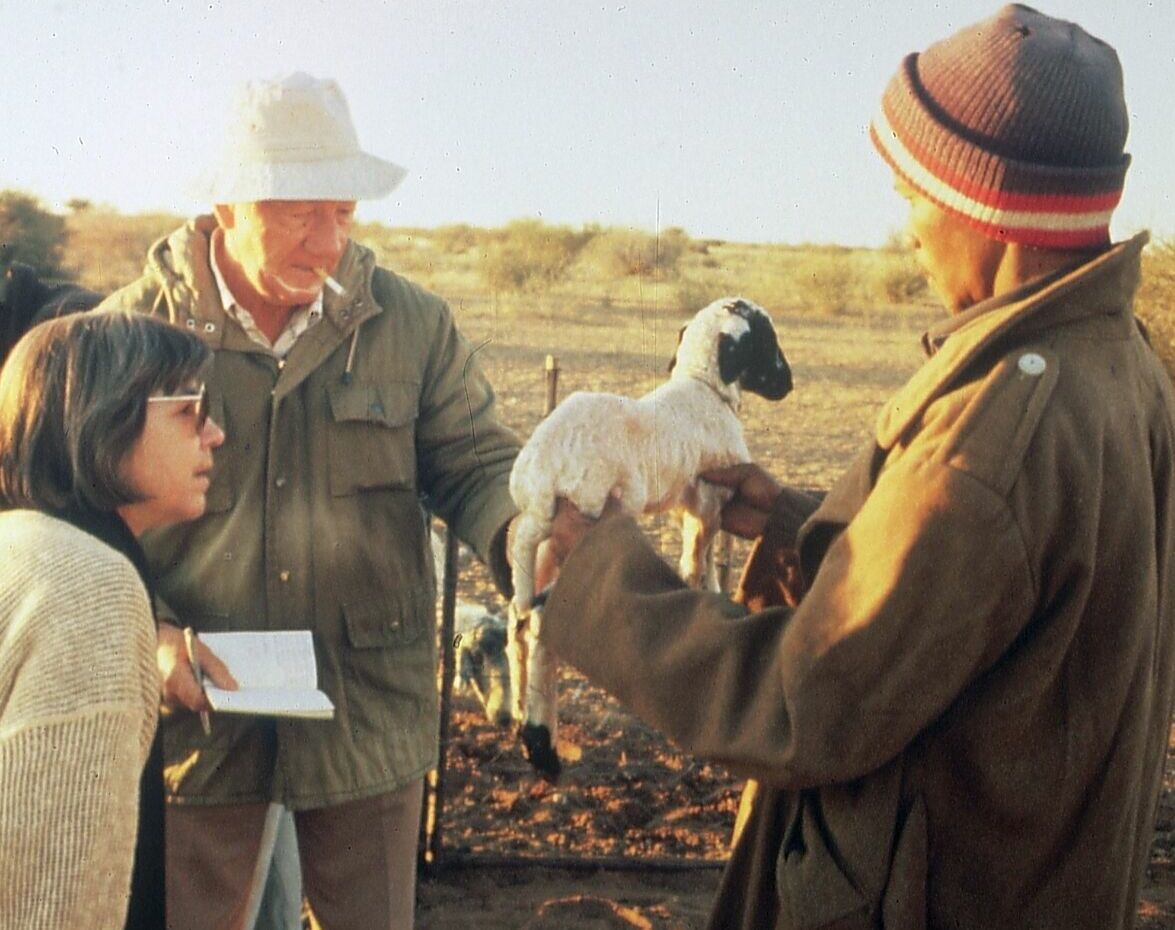
Photo: Dietrich E. Werner (Karakul lamb, Namibia) / Wikimedia Commons (CC BY 3.0)
Source: Food for Mzansi


Comments
(0)