
A three-day national fruit fair opened in Munshiganj on Thursday, 19 June 2025, with 65 kinds of native fruit on display. The Department of Agricultural Extension (DAE) organised it with the support of the district and upazila administrations, under that year's slogan "Eat more local fruit, let's plant fruit trees" (in Bengali, "দেশি ফল বেশি খাই, আসুন ফলের গাছ লাগাই"). The fair was to run until Saturday, 21 June, Jagonews24 reported on the opening day.
Opening day at the upazila parishad auditorium
Deputy Commissioner Fatema Tul Jannat formally opened the fair at 10am at the Munshiganj upazila parishad auditorium. Additional Superintendent of Police (Finance and Administration) Kazi Humayun Rashid and Upazila Nirbahi Officer Mahbubur Rahman attended as special guests. Biplob Kumar Mohonto, deputy director of the DAE, presided over the programme.
In her speech the deputy commissioner stressed the need to teach the new generation about the nutritional value of local fruit, and she urged everyone to plant trees as well as eat fruit. The organisers said the fair is held every year to promote local fruit as a nutritious food, to encourage people to grow it and to raise awareness about it. According to the upazila agriculture office, the main aim of the event was to build a healthy, well-nourished Bangladesh by raising the production and the popularity of local fruit.
The officials at the opening hold the posts that run a district and its upazilas. Banglapedia describes the deputy commissioner as the chief administrative and revenue officer of a district, working under the general guidance of the divisional commissioner, and the upazila nirbahi officer as the chief executive of an upazila. In February 2025 the state news agency BSS quoted Biplob Kumar Mohanto (the spelling BSS used) as deputy director of the DAE in Munshiganj, on the district's potato season.
Stalls of seasonal fruit, saplings and farm advice
The fair had stalls of mango, jackfruit, litchi, guava, watermelon, jamrul and other seasonal fruit. Alongside them stood a display of fruit-tree saplings and an agricultural information and advice centre, where farmers were getting direct help.
Mid-June falls in the main season of the summer fruits that filled the stalls. Banglapedia notes that jackfruit flowers from December to March and ripens from May to August. BSS reported in April 2025 that the mango harvest of that season would begin on 5 May with the Gopalbhog variety of Satkhira, and on 4 May 2025 it reported from Dinajpur, the district best known for litchi, that ripe fruit was hanging in the orchards and would reach the market within a few days.
The sapling display matched the second half of the slogan, and planting is tied to the season. Banglapedia's entry on jackfruit gives late April and May as the best planting time in Bangladesh and says June to August, the rainy season, is unsuitable for most regions. Its entry on guava says the rainy season is the best time to plant guava, although plants raised in poly bags can be planted at any time of year. In the field, the DAE works through its upazila offices and its assistant agricultural officers, who, as a DAE official told BSS in March 2025, give farmers guidance and support; growers who want to plant fruit trees can ask their upazila agriculture office.
A national fair held in Dhaka and 431 upazilas
The Munshiganj fair was one of the local editions of the National Fruit Fair 2025. A day before the opening, on 18 June, BSS reported that the central fair would be held at the Krishibid Institution Bangladesh (KIB) in Khamarbari, Dhaka, from 19 to 21 June, and that the agriculture adviser would open it on the Thursday morning. The Daily Star reported on the same day that the fair was also being held simultaneously in 431 upazilas across all 64 districts of the country.
According to the Ministry of Agriculture, as BSS reported, 26 government and 49 private organisations were to take part in Dhaka, and 75 stalls would display different fruits and fruit-growing technologies. The Dhaka fair was to stay open from 10am to 8pm each day. Visitors could learn about the technologies used to grow different fruits and buy several varieties of chemical-free fruit.
A seminar titled "Local Fruits in Health, Nutrition and Commercialization: Current Perspective, Challenges and Prospects" was planned at the KIB auditorium, with the agriculture adviser as chief guest and the agriculture secretary in the chair. Awards for the best stall were to be given at the fair on the closing afternoon, Saturday. BSS gave the year's theme in English as "Eat more local fruits, let's plant fruits bearing trees", the same message as the Bengali slogan used in Munshiganj.
How the fair and its themes have changed
The national fruit fair is an annual event of the Ministry of Agriculture and is usually held in June. In 2018 the ministry held a "National Fruit Exhibition" at the Krishibid Institution in Farmgate, Dhaka, which ran until 24 June, together with a National Fruit Tree Planting Fortnight that ran until 6 July, The Financial Express reported.
In June 2019 the three-day National Fruit Fair was held at the A K M Gias Uddin Milky Auditorium premises in Farmgate under a slogan that The Business Standard gave in English as "Planned fruit cultivation, will bring food with nutrition". Visitors could gather information on the fruits grown in Bangladesh, their varieties, production and exports, and the organisers held essay-writing and drawing competitions for children.
The fair could not be held in 2020 and 2021 because of the Covid-19 pandemic. It returned from 16 to 18 June 2022 at the KIB, open from 9am to 9pm, under the theme "Year-round fruit cultivation; there is money and nutrition in this", according to The Business Standard.
In 2024 the fair at the KIB ended on 8 June. Its theme was "Fruits, Nutrition, and Smart Agriculture for a Wealthy Bangladesh"; eight government and 55 private organisations took part, and 63 stalls displayed fruits and fruit-growing technologies, The Business Standard reported. The 2025 Dhaka fair had 75 stalls planned against the 63 of 2024, and its slogan centred on eating local fruit and planting fruit trees.
Munshiganj: a river district known for potatoes
Munshiganj is a district of Dhaka division covering 1,004.29 square kilometres, according to Banglapedia, which lists the Padma, Meghna, Dhaleshwari and Ichamati as its main rivers. It borders Dhaka and Narayanganj districts to the north, Madaripur and Shariatpur to the south, Comilla and Chandpur to the east, and Dhaka and Faridpur to the west. The Munshiganj subdivision became a district in 1984, and the 2011 population census counted 1,445,660 people there.
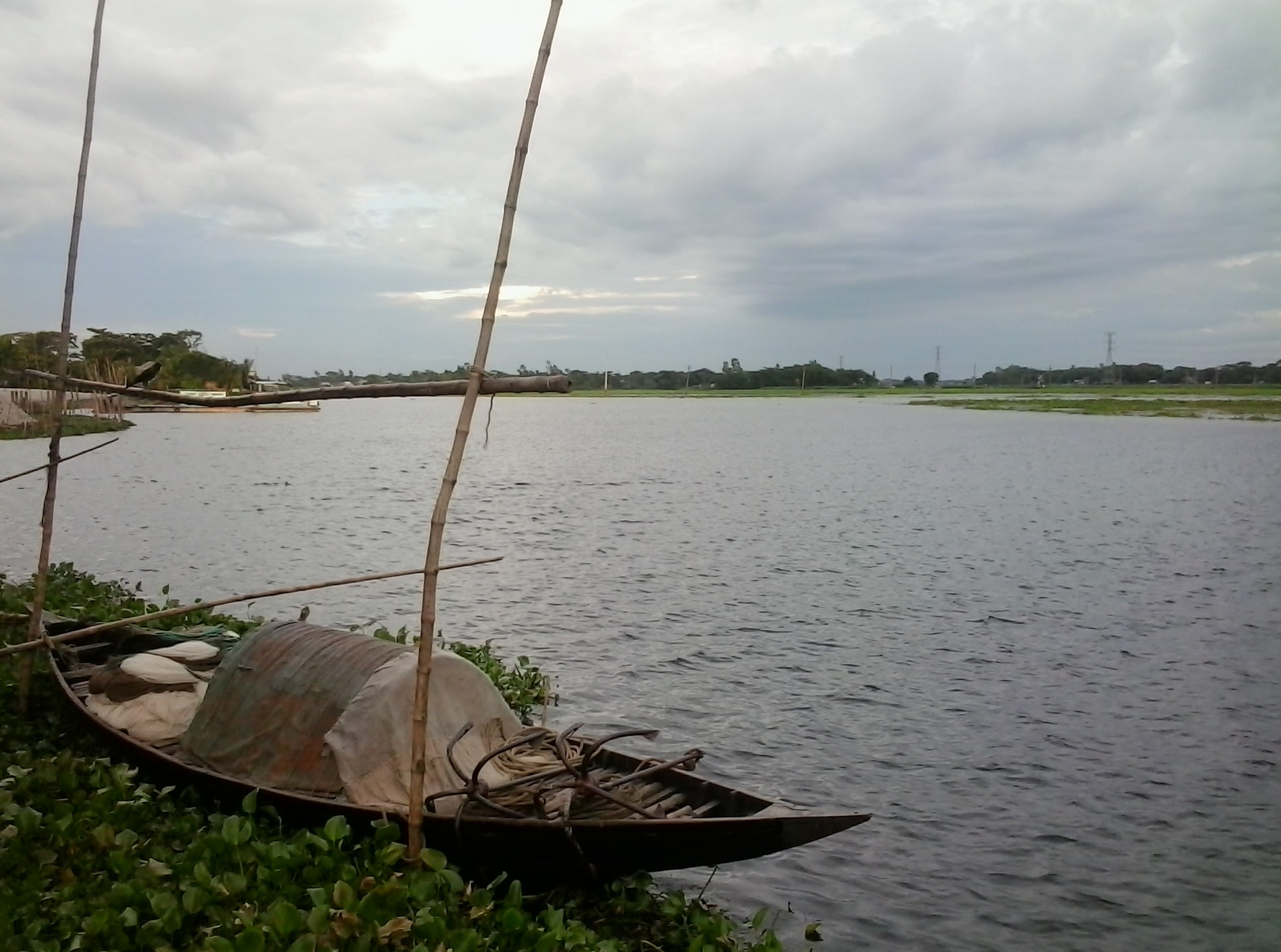
The district has six upazilas: Munshiganj Sadar, Tongibari, Srinagar, Sirajdikhan, Louhajong and Gazaria. Munshiganj Sadar, where the fair was held, covers 218.07 square kilometres. Banglapedia lists its main crops as paddy, potato, wheat, jute, mustard, chilli and vegetables, and its main fruits as banana, mango, papaya, jackfruit and litchi. Agriculture is the main source of income for 37.69 per cent of its households and commerce for 22.59 per cent, by the same account.
Potato is the crop the district is best known for. In February 2025 BSS reported that farmers in Munshiganj had brought 34,758 hectares under potato, against 34,355 hectares the year before, exceeding the target; the DAE deputy director called it a record. By upazila, Munshiganj Sadar had 9,610 hectares, Tongibari 9,094, Sirajdikhan 8,985, Louhajong 3,115, Gazaria 2,004 and Srinagar 1,950. The production target was set at over 10,45,000 tonnes, and in the previous season the district harvested about 12 lakh tonnes. BSS noted that potato is one of the main food crops of Bangladesh after rice and wheat.
Bangladesh's fruit output in figures
Fruit growing had expanded fast in the years before the 2025 fair. DAE figures reported by The Daily Star in June 2023 show that fruit was grown on 4.74 lakh hectares in the 2006-07 fiscal year, with a yield of 87.86 lakh tonnes; in 2021-22 the area had grown to 7.34 lakh hectares and production to 1.43 crore tonnes.
The same report said Bangladesh was among the ten largest tropical fruit producers in the world and, according to the Food and Agriculture Organization (FAO), had kept an average growth of 11.5 per cent in fruit production for 18 years. By the latest FAO estimates it cited, the country ranked second in the world in jackfruit production, seventh in mango and eighth in guava. According to the agriculture ministry, the number of fruits grown in the country rose from 56 a decade earlier to 72.
Consumption rose too. Average daily fruit intake per person increased from 55 grams in 2006 to 85 grams in 2018. In June 2022, ahead of that year's fair, the then agriculture minister said the country's daily demand was 200 grams of fruit per person against an available supply of 85 grams, that 25 to 40 per cent of the fruit produced rots, and that apples, oranges, malta and grapes made up 85 per cent of imported fruit. He also said the country's scientists had developed 65 improved varieties of 30 fruits, The Financial Express reported.
Much of the DAE's fruit work runs through the Year-Round Fruit Production for Nutrition Improvement Project, which the department has implemented since 2014-15 to make fruit available through the year. Its project director told The Daily Star in 2023 that guava, banana, papaya and some other fruits were by then available all year, that early and late mango varieties were being introduced to stretch the mango season, and that there was still a long way to go to reach the ideal intake of 250 grams of fruit a day for adults. DAE officials said more than 1.77 lakh farmers had been trained in fruit growing through the horticulture centres and more than 47 lakh fruit trees planted since the project began.
Mango, jackfruit and litchi: the summer favourites
Mango leads the season. DAE figures reported by BSS on 27 April 2025 show 23,50,499 tonnes of mango from 2,02,968 hectares in FY21, 27,07,459 tonnes in FY23 and 25,08,973 tonnes from 2,05,034 hectares in FY24. For the 2025 season about 2,05,034 hectares were under mango, with a production target of 27 lakh tonnes and an export target of around 5,000 tonnes. Exports had risen from 309 tonnes in FY17 to 1,757 tonnes in FY22 and 3,100 tonnes in FY23, before falling to 1,321 tonnes in FY24. Bangladesh exports mango to some 38 countries, and a memorandum of understanding had been signed for the first exports to China. Officials told BSS that mango is grown mostly in 15 districts, including Rajshahi, Naogaon, Satkhira and Chapainawabganj.
Banglapedia counts nearly 100 mango cultivars in Bangladesh, in two broad groups: superior varieties propagated by grafting, such as Fazlee, Langda, Gopalbhog, Himsagar and Khirsapat, and local seedling mangoes known as deshi or guti am. Grafted trees start bearing in the fourth year after planting. The DAE produces and distributes grafts of elite cultivars from its orchards, horticulture centres and nurseries, and the horticulture division of the Bangladesh Agricultural Research Institute (BARI) runs research stations on mango at Rajshahi, Nawabganj and Joydebpur.
Jackfruit is the national fruit of Bangladesh. Banglapedia describes a tree that starts bearing at five to eight years of age; a tree 15 to 20 years old bears anything from a few to about 200 fruits a year, and a single fruit can weigh from a few kilograms to 15 or 20 kilograms, sometimes more. Bangladeshi jackfruits are of three broad types: khaja, with firm flesh; gala, with very juicy, soft pulp; and dorosa, in between. The ripe pulp is eaten fresh, the unripe fruit is cooked as a vegetable, the seeds are boiled or roasted, the rind and leaves feed livestock, and the yellow heartwood is valued as timber. The tree is sensitive to both drought and waterlogging: in the 1988 flood many jackfruit trees were badly injured or killed while mango trees in the same conditions survived.
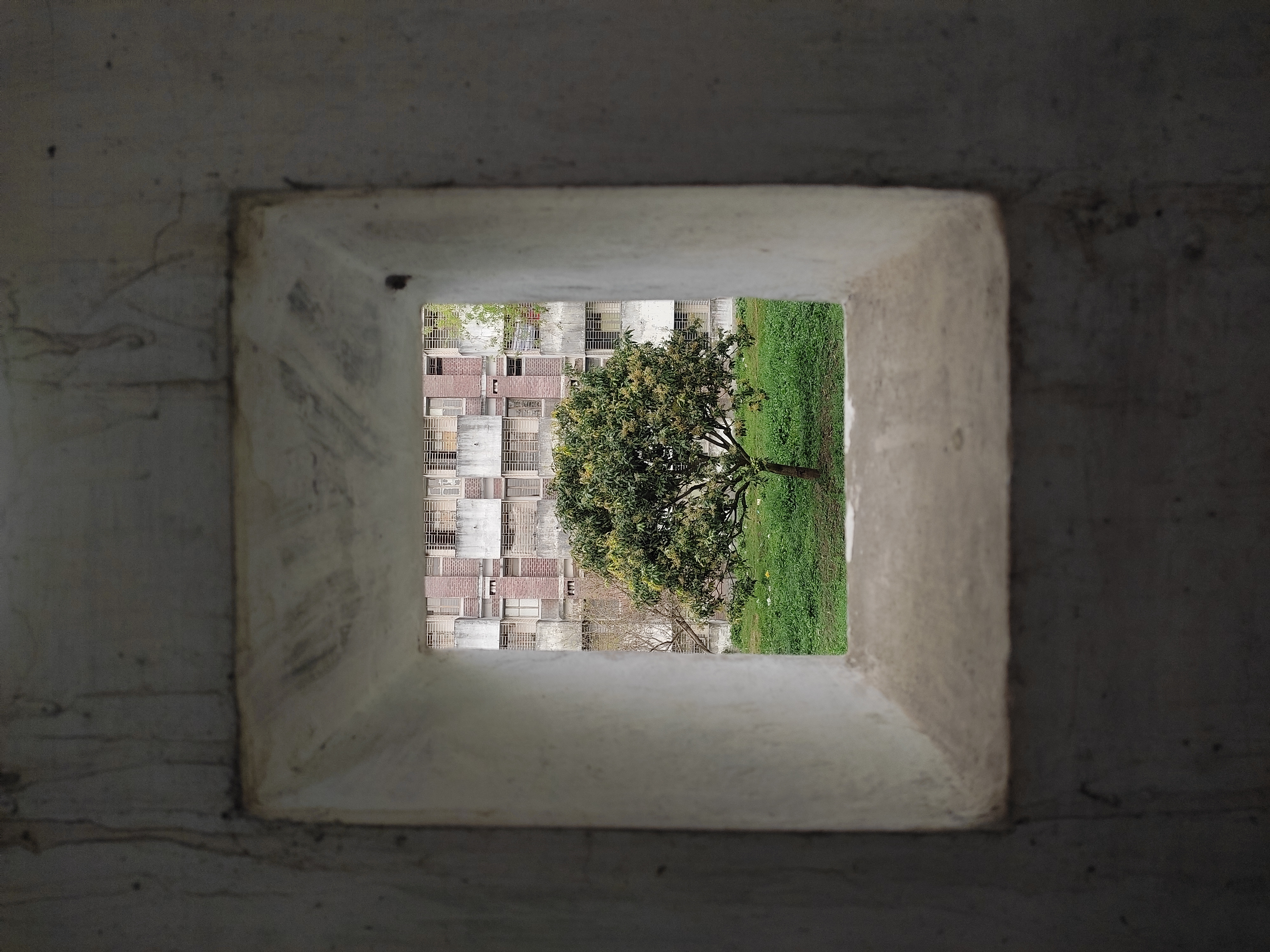
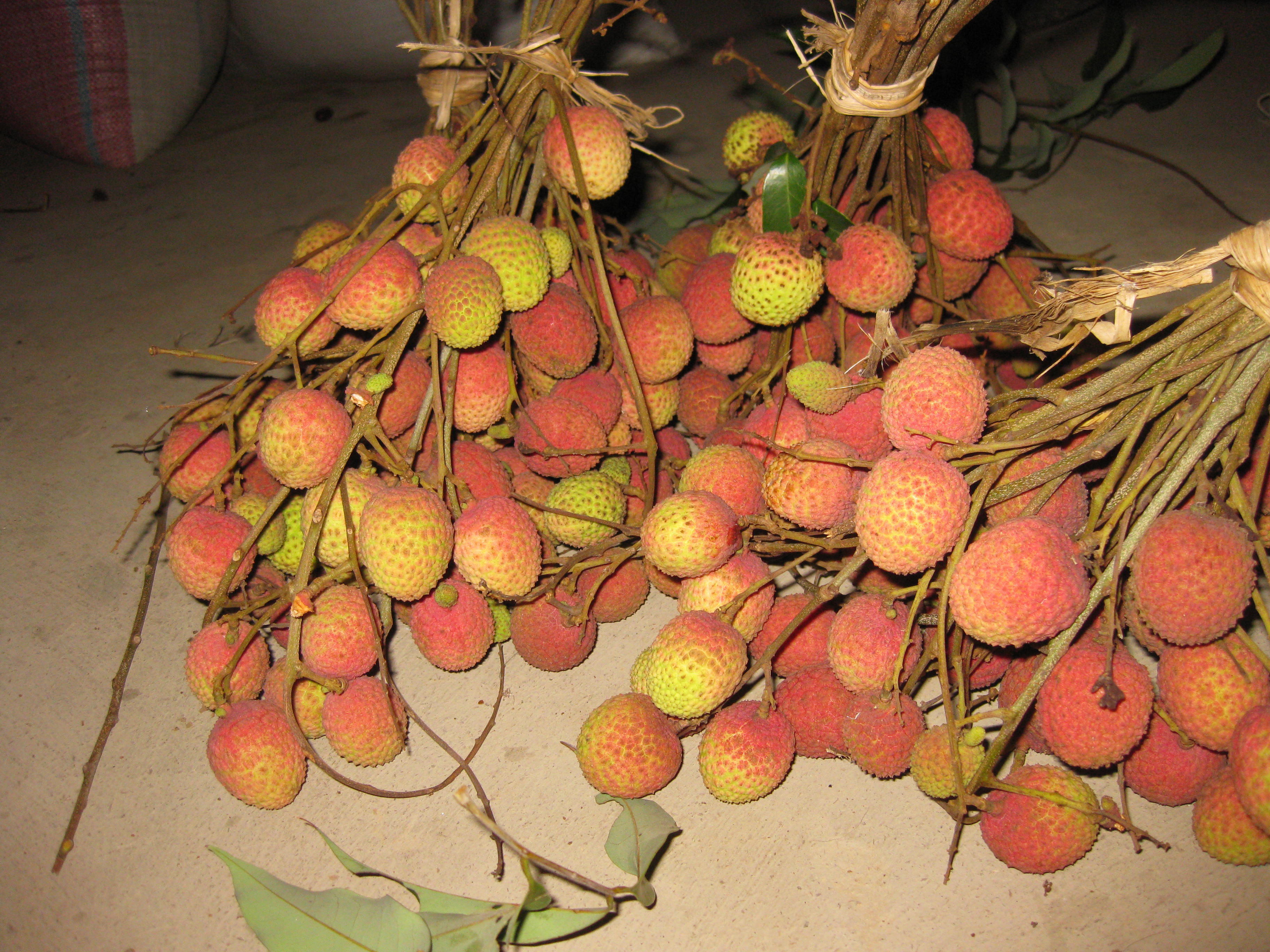
Litchi (Litchi chinensis) came originally from China and reached Burma and India by the end of the 17th century, according to Banglapedia. It can be grown in every district of Bangladesh. It needs a warm, humid climate, does best in deep loamy alluvial soil and cannot tolerate waterlogging; local selections fall into two main types, deshi and bombai. In Dinajpur, BSS reported in February and May 2025, growers raise Madraji, Bombai, kathali, Bedana and China-3 litchis, and DAE officials said the Bedana and China-3 varieties had been exported to France, the USA and Britain the year before.
Guava, watermelon and jamrul
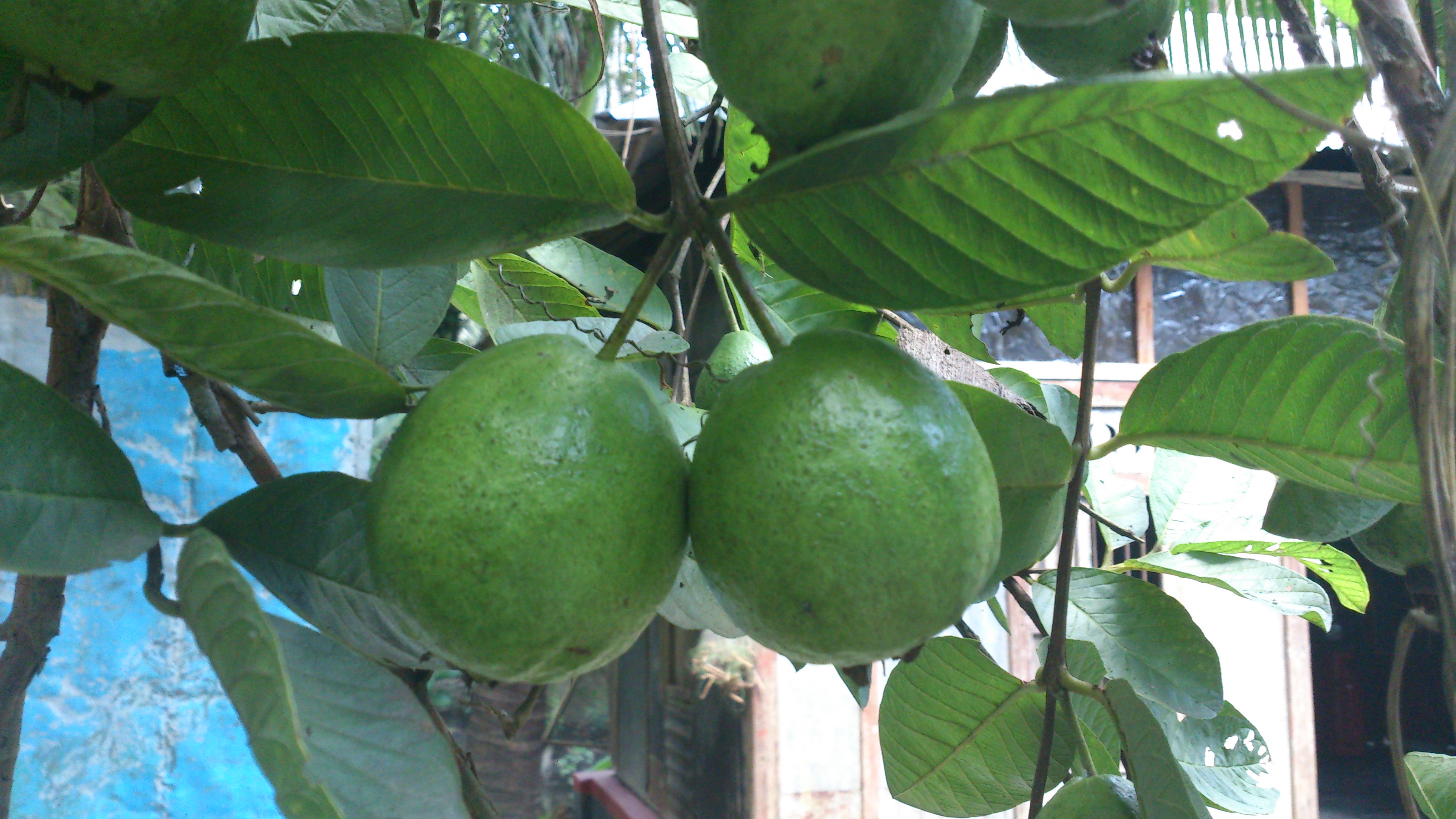
Guava (Psidium guajava) originated in tropical America and is now grown across the tropics and subtropics. Banglapedia lists among the varieties grown in Bangladesh the Kazi Piyara, collected from Thailand around the 1980s; a variety grown widely around Swarupkathi in Barisal; a pear-shaped variety from Kanchannagar in Chittagong; and BARI Piyara 2 and 3. Trees come into full bearing three to four years after planting and may give 400 to 800 fruits and 20 to 30 tonnes per hectare. Guava production rose from 275,000 tonnes in 2007-08 to 516,000 tonnes in 2017-18, Prothom Alo reported in 2019, with about 70 per cent of output from the Thai variety; the country also exports guava and guava juice.
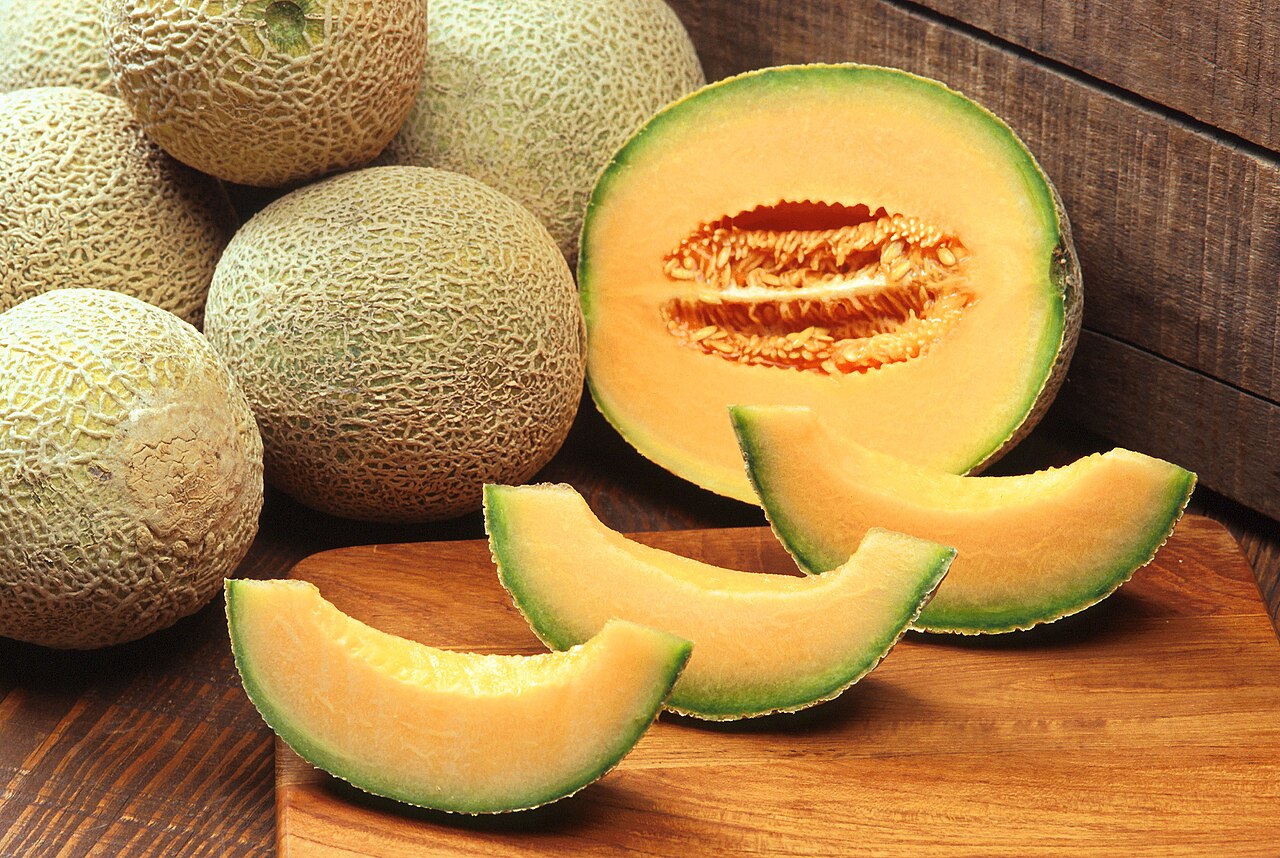
Watermelon has become a major crop of the saline coast. BSS reported from Khulna in March 2025 that only a decade earlier thousands of acres there were left fallow after the Aman paddy season, and that farmers had since turned to watermelon for quick returns; according to the DAE, Khulna is the largest watermelon producer among the districts. An assistant agricultural officer in Koyra upazila told BSS that farmers grew varieties such as Dragon, Aastha, Pakija and Thai Red King, that the yield could range from 50 to 60 tonnes per hectare in good weather, and that growing a hectare cost Tk 1.5 to 2 lakh.
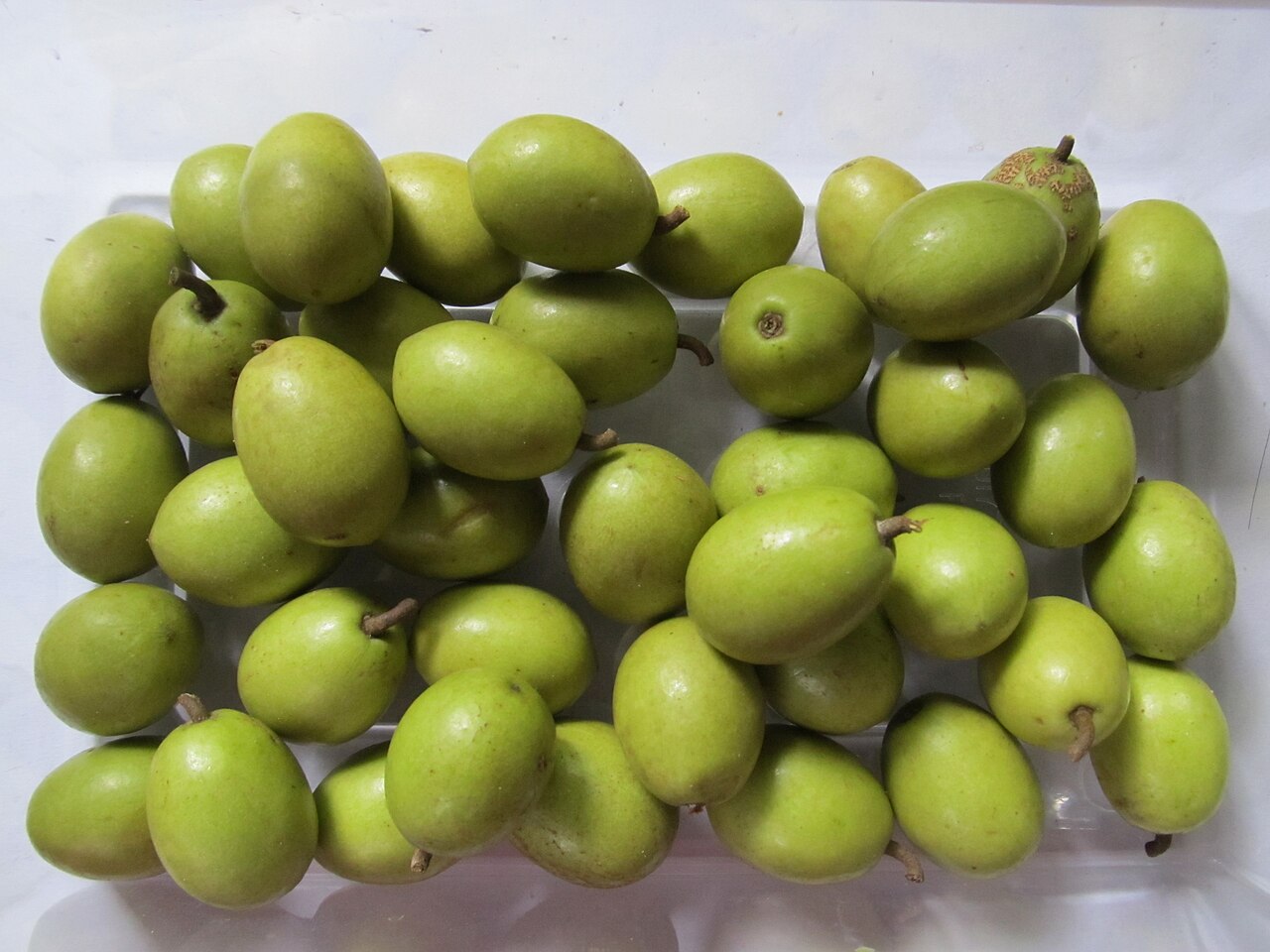
Jamrul is the Bengali name of Syzygium samarangense, known in English as the wax apple or Java apple. In her reference work Fruits of Warm Climates (1987), the horticulturist Julia F. Morton describes a tree 5 to 15 metres tall that is native from Malaya to the Andaman and Nicobar Islands. The waxy fruit is usually light red, sometimes greenish-white or cream, and pear-shaped, 3.4 to 5 cm long, with very thin skin and white, spongy flesh that is mild in flavour. In India the tree blooms in March and April and the fruit ripens in May and June, and a five-year-old tree on good soil may yield a crop of 700 fruits.
Fruit in a healthy diet
The nutrition message of the fair rests on health guidance. The World Health Organization (WHO) says fruits and vegetables are important parts of a healthy diet and that eating them daily may reduce the risk of some noncommunicable diseases, including cardiovascular diseases and certain cancers. They are rich sources of vitamins, minerals and dietary fibre, and WHO estimated that 3.9 million deaths worldwide in 2017 were attributable to eating too little fruit and vegetables.
As part of a healthy diet low in fat, sugars and sodium, WHO suggests eating more than 400 grams of fruits and vegetables a day, a recommendation based on the joint WHO and FAO expert consultation on diet, nutrition and the prevention of chronic diseases. Bangladesh's own figure of 85 grams of fruit per person a day in 2018 covers fruit alone, and it was well below the 200 grams of daily demand the agriculture ministry gave in 2022 and the 250 grams the DAE project director called ideal for adults. For advice on their own diet, readers should consult a doctor or a qualified nutritionist.
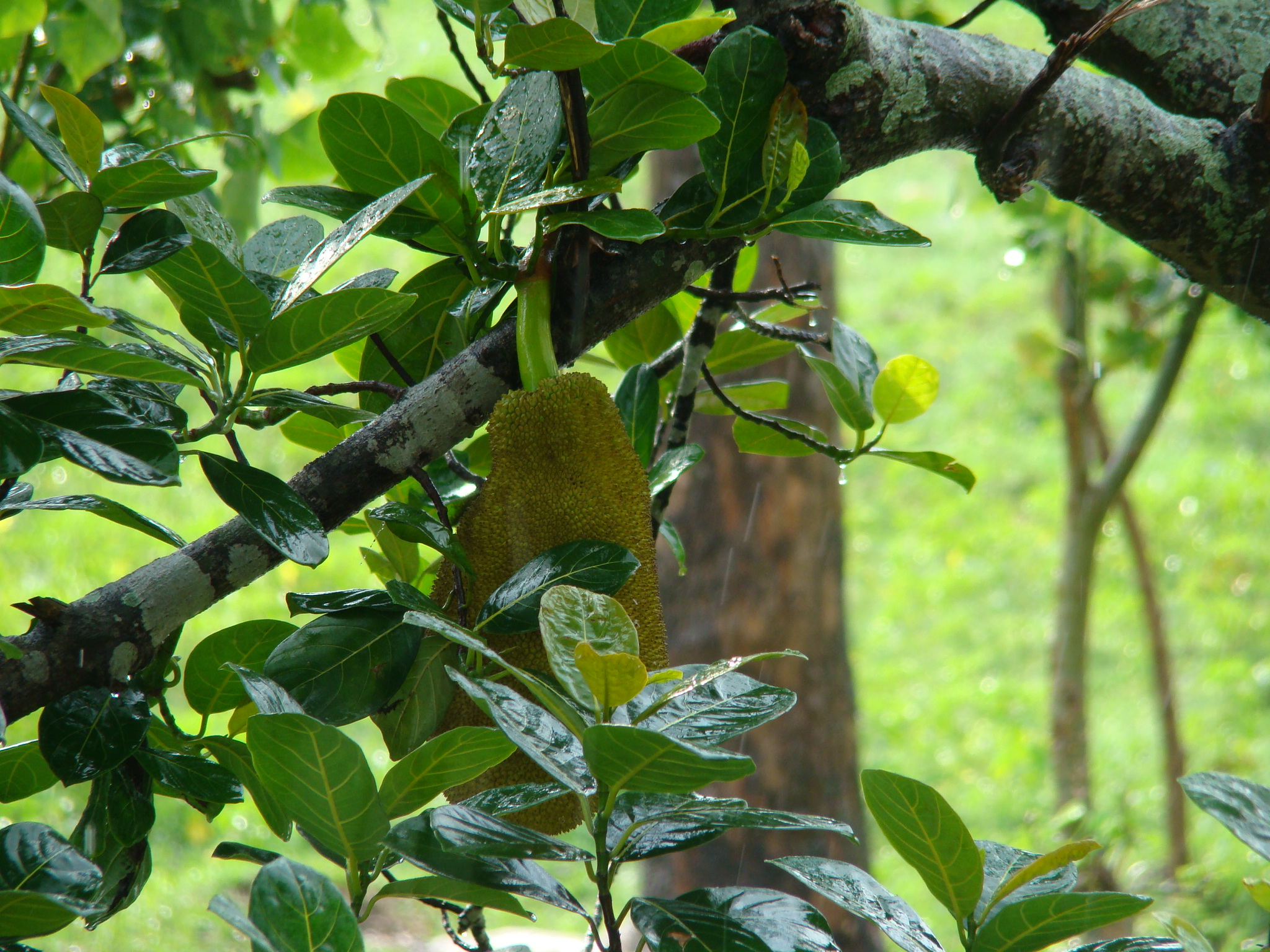
Photo: Shahnoor Habib Munmun / Wikimedia Commons (CC BY 3.0). The top picture shows jackfruit, the national fruit of Bangladesh, as background; it is not from the Munshiganj fair.
Sources: Jagonews24 ("মুন্সিগঞ্জে ৬৫ প্রজাতির ফল নিয়ে মেলা", 19 June 2025), Bangladesh Sangbad Sangstha (BSS), The Daily Star, The Business Standard, The Financial Express, Prothom Alo, Banglapedia, World Health Organization, Julia F. Morton, Fruits of Warm Climates (Purdue University).
Comments
(0)