
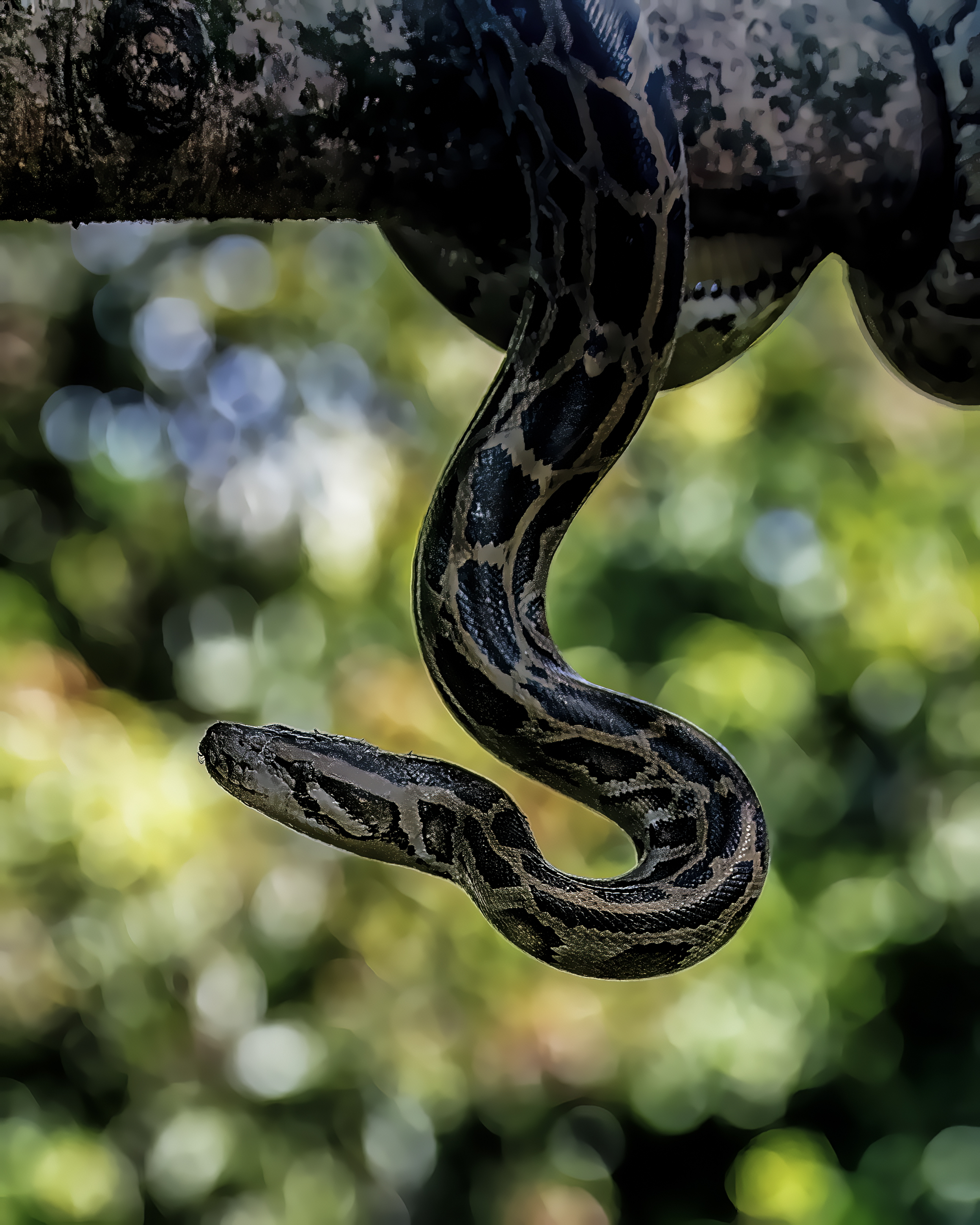
Two large pythons were rescued from two tea gardens in Sreemangal and Kamalganj upazilas of Moulvibazar district on Tuesday, 28 July 2026. According to Jagonews24, the python found at Jagchhara tea garden in Sreemangal was about 16 feet long and weighed about 30 kg, while the one at Phulbari tea garden in Kamalganj was 17 feet long. Both snakes were rescued and handed over to the forest department.
A python among the tea bushes at Jagchhara
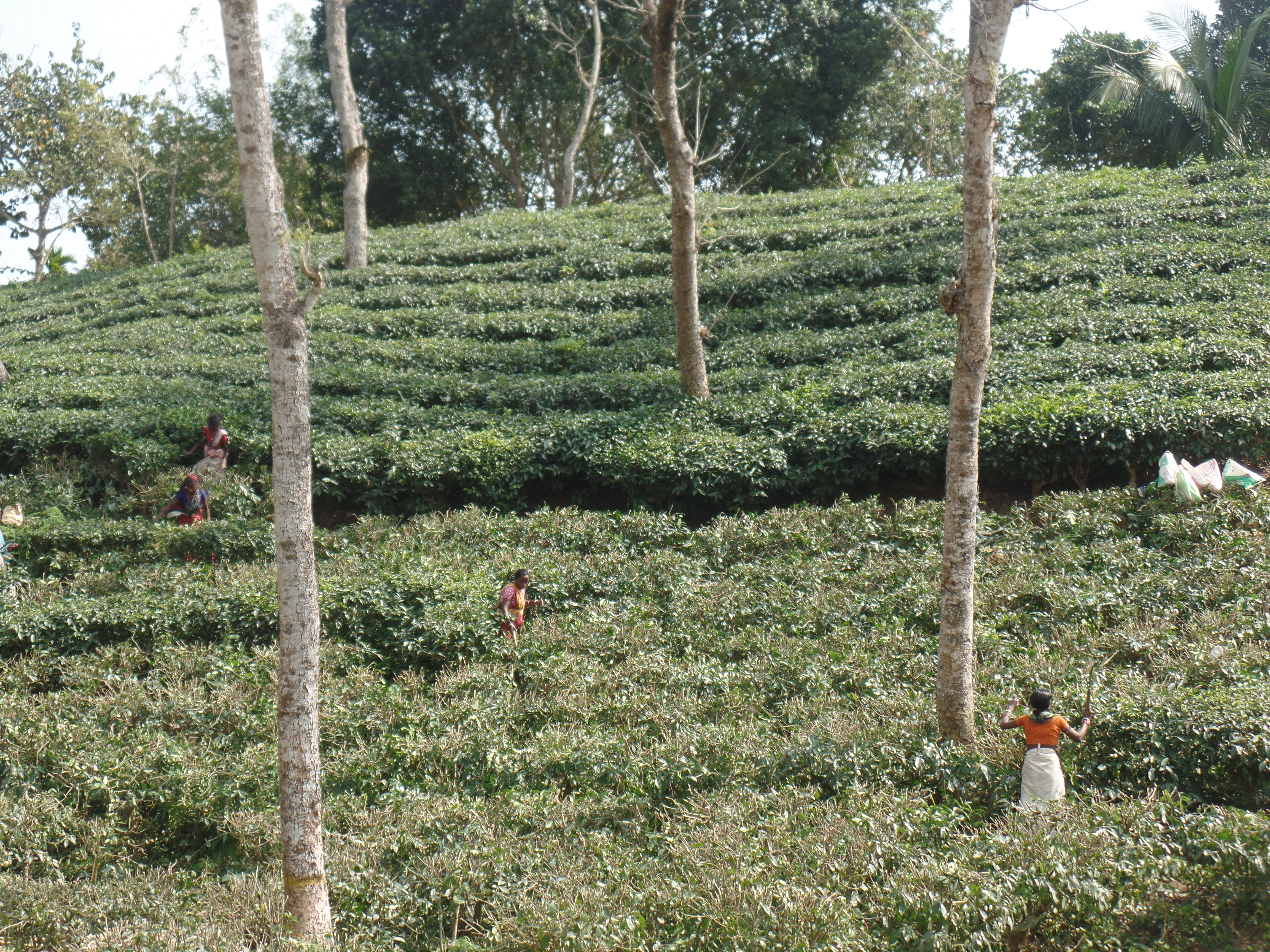
Around midday, tea workers in Section 17 of Jagchhara tea garden suddenly came upon a huge python while they were working. Frightened, they stopped work. They told Selim Mia, a staff official (babu) of the garden, who alerted the forest department and the Bangladesh Wildlife Service Foundation.
Members of the foundation and the forest department then caught the snake unharmed in a joint operation. The Sylhet daily Dainik Prothom Sylhet reported that Swapan Deb Sajal, director of the Bangladesh Wildlife Service Foundation, put the python at about 16 feet and about 30 kg. According to the same report, the Sreemangal office of the Wildlife Management and Nature Conservation Division said the snake would be kept under observation at the rescue centre and released into its natural habitat after the necessary treatment and care.
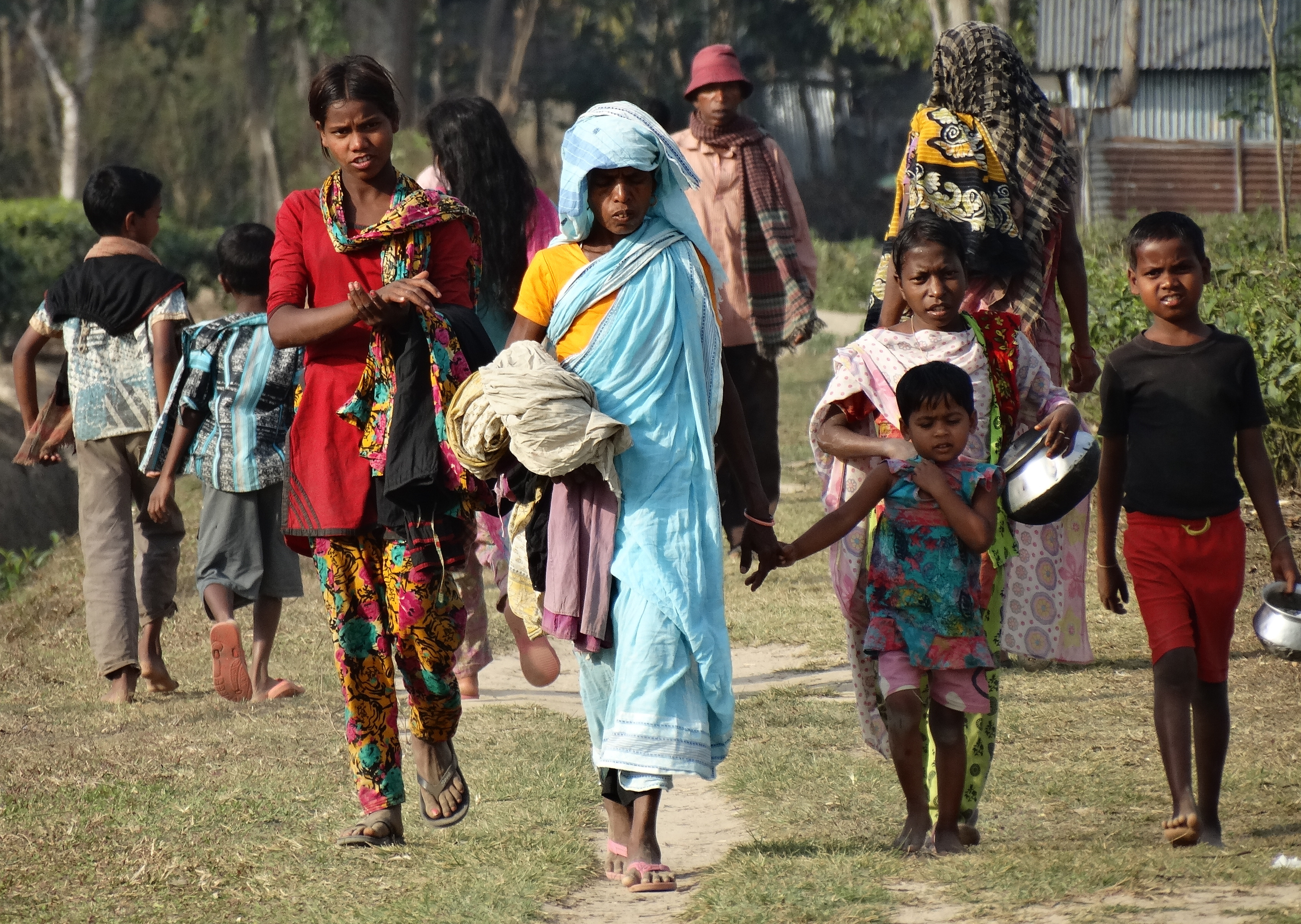
A second python at Phulbari the same day
On the same day, members of the Creative Conservation Alliance rescued a 17-foot python from Phulbari tea garden in Kamalganj upazila and handed it over to the forest department.
The Sreemangal forest range officer confirmed both rescues to Jagonews24 and said: "The pythons will be released into the forest."
Locals told Jagonews24 they believed the snakes leave the forest for settlements because of a shortage of food, and that this is why pythons are often rescued, particularly in Sreemangal upazila.
Lawachara's forest and the Burmese python
The tea gardens of Sreemangal and Kamalganj lie close to Lawachara National Park. The park is in Kamalganj upazila, about 8 km from Sreemangal town. The government declared it a national park on 7 July 1996; it covers 1,250 hectares and is surrounded by tea gardens. Its semi-evergreen and mixed deciduous forest is home to reptiles including the Burmese python.
The report did not name the species of the two snakes. The Burmese python (Python bivittatus), found in the forests of this region, is not venomous; it kills its prey by constriction. It feeds mainly on birds and mammals, is active mostly at night and spends much of its time hidden in undergrowth. Wild specimens typically reach about 5 metres (16 feet). The International Union for Conservation of Nature (IUCN) listed the species as Vulnerable in 2012.
Bangladesh's main wildlife law is the Wildlife (Conservation and Security) Act, 2012, under which no one may hunt a wild animal without a licence or permit. At both Jagchhara and Phulbari, the snakes were left unharmed and the forest department and wildlife rescuers were called.
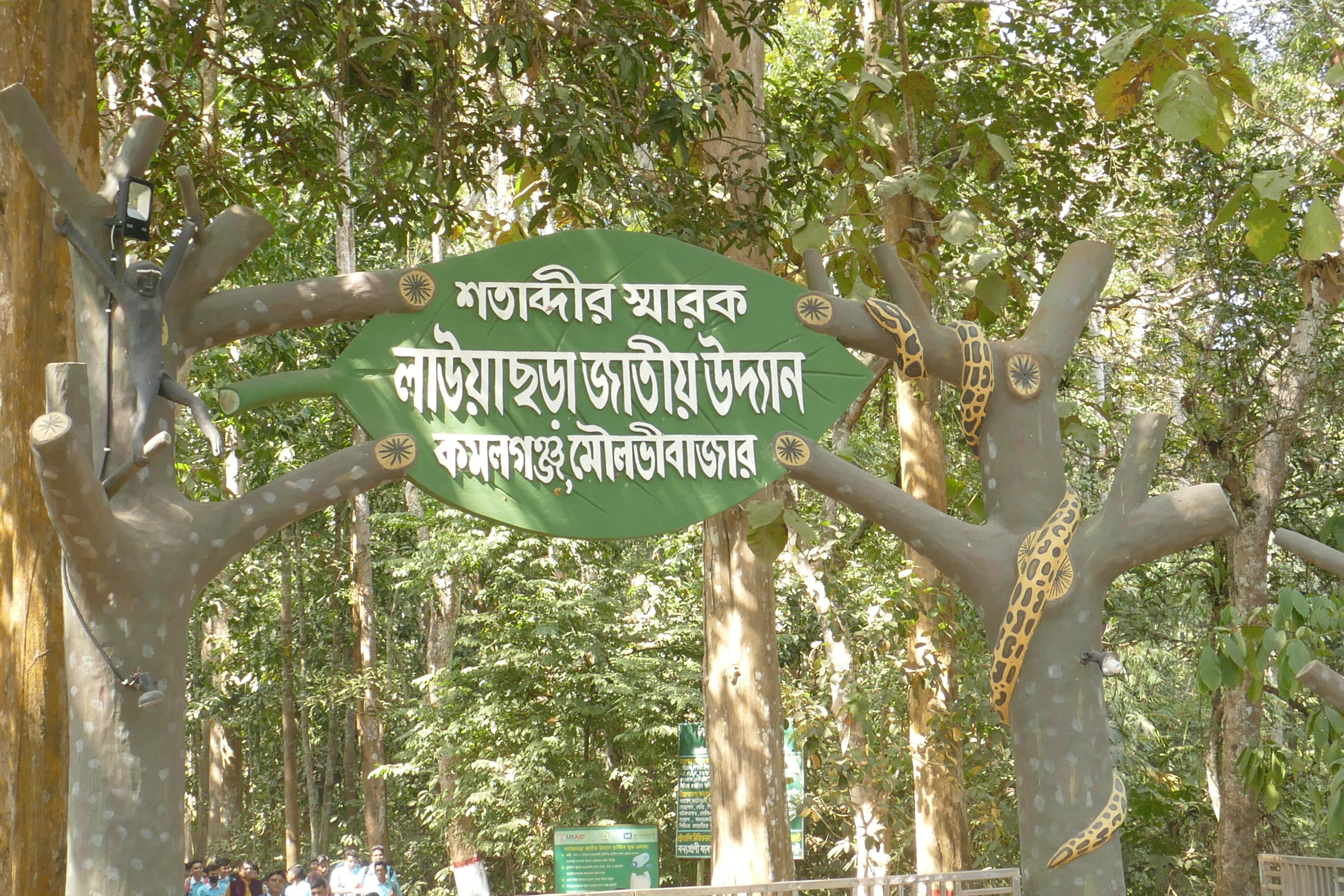
Photo: MD sajjad hossain photography / Wikimedia Commons (CC BY-SA 4.0)
Sources: Jagonews24, Dainik Prothom Sylhet, Wikipedia (Burmese python; Lawachara National Park), Wildlife (Conservation and Security) Act, 2012 (FAO FAOLEX)
Comments
(0)