
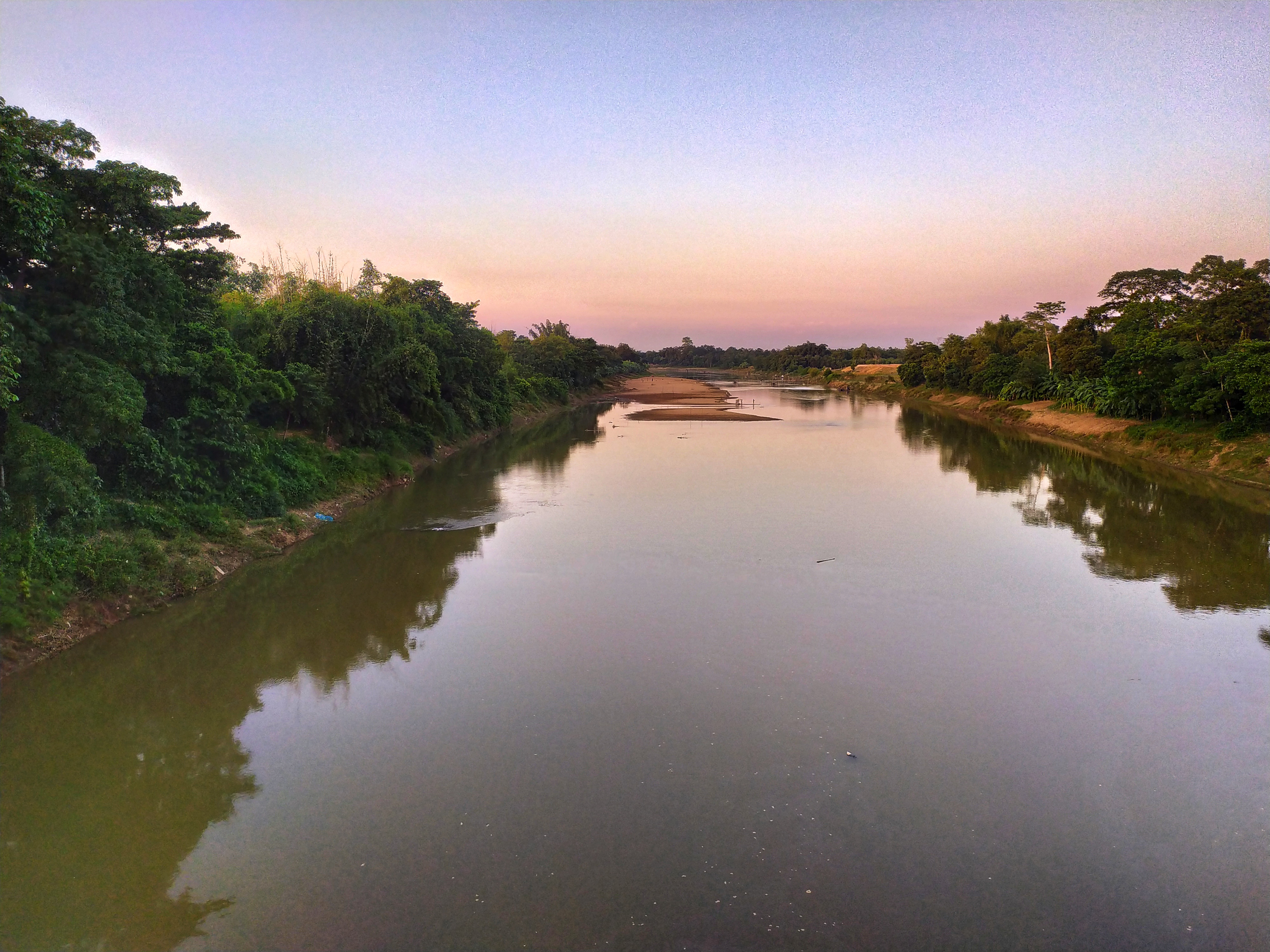
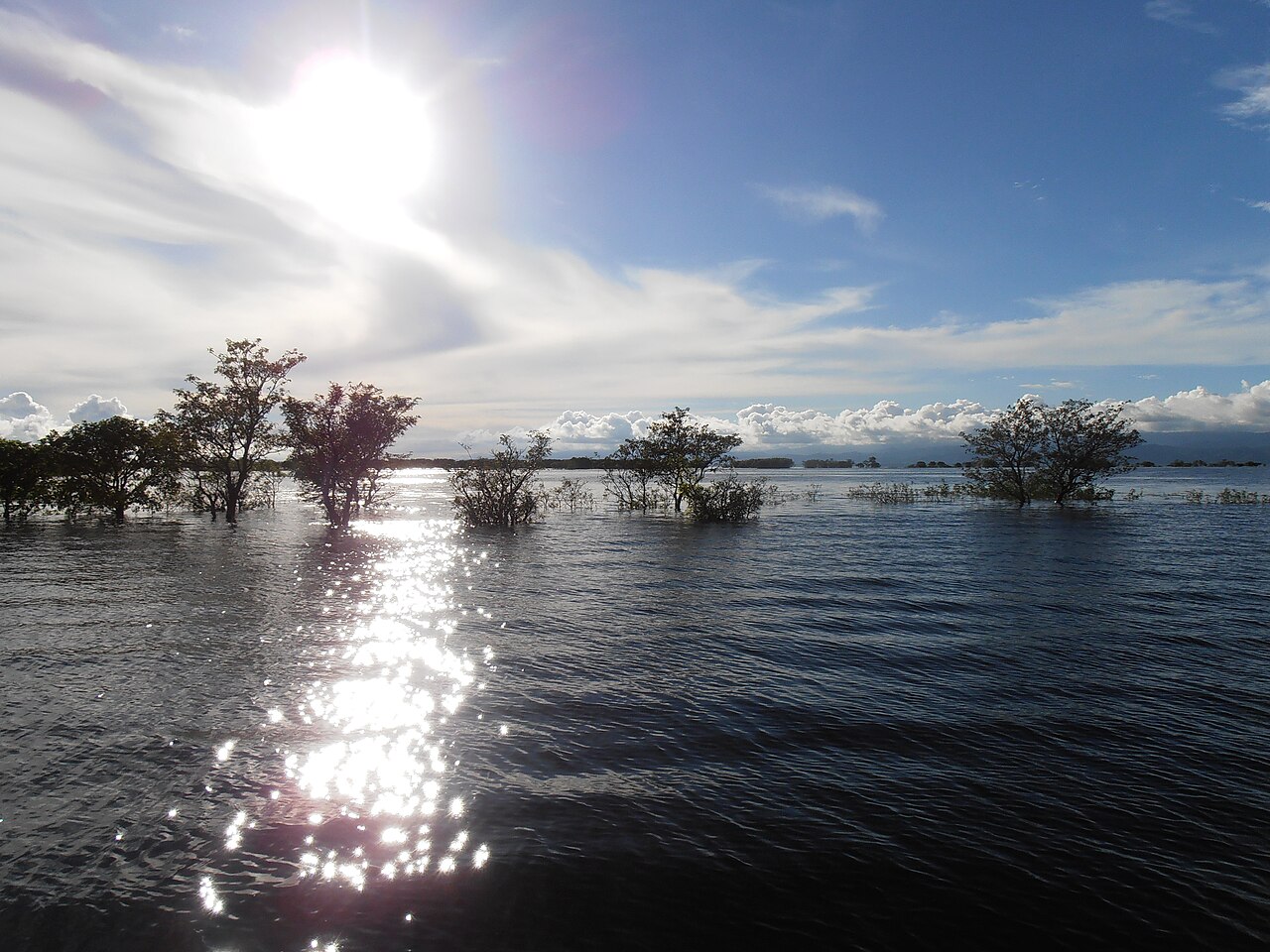
Rivers in Moulvibazar began to fall on the morning of Saturday, 11 July 2026, after four days of flooding caused by continuous rain and hill runoff from upstream in India. Jagonews24 reported on 12 July that the flood situation was improving, but that hardship had not eased in the flood-hit areas of Sadar, Kamalganj, Rajnagar and Kulaura upazilas, where waterborne diseases appeared as the water went down.
Manu and Dhalai embankments breached, four upazilas flooded
Heavy rain and upstream runoff breached the flood protection embankments of the Manu and Dhalai rivers. Visiting the area on Sunday, 12 July, the Jagonews24 reporter found that the breaches had left about 10,000 families in 28 unions of the four upazilas marooned since Thursday, and that about 2,000 people had taken refuge in shelters. With roads and homes under water, many families ran short of food and clean drinking water.
Earlier in the flood, on 10 July, Ajker Patrika reported about 5,000 families marooned in 17 unions of the four upazilas, 95 families moved into shelters in Sadar upazila, and the Manu flowing 80 centimetres above its danger mark. The same report said Aus rice and vegetable fields were being damaged. Rajnagar's Upazila Nirbahi Officer, Md Bipul Sikder, told the paper that thousands of people in Tengra, Kamarchak and other unions were marooned.
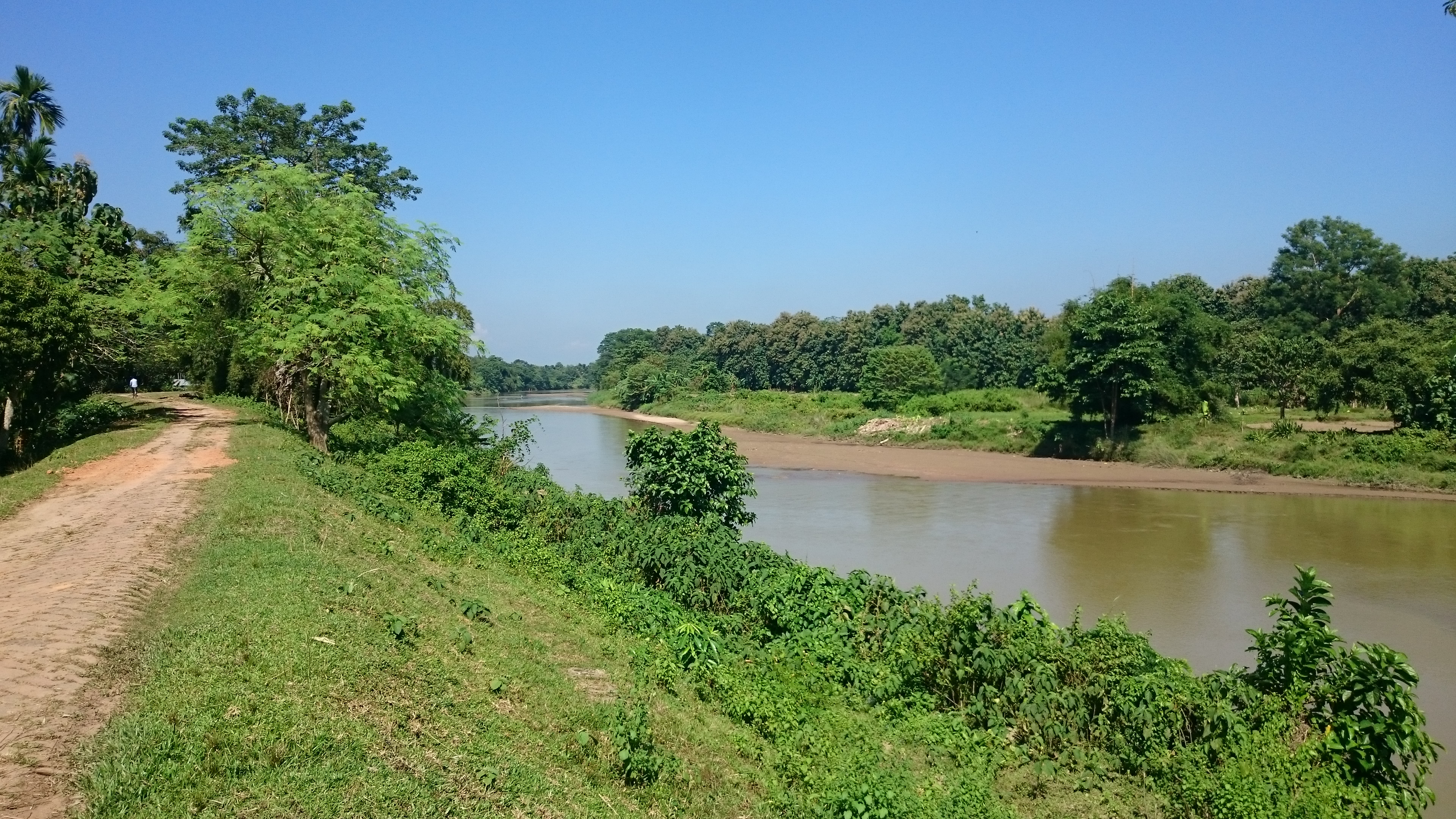
The Manu rises in the Indian state of Tripura and enters Moulvibazar after passing Kailashahar; at 167 km it is Tripura's longest river. The 117 km Dhalai, which comes down from Atharamura Hill in Tripura, enters Bangladesh through Kamalganj upazila and joins the Manu in Rajnagar upazila, and the Manu then flows into the Kushiyara. Heavy rain upstream therefore sends the runoff of both rivers straight into these upazilas.
Diarrhoea, dysentery and fever as the water fell
Once the water receded, people of all ages in the flood-hit areas were falling ill with diarrhoea, dysentery, colds and fever, and allergies, Jagonews24 reported. Jewel Mia, Matin and Sadik Mia, flood victims in Kamarchak union of Rajnagar upazila, said the water had gone down the previous night after two days under water, but that people were now falling ill again, with fever in some of their families and diarrhoea in others.
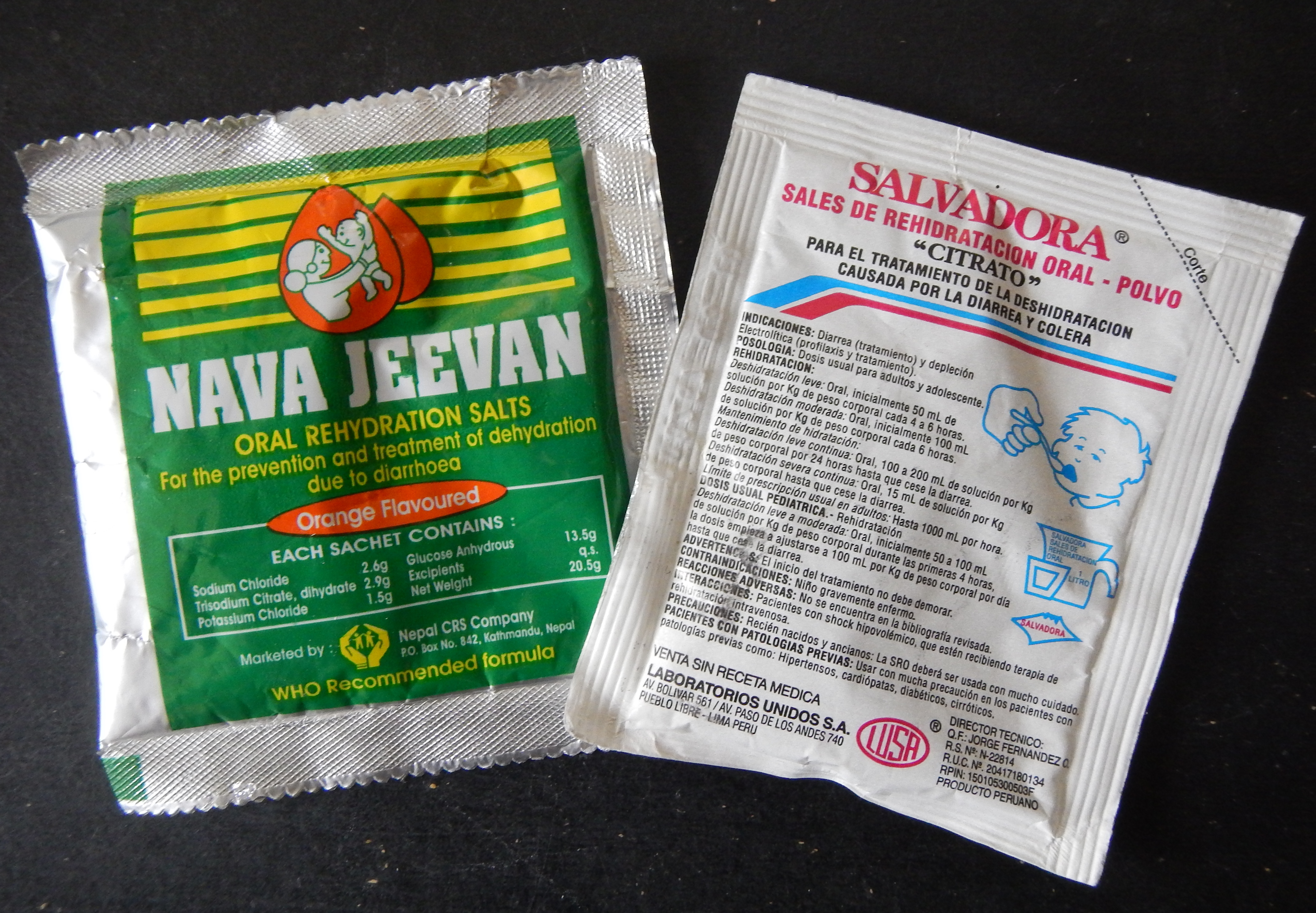
According to the World Health Organization, diarrhoea spreads through contaminated food or drinking water, or from person to person through poor hygiene, and water contaminated with human faeces is of particular concern. The WHO names safe drinking water, improved sanitation and handwashing with soap as key prevention, and rehydration with oral rehydration salts (ORS) as the main treatment; zinc supplements cut the length of a diarrhoea episode by 25%.
Medical teams and relief allocated
Moulvibazar Civil Surgeon Dr Md Mamunur Rahman told Jagonews24 that medical teams had been formed in the flood-hit areas and enough medicine stocked so that everyone could be treated for waterborne diseases. Deputy Commissioner Towhiduzzaman Pavel said food, rice and cash had been allocated for flood victims and a medical team formed for every flood-hit area.
Moulvibazar, in Sylhet Division, covers 2,799.38 square kilometres and had a population of 2,123,447 in the 2022 census. The district has seven upazilas and borders the Indian state of Tripura to the south and Assam to the east, and 91 of Bangladesh's 153 tea gardens are in the district.
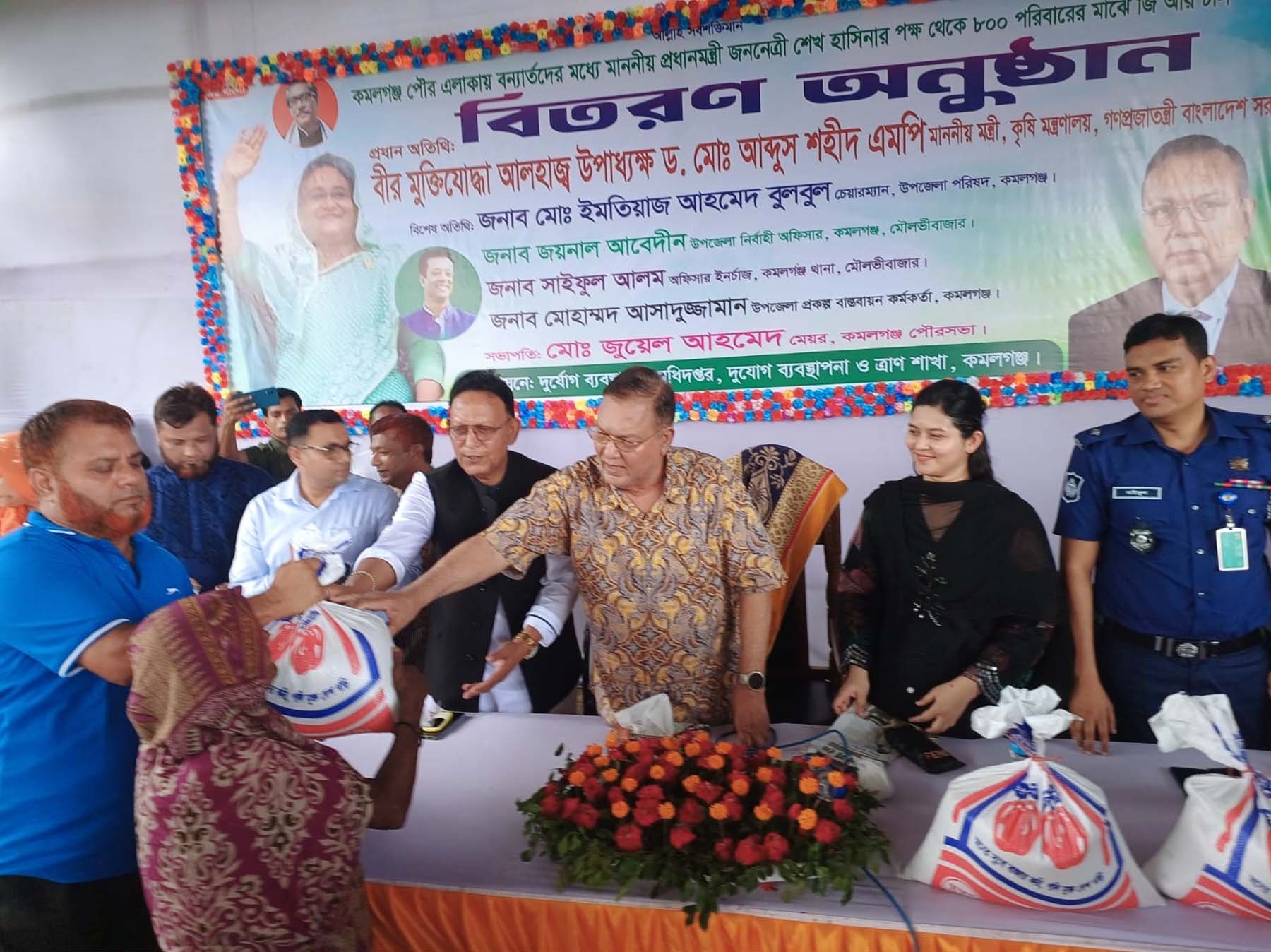
Photo: Rocky Masum / Wikimedia Commons (CC BY-SA 4.0)
Sources: Jagonews24, Ajker Patrika, World Health Organization (WHO), Wikipedia
Comments
(0)