
Mosquitoes in Bangladesh never take a full season off. When this report was first written it was winter, the season when nature wraps itself in a cool blanket, yet mosquitoes had become a bigger nuisance than before. Could a few pots of fragrant plants on a balcony or windowsill keep them away?
This report, first published on The Agro News, looked at plants that are often left uncared for in corners of a home but whose smell mosquitoes are said to dislike: tulsi (holy basil), mint, lavender, marigold, citronella grass, rosemary and lemon balm. Below, the original report is set beside what research on these plants had found by then: what living plants can and cannot do, what one claim in the original got wrong, and what health authorities advise for protection from mosquito bites.
What the botanist told the original report
According to the original report, Professor Nuhu Alam of the Department of Botany at Jahangirnagar University said that tulsi, mint, lavender and plants of the marigold group contain insect-repellent compounds. He explained that a compound has physical and chemical properties. The strong smell of a plant's leaves or flowers is part of its physical side, but smell alone is not enough: insect-repellent compounds must also be present and active. Only then, he said, can such plants drive mosquitoes away, and in some cases kill them.
Dr Md Nuhu Alam is listed by Jahangirnagar University as a professor of botany who teaches and researches mycology, plant pathology and plant virology.
The report added that citronella, which is a grass, and rosemary and lemon balm can also keep mosquitoes away. Seedlings of these plants, it said, were sold at nurseries across Dhaka, including those in Agargaon, Gulshan, Dhanmondi, Mohammadpur and around Doel Chattar, at prices between Tk 70 and Tk 300 depending on the age of the seedling.
A correction: cypermethrin and malathion are not plant compounds
The original report said that active compounds of the cypermethrin and malathion type work to stop and destroy mosquito eggs, larvae and growth. This needs correcting, because neither chemical comes from tulsi, mint, lavender or marigold, or from any plant.
According to a fact sheet of the National Pesticide Information Center (NPIC), run by Oregon State University with the United States Environmental Protection Agency, cypermethrin is a pyrethroid insecticide that was first synthesized in 1974. It is a synthetic chemical similar to the pyrethrins in pyrethrum extract, and pyrethroids were designed to remain effective longer than pyrethrins. Cypermethrin works by quickly affecting the central nervous system of insects that eat or touch it.
Malathion, in NPIC's words, is an insecticide in the chemical family known as organophosphates. It was first registered for use in the United States in 1956 and has been used in public health mosquito control. It interferes with an enzyme that normally stops nerve signals, so the insect's nerves keep firing and it cannot move or breathe normally.
There is a real plant insecticide behind the confusion. NPIC describes pyrethrins as pesticides found naturally in some chrysanthemum flowers, a mixture of six chemicals that are toxic to insects; whole crushed flowers are known as pyrethrum powder. Pyrethrum is made from the dried flower heads of Chrysanthemum cinerariifolium and Chrysanthemum coccineum. These are relatives of marigold in the daisy family, but they are not the garden marigold grown in Bangladesh, and a living plant in a pot does not release pyrethrins into a room.
How plant smells affect mosquitoes
A 2011 review in the Malaria Journal by Marta Ferreira Maia and Sarah Moore of the London School of Hygiene and Tropical Medicine gathered what was known about plant-based insect repellents. Insects detect smells when volatile odour molecules bind to receptor proteins on their antennae and mouthparts. The review notes that some of these receptors respond both to DEET, the standard synthetic repellent, and to plant compounds such as citronellal, linalool and eucalyptol.
The review records that plants were burnt for centuries to drive away nuisance mosquitoes, a practice mentioned by ancient Greek, Roman and Indian writers, and notes that many plants of the mint family (Lamiaceae), aromatic grasses (Poaceae) and the pine family are still burnt or hung inside homes in rural communities.
The weak point is time. The active ingredients of plant repellents tend to be highly volatile, the review explains, so they work for a short period after they are applied and then evaporate quickly, leaving the user unprotected. That is the main reason a leaf's scent in the air is far weaker than a tested repellent on the skin.
One plant-derived product is an exception. PMD (para-menthane-3,8-diol), obtained from the leaves of lemon eucalyptus (Corymbia citriodora), was described in the review as the only plant-based repellent advocated by the United States Centers for Disease Control and Prevention for use in disease-endemic areas, because of its proven efficacy. In one field study in Bolivia cited by the review, 30 percent PMD applied to the skin gave 96.88 percent protection from mosquitoes for four hours. That is a processed extract, not a potted tree.
What trials with living plants found
Only a few studies have tested whole, living plants. The first was carried out in Kenya by Abebe Seyoum and colleagues at the International Centre of Insect Physiology and Ecology (icipe) and published in the American Journal of Tropical Medicine and Hygiene in 2002. They placed potted plants in experimental huts inside a screen-walled greenhouse and released the malaria mosquito Anopheles gambiae.
Potted Ocimum americanum, a basil related to tulsi, repelled an average of 39.7 percent of the mosquitoes. Lantana camara repelled 32.4 percent and Lippia uckambensis 33.3 percent. Combining the basil with Lippia raised repellency to 45.2 percent. But several other plants, including two other Ocimum species, lemon eucalyptus, neem (Azadirachta indica) and the marigold Tagetes minuta, did not significantly repel mosquitoes as living potted plants.
The same team then tested plants in traditional houses in western Kenya and reported the results in Tropical Medicine and International Health in 2003. Intact potted Ocimum americanum repelled 37.91 percent of Anopheles gambiae mosquitoes and Lantana camara 27.22 percent, but none of the potted plants repelled the other malaria vector, Anopheles funestus. Heating plant material on modified stoves worked better, with lemon eucalyptus leaves reaching 48.71 percent.
The authors concluded that both methods could be an additional means of household protection and a useful complement to bed nets, especially early in the evening before bedtime. In other words, even in the best result, more than half of the mosquitoes were not repelled, and the researchers presented the plants as an addition to nets, not a replacement.
The plants in the report, one by one
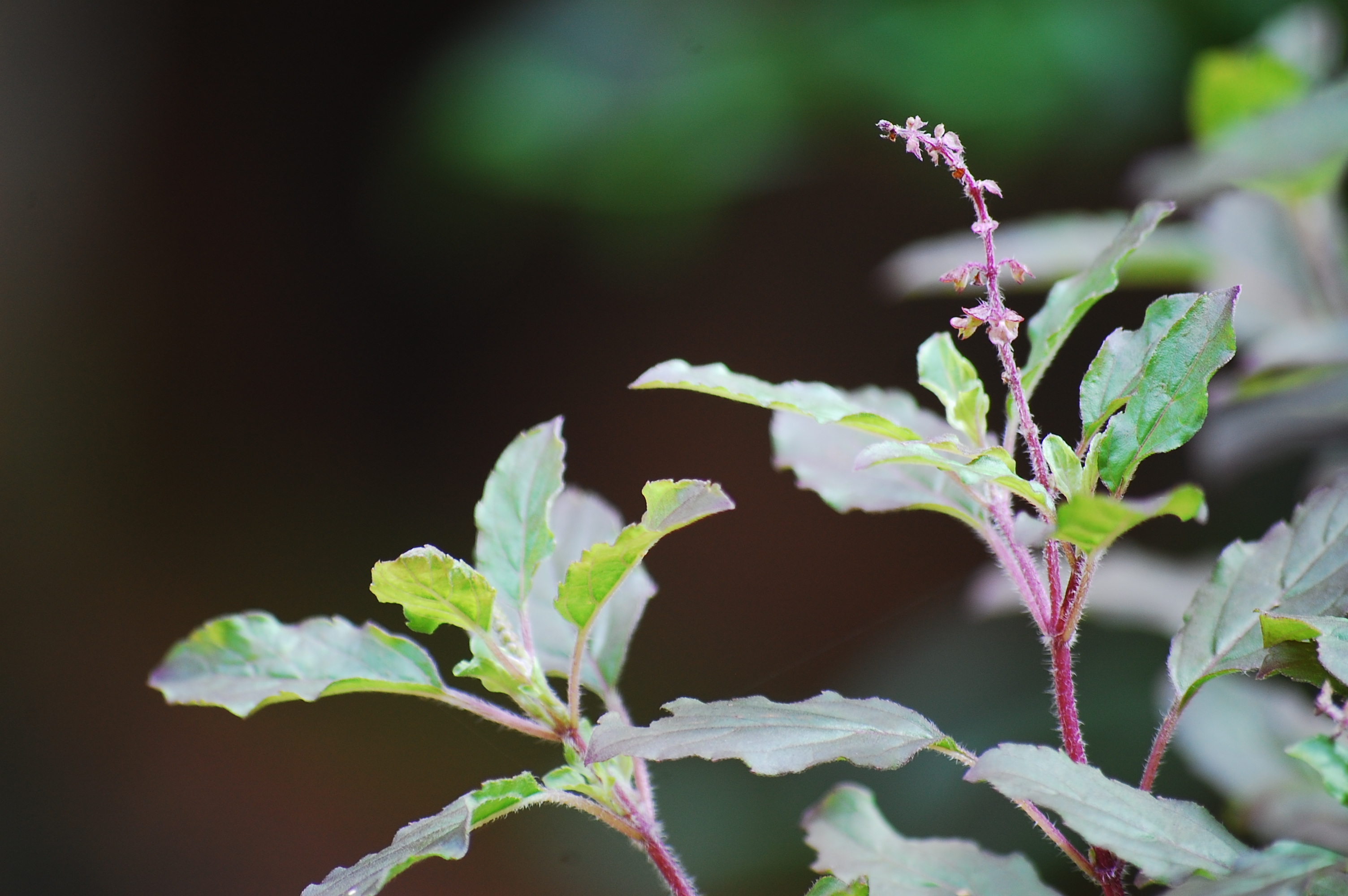
Tulsi, or holy basil (Ocimum tenuiflorum, also called Ocimum sanctum), is an aromatic perennial of the mint family, Lamiaceae, native to tropical and subtropical Asia. A 2009 review by researchers at the All India Institute of Medical Sciences listed mosquito-repellent activity among the effects studied in tulsi, while noting that most such evidence comes from laboratory and animal work and few human studies. In a 2017 laboratory study at the Vector Control Research Centre of the Indian Council of Medical Research, a 20 percent solution of tulsi essential oil in ethanol kept Aedes aegypti, the dengue mosquito, from landing for up to six hours, as did peppermint oil, comparable to 20 percent DEET. These were distilled oils, not leaves on a plant.
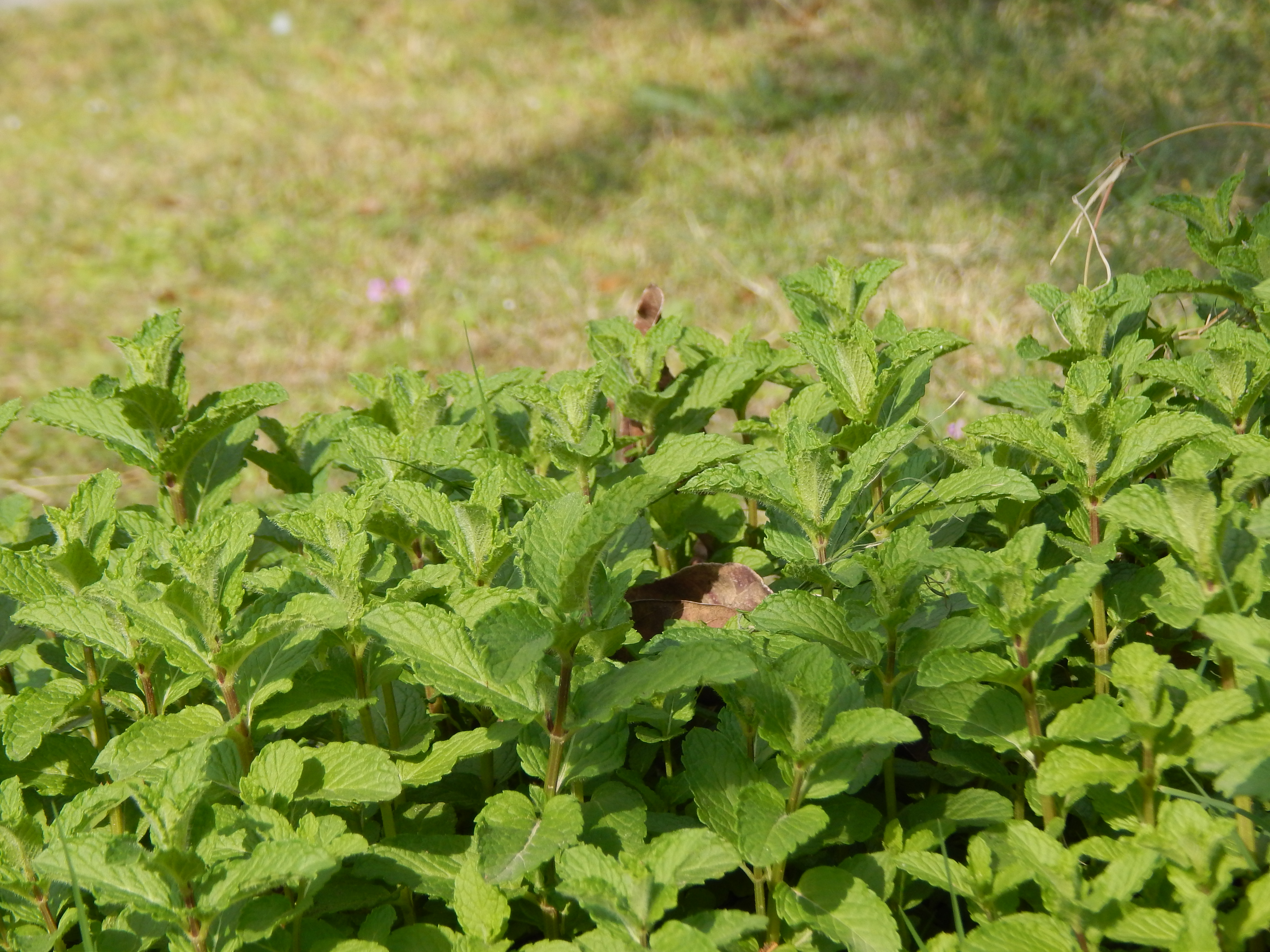
Mint (Mentha) is a genus of about 18 to 24 species in the same family. The Maia and Moore review lists peppermint oil among the more effective essential oils, which repelled malaria, filarial and yellow fever mosquitoes for 60 to 180 minutes in the studies it cites. In a field study in Bolivia, Japanese mint oil burnt in a kerosene lamp gave 41 percent protection indoors against Mansonia mosquitoes.
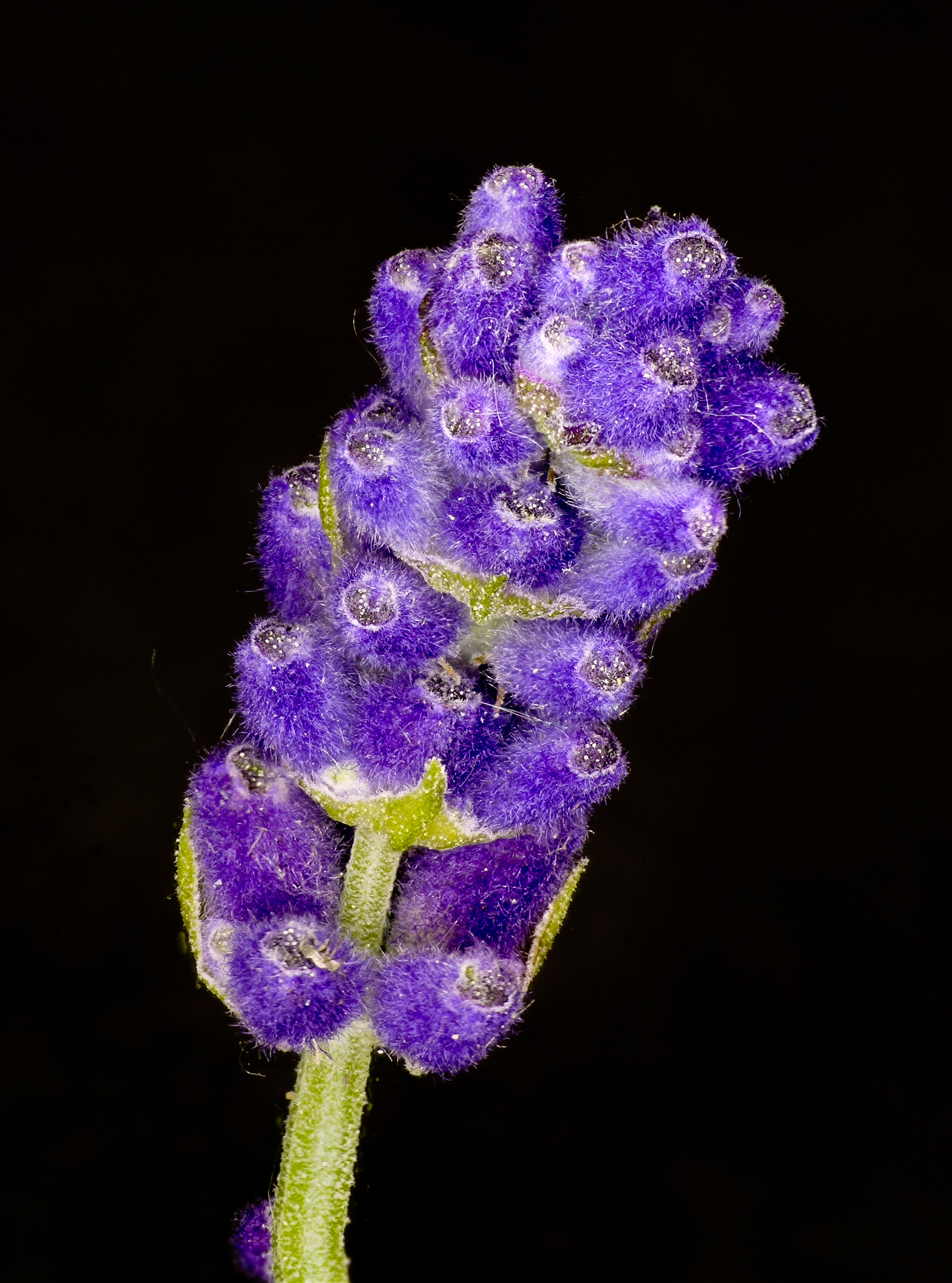
Lavender (Lavandula) is a genus of 47 known species in the sage family, native to the Mediterranean, the Middle East and as far as the Indian subcontinent. Lavender oil is distilled from the flower spikes and is widely used in perfumery. Linalool, a compound found in several fragrant herbs, is one of the plant molecules that, according to the Maia and Moore review, act on the same odour receptors in Culex mosquitoes as DEET; the sources consulted for this report did not include a trial of living lavender against mosquitoes.
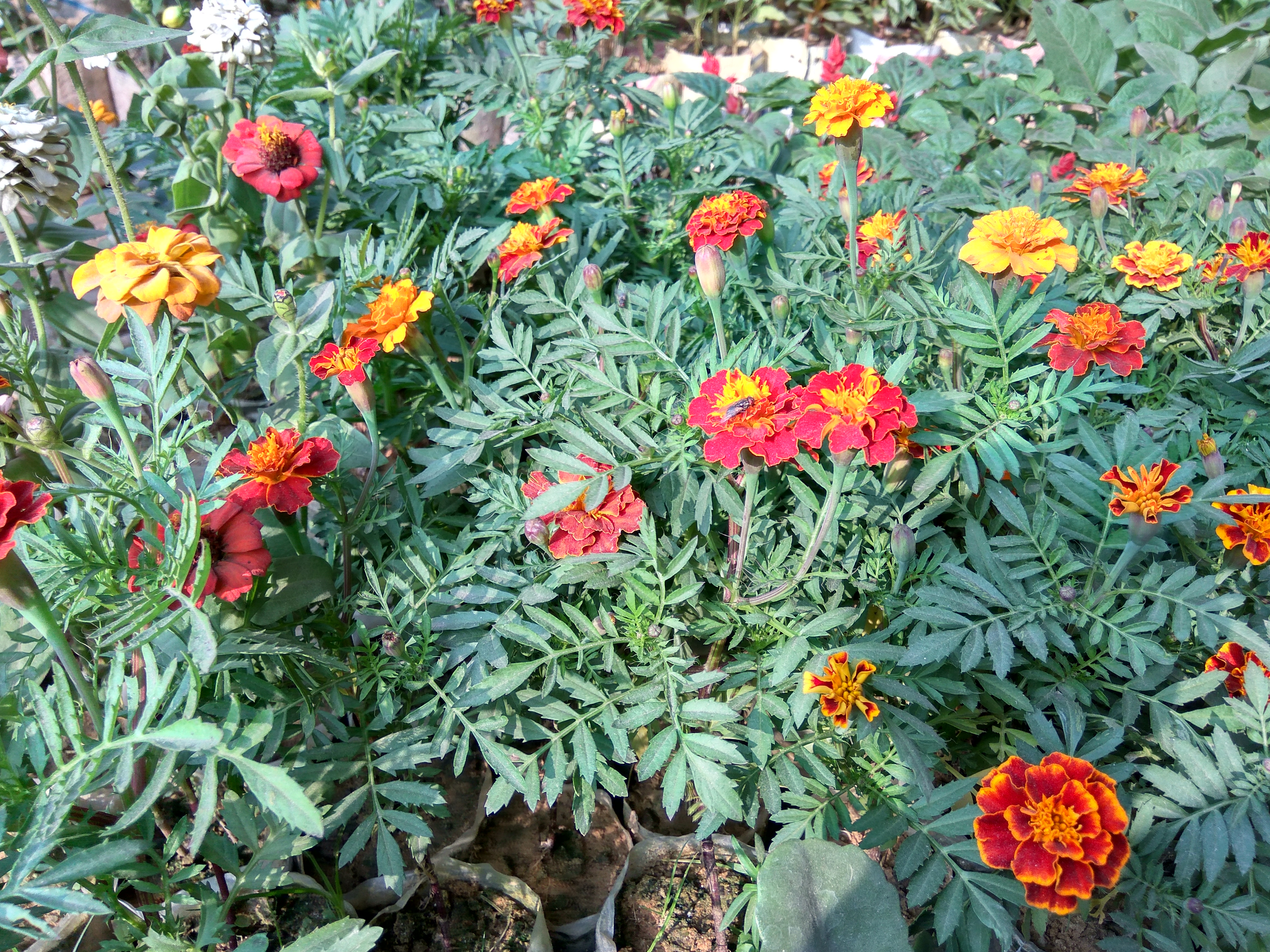
Marigold in Bangladesh usually means Tagetes erecta or Tagetes patula, flowers native to Mexico and Central America and grown widely for garlands. Researchers at the University of Rajshahi reported in 2011 that an extract of Tagetes erecta flowers killed the larvae of Culex quinquefasciatus in laboratory tests that followed the World Health Organization's standard method, and a Brazilian study the same year found the flower's essential oil active against Aedes aegypti larvae. These results concern extracts poured into water with larvae, not a marigold plant standing near a window, and the Kenyan trial found that the living marigold Tagetes minuta did not significantly repel adult mosquitoes.
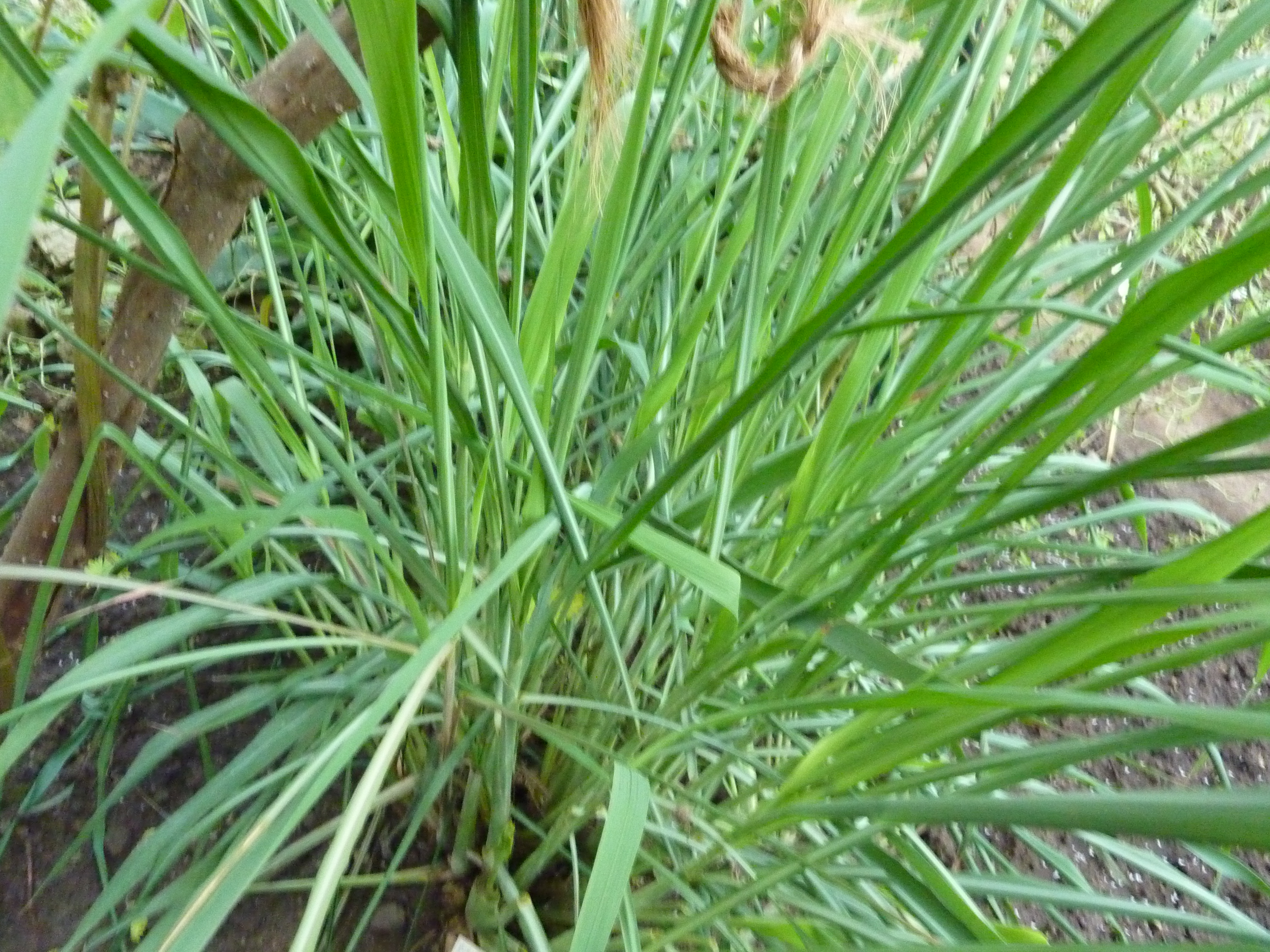
Citronella is a grass of the genus Cymbopogon, a relative of lemongrass. Its oil, taken from the leaves and stems, supplies citronellal, citronellol and geraniol to the perfume, soap and candle trades. The Maia and Moore review says citronella entered many commercial repellents through its familiarity rather than its efficacy: dose for dose it starts as strongly as DEET, but the oil evaporates quickly, and citronella-based repellents protect from host-seeking mosquitoes for only about two hours.
Rosemary (Salvia rosmarinus, formerly Rosmarinus officinalis) is an evergreen shrub of the mint family native to the Mediterranean, and lemon balm (Melissa officinalis) is a lemon-scented perennial of the same family whose leaves contain essential oils with geranial and neral. Both are fragrant culinary herbs; the sources consulted for this report did not include a trial of either as a living potted plant against mosquitoes.
Oils, candles and smoke: what the evidence shows
Plant scents can be released in other ways, and each has limits. The review notes that citronella and geraniol candles, widely sold as outdoor repellents, reduced biting by around 50 percent in field studies against nuisance mosquitoes, but did not provide significant protection against bites.
Burning leaves can repel mosquitoes in the short term. The review's table records several field studies in which smoke from the leaves of basil, lemon eucalyptus or neem gave protection of roughly 70 percent or more during the burning. That protection lasts only while the material burns or shortly after, as the Kenyan stove trials also showed.
Natural does not mean harmless. The review states that it is commonly assumed that plant-based repellents are safer than DEET because they are natural, while DEET has undergone stringent testing and has a good safety profile. It notes that many essential oils can cause contact dermatitis, and that repellents high in essential oils could irritate the skin, especially in sunlight. Its safety table lists basil oil as containing methyl eugenol, a carcinogen, and marigold oil from Tagetes minuta as a phototoxic skin irritant. Oils should therefore not be rubbed onto the skin of children or anyone with sensitive skin without advice.
The review's verdict for places where mosquitoes carry disease is plain: repellents containing only essential oils, without an active ingredient such as DEET, should not be recommended for use in disease-endemic areas. Bangladesh, where dengue is endemic, is such a place.
Mosquitoes around homes in Bangladesh
The mosquitoes that reach a balcony are not all the same. A study by Kabirul Bashar and colleagues of the entomology laboratory in the Department of Zoology at Jahangirnagar University, published in Pathogens and Global Health in 2016, collected 6,088 mosquito larvae from 14 types of breeding sites in semi-urban areas of Dhaka in May and June 2012. They belonged to 12 species in five genera, including Aedes aegypti, Aedes albopictus, three Anopheles species and four Culex species. Culex quinquefasciatus was the most common, followed by Culex tritaeniorhynchus.
Culex quinquefasciatus is known as the southern house mosquito. In the Dhaka study, the larvae of every Culex species were more abundant in water with a higher chemical oxygen demand, a measure of organic pollution. According to the World Health Organization, Culex mosquitoes can carry Japanese encephalitis, lymphatic filariasis and West Nile fever; Aedes mosquitoes carry dengue, chikungunya, yellow fever and Zika; and Anopheles mosquitoes carry malaria. WHO notes that the mosquitoes that spread dengue are active during the day.
The risk is not abstract. In 2019 Bangladesh had its worst dengue outbreak on record. On 13 October 2019 the Dhaka Tribune, citing the Directorate General of Health Services (DGHS), reported that 91,866 people had been hospitalized with dengue across the country that year, compared with 50,176 dengue patients identified in the whole period from 2000 to the end of 2018. By then the Institute of Epidemiology, Disease Control and Research (IEDCR) had confirmed 93 dengue deaths for the year, with more deaths still under review.
What health authorities advise
Neither the World Health Organization nor the studies above suggest that houseplants can protect a family from mosquito-borne disease. WHO's guidance on dengue and other vector-borne diseases lists the measures that do reduce bites:
- Wear clothes that cover as much of the body as possible.
- Use an insect repellent on exposed skin; WHO names products containing DEET, picaridin or IR3535, used as the label directs.
- Sleep under a mosquito net, ideally an insecticide-treated one, including for daytime sleep, since the dengue mosquito bites by day.
- Fit window and door screens; mosquito coils and other vaporizers may also reduce biting.
- Cover, empty and clean household water containers every week, and dispose of solid waste and anything that can hold rainwater, so that mosquitoes cannot breed.
Fragrant plants can sit alongside these measures, as the Kenyan researchers suggested, perhaps on a balcony in the early evening, but they are no substitute for a net, a tested repellent and an empty water container. Anyone with a fever during a dengue season should see a doctor or visit a government health facility rather than rely on home remedies.
Buying and keeping the plants
For those who want the plants for their scent, their kitchen use or their green, the original report said seedlings were easy to find at Dhaka's nurseries, including those in Agargaon, Gulshan, Dhanmondi, Mohammadpur and around Doel Chattar, for Tk 70 to Tk 300 depending on age.
Tulsi, mint, rosemary, lemon balm and lavender all belong to the mint family, while citronella is a grass and marigold belongs to the daisy family. The Maia and Moore review notes that plants commonly release volatile compounds when their leaves are damaged, which is one reason these herbs smell strongest when a leaf is rubbed. Nursery staff can advise on the soil, sunlight and watering each plant needs, and a pot saucer that holds standing water should be emptied regularly so that the pot itself does not become a breeding site.
Photo: Challiyan at Malayalam Wikipedia / Wikimedia Commons (CC BY-SA 2.5)
Sources: The Agro News (Staff Correspondent), Jahangirnagar University, Malaria Journal (Maia and Moore, 2011), American Journal of Tropical Medicine and Hygiene (Seyoum et al., 2002), Tropical Medicine and International Health (Seyoum et al., 2003), National Pesticide Information Center, Parasitology Research (Lalthazuali and Mathew, 2017), Indian Journal of Physiology and Pharmacology (Mondal et al., 2009), Asian Pacific Journal of Tropical Biomedicine (Nikkon et al., 2011), Journal of the American Mosquito Control Association (Marques et al., 2011), Pathogens and Global Health (Bashar et al., 2016), Dhaka Tribune, World Health Organization, Wikipedia



Comments
(0)