
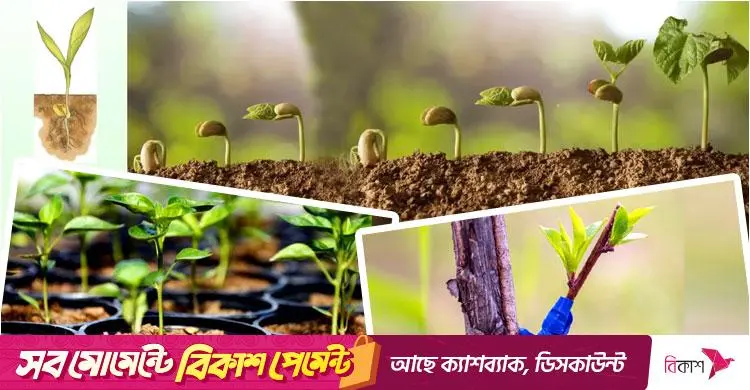
When the monsoon arrives, many people start planting trees around their homes, in fields and on pond banks. A common question comes up at planting time: is it better to raise a tree from seed, or to plant a grafted sapling?
Growing from seed
Raising a tree from seed is the most natural method. With proper care and suitable weather, a small seed slowly grows into a large tree. The special feature of a seed-grown tree is that its roots go deep into the soil and spread in all directions, so the tree is strong and long-lived. But it takes longer to fruit: for many fruit trees the wait can be four to six years. For those who want long-lasting, strong trees, the seed method is ideal.
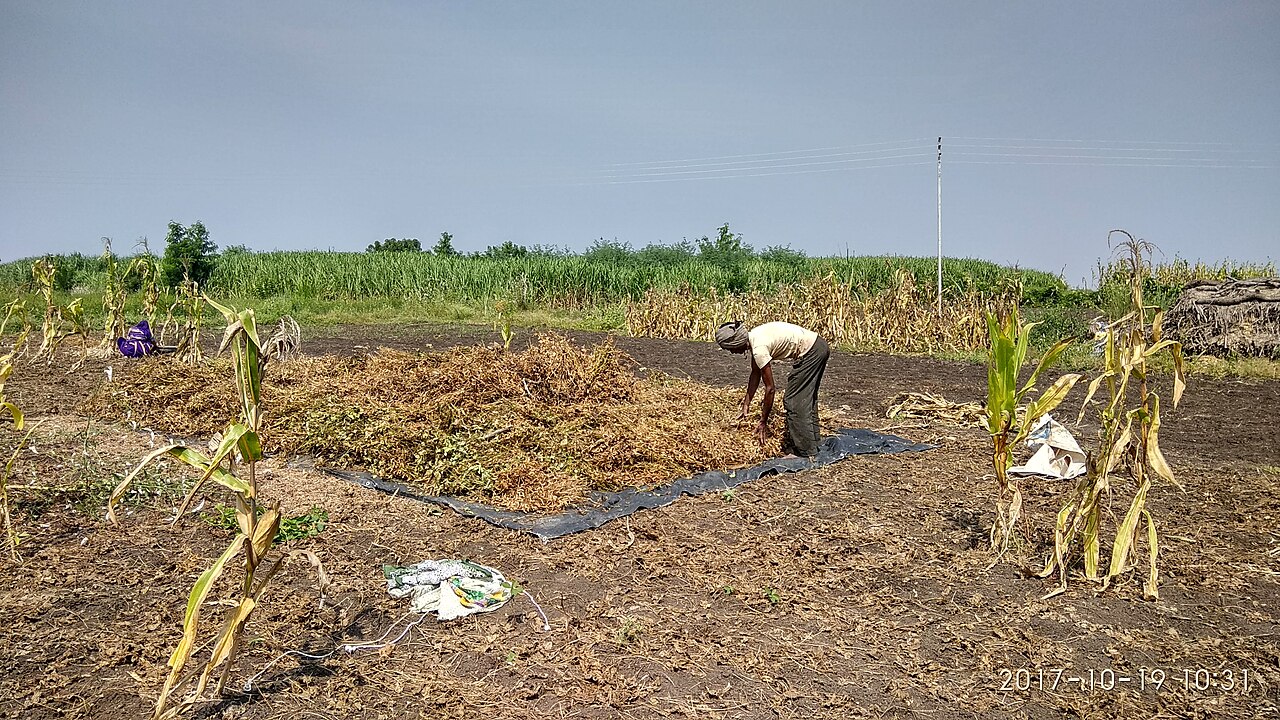
According to the Agricultural Information Service (AIS), good seed should be of a high-quality variety and free of mixtures, weeds and the seeds of other crops. It must be free of disease and pests. Germination should be above 80 per cent, and moisture should be no more than 12 per cent for rice and wheat and within 10 per cent for other crops. The seeds should be uniform in size and shape, clean, mature and viable.
Grafted saplings
A grafted sapling, on the other hand, starts fruiting quickly, because it is produced to match the qualities of the mother tree, so its yield is also reliable. The monsoon is a very favourable time to plant grafts, as the soil moisture and weather help the roots spread fast. However, the roots of grafted trees are comparatively shallow, which sometimes makes them vulnerable in disasters. Choosing a suitable graft is therefore important.
Citing the Agricultural Information Service, agriculturist Dr Md Jahangir Alam said: "At the very start of any planting work, an ideal fruit sapling or graft must be selected. An ideal sapling has a thick, short stem and balanced root growth. Saplings of the right age that are disease-free, fresh and healthy should be collected, from a trusted government or private nursery."
Which to choose
There are some basic differences between the two. A seed-grown tree is sturdier and more resistant to storms and drought but takes longer to fruit, while a grafted tree fruits early but may be at risk in storms or heavy rain. So a goal should be set before planting a garden: grafts are better for a quick harvest, and seedlings for a long-lasting tree.
The monsoon is the best time to plant because the soil stays wet and little extra irrigation is needed. Seeds germinate easily in rainwater and the roots of grafted saplings settle well. Waterlogging must be avoided, however, as it can rot seeds or damage saplings. Seed or graft, the answer depends on need and care.
Source: Jagonews24. First published in Bengali on The Agro News.
Comments
(0)