
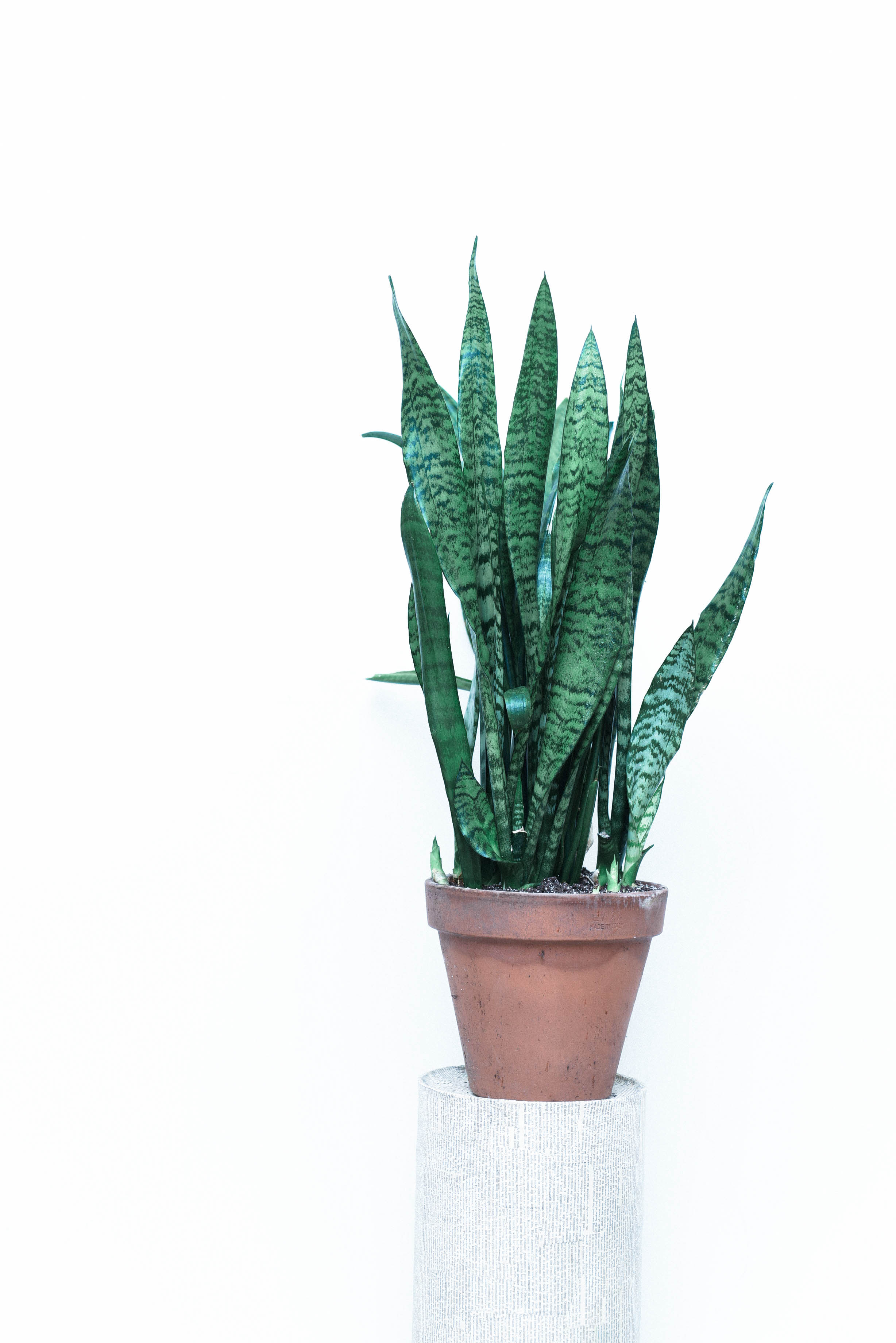
A sweets and bakery chain in Dhaka launched a campaign in May 2026 to hand out about 3,000 indoor plants to its customers, Jagonews24 reported on 14 May 2026. Customers who bought a cake at ten selected outlets of the chain, Mithai, received a potted indoor plant as a gift. The company said the campaign was meant to raise awareness of environmental protection and healthy living and to bring more greenery into city homes, at a time when Dhaka's air ranked among the most polluted in the world.
How the campaign worked
According to the report, the plants were not a free public distribution: they came with the purchase of a cake at designated outlets. Ten outlets in the capital took part, including those in Dhanmondi, Mirpur, Uttara, Badda and Niketan. The company said the aim was to help keep the air inside homes clean and to increase the presence of greenery in urban life.
The company's deputy brand manager, Masum Billah, said the campaign had started recently and that 500 indoor plants had already been handed out by the time of the report. He said it would run until 30 June, and that the target for that period was about 3,000 plants.
The report did not name the plant species being given away, where they were grown or how they had been raised, and it carried no comment from anyone outside the company. Details of the campaign were posted on the company's own Facebook page.
What the company said about the city's air
The company's head of marketing, Anisul Islam, linked the campaign to air pollution. He said air pollution was one of the biggest challenges of city life and that, according to a recent report by IQAir, Dhaka was one of the most polluted cities in the world. In that situation, he said, indoor plants could play an effective role in improving the quality of air inside the home, and the initiative was meant to build social awareness and encourage an environmentally friendly way of life.
His statement made two claims that can be checked against what had been published by May 2026: that Dhaka's air was among the worst in the world, and that indoor plants improve the air inside a home. The first is borne out by the monitoring data of the time. The second is a long-running popular belief that environmental agencies and researchers had examined, with results set out further below.
Dhaka's air in the reports of 2025 and 2026
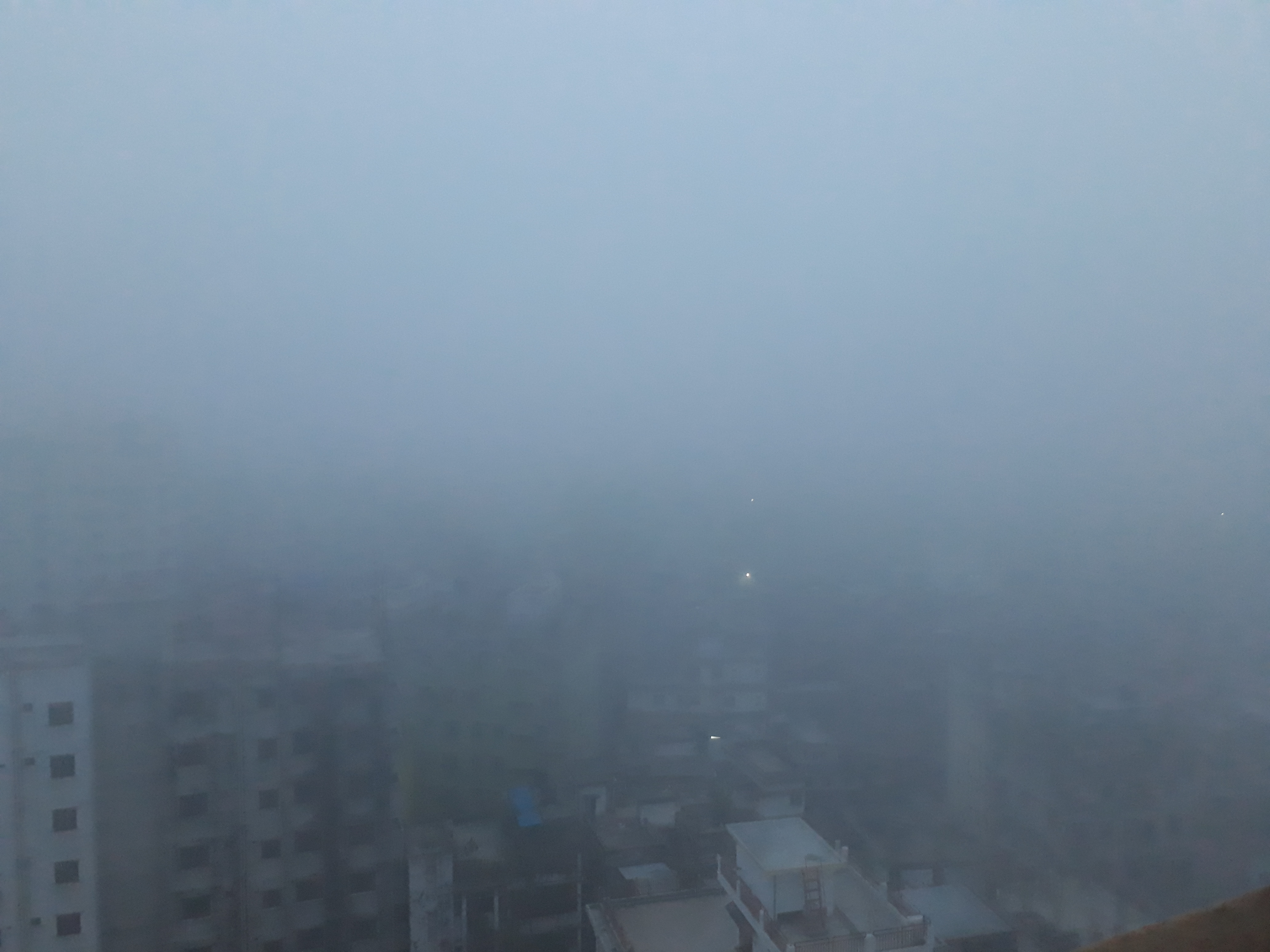
IQAir, a Swiss air quality monitoring company, released its 2025 World Air Quality Report on 24 March 2026. As bdnews24.com and Al Jazeera reported that day, Bangladesh ranked as the second most polluted country in the world in 2025, the same position it had held in 2024, with an annual average concentration of fine particulate matter, known as PM2.5, of 66.1 micrograms per cubic metre. Pakistan ranked first at 67.3 and Tajikistan third at 57.3. Bangladesh's level was more than 13 times the World Health Organization's annual guideline of 5 micrograms per cubic metre.
The report singled out Dhaka among capitals with especially severe pollution in 2025: along with Dushanbe and Delhi, it had at least two months in which PM2.5 exceeded 100 micrograms per cubic metre. bdnews24.com listed the main sources behind Bangladesh's pollution as industrial and vehicle emissions, brick kilns, construction dust and seasonal crop burning.
Worldwide, IQAir drew on data from 9,446 cities in 143 countries, regions and territories. It found that 130 of the 143 exceeded the WHO annual guideline and that only 14 percent of cities met it in 2025, down from 17 percent a year earlier. The company's chief executive, Frank Hammes, described air quality as a fragile asset that needs protection, bdnews24.com reported.
The previous edition, released on 11 March 2025, had also placed Bangladesh second, with an annual average of 78 micrograms per cubic metre, behind Chad at 91.8. The Dhaka Tribune reported that the 2024 report named Dhaka the third most polluted capital in the world, with an average PM2.5 level of 78 micrograms per cubic metre.
What polluted air does to health
The World Health Organization describes PM2.5 as particles 2.5 microns or smaller in diameter, capable of penetrating deep into the lungs and even entering the bloodstream, mainly causing cardiovascular and respiratory effects. In its global air quality guidelines released on 22 September 2021, WHO lowered almost all of its recommended levels compared with those of 2005.
WHO's fact sheet on outdoor air quality, dated 24 October 2024, says the combined effects of outdoor and household air pollution are associated with 6.7 million premature deaths a year. Outdoor air pollution alone caused an estimated 4.2 million premature deaths worldwide in 2019, and in that year 99 percent of the world's population lived in places where WHO guideline levels were not met. Of the deaths from outdoor pollution, about 68 percent were due to ischaemic heart disease and stroke, 14 percent to chronic obstructive pulmonary disease, 14 percent to acute lower respiratory infections and 4 percent to lung cancer.
For Bangladesh, a detailed national study was the World Bank's report "Breathing Heavy: New Evidence on Air Pollution and Health in Bangladesh", released in Dhaka in December 2022. It found that at sites in Dhaka with major construction and constant traffic, average PM2.5 levels were about 150 percent above the WHO guideline, roughly the equivalent of smoking 1.7 cigarettes a day. Near brick kilns in Greater Dhaka the level was about 136 percent above the guideline, and even Sylhet, the cleanest division, was about 80 percent above it. The bank estimated that air pollution caused between 78,145 and 88,229 deaths in Bangladesh in 2019 and cost the equivalent of 3.9 to 4.4 percent of the country's GDP that year.
The same report associated each 1 percent rise in PM2.5 above the WHO guideline with a 12.8 percent higher probability of breathing difficulties, a 12.5 percent higher probability of wet cough and an 8.1 percent higher risk of lower respiratory tract infection, as well as a 20 percent higher probability of depression. It named children under five, older people and people with conditions such as diabetes or heart or lung disease as the most vulnerable, and recommended better air quality monitoring, early warning systems and screening of communities in pollution hotspots for persistent coughs and breathing difficulties.
Indoor air: where the pollution comes from and what helps
The United States Environmental Protection Agency (EPA) describes indoor air quality as the quality of the air within and around buildings, especially as it relates to the health and comfort of the people inside. It names indoor sources that release gases or particles as the main cause of indoor air problems, together with inadequate ventilation, which lets pollutants build up; high temperature and humidity can also raise the levels of some pollutants. The sources it lists include fuel-burning appliances, tobacco, building materials and furnishings, cleaning and personal care products, excess moisture, and outdoor air pollution that enters the home.
In its guidance on improving indoor air, the EPA sets out three basic strategies: source control, improved ventilation, and air cleaners. Source control, which means eliminating individual sources of pollution or reducing their emissions, is described as usually the most effective way to improve indoor air quality, and often a more cost-efficient one than increasing ventilation. Ventilation means bringing in more outdoor air through windows, doors and exhaust fans, particularly during short activities that produce a lot of pollution, such as cooking or painting. The agency cautions that this needs careful thought where there are strong pollution sources outdoors. Air cleaners vary widely in effectiveness, table-top models are generally much less effective, and most are not designed to remove gaseous pollutants.
Cooking is the largest indoor source for much of the world. WHO's fact sheet on household air pollution, dated 16 December 2025, says about 2.1 billion people cook over open fires or inefficient stoves fuelled by wood, crop waste, charcoal, coal, dung or kerosene, and that household air pollution caused an estimated 2.9 million deaths in 2021, including more than 309,000 children under five. It is linked to stroke, ischaemic heart disease, chronic obstructive pulmonary disease, lung cancer and pneumonia in children. In poorly ventilated homes, fine particle levels indoors can be about 100 times higher than acceptable levels, and women and children, who usually do the cooking and gather the fuel, carry the heaviest exposure.
WHO recognises solar power, electricity, biogas, liquefied petroleum gas, natural gas, alcohol fuels and biomass stoves that meet its emission targets as clean options for the home, and advises against kerosene and unprocessed coal. It lists better ventilation and housing design among the ways to reduce exposure.
Can indoor plants clean the air?
The popular idea that houseplants purify indoor air traces largely to a NASA study, "Interior Landscape Plants for Indoor Air Pollution Abatement" by B. C. Wolverton, Anne Johnson and Keith Bounds, published on 15 September 1989. It evaluated the leaves, roots and soil of plants and their associated microorganisms as a possible means of reducing indoor air pollutants, and proposed an air filter that combined plants with an activated carbon bed through which large volumes of air would be moved.
Later researchers asked how far such results apply to an ordinary building. In a review published online in the Journal of Exposure Science and Environmental Epidemiology on 6 November 2019, under the title "Potted plants do not improve indoor air quality", B. E. Cummings and M. S. Waring noted that plants had shown an ability to remove volatile organic compounds in small, sealed chambers over many hours or days. They examined 12 published chamber studies and converted 196 experimental results into clean air delivery rates, the measure used to rate air cleaners.
The median single plant had a clean air delivery rate of 0.023 cubic metres per hour. On that basis, the authors calculated, a building would need 10 to 1,000 plants per square metre of floor space for potted plants to remove these compounds as fast as the ordinary exchange of air between outdoors and indoors already does in typical buildings. They suggested that research should turn instead to how plants take up such compounds, to other biofiltration technologies, and to the well-being and productivity benefits of plants.
The EPA reached a similar view. Its guidance on improving indoor air says there has been publicity suggesting that houseplants reduce levels of some chemicals in laboratory experiments, but that there is currently no evidence that a reasonable number of houseplants remove significant quantities of pollutants in homes and offices. It adds that indoor plants should not be over-watered, because overly damp soil may promote the growth of microorganisms that can affect people with allergies.
Measured against these findings, the company's statement that indoor plants could play an effective role in improving the quality of indoor air is not supported where the removal of pollutants is concerned. On the agencies' advice, controlling sources such as cooking smoke and tobacco, and ventilating well, matter far more.
Plants and well-being
There is research on the other side of the question that Cummings and Waring pointed to. A randomised crossover study by M. S. Lee and colleagues, published in the Journal of Physiological Anthropology on 28 April 2015, compared 24 young men while they transplanted an indoor plant and while they worked on a computer task. After transplanting, the participants reported feeling more comfortable, soothed and natural than after the computer task.
Their sympathetic nervous activity, measured through heart rate variability, rose over time during the computer task but fell by the end of the transplanting task, and their diastolic blood pressure was significantly lower after working with the plant. The authors concluded that active interaction with indoor plants can reduce physiological and psychological stress compared with mental work. The study involved 24 young men and tested the act of tending a plant, not the effect of a plant on the air of a room.
Looking after an indoor plant
A plant taken home from a shop needs the right place and care to survive. The University of Illinois Extension names light, temperature, humidity and water as the key factors for plant growth and advises matching a plant's needs to the indoor setting. Most plants do best in bright light, though some tolerate moderate or low light. Outdoor sunlight can reach about 10,000 to 12,000 foot-candles, while light indoors is much weaker.
The Extension's guide, written for the northern hemisphere, describes low light, about 75 foot-candles, as a spot a few feet from a north window, 3 to 10 feet from an east or west window, or 15 to 20 feet from a south window. Medium light, about 150 foot-candles, is found directly in front of a north window, a few feet from an east or west window, or 3 to 10 feet from a south window. Bright light, about 300 foot-candles, is directly in front of an east or west window or up to 5 feet from a south window, and direct light, about 1,500 foot-candles, is directly in front of a south window.
Among the plants it lists as managing with low light are the Chinese evergreen, parlor palm, Boston fern, heart-leaf philodendron, snake plant and peace lily. Plants needing at least medium light include pothos, spider plant, dracaena, rubber plant, dumb cane, prayer plant, peperomia and anthurium. Where light is poor, the Extension says supplementing with artificial light for 14 to 16 hours a day is sufficient, but not more than 16 hours, because plants need a rest period.
On watering, the Extension advises testing the soil with a finger to a depth of two inches and watering if it is dry, according to the plant's need and not the calendar. Wilting can mean a plant needs water, but it can also be a sign of overwatering. Its guidance on watering includes:
- Soak the soil thoroughly from the top, let the excess drain into the saucer, then empty the saucer; never leave the pot standing in water.
- Alternatively, set the pot in a few inches of water and remove it once moisture has risen to the top of the soil.
- Use water at room temperature, not cold water, and avoid softened water; letting water stand for at least 24 hours allows chlorine and fluoride to dissipate.
- Expect unglazed clay pots to need water more often than plastic ones, because clay is porous.
Some plants need repotting every year while others can stay in the same pot for many years. The Extension lists the signs: roots growing through the drainage holes or showing on the surface, soil mostly filled with roots, new leaves smaller than normal, and wilting between normal waterings. Repotting is best done while the plant is actively growing. The plant is removed gently, circling roots are cut or unwound, a crust of white salts on the soil is scraped away, and the plant is set at its old depth in fresh potting mix and watered at once.
When something goes wrong, the Extension traces leaf drop to sudden changes in temperature or light, transplanting shock, overwatering or lack of light; brown leaf tips to improper watering, cold drafts, insect attack or excess fertilizer; loss of normal leaf colour to overwatering, lack of fertilizer, insect attack or improper light; and spotted leaves to overwatering, burning from direct sun, or disease.
Some common houseplants are harmful if eaten
Several widely sold houseplants can cause injury if a child or adult chews them. MedlinePlus, the health information service of the US National Library of Medicine, describes dieffenbachia, also called dumb cane, as a houseplant with large, colourful leaves whose poisonous ingredients are oxalic acid and asparagine. Eating it or being exposed to its leaves, stalk or root can cause blisters, burning and swelling in the mouth and throat that may prevent normal speaking and swallowing, along with increased saliva, hoarseness, nausea, vomiting and diarrhoea; contact with the eyes can cause redness, pain, swelling and possible damage to the cornea.
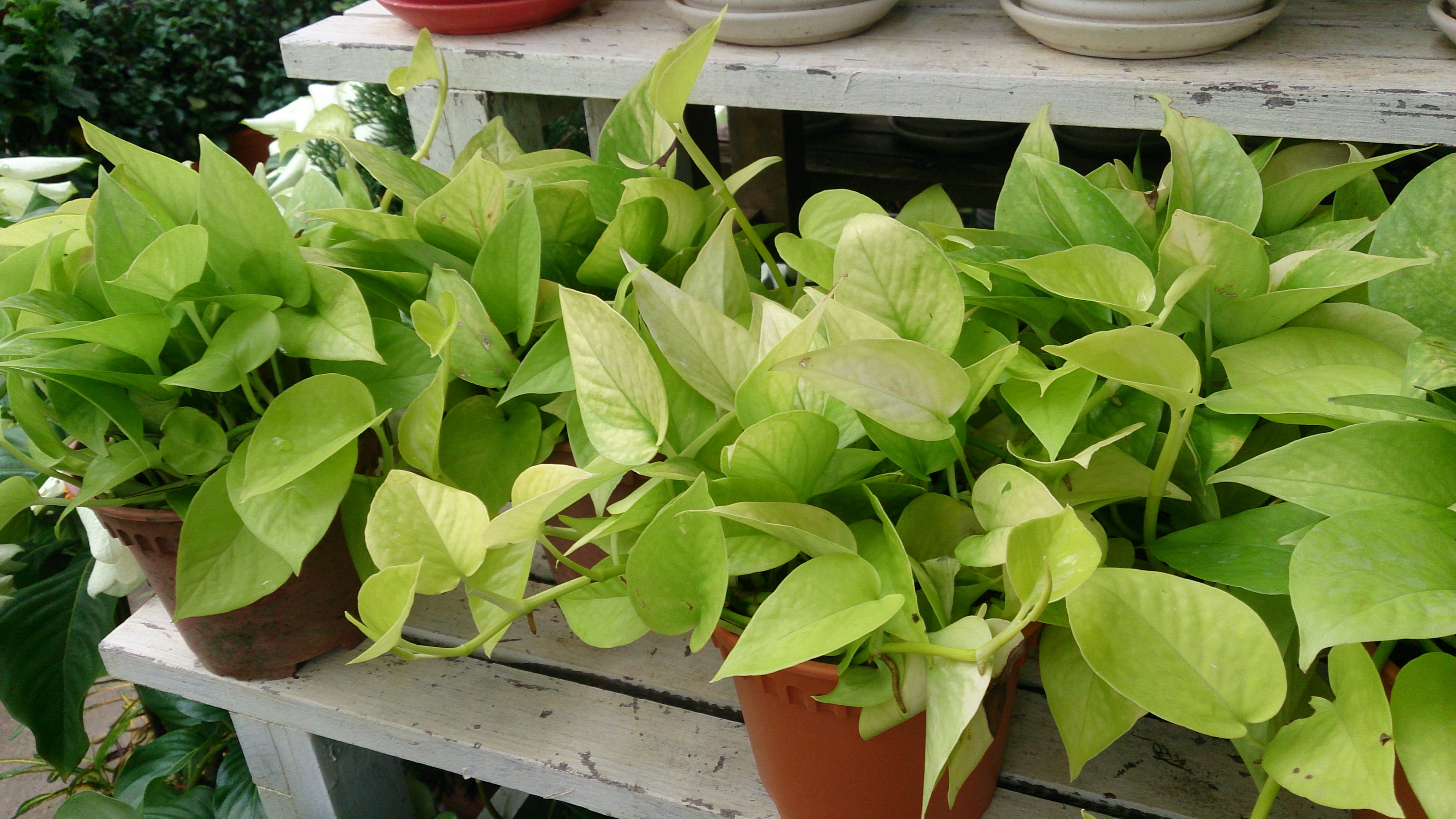
MedlinePlus says philodendron contains calcium oxalate and causes similar symptoms. For both plants it advises wiping out the mouth with a cold, wet cloth, rinsing the eyes and skin well if they touched the plant, and seeking medical help; the person should not be made to vomit unless a poison control service or a health care provider says so. Mild mouth contact usually clears within a few days, but in rare cases the swelling is severe enough to block the airways. In any case of suspected poisoning, readers should take the person to a doctor or the nearest hospital, ideally with the plant.
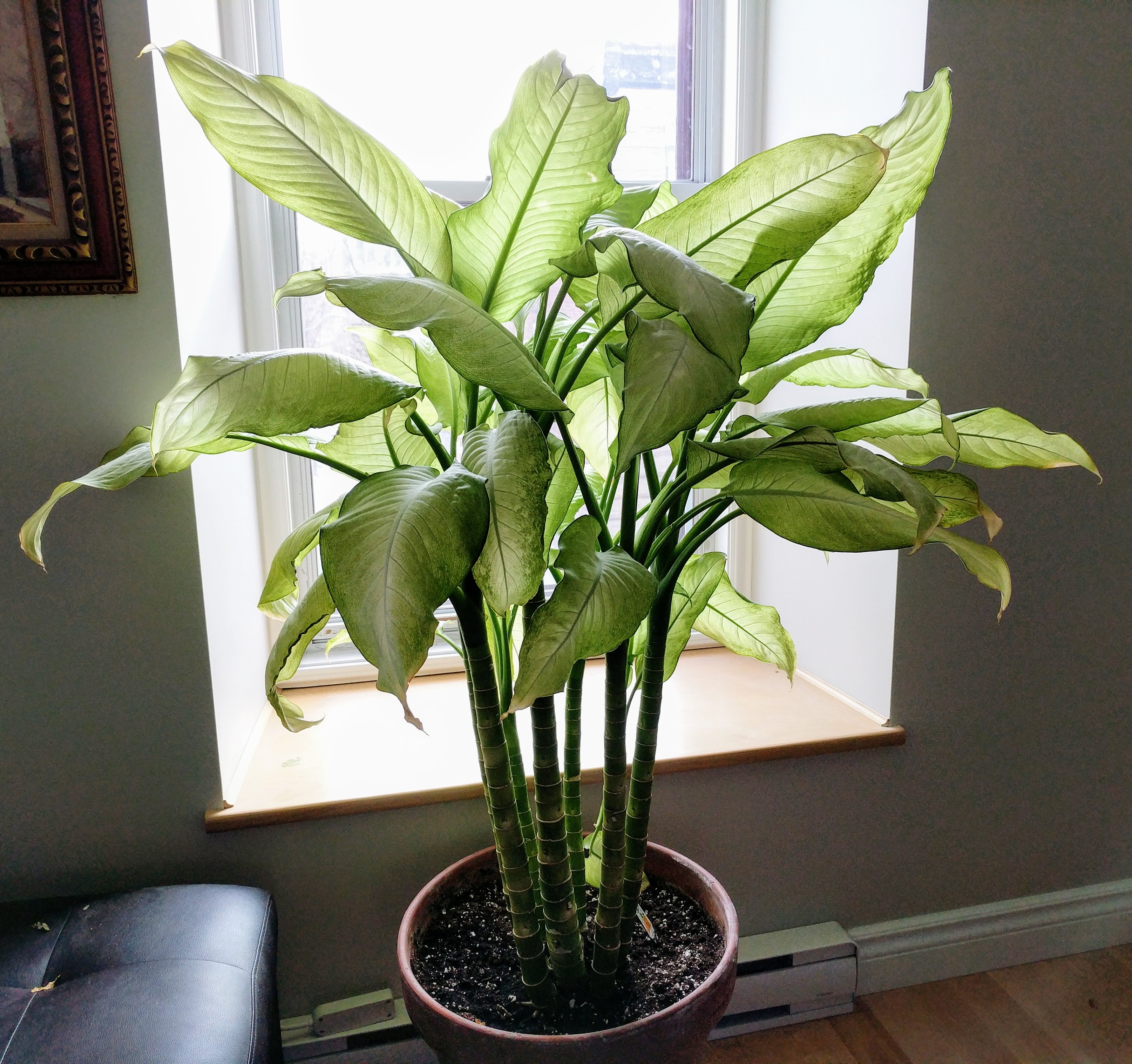
Photo: Karl Thomas Moore / Wikimedia Commons (CC BY-SA 4.0)
Sources: Jagonews24, bdnews24.com, Al Jazeera, Dhaka Tribune, IQAir (2024 and 2025 World Air Quality Reports, as reported), World Health Organization, World Bank, United States Environmental Protection Agency, NASA Technical Reports Server, Journal of Exposure Science and Environmental Epidemiology, Journal of Physiological Anthropology, University of Illinois Extension, MedlinePlus (US National Library of Medicine)

Comments
(0)