
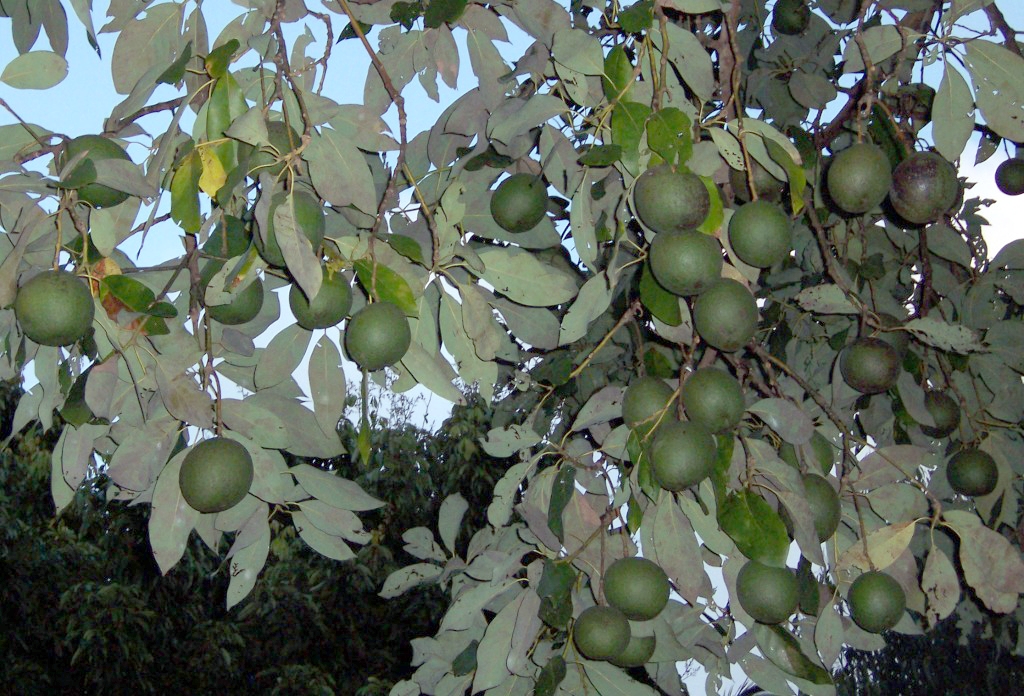
Avocado trees on a hill farm in Mirsarai upazila of Chattogram bore a better crop in 2025 than in earlier years, Jagonews24 reported on 4 September 2025. The orchard belongs to Md Omar Sharif, a young farm entrepreneur and tree enthusiast, who told the paper's Mirsarai correspondent, M Main Uddin, that he was selling the fruit at Tk 800 a kilogram and intended to expand his avocado plantation considerably in the coming years.
According to the report, Omar Sharif had brought ten avocado seedlings from Indonesia and planted them at his farm, Johra Agro Farms and Nursery. With regular care, he said, the trees began to bear fruit within two years, and by early September 2025 he had harvested a little more than 500 kg. The report presented his orchard as the first successful avocado cultivation in Mirsarai and the wider Chattogram region; the upazila agriculture officer confirmed that he was the first in the upazila to succeed with the crop.
What the grower and the agriculture office said
Omar Sharif told Jagonews24 that the results had encouraged other people to start growing avocado. "If entrepreneurs spread the cultivation of foreign fruit in the country, it will help meet nutritional needs on one hand and create new sources of income for farmers on the other," he said. "I am selling avocado at Tk 800 a kg. Most of it sells online."
He also said that the seedlings he had planted were transplantable seedlings of a Mexican variety, which he expected to help meet local demand at a reasonable cost. The report gives both details side by side: the seedlings were bought in Indonesia, while the variety, in the grower's description, is Mexican. The two need not conflict, because avocado varieties are grouped by botanical race rather than by the country a seedling comes from, as explained further below. The report did not name a cultivar.
Each fruit, the report said, weighs about 400 to 800 grams, with smooth, butter-like flesh and a mildly sweet taste. It described avocado being eaten raw or ripe, as a vegetable, in salads, in sandwiches or on toast, and said demand for the fruit in the domestic market was growing year by year.
Mirsarai upazila agriculture officer Pratap Chandra Roy described Omar Sharif as an enthusiast farm entrepreneur. "He is the first in the upazila to grow avocado successfully. The fruit in his orchard is large," he told the paper. He added that the grower had also planted peach, Thai sapodilla and various local and foreign fruits, and called the initiative an example for young entrepreneurs.
Besides avocado, the September 2025 report listed kiwi (named in the report as miyamota), blueberry, blackberry, malta, lemon, orange and coffee among the plants on the farm. Omar Sharif told the paper that he also planned to sell avocado seedlings brought from Thailand.
Three seasons of fruit, reported since 2023
The September 2025 story was not the first about this orchard. Jagonews24 ran a report headlined "Omar Sharif succeeds in avocado farming in Mirsarai" on 1 August 2023, and the same correspondent returned to the farm in September 2024.
In the report published on 15 September 2024, Omar Sharif said he had planted ten avocado seedlings collected from Indonesia a few years earlier and that some of the trees had started bearing in 2022. Fruit was then hanging in clusters on the hillside trees and was due to be picked within days, but he said the crop was smaller than in the previous year because of a hailstorm. He was already selling avocado seedlings collected from Thailand at his nursery. The upazila agriculture officer, Pratap Chandra Roy, told the paper at that time that he had not yet visited the orchard and intended to go and see it.
The 2024 report described the avocado as similar in shape to a guava or a pear, with a large oval seed inside, and listed a wide range of other trees on the farm: mango varieties including Miyazaki and Alphonso, cinnamon, clove, pulasan, rambutan, apple, tamarind, Thai sapodilla, several kinds of malta, Chinese and Darjeeling oranges, China-3 litchi, latkan, and Vietnamese and Sri Lankan coconut.
Read together, the reports describe trees that first fruited in 2022, a crop reduced by hail in 2024 and a better crop in 2025, when the grower put his total harvest so far at a little over 500 kg. Neither report gives the date on which the seedlings were planted, so the statement that the trees fruited within two years rests on the grower's account.
Mirsarai: hills, rivers and farms
Mirsarai is the northernmost upazila of Chattogram district. Banglapedia, the national encyclopaedia published by the Asiatic Society of Bangladesh, gives its area as 482.88 square kilometres. It is bounded by the Indian state of Tripura and Chhagalnaiya and Feni Sadar upazilas on the north, Sitakunda upazila and the Bay of Bengal on the south, Fatikchhari upazila on the east, and Sonagazi and Companiganj upazilas on the west. The Feni is its main river, and the Sandwip Channel and the Isakhali, Mahamaya, Domkhali, Hinguli and Mayani canals are its notable water bodies.
Banglapedia lists a population of 398,716 and gives agriculture as the largest single source of household income, at 38.93 per cent. The main crops it names are paddy, pulses, potato, brinjal, vegetables and bamboo, and the main fruits mango, blackberry, jackfruit, banana, papaya, litchi, pineapple and watermelon. Avocado does not appear on that list, a measure of how new the crop is to the area. Bamboo, fish, paddy, potato, banana and vegetables are listed as the upazila's main exports to other areas.
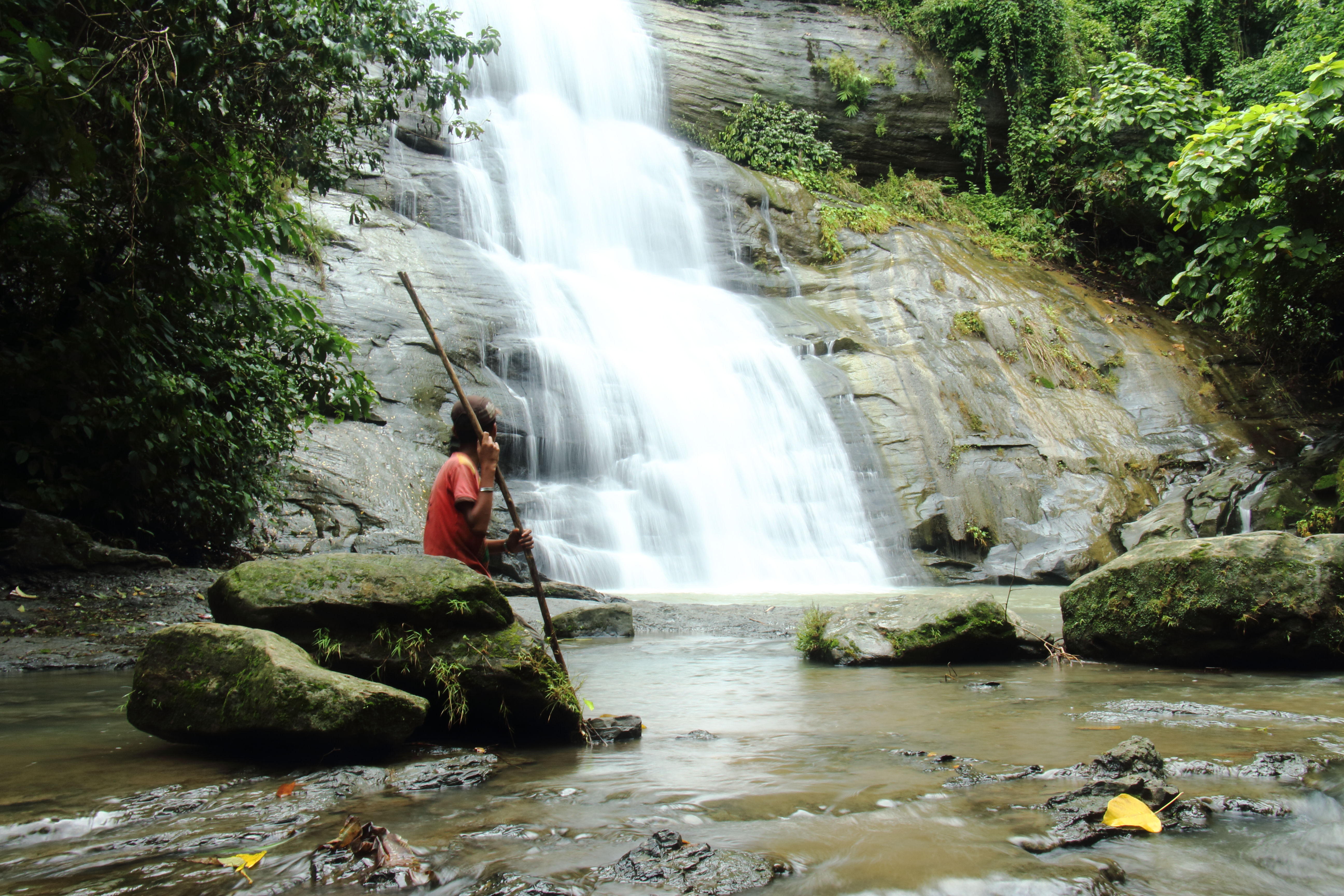
Part of the upazila is hilly and forested, and Banglapedia names the Karerhat Forest Range and the Muhuri Project among its attractions. For Chattogram district as a whole, it records an annual average maximum temperature of 33.8°C, a minimum of 14.5°C and total annual rainfall of 3,194 mm, a wet climate in which drainage becomes a central question for any tree crop that dislikes waterlogging.
What an avocado is
The avocado (Persea americana) is an evergreen tree native to tropical America. The University of Florida's Institute of Food and Agricultural Sciences (UF/IFAS), whose extension guide on avocado growing is widely used, says the tree has been cultivated in tropical America since pre-Columbian times and grows into a medium to large tree of about 9 to almost 20 metres. Some varieties shed their leaves briefly before and during flowering.
The fruit is botanically a berry with a single large seed surrounded by buttery pulp. Its skin can be thin or thick, smooth or rough, and its colour at maturity may be green, black, purple or reddish, depending on the variety. Reference works put the usual weight of an avocado between 100 and 1,000 grams, so the 400 to 800 grams reported from Mirsarai lies within the normal range.
Unusually among fruits, the avocado does not generally ripen while it is on the tree. It matures there and softens after it is picked or falls. UF/IFAS says a mature fruit ripens in 3 to 8 days after picking, and suggests that home growers test whether a crop is ready by picking one large fruit and leaving it at room temperature: if it softens properly, the crop is mature; if it shrivels or turns rubbery, it was picked too early. Because mature fruit can be left hanging, a tree can be picked over a period, although fruit left too long eventually drops.
The crop travelled from the Americas long ago. Histories of the avocado record that it was introduced to Spain in 1601 and to Indonesia around 1750, and the UF/IFAS guide names Indonesia among the countries that grow it commercially, alongside Mexico, Brazil, the Dominican Republic, Australia, Israel, Chile and Spain. FAO statistics for 2023 put world avocado production at 10.47 million tonnes. Mexico led with 2.97 million tonnes, followed by Colombia, the Dominican Republic and Peru, with Indonesia fifth at 0.87 million tonnes.
Mexican, Guatemalan and West Indian types
Growers group avocado varieties into three races named after where they originated: Mexican, Guatemalan and West Indian. UF/IFAS explains that West Indian avocados come from the tropical lowlands of southern Mexico and Central America, while the Guatemalan and Mexican types come from mid-altitude highlands in Guatemala and Mexico. Many commercial varieties are hybrids between races and have characteristics that fall between those of their parents.
The races differ in how they cope with climate. According to the UF/IFAS guide, West Indian and some hybrid varieties are best adapted to a lowland tropical climate, while Mexican varieties are more cold-tolerant and "not well-adapted to lowland tropical conditions". Guatemalan and Mexican hybrids are generally more cold-tolerant than West Indian and Guatemalan hybrids.
This is why a description such as "Indonesian seedlings of a Mexican variety" cannot by itself tell a farmer how a tree will perform. The country where a seedling was bought says nothing about its race, and the race is only a broad guide; the named cultivar, which the report did not give, is what determines fruit size, season and climate fit. Farmers who want to try the crop can ask their upazila agriculture office or a Department of Agricultural Extension (DAE) horticulture centre which planting material has been tested locally.
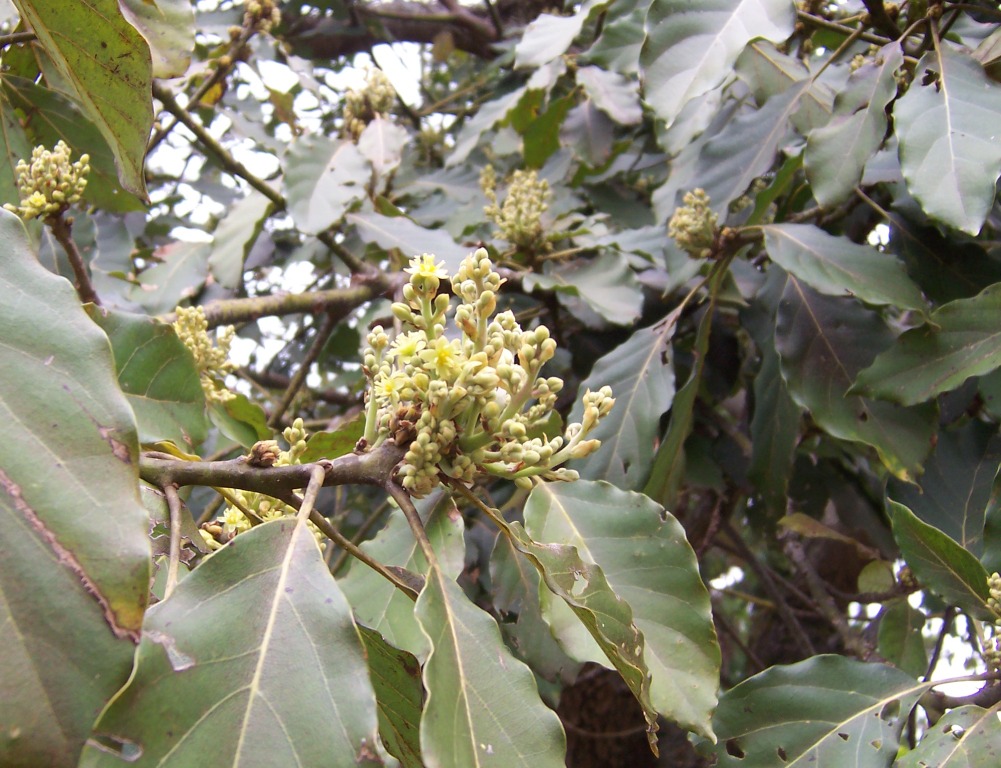
Flowering adds a further complication. Avocado flowers are bisexual, but their female and male parts function at different times of the day, and varieties are classed as A or B types according to that timing. UF/IFAS notes that some varieties set fruit well when planted alone, while others do better with a variety of the other type flowering nearby, and that bees and wasps carry out cross-pollination. Fewer than 1 per cent of the flowers on an avocado tree go on to produce fruit, and some varieties bear a heavy crop only every other year, a habit the guide says is less marked in trees that are regularly fertilised and watered.
How the tree is grown
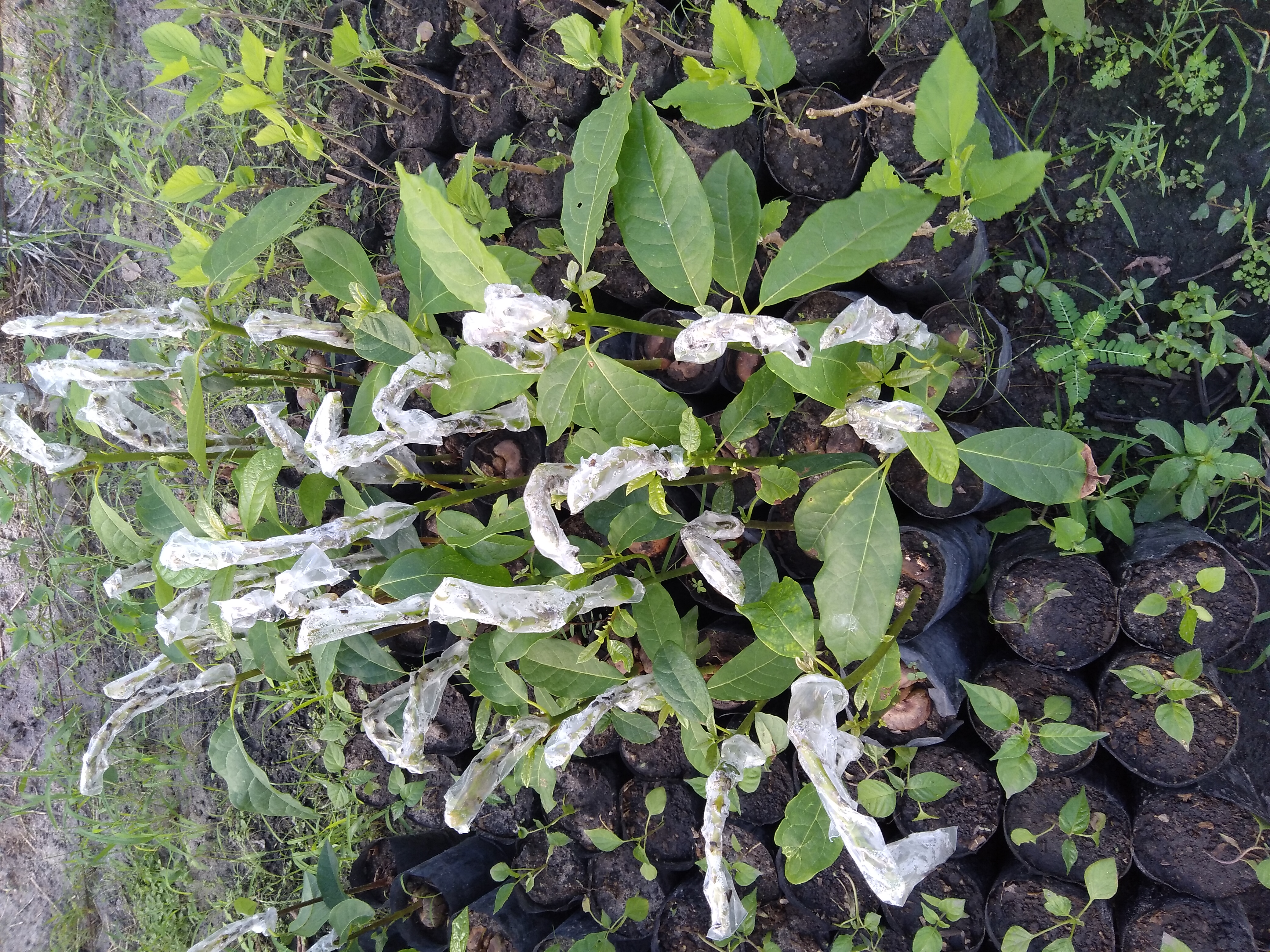
Most avocado varieties do not come true from seed: a seed will not reproduce its parent variety. Nurseries therefore propagate them by grafting a shoot of the chosen variety on to a young seedling used as rootstock, and cleft grafting is the preferred method in Florida, according to UF/IFAS. Grafted trees there begin to produce after 3 to 4 years. Trees raised from seed take roughly four to six years to bear and sometimes as long as ten.
In Bangladesh, Dr Mehedi Masud, then director of the DAE's project on year-round fruit production for nutrition improvement, told Jagonews24 in July 2022 that grafted avocado seedlings generally fruit after five years and those grown from seed after eight.
Drainage is the most important site requirement. The UF/IFAS guide says avocado trees do not tolerate flooding or poorly drained soils, although they adapt to many well-drained soil types. Continuously wet or flooded conditions reduce growth and yield, cause nutrient deficiencies and dieback and can kill trees, and in such conditions the roots are highly susceptible to infection by Phytophthora fungi. The guide calls avocado root rot, caused by Phytophthora cinnamomi, the most serious disease in most avocado-producing areas of the world. Where waterlogging is possible, it recommends planting on a raised mound of native soil.
The guide's other basic advice is to plant in full sun, well away from buildings and other trees, and to water young trees regularly during dry spells. It warns that avocado limbs are easily broken by strong winds or heavy crop loads and recommends pruning mature trees to a manageable height, which also reduces storm damage. Its pest and disease list for Florida includes scale insects, mites, thrips, scab, anthracnose and powdery mildew. Its fertiliser schedules are written for Florida soils; growers in Bangladesh should take fertiliser and plant-protection advice from their upazila agriculture officer.
Yields vary widely with variety and management. UF/IFAS says mature trees in Florida average about 50 to 75 kg of fruit a year, and FAO material on Australian production gives commercial orchards an average of about seven tonnes per hectare, with some reaching 20 tonnes.
Avocado in Bangladesh before 2025
Avocado had been on the list of promising foreign fruits for several years before the Mirsarai report. In August 2021, BBC Bangla named it among seven foreign fruits with commercial potential in Bangladesh, alongside dragon fruit, strawberry, malta, rambutan, rockmelon and longan. The report said efforts were under way to grow avocado in the country, that it was popular worldwide for its good-quality fats, and that it fruited once a year, in July and August.
The same BBC report quoted Dr Babul Chandra Sarker, chief scientific officer of the fruit division at the Bangladesh Agricultural Research Institute's (BARI) Horticulture Research Centre, as saying that the domestic market is well supplied with fruit from May to July, after which supply falls, which is why attention had turned to tropical fruits grown in other regions. Dr Mehedi Masud of the DAE fruit project told the BBC that sales of fruit seedlings and grafts under the project had risen from Tk 3 crore in 2019-20 to about Tk 5.4 crore in 2020-21, and that highly educated young people were increasingly interested in farming.
In July 2022, Jagonews24 reported from the DAE's Madaripur Horticulture Centre, where three avocado trees had set more than a hundred fruit; the largest tree, which had been bearing for several years, gave about fifty mature fruit that season. Dr Mehedi Masud said the project had brought avocado seedlings from Vietnam and Thailand and supplied them to every horticulture centre, where they had borne fruit and were being multiplied. The centre's deputy director, S M Salahuddin, said avocado sold for Tk 800 a kg in some parts of Dhaka, and the report said imported fruit was being sold in several markets at Tk 800 to 1,200 a kg.
By mid-2025, farmers in the south-west were also growing it. Bangladesh Sangbad Sangstha (BSS) reported on 30 June 2025 that, according to the DAE district office, avocado was being grown on 2 hectares in Jhenaidah in the 2024-25 season. Shahinur Rahman, a farm entrepreneur in Chachra village of Kaliganj upazila, told BSS he had brought avocado seedlings from Thailand in 2019 through an agriculture officer, planted them on three bighas and got his first fruit about five years later. He said avocado sold for Tk 500 to 600 a kg in local markets, while traders from Dhaka and Chattogram paid an average of Tk 800 a kg. Sasthi Chandra Roy, deputy director of the DAE in Jhenaidah, told BSS that rising cultivation of foreign fruit would reduce dependence on imports.
The Tk 800 a kg that Omar Sharif reported in Mirsarai in September 2025 is in line with the prices quoted from Dhaka in 2022 and from Jhenaidah in mid-2025.
Nutrition, and a correction
The September 2025 report said avocado has little sugar, which made it very good for people with diabetes, and that it contains no saturated fat. Food composition data from the United States Department of Agriculture (USDA) allow both points to be checked. Per 100 grams of raw avocado, the USDA lists 670 kJ (160 kcal) of energy, 14.66 g of fat, 8.53 g of carbohydrate including 6.7 g of dietary fibre, only 0.66 g of sugars, 2 g of protein and 485 mg of potassium; about 73 per cent of the flesh is water.
The sugar content is indeed low. The statement that avocado has no saturated fat, however, is not correct: of the 14.66 g of fat in 100 grams, 2.13 g is saturated, 9.80 g monounsaturated and 1.82 g polyunsaturated, and saturated fat makes up about 14 per cent of the total. Most of the fat is monounsaturated, mainly oleic acid. UF/IFAS describes avocado as a good source of potassium and a moderate source of vitamin A, and notes that the fruit contains no cholesterol.
About three-quarters of the fruit's energy comes from its fat. Whether and how much avocado suits a particular diet is a question for a doctor or a registered dietitian, and people with diabetes or other health conditions should seek that advice before changing what they eat.
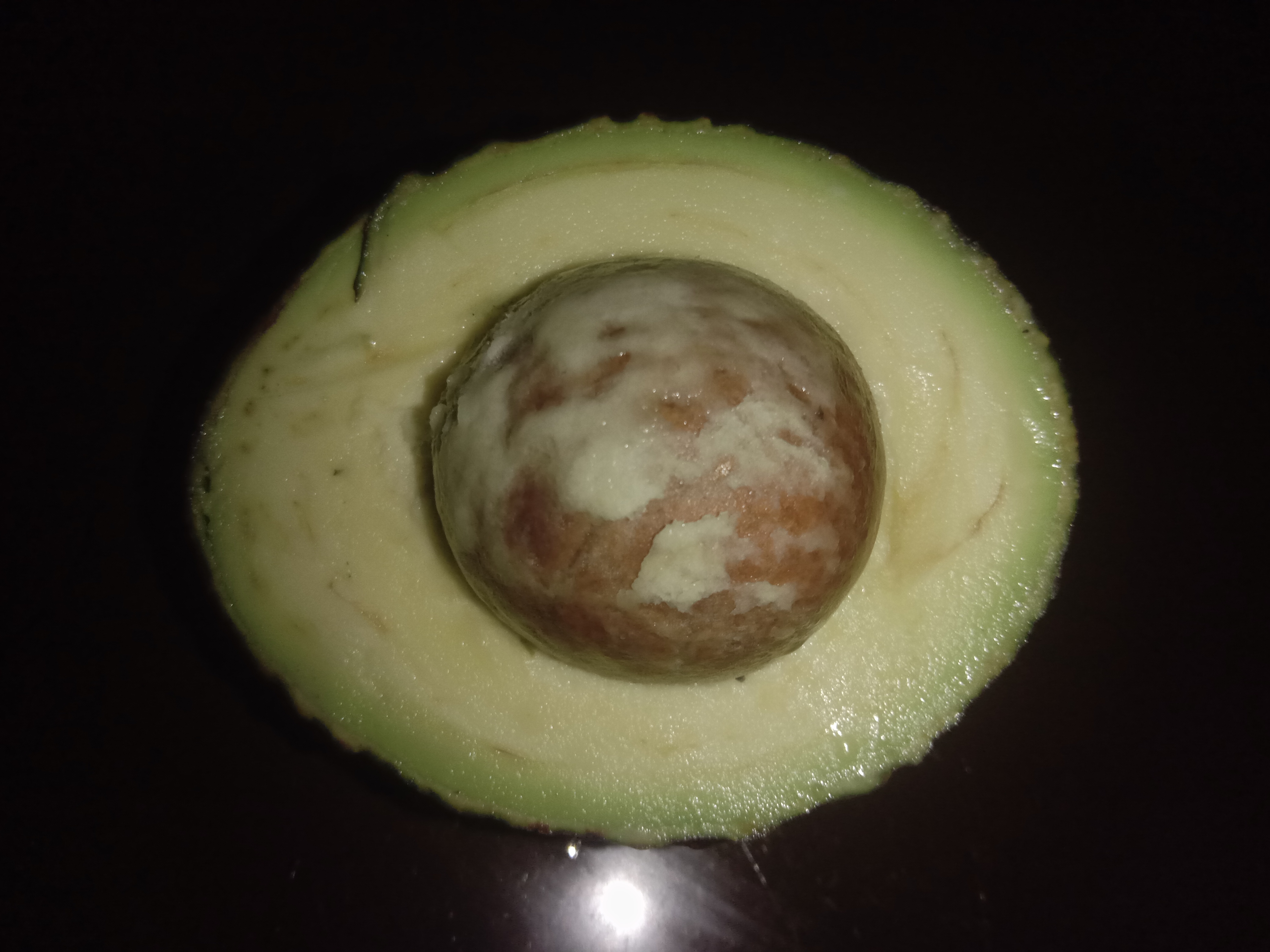
Photo: B.navez / Wikimedia Commons (CC BY-SA 3.0)
Sources: Jagonews24 (4 September 2025; 15 September 2024; 1 August 2023; 11 July 2022), BBC Bangla (17 August 2021), Bangladesh Sangbad Sangstha (30 June 2025), Banglapedia (Asiatic Society of Bangladesh), University of Florida IFAS Extension, FAOSTAT (Food and Agriculture Organization of the United Nations), USDA FoodData Central
Comments
(0)