
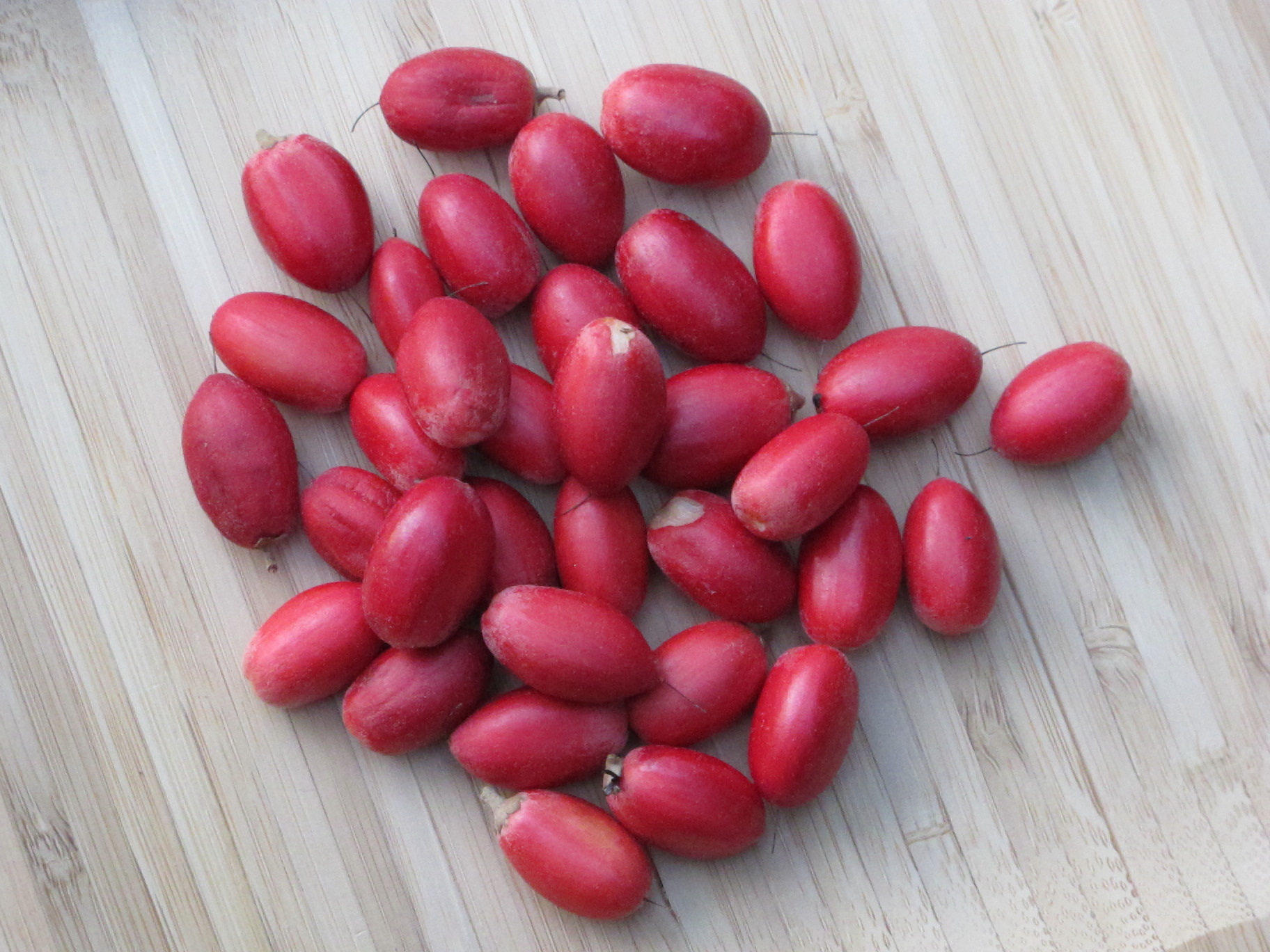
On 9 May 2026 Jagonews24 published a guide to growing the miracle berry, a West African fruit, in Bangladesh. For a while after the berry is eaten, sour food tastes sweet, and that odd quality has made the fruit known around the world. The report said the fruit can be grown in Bangladesh and was becoming popular in hobby and rooftop gardens.
What the miracle berry is
The miracle berry, Synsepalum dulcificum, is an evergreen shrub of the Sapotaceae family. According to a September 2022 publication of the University of Florida's Institute of Food and Agricultural Sciences (UF/IFAS), it is native to West African countries from Ghana to the Congo. The bush can grow several metres tall but is usually pruned compact to make picking easier. Its bright red fruit is about 2 cm long, and the white pulp around the large seed holds a protein called miraculin.
Miraculin acts on the taste receptors of the tongue for a time and makes sour, acidic food taste sweet. UF/IFAS's gardening pages say the effect lasts between 15 minutes and an hour. The berry itself is not especially flavourful and has a low sugar content.
The Florida researchers caution that many of the studies on miraculin's health effects used small samples or did not measure effects in people, so the fruit should not be treated as a cure for any disease. Anyone with diabetes or another health condition should see a doctor before changing their diet.
Soil, light and planting
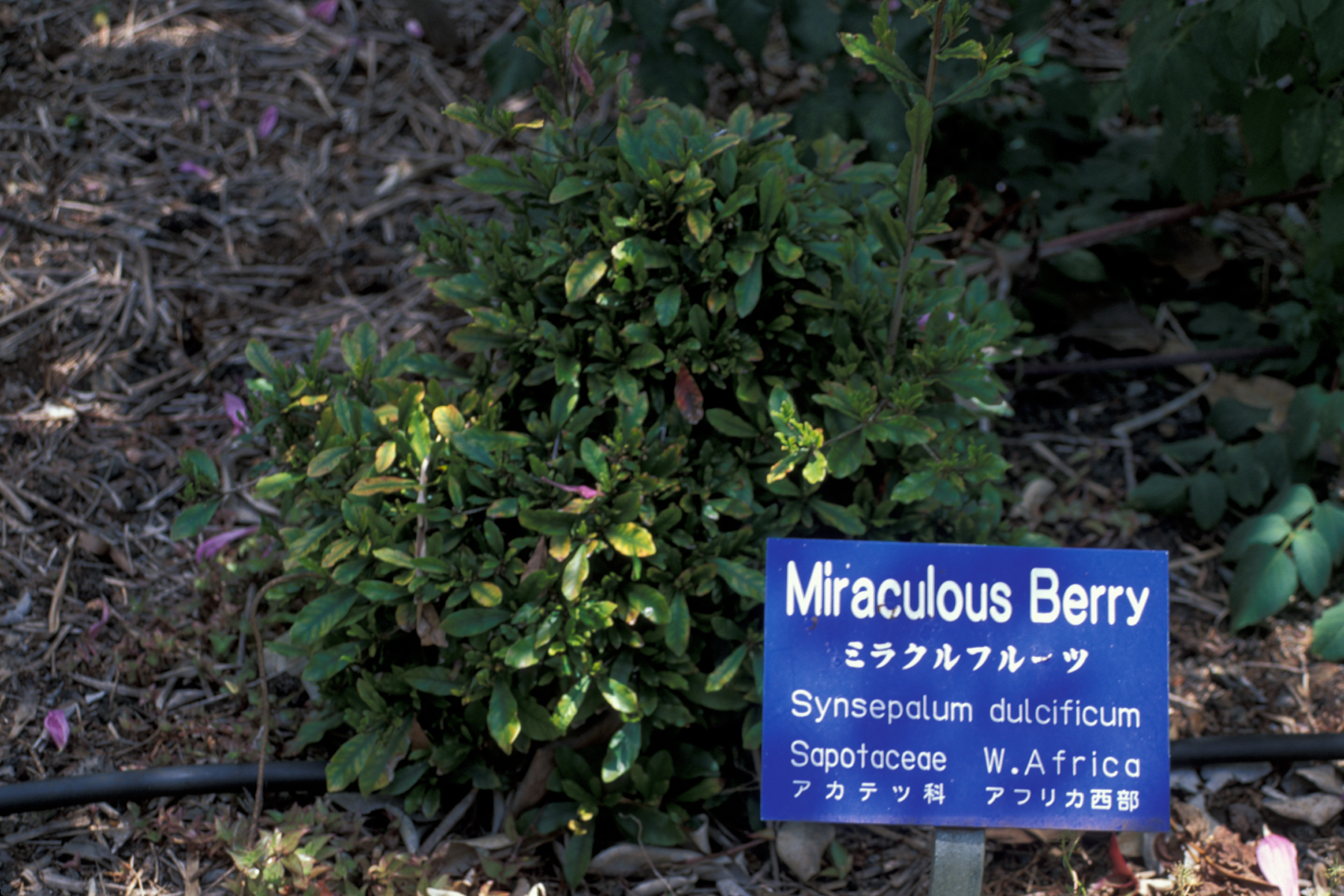
Jagonews24's guide recommended slightly acidic, well-drained loam. Wikipedia notes that the plant grows best in soil with a pH as low as 4.5 to 5.8, in partial shade and high humidity, though it also tolerates full sun. UF/IFAS says the plant does not tolerate alkaline soil, which is why commercial growers in southern Florida keep it in large pots of about 20 gallons filled with a soilless mix.
The plant can go in a pot or straight into the ground. For pots, the report advised a large container and regular watering and care, and it recommended grafted saplings for earlier fruit. UF/IFAS says plants can be raised from seed, but the seed must not dry out, because germination falls quickly after harvest; rooted cuttings also work.
Water, fertiliser, pests and disease
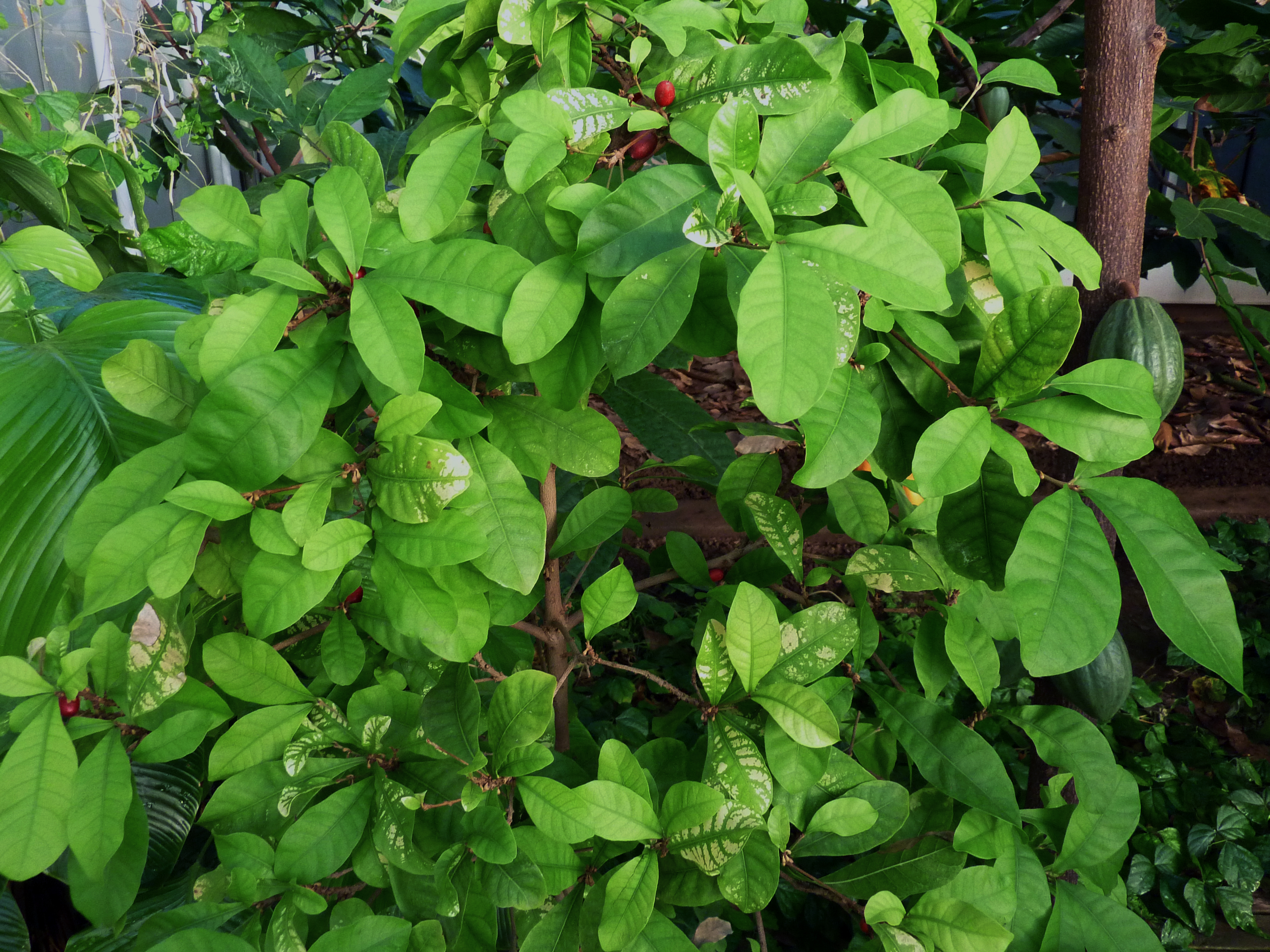
The base of the plant should never run short of water: keep the soil moist but avoid waterlogging. UF/IFAS also calls for extra irrigation in the dry season. Jagonews24 suggested organic fertiliser such as compost or vermicompost, with fertiliser containing nitrogen, phosphorus and potassium used only in very small amounts. The Florida researchers report that a regular balanced slow-release fertiliser helps growth and fruiting, but that fertiliser rates for the crop have not yet been worked out, so growers should ask their upazila agriculture office about amounts.
UF/IFAS reports no major diseases of the plant in southern Florida. The main pests there are mealybugs and mites, controlled with horticultural oils or soaps used according to the product label. Wikipedia records that in Africa the leaves are attacked by caterpillars and the fruit by fruit-fly larvae. Talk to the upazila agriculture officer before using any pesticide. UF/IFAS advises pruning once a year to make picking easier.
When the fruit comes and how to pick it
According to UF/IFAS, healthy plants start fruiting in their third year and reach their highest yields towards the fifth. Berries are picked when fully red, including the shoulder of the fruit, and can then be eaten straight away. Weekly picking is advised to avoid losses from overripe fruit. Fresh berries keep only briefly and miraculin is damaged by heat, so the fruit is preserved by freezing or freeze-drying.
The plant has already fruited in Bangladesh. In May 2025 Prothom Alo reported that in an orchard in Shahtali village, Chandpur Sadar upazila, all five miracle berry plants set out about three years earlier were bearing fruit. The report said fallen fruit could not be kept for more than 48 hours and that the berry was not easily found in markets.
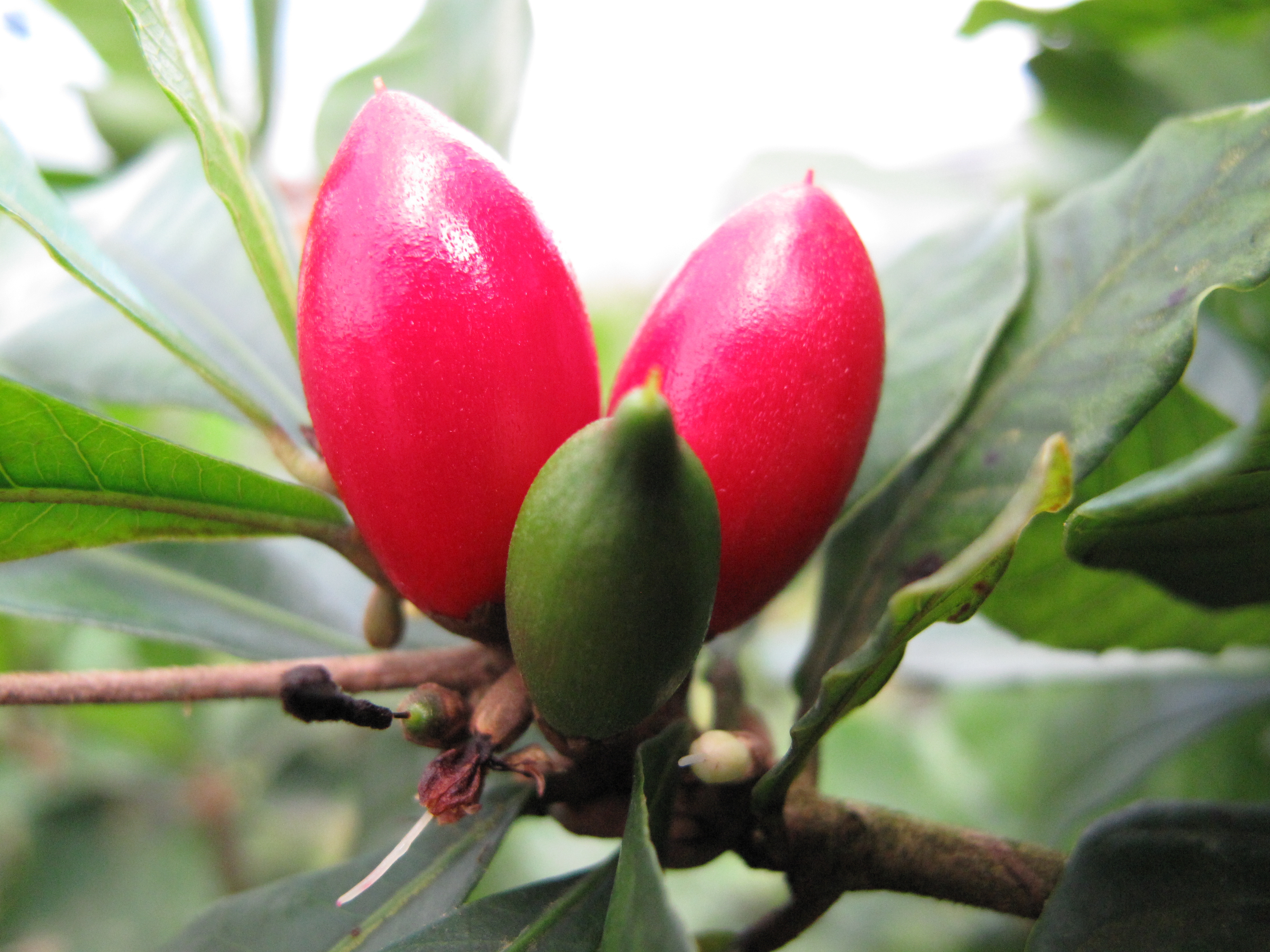
Photo: scott.zona / Wikimedia Commons (CC BY 2.0)
Sources: Jagonews24, University of Florida IFAS (EDIS publication HS1449 and Gardening Solutions), Prothom Alo, Wikipedia

Comments
(0)