
The government has taken up a long-term plan to raise the natural production of native fish and protect their breeding grounds, with fish sanctuaries being set up in haors, baors, rivers and canals and even in the sea, said Mohammad Aminur Rashid, minister for fisheries and livestock and for agriculture.
He was speaking as chief guest on Wednesday, 28 October, at a Bangladesh Fisheries Research Institute (BFRI) workshop on its annual research progress for 2025-26 and plans for 2026-27, held at the Bangladesh Agricultural Research Council (BARC) in Dhaka. Past research, he said, made the country self-sufficient in fish and greatly improved the output, quality and feed management of farmed fish. But climate change and public carelessness have pushed the breeding grounds of wild fish to the brink.
Under the direction of Prime Minister Tarique Rahman, he said, the government is moving from this year with a large budget and a long-term plan. He asked scientists to step up research on breeding native fish, improving strains and restoring lost species; to deal with the effects of climate change; to prevent disease; to ensure good-quality fingerlings; and to make use of coastal and marine fisheries.
On harmful nets, the minister said enforcing the law is not enough; people must also be made aware. He called for safe fish produced without feed containing substances harmful to people. The government wants to export plenty of fish in future, he said, but will not compromise on quality.
Special guest Sultan Salahuddin Tuku, state minister for fisheries and livestock, said the taste and quality of fish depend largely on water quality, so pollution of water bodies must be stopped, rivers and canals dredged to improve flow and waterlogging reduced.
BFRI director general Dr Md Latiful Islam chaired the workshop. Fisheries and livestock secretary Md Delwar Hossain, Bangladesh Fisheries Development Corporation chairman Md Mir Hossain, Department of Livestock Services director general Md Shahjaman Khan and BARC executive chairman Dr Md Abdus Salam also spoke. Fishers' representatives attended.
For fishers and villagers who depend on native fish from open water, the sanctuary plan matters; how quickly it works will depend on stopping harmful nets and protecting water bodies, points both ministers made. The report was filed by a Banglanews24 senior correspondent.
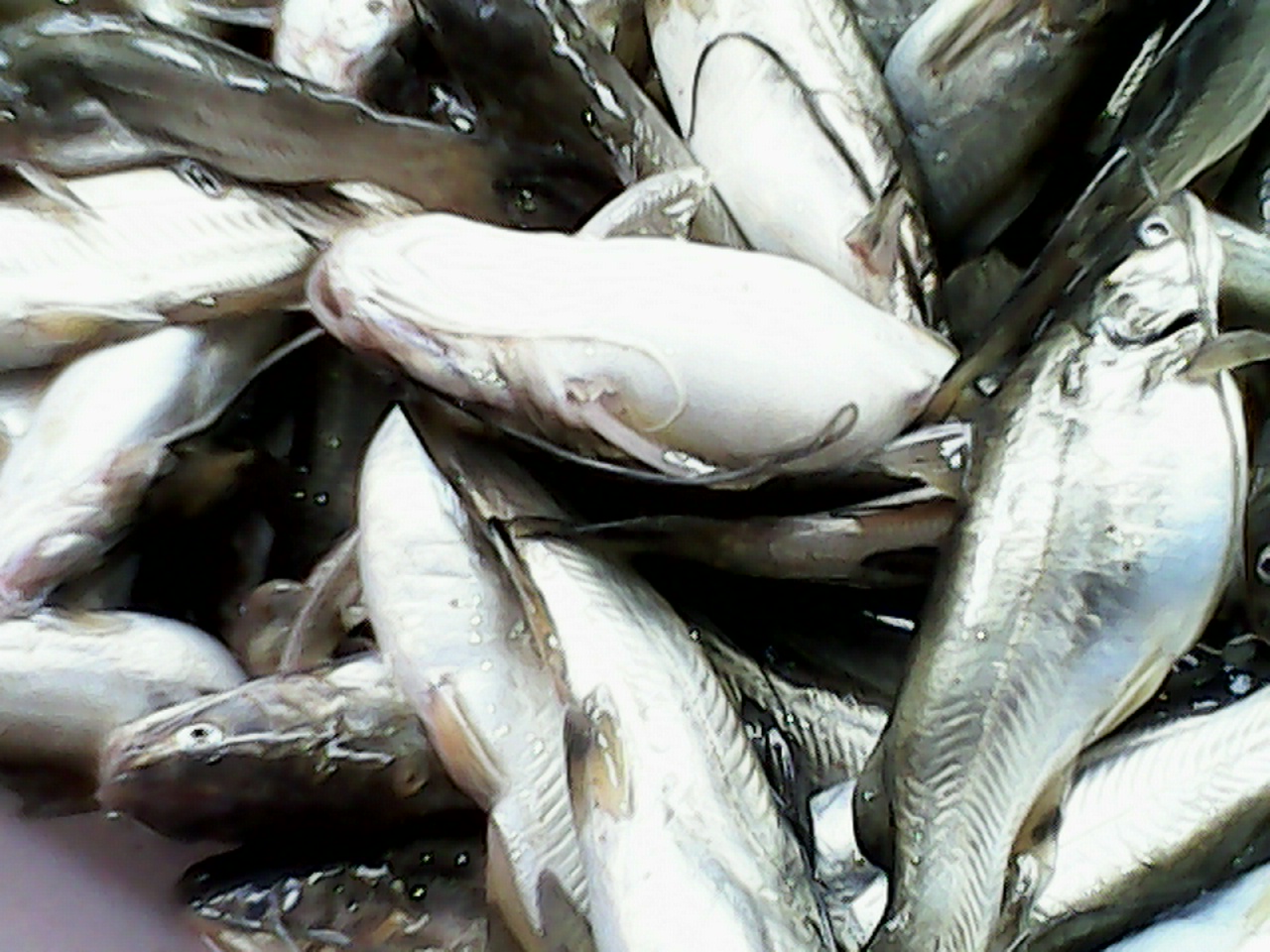
Photo: Tengra fish, Seth Freaking Noman / Wikimedia Commons (CC BY-SA 4.0)
Source: Banglanews24

Comments
(0)