
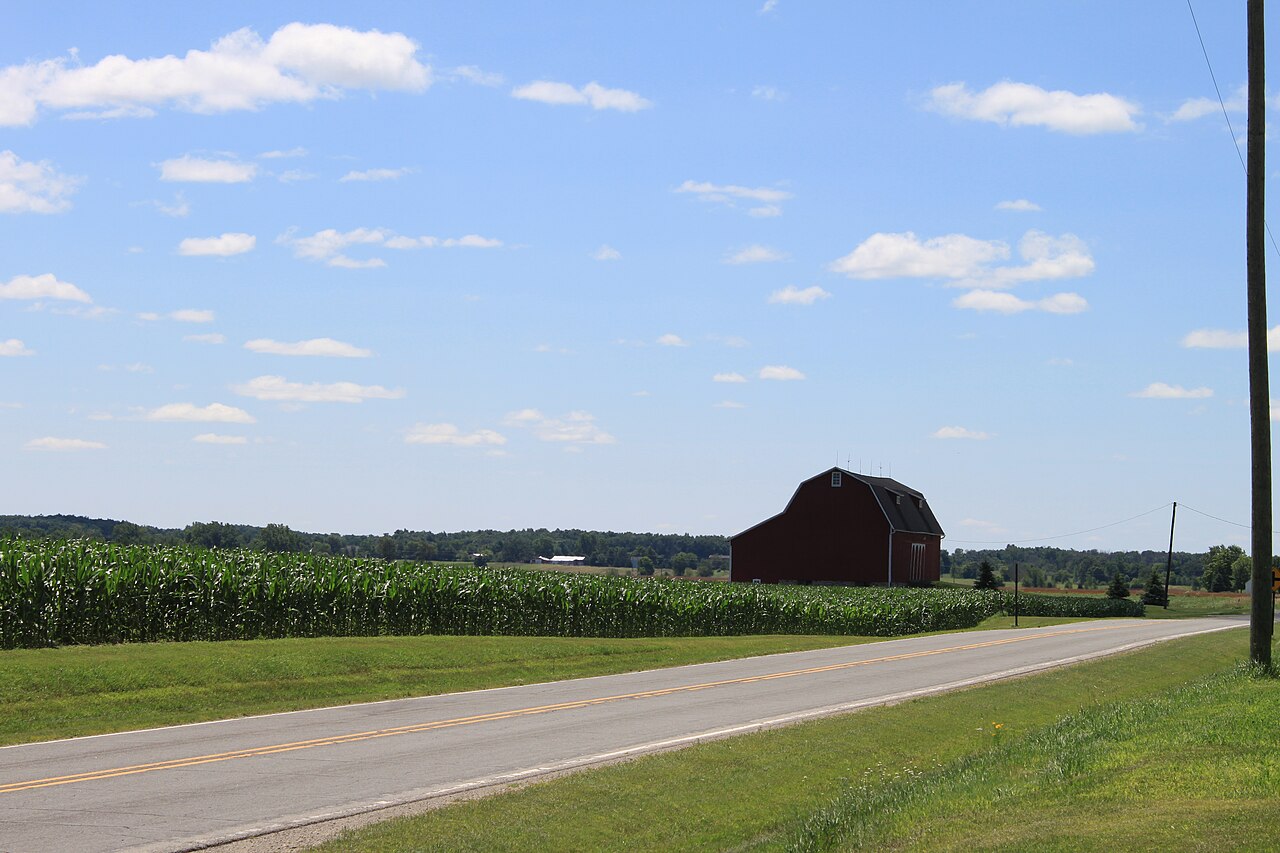
A fast-spreading corn leaf spot disease, resembling what has been described as maize white spot or Phaeosphaeria leaf spot, has been confirmed in at least 20 Michigan counties this season, up from 14 when it was first identified, with similar symptoms reported in neighbouring states. It is destroying leaf tissue and threatening yields in heavily affected fields.
"This is a pretty new disease for us," said Marty Chilvers, field crops pathologist at Michigan State University. A similar disease was reported in Florida in 1999, but laboratory tests so far isolate a phomoid fungus without enough genetic resolution to name the species. Its quarter- to half-inch bleached lesions mimic contact-herbicide drift such as paraquat injury, so early cases were mistaken for chemical burn or nutrient problems.
In severe fields the disease kills green leaf from the bottom of the canopy to the top, causing early plant shutdown and faster drydown in silage corn. With harvest under way, chemical control is no longer possible this year; the main concern is fungal inoculum overwintering on residue, as happened with tar spot a decade ago. Chilvers advised against deep ploughing, which he said would cost more in diesel than it saves, and said the focus will be on screening resistant hybrids and fungicide timing. MSU Extension is asking growers to send leaf samples from suspect fields before harvest.
Photo: Dwight Burdette / Wikimedia Commons (CC BY 3.0)
Source: Michigan Ag Today


Comments
(0)