
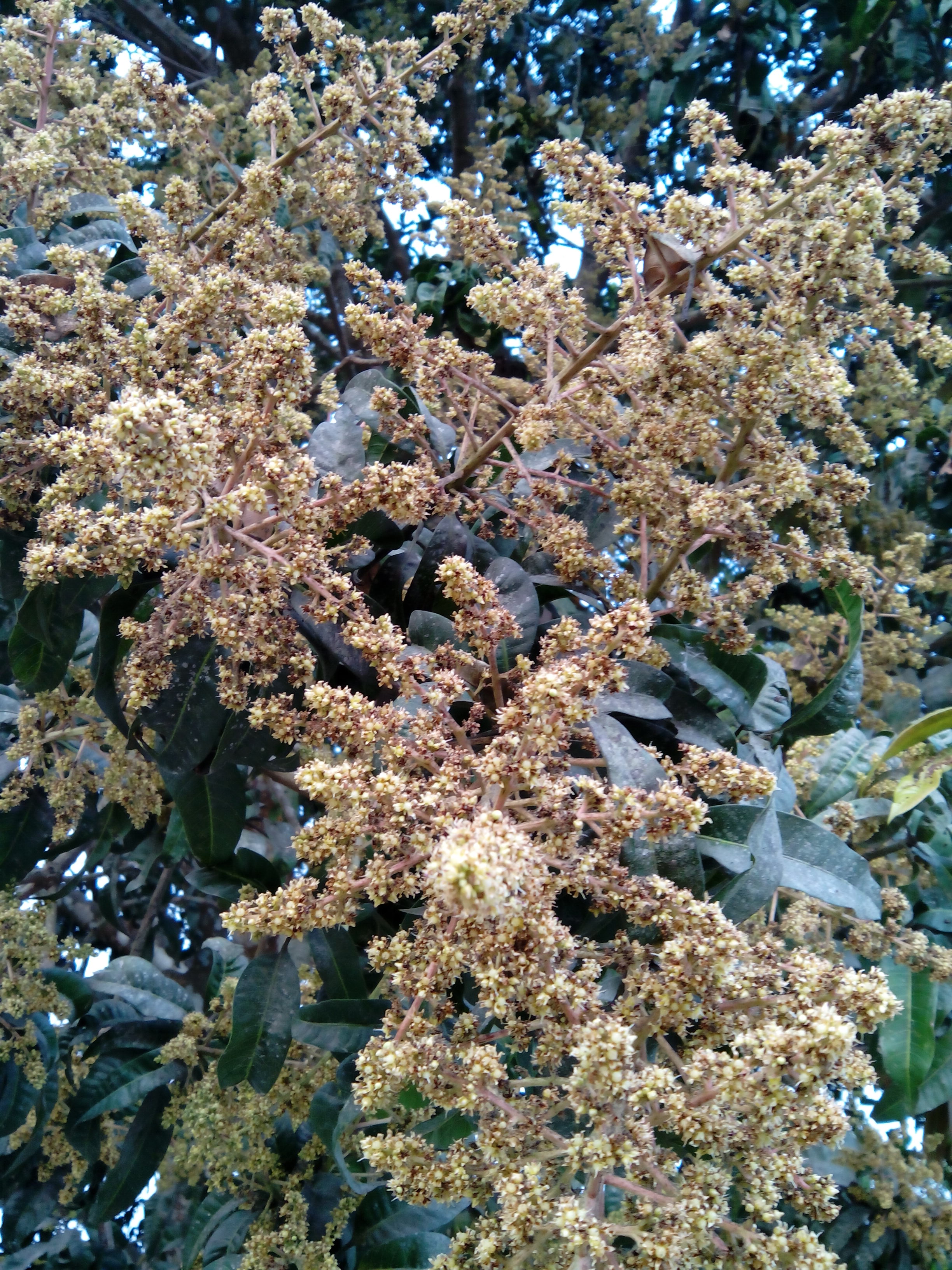
In early March 2026, mango orchards across Meherpur district in south-western Bangladesh were covered in golden blossom, and growers were expecting a bumper crop for the coming season. Jagonews24 reported on 10 March 2026 that the weather had so far been kind to the trees, but that the pleasure of a good bloom came with two worries: whether there would be any export market for Meherpur's mangoes, and whether the administration's timetable for picking the fruit would let growers harvest at the right time.
The Department of Agricultural Extension (DAE) office in Meherpur told the paper that the district had mango orchards on about 2,400 hectares that season and had set a production target of 44,000 tonnes. Its deputy director said field staff were advising growers on orchard care, that the office was working to create export opportunities, and that it would brief the ministry in detail on setting the right picking dates.
Orchards in full bloom, and a watch on the weather
Visits to orchards around the district found trees in large and small orchards alike bowed under the weight of blossom, Jagonews24 reported. Growers were busy tending their trees to protect the flowers from insect attack. They said the rate of flowering was much higher than in the previous few years and that the weather had been helpful. What worried them was the sharp swing between intense heat by day and cold at night. If all went well, they said, the blossom would set fruit within about a week, and the first mangoes of "Madhumas", the honey month of the Bengali calendar, would reach the market at the end of Baishakh.
The bloom had come late. The state news agency BSS reported from Meherpur on 3 February 2026 that the hard winter had delayed flowering that year: early seedling ("ati") trees had begun to flower in the Bengali month of Magh, while the named varieties usually flower around the middle of February and had not yet done so. Agriculture officials told BSS that blossom comes in three phases and that, with favourable weather, every tree would be in flower by the middle of Falgun. One grower told the agency that early blossom is the most likely to be damaged by fog, and that he had been caring for his trees and their flowers from the start for that reason.
Banglapedia, the national encyclopaedia, notes that mango trees in Bangladesh flower from January to March and that fog, rain or cloudy weather during flowering harms fruit set. It lists the mango hoppers as the main insect pests of the tree, along with fruit weevils, stem and shoot borers and the fruit fly, and names anthracnose, powdery mildew, sooty mould, leaf blight and die-back among its diseases. About three dozen insect pests have been recorded on mango in the country. This is why the weeks of flowering and fruit set, when the Jagonews24 report was written, are the busiest of the year in the orchards: growers spray and tend their trees to keep the blossom and the young fruit. Because the right product and dose depend on the pest, the variety and the stage of the crop, growers are advised to take that decision with their upazila agriculture officer.
Growers' complaints about the picking calendar
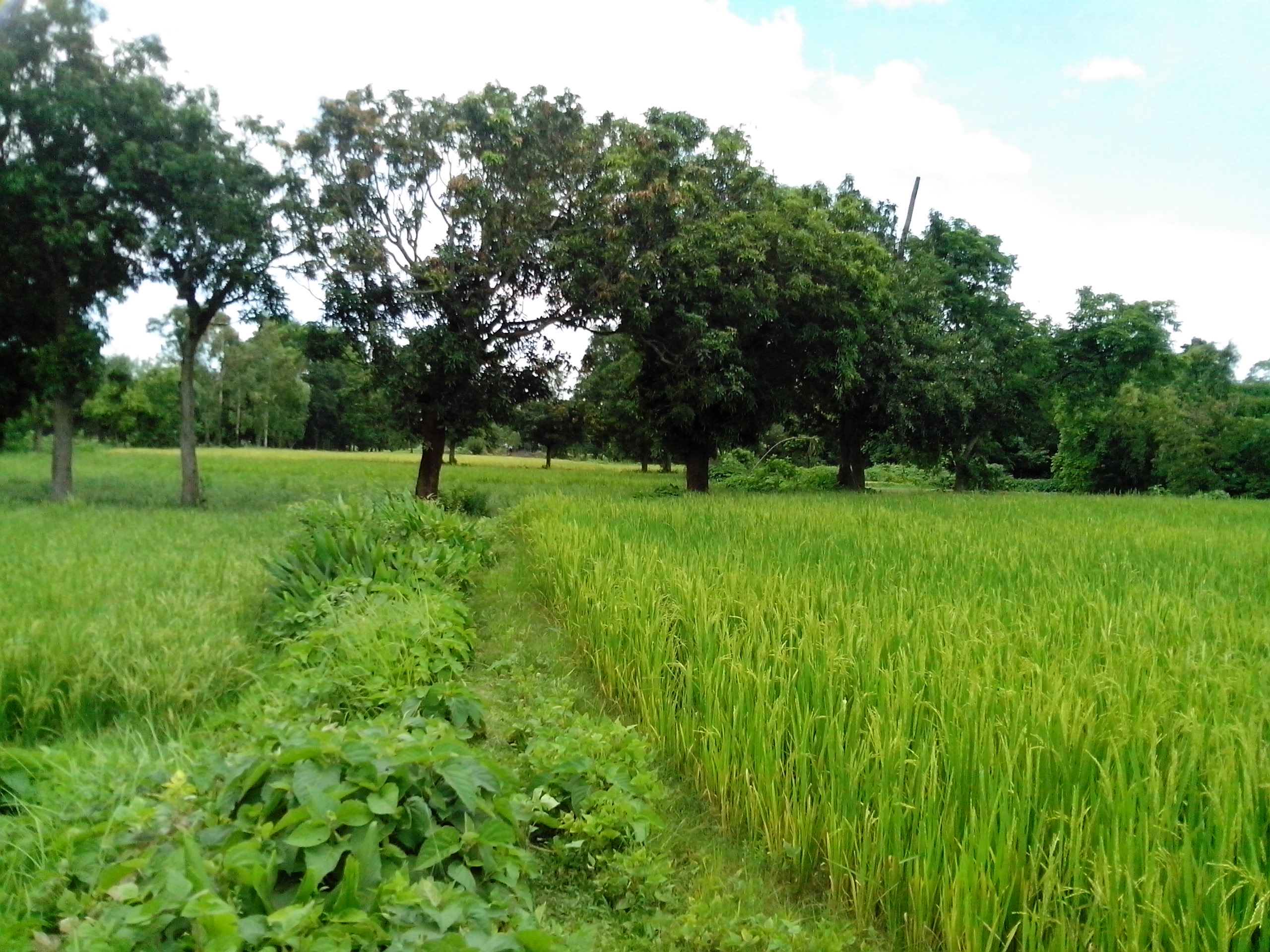
Despite the good bloom, orchard owner Sakhawat Hossain told Jagonews24 he was anxious. He complained that the fixed timetable for picking mangoes set by the administration, known as the "mango calendar", often puts growers in difficulty.
Local orchard owner Billal Hossain said: "For the past few years we haven't got permission from the administration to pick mangoes at the right time. The mangoes ripen and fall from the trees, but we can't take them to market. And because mangoes are not exported, we have to take big losses."
Mango-growing districts in Bangladesh have set such calendars for several years. The Rajshahi district administration, for example, announced its 2024 timetable on 12 May 2024 after a meeting with agricultural scientists, fruit researchers, growers and traders, and said its aim was to stop immature and adulterated mangoes reaching the market; The Daily Star's Bengali edition reported that the administration had set a calendar every year since 2015. In Meherpur the dates are fixed by the district administration with the agriculture department. For 2023, the district administration's information published by Dhaka Post on 12 May 2023 set picking from 15 May for ati and Bombai mangoes, 18 May for Gopalbhog, 25 May for Himsagar, 28 May for Langra, 5 June for Amrapali, 10 June for Mallika, 20 June for Fazli and 15 July for Biswanath, Ashwina and BARI-4. In 2024, Samakal reported, picking of ati and Bombai was again set from 15 May, Himsagar from 25 May and Amrapali from 5 June.
The complaint in Jagonews24 was not new. In the same Dhaka Post report of May 2023, mango retailers in Meherpur said picking had not yet begun in the district although the fruit on many trees had started to ripen, that ripe mangoes were falling and spoiling, and they asked that the dates be set by looking at the fruit on the trees.
Export hopes that have faded
Orchard owner Sumon Hossain summed up the growers' second worry to Jagonews24: "The blossom is good, but if an export market isn't created and they don't set the picking dates at the right time, all our work will be wasted. We want the government to arrange mango exports so that we get a fair price."
Meherpur's mangoes have reached Europe before. Samakal reported on 18 May 2024 that an orchard owner in Amjhupi, Sadar upazila, had first used fruit protection bagging on his trees in 2016 in the hope of earning foreign currency and had made a good profit that year, and that in 2017 and 2018 mangoes from his and other Meherpur growers' orchards won a good name in Europe. Many orchard owners took up bagging in the hope of better prices. But, he told the paper, exporters stopped coming to Meherpur after 2019, which he linked to the global COVID-19 pandemic; the growers who had bagged their fruit took losses, and he stopped bagging in 2023.
A year earlier the outlook had looked brighter. Dhaka Post reported on 12 May 2023 that Himsagar orchards covered 700 hectares of the district's mango area and that there was potential to export 40 tonnes of Himsagar to countries of the European Union that season. The DAE deputy director in Meherpur at the time told the paper that several exporting firms were keeping a number of orchards under close watch for that purpose, and that several firms had exported Himsagar the year before. Growers in Gangni and Mujibnagar said then that farmers would gain more if an open market abroad could be created for Meherpur's mangoes, and asked the agriculture department to help build one.
What the agriculture office said
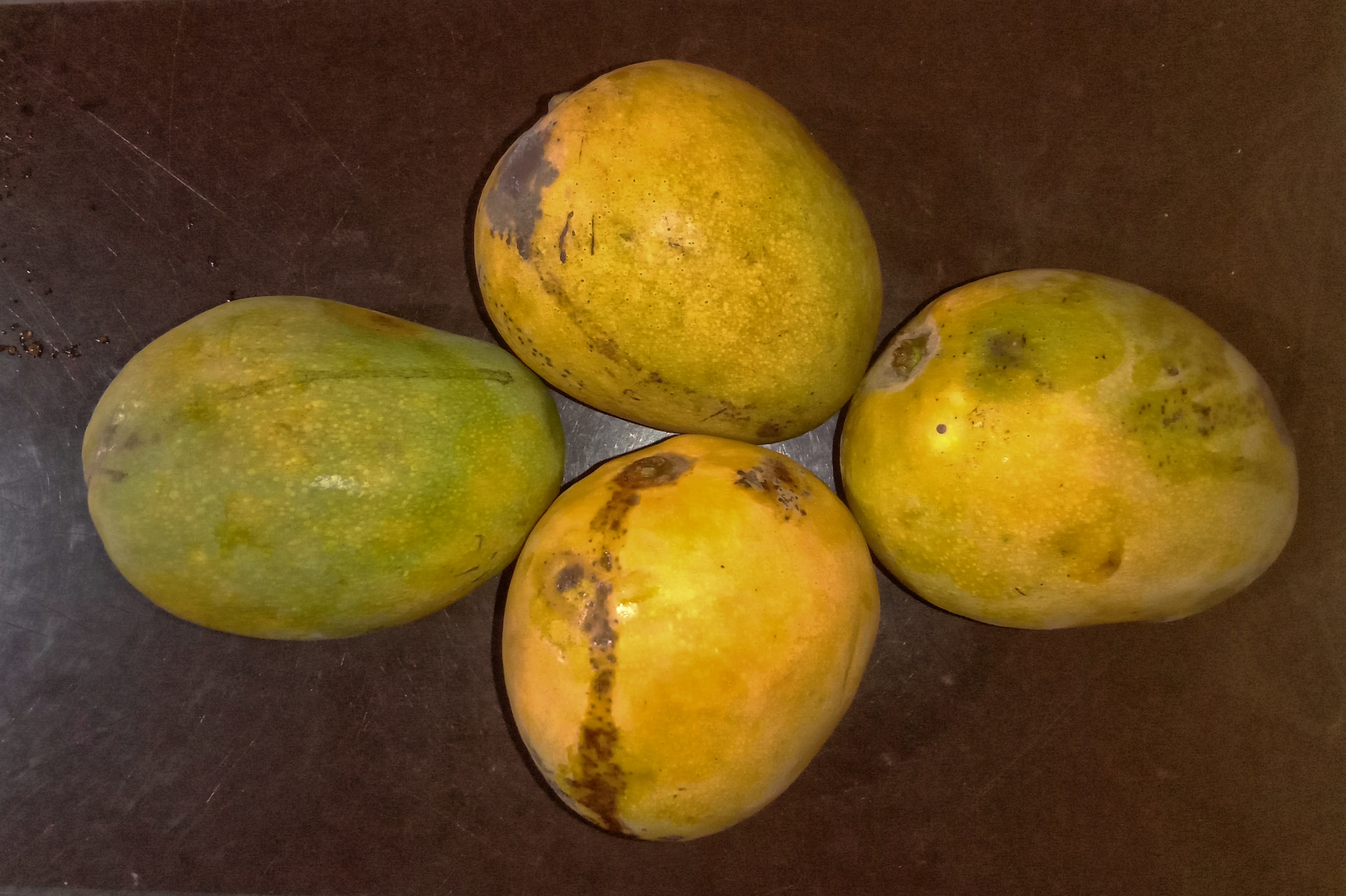
Answering the growers' concerns, Sanjib Mridha, deputy director of the DAE in Meherpur, told Jagonews24: "We are regularly advising growers in the field on orchard care, and we are working to create opportunities for mango exports. We are aware of the farmers' concerns. We will inform the ministry in detail about setting the right time for harvesting mangoes so that orchard owners do not suffer losses."
According to the DAE office, the district had mango orchards on about 2,400 hectares that season, with a production target of 44,000 tonnes for the year. The office said it hoped the target would be exceeded if the weather stayed favourable to the end and proper management was ensured.
Figures from earlier reports show how the district's mango area and output have been counted from year to year. In the BSS report of 3 February 2026, the same deputy director said the district had mango orchards on 2,361 hectares and that 38,177 tonnes of mangoes had been produced in the previous season. In May 2023, Dhaka Post reported a target of about 45,000 tonnes from 2,340 hectares. In February 2024 the then deputy director told BSS that the district had orchards on 3,000 hectares, while in May 2024 Samakal, citing the district DAE office, gave 2,780 hectares and a target of 36,000 tonnes. That season was what officials called an "off year": the trees flowered poorly, much of the young fruit dropped in a severe heatwave, and officials told Samakal that output would be less than half the target. The figures differ between reports, and each is given here as its source stated it.
Meherpur and its mangoes
Meherpur is one of the smallest districts in Bangladesh. According to Banglapedia it covers 751.62 square kilometres in Khulna division and has three upazilas: Gangni, Mujibnagar and Meherpur Sadar. It borders Kushtia district and India's West Bengal to the north, Chuadanga and West Bengal to the south, Chuadanga and Kushtia to the east and West Bengal to the west. The Bhairab, Ichamati, Mathabhanga and Kazla rivers flow through it. The 2011 census counted 655,392 people in the district.
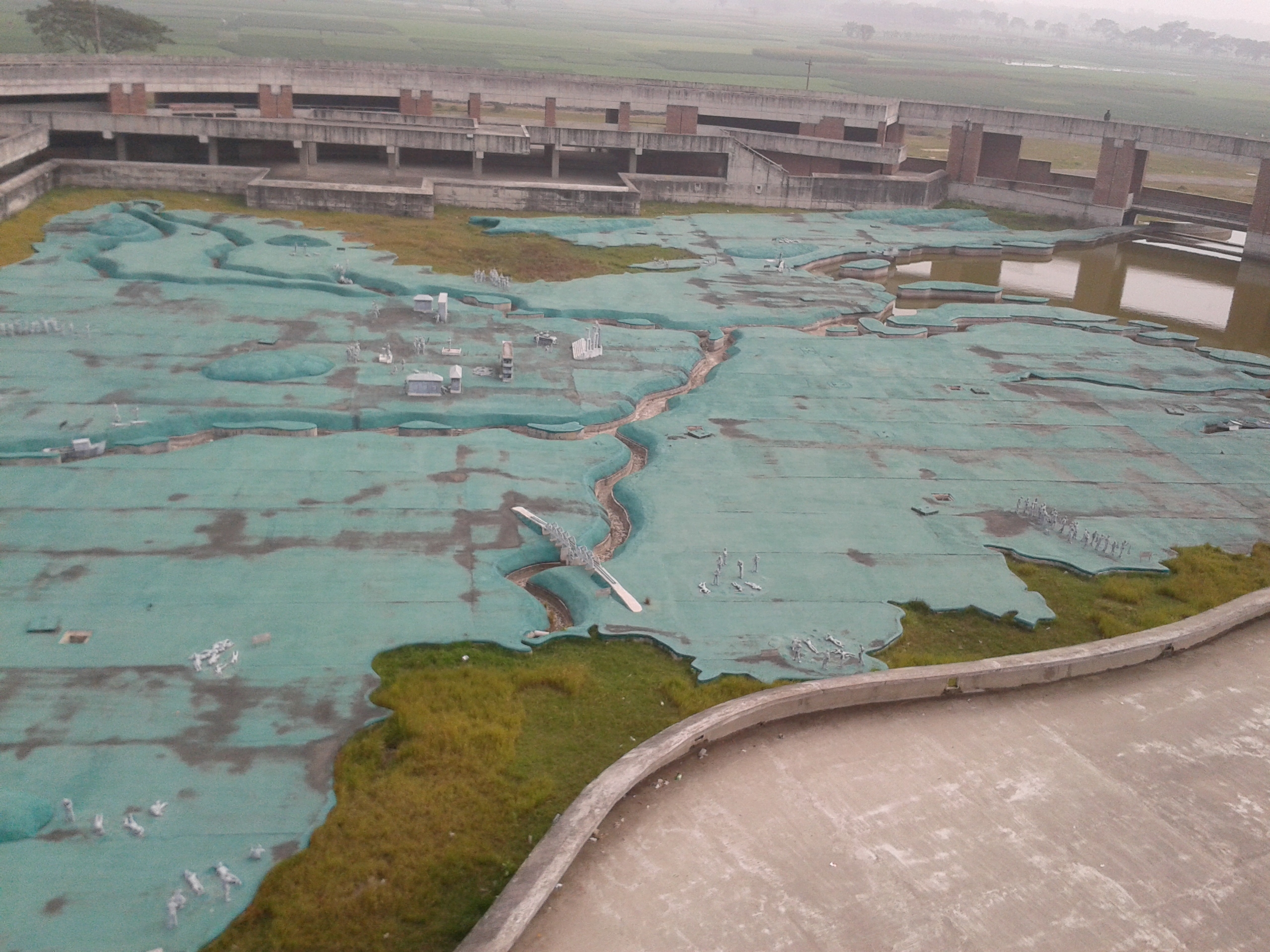
The district's best-known landmark is itself a mango grove. At Mujibnagar, formerly Baidyanathtola, the proclamation of independence was read out on 17 April 1971 and the first provisional government of Bangladesh took its oath the same day, Banglapedia records; BSS has described the site as a mango grove dating from British rule. A memorial complex of 20.10 acres now stands there.
BSS reported in February 2024 and again in February 2026 that mangoes of every type are grown commercially in Meherpur, that orchards are being planted on farmland every year because the crop pays, and that Himsagar, Langra, Bombai and Tili Bombai from the district are prized for their taste. Langra, Gopalbhog, Khirsapat and Ashwina orchards are the most common, while growers are also planting the research varieties BARI-3 and BARI-4, late varieties that ripen in July and August, and year-round types. According to the agriculture department as quoted by BSS in February 2026, Meherpur's Himsagar mango had received geographical indication (GI) recognition, and demand for the district's mangoes had grown as a result.
Mango output and exports in Bangladesh
Mango (Mangifera indica) is believed to be native to the eastern part of the Indian subcontinent, including Bangladesh, and Banglapedia counts nearly 100 mango cultivars in the country; Rajshahi, Chapainawabganj and Dinajpur are the main areas for the finest varieties. According to figures cited by The Daily Star's Bengali edition from the Export Promotion Bureau (EPB) in May 2025, Bangladesh produced 23.50 lakh tonnes of mangoes on 2.29 lakh hectares in 2020-21, 27.7 lakh tonnes in 2022-23 and 25.89 lakh tonnes on 2.5 lakh hectares in 2023-24, and ranks seventh in the world for mango production.
Exports have been a small and uneven share of that harvest. The Daily Star's Bengali edition reported in July 2020 that Bangladesh sent 165 tonnes to Europe and the Middle East in 2015, its first such shipment, reached its then highest figure of 665 tonnes in 2016, fell to 324 tonnes in 2017 and to under 100 tonnes in 2019. A Plant Quarantine Wing official told the paper that buyer countries had rejected consignments because most of the mangoes were infested with insects, and that some exporters had bought low-grade fruit from local markets instead of from contract farmers.
Exports then recovered. Prothom Alo reported, citing the DAE, that 791 tonnes were exported in 2020-21 and 1,757 tonnes in 2021-22. In 2023, according to the DAE's Plant Quarantine Wing as reported by Prothom Alo in July 2024, Bangladesh exported 3,092 tonnes of mangoes to 38 countries, the highest ever. The next season fell back: by early July 2024 only 677.6 tonnes had gone abroad, which exporters blamed on a lack of cargo space and air fares that had more than doubled, as well as a cut in the government's cash incentive for agricultural exports from 15 to 10 per cent. Prothom Alo later reported, citing DAE data, that only 1,321 tonnes were exported in 2023-24, to 21 countries, out of 24 lakh tonnes produced.
In 2025 Bangladesh opened a new market. Prothom Alo reported that the first-ever consignment of Bangladeshi mangoes, 10 tonnes from the Satkhira and Jashore area, was to leave Dhaka for China on 28 May 2025, and that 100 tonnes were planned for the whole season. Bangladesh had applied in 2019 for permission to export mangoes and other farm produce to China.
What exporting a mango requires
Exporting fresh mangoes means meeting the plant-health rules of the buying country. The Daily Star's Bengali edition reported in July 2020 that the DAE's Plant Quarantine Wing issues the phytosanitary certificates for exports and that mangoes bound for export had to be taken to Shyampur in Narayanganj for testing. When the EPB announced the start of the process to export to China in May 2025, it listed what Bangladesh needed to do: extend the shelf life of mangoes, build hot water treatment facilities, use chemicals correctly, improve packaging, reduce fruit fly infestation, follow Good Agricultural Practices, train growers and exporters in sanitary and phytosanitary measures and maintain the cold chain. Lists of growers and exporters for China were prepared through the DAE and its exportable mango production project.
That project has included Meherpur. The Daily Star's Bengali edition reported in June 2023 that the DAE's exportable mango production project covered Rajshahi, Chapainawabganj, Satkhira, Chuadanga, Meherpur and the hill districts, aimed to train 8,400 farmers in mango production technology, and was then working with 990 mango growers. Prothom Alo reported in July 2023 that under the project mangoes were being collected for export from 930 entrepreneurs that season, and quoted a horticulture professor at Bangladesh Agricultural University who said farm-to-port infrastructure and packaging still needed improvement.
Exporters have pointed to other hurdles. In August 2023 an adviser to the Bangladesh Fruits, Vegetables and Allied Products Exporters Association told Prothom Alo that new firms were joining the trade but that the government support needed to sustain the growth was lacking and that ministries did not coordinate. In July 2024 the director of the DAE's exportable mango project told the same paper that, with air fares so high, the department was planning to send mangoes by ship, with a first consignment to go to the Netherlands. These were the conditions under which Meherpur's growers, with their trees in full bloom in March 2026, were asking the government to open a market abroad for their fruit.
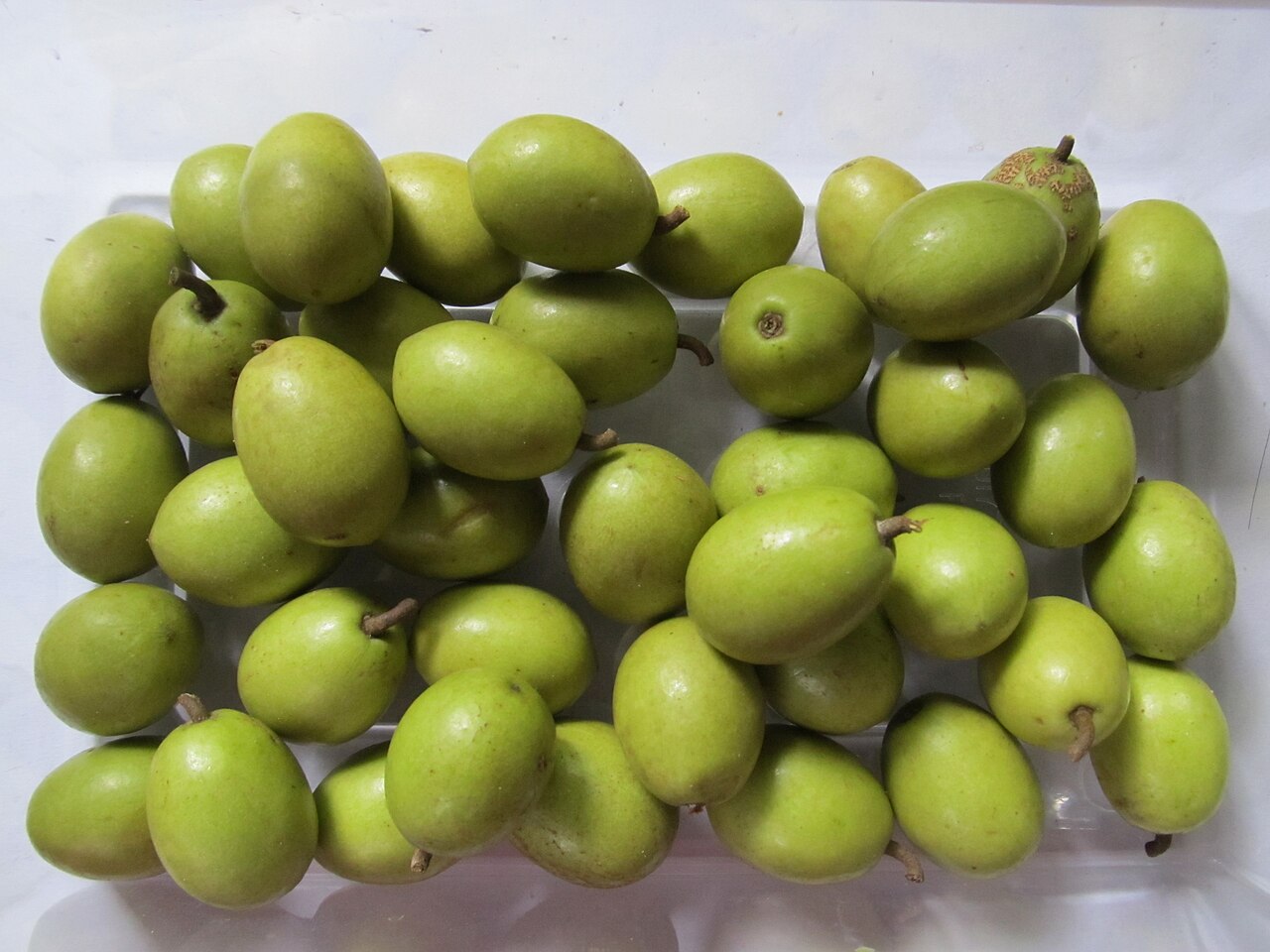
Photo: Kayser Ahmad / Wikimedia Commons (CC BY-SA 3.0)
Sources: Jagonews24, BSS, Dhaka Post, Samakal, Prothom Alo, The Daily Star (Bengali edition), Banglapedia
Comments
(0)