
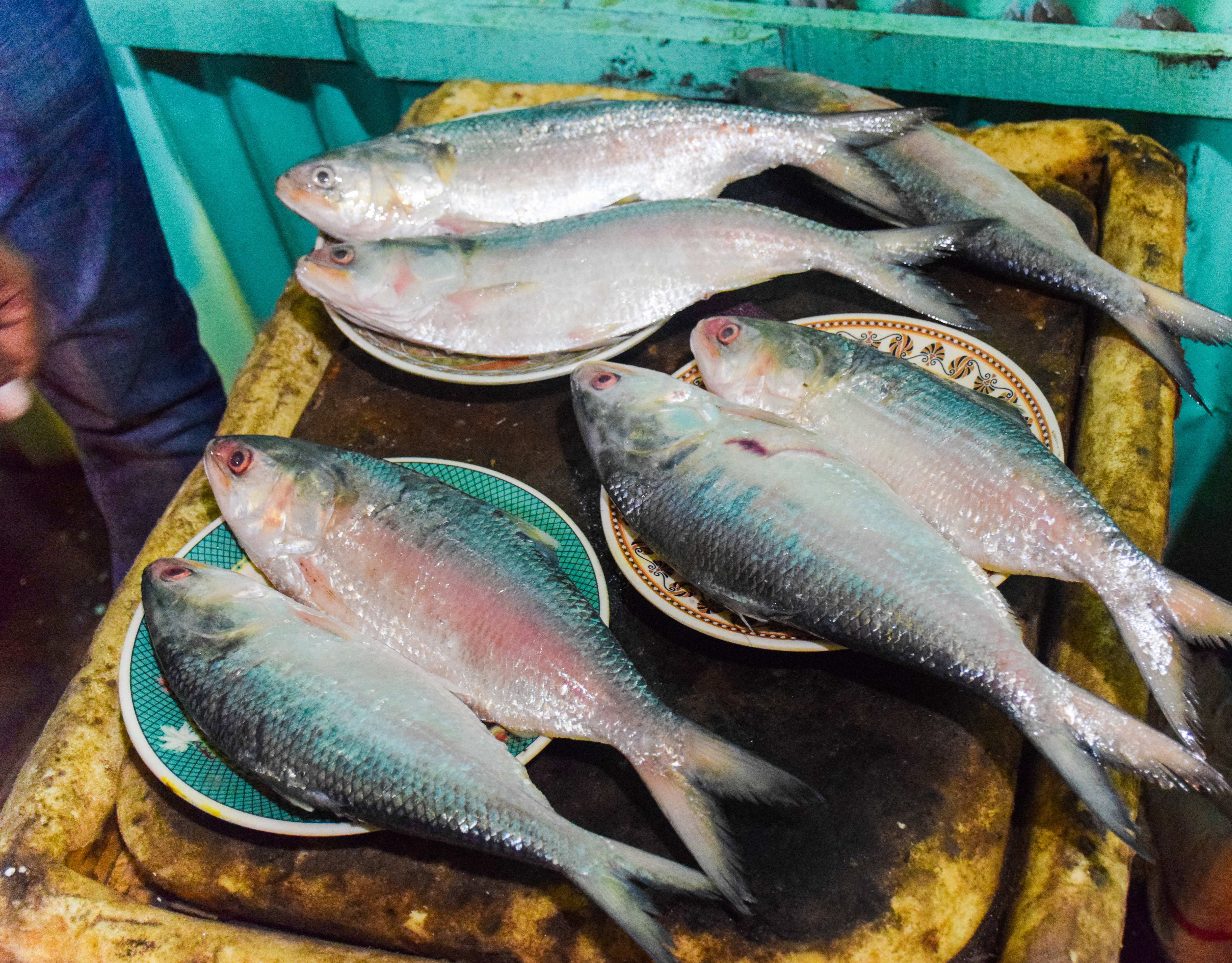
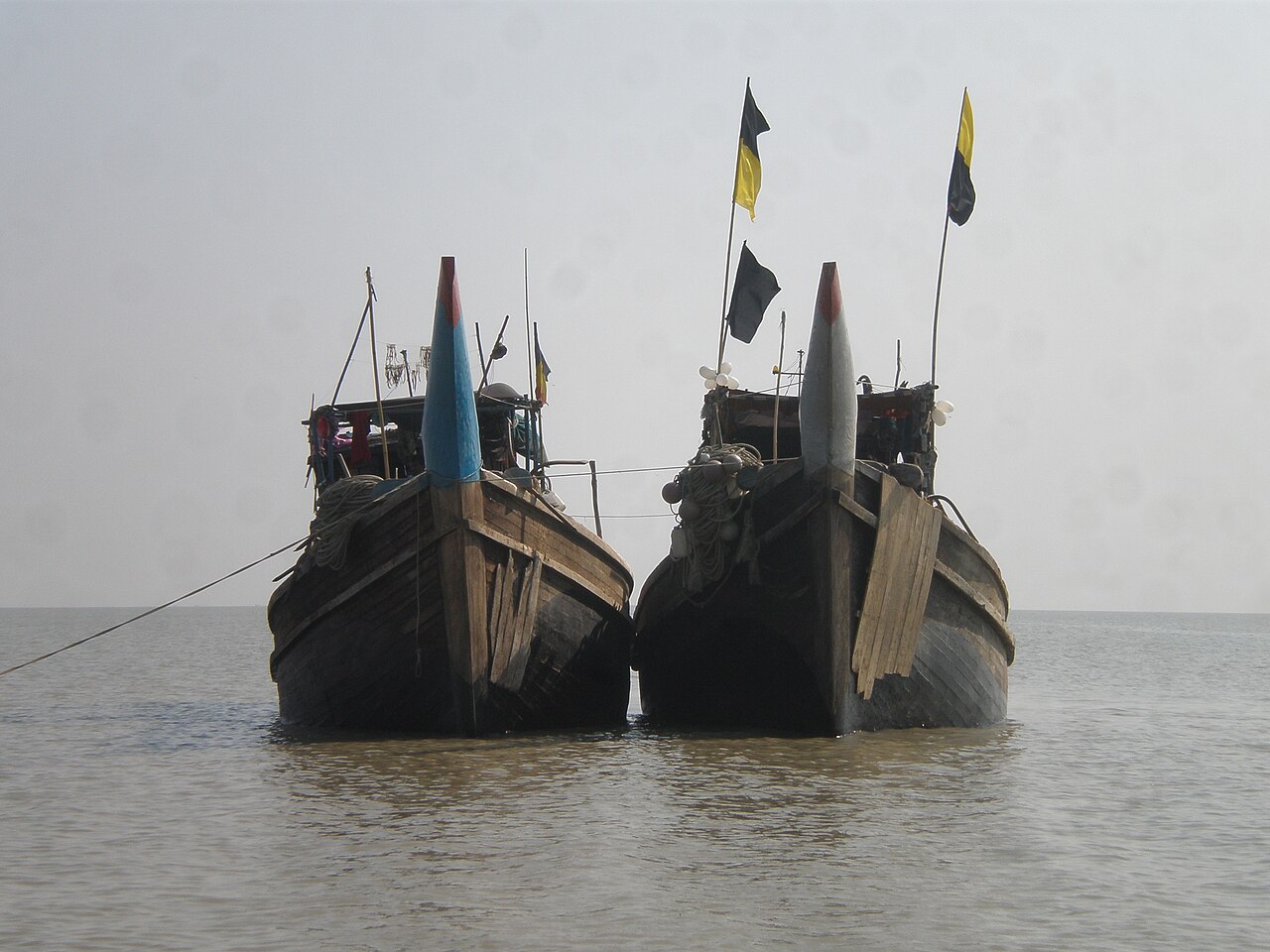
At the end of October 2021, a few days after a 22-day ban on hilsa fishing had ended, the boats were back on the Meghna in Chandpur and the landings at the ghats were full of roe-laden fish. For the scientists who watch the river, the question was not how many fish came in that week but how many mother hilsa had been left alone long enough to spawn.
Anisur Rahman, chief scientific officer and hilsa researcher at the Riverine Station of the Bangladesh Fisheries Research Institute (BFRI) in Chandpur, said he expected hilsa production to rise above the previous year's level, because large numbers of mother hilsa had spawned undisturbed in the Chandpur stretch of the Meghna during the October 2021 ban. This report sets out what he and the local fisheries office said, how the ban worked, what the figures mean and what was already known about hilsa breeding on the Meghna by early November 2021.
A researcher expects a bigger hilsa catch
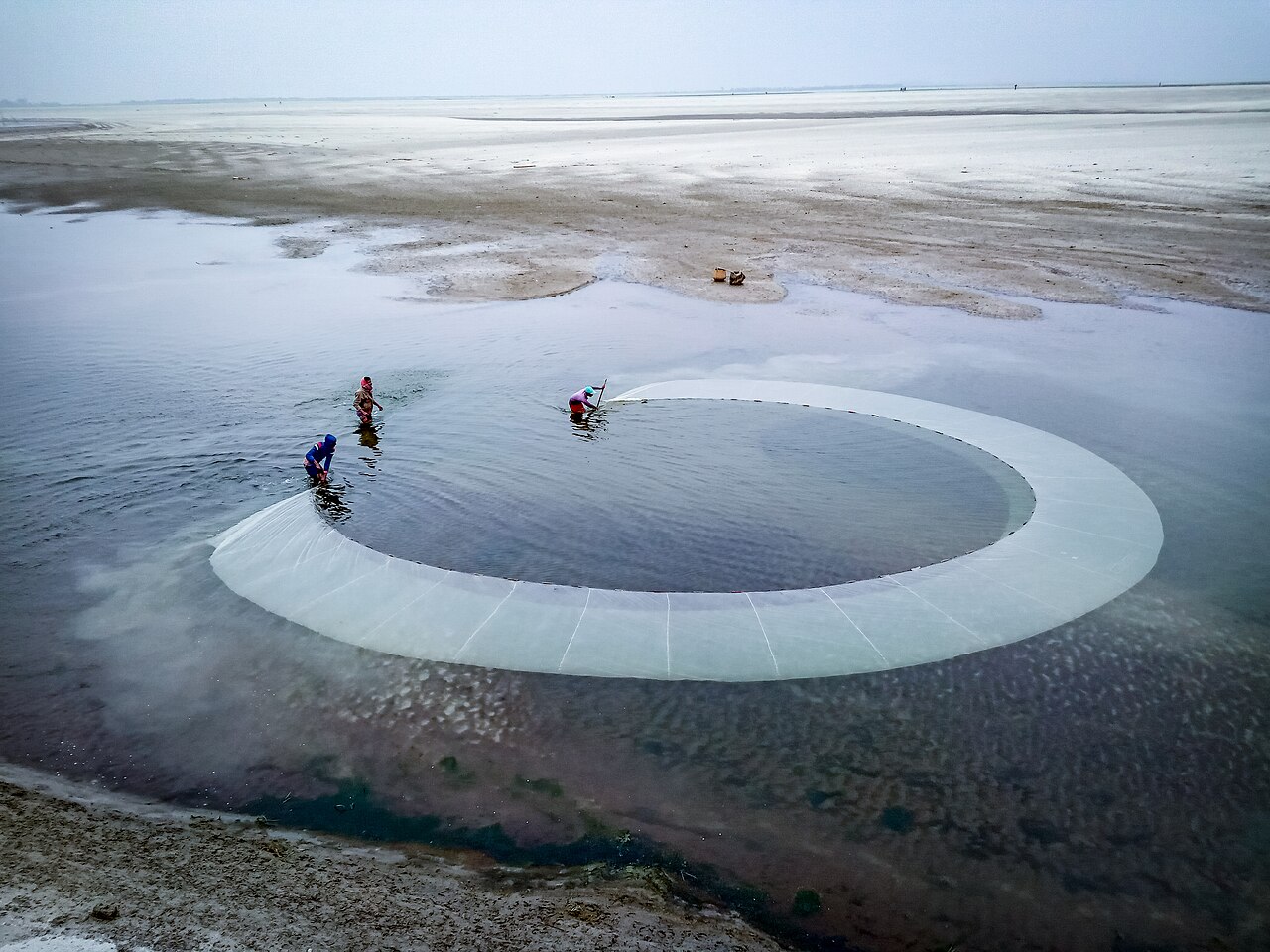
The Meghna stretch at the centre of the report runs for about 70 kilometres, from Shatnal in Matlab Uttar upazila of Chandpur to Char Bhairabi in Haimchar upazila. It is one of the most important breeding areas for hilsa, Bangladesh's national fish.
Speaking by mobile phone, Anisur Rahman said that during the previous year's 22-day ban, 51.2 per cent of mother hilsa in the Chandpur area of the Meghna had spawned, and that about 5.5 lakh tonnes of hilsa had been produced that year. In 2021, he said, large numbers of mother hilsa had released their eggs across the district's stretch of the Meghna during the 22 days.
He described how the breeding went. Around the new moon at the beginning of October, spawning was somewhat lower. Around the full moon, however, shoals of mother hilsa completed their breeding safely. On that basis he believed that more fish had spawned than the year before.
He said production was likely to exceed the previous year's in both quantity and numbers, and put the possible figure for the year at about 5.75 lakh tonnes. The figures he gave were the researcher's own estimate, made before any catch for the new season had been counted; the section on production figures below explains what scale they correspond to.
The October 2021 ban: what was stopped and why
The ban followed a decision of the national task force committee on hilsa resource development, chaired by Fisheries and Livestock Minister SM Rezaul Karim, Prothom Alo reported on 22 September 2021. Representatives of the Department of Fisheries (DoF), the Bangladesh Fisheries Development Corporation and BFRI attended the meeting.
The committee set the ban from 4 October to 25 October 2021, during the main breeding season. It covered the catching, procurement, marketing, buying, selling, transport, stocking and exchange of hilsa throughout the country. The minister asked for a concerted effort to make the ban more successful than the year before, according to the same report.
The Financial Express, reporting on 3 October 2021 as the ban was about to begin, wrote that the notification had been issued on 22 September after the task force meeting. The minister warned that strict action would be taken against anyone harming the national interest, and called on fishers and their associations to help make the countrywide programme a success.
For the Chandpur part of the Meghna, the local fisheries department said the ministry had banned hilsa fishing on the 70-kilometre stretch for the whole 22 days. Selling, transporting, marketing, storing and stockpiling hilsa were also banned there during the period.
The rules were not new in kind. In 2018, then fisheries minister Narayan Chandra Chanda announced a 22-day ban from 7 to 28 October on catching, selling, hoarding and transporting hilsa in the breeding ground, The Financial Express reported on 4 October 2018. Violators faced one to two years in prison or a fine of Tk 5,000, with tougher consequences for repeat offences, the paper wrote.
Drives on the Meghna in Matlab Uttar
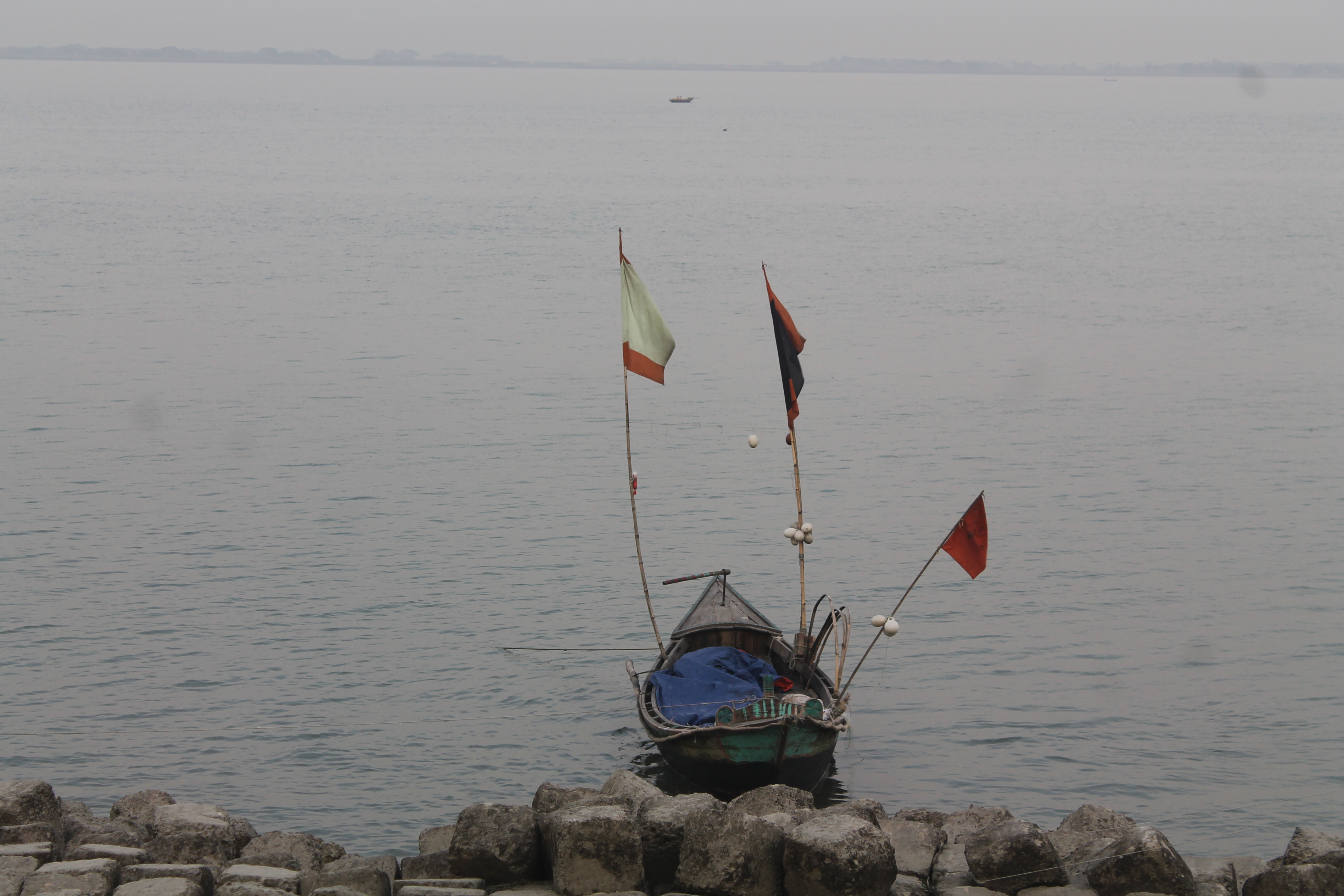
Monowara Begum, the fisheries officer of Matlab Uttar upazila, said 44 drives had been carried out on the Meghna between 4 and 25 October to make sure the fish could breed. About 27 lakh metres of current net and about four maunds of hilsa were seized during these drives, and many fishers were fined.
She said the drive to protect mother hilsa had been largely successful and that breeding had gone undisturbed. As a result, she expected more hilsa to be found in the Meghna than in the previous year.
Current net, or current jal, is the local name for monofilament synthetic nylon net. In 2002 the government amended the Protection and Conservation of Fish Act, 1950 to introduce an outright ban on these nets, a law lecturer wrote in The Daily Star on 30 January 2018. The same article argued that enforcement had lagged.
The scale of the 2021 seizure in one upazila can be set against the national effort a year earlier. During the 2020 ban, which ran from 14 October to 4 November, 2,640 mobile courts and 19,818 drives were carried out across the country, UNB reported on 8 November 2020. In all, 6,904 cases were filed, 5,533 fishers were sentenced to jail terms, fines of Tk 90.84 lakh were imposed, and illegal nets valued at Tk 243.36 crore were seized, along with 45.41 tonnes of hilsa, in drives spread across 152 upazilas.
Roe-laden hilsa after the ban
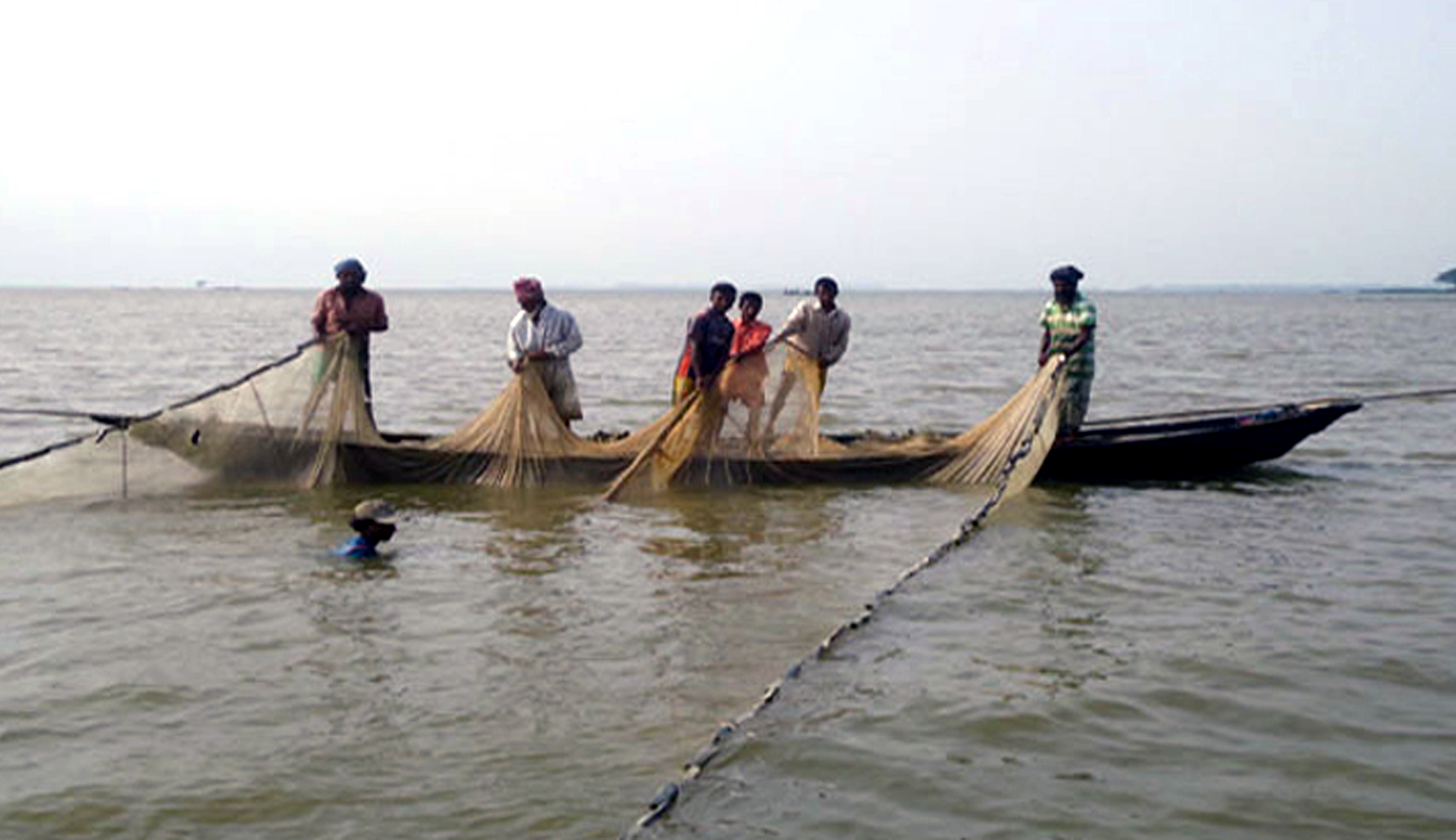
In the five days after the ban ended, plenty of hilsa full of roe reached the markets. Asked whether this would hurt production, Anisur Rahman said hilsa spawn to some extent all year round. Spawning is heaviest in the breeding season, around the new moon and the full moon of October, but some fish can spawn before and after it.
"This is normal," he said. In his view it would not significantly affect expected production, just as it had not in the previous year.
The same pattern had been seen before. In 2019, when the ban ran from 9 to 30 October, about 90 per cent of the hilsa in the Khulna and Chandpur markets after the ban carried eggs, The Financial Express reported on 11 November 2019. Professor Abdul Wahab, who led WorldFish's ECOFISH project, told the paper that hilsa breeding is related to rainfall, and the report linked the late spawning to a dry monsoon in the south that year.
On 31 October 2019, the Bengali edition of The Daily Star quoted Anisur Rahman at the Chandpur landings saying the researchers needed about ten more days of study before they could say how many hilsa had spawned, but that they hoped for more hilsa than the year before. Chandpur's district fisheries officer at the time, Asadul Baki, told the paper that most of the hilsa had already spawned.
How the spawning estimate compares with earlier years
BFRI's estimate of the share of mother hilsa that spawn during the ban is the figure the fisheries authorities watch most closely. In 2018, according to Anisur Rahman, about 47.76 per cent of hilsa laid eggs, The Daily Star reported on 7 November 2019. His figure of 51.2 per cent for 2020 was higher than that.
WorldFish surveys gave a similar picture for the Meghna. Data from 2018 and 2019 showed that about 48 per cent of Meghna hilsa released eggs during the spawning period, WorldFish scientist Md Jalilur Rahman told The Business Standard in January 2020. The same surveys found that 18 to 20 per cent of Padma hilsa released their eggs only after the ban had ended, because those fish travel a longer route.
That finding started a debate about the length of the ban. Abdul Wahab suggested extending it by ten days for the Padma, adding restrictions on Padma tributaries or setting later bans for particular areas. Anisur Rahman defended the existing period, saying it had been calculated after years of research and that a decade of observation showed the ban was mostly effective, given the sharp rise in overall production, The Business Standard reported.
The timing of the ban follows the moon. The Business Standard described how hilsa begin moving upstream from the sea around the full moon of the Bengali month of Ashwin, the main breeding season. One group of fish heads east into the Meghna and its tributaries, the Surma and the Kushiara; another heads west into the Padma and its tributaries.
What the production figures mean
The production figures in the report need care. Anisur Rahman spoke of about 5.5 lakh tonnes produced in the previous year and a possible 5.75 lakh tonnes in 2021, and the report framed these as figures for the Chandpur area. The 5.5 lakh tonne figure matches the national total: the Dhaka Tribune reported on 28 September 2021 that 550,000 tons of hilsa had been caught in Bangladesh in the last financial year, 66 per cent of it from districts of Barisal division.
For comparison, Department of Fisheries figures quoted by The Business Standard in January 2020 put the whole Meghna's hilsa production at 176,399 tonnes in 2017-18, against 3,809 tonnes from the Padma. The researcher's figures are therefore best read as an estimate of the scale of the country's total hilsa production, in which the Meghna breeding grounds play the central part.
The national figure had grown fast. Production rose from 300,000 tons in 2008-09 to 500,000 tons in 2017-18, the Dhaka Tribune reported. The Business Standard put the 2017-18 figure at 517,000 tonnes, against 279,189 tonnes in 2006-07. Prothom Alo reported in September 2020 that the target for 2020 was 550,000 tonnes.
Hilsa is the largest single contributor to Bangladesh's fish production. It accounts for more than 12.09 per cent of the country's fish output, according to both Prothom Alo (2020) and the Dhaka Tribune (2021). Its contribution to the country's GDP is over 1 per cent, and around 2 million people work in hilsa netting, processing and marketing, Mahbubur Rahman, deputy director of the Hilsa Resource Development Project, told the Dhaka Tribune.
Bangladesh produces more than 80 per cent of the world's hilsa, the Dhaka Tribune wrote. A WorldFish report cited by The Financial Express in 2017 had put the share at 65 per cent, with India at 10 to 15 per cent and Myanmar at 8 to 10 per cent, and said the fish is found in 11 countries.
Hilsa: the fish and its life cycle
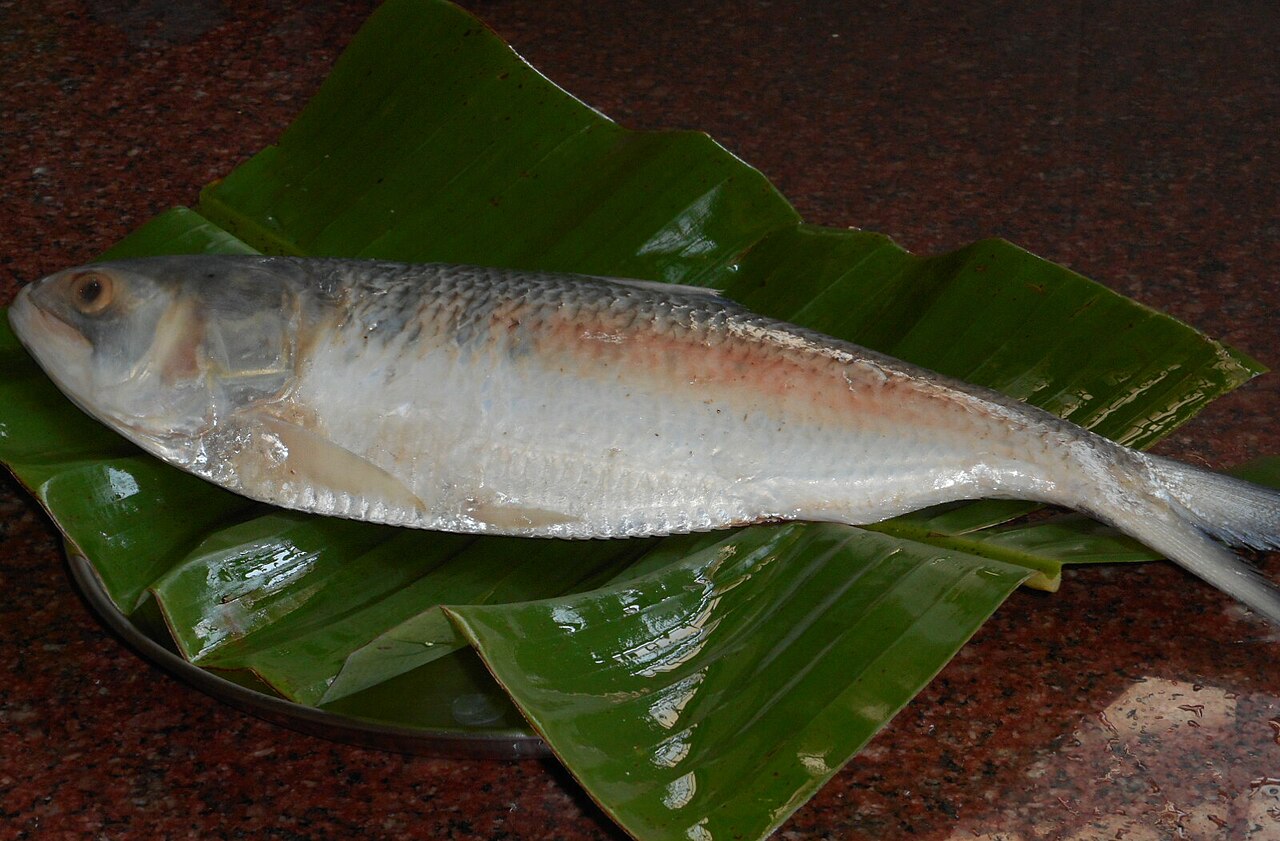
The hilsa, Tenualosa ilisha, is a fish of the herring family Clupeidae. It is the national fish of Bangladesh. On 6 August 2017 the Department of Patents, Designs and Trademarks under the Ministry of Industries recognised hilsa as a geographical indication product of Bangladesh, according to Wikipedia's article as it stood in October 2021. The same article noted that the best-known hilsa comes from Chandpur District.
The species is anadromous: it lives in the sea and moves up rivers to breed in fresh water. According to Banglapedia, the young grow in river channels and then go down to the sea to feed and grow, before returning to the rivers as mature adults. The fish matures in one to two years.
Banglapedia describes a minor spawning season in February and March and a major one in September and October, with some spawning throughout the year. That is the basis for Anisur Rahman's remark that hilsa spawn to some extent all year. A large female may produce up to 2 million eggs, Banglapedia says.
The fish can reach 60 centimetres in length, although common specimens measure 35 to 40 centimetres, and large hilsa weigh about 2.5 kilograms. Females grow faster and are usually larger than males, Banglapedia notes, which is why the roe-carrying mother fish are so prominent in the catch.
The young hilsa are called jatka. Within six to ten weeks they grow to about 12 to 20 centimetres, and more than half of all jatka caught are taken from the Meghna, according to Banglapedia. Protecting the jatka is the second half of hilsa management: the government began identifying hilsa breeding spots in 2002 and began jatka conservation in 2004, The Financial Express reported in 2017.
Chandpur, the Meghna and the research station
Chandpur District covers 1,645.32 square kilometres and has eight upazilas, including Matlab Uttar and Haimchar, where the two ends of the 70-kilometre stretch lie, according to Banglapedia. Its main rivers are the Meghna, the Dakatia and the Gumti. Chandpur became a district in 1984, having been a sub-division since 1878.
The district is one of the country's largest hilsa trading centres. On 31 October 2019, the day after that year's ban ended, about 5,000 maunds of hilsa were landed at Chandpur on the first day of fishing, the Bengali edition of The Daily Star reported.
Chandpur also lies on one of the country's hilsa sanctuaries. In 2017 the October ban there covered 100 kilometres of river from Shatnal in Chandpur to Char Alexander in Lakshmipur, The Financial Express reported, quoting the Chandpur district fisheries office. The government bans fishing in the sanctuaries for two months, March and April, to protect young hilsa, and imposes the three-week ban in October, according to the Dhaka Tribune in September 2021.
The research behind the spawning estimates comes from the BFRI Riverine Station in Chandpur. BFRI was established in 1984 and started functioning in 1986, with its headquarters in Mymensingh, according to Banglapedia. Its Riverine Station in Chandpur carries out research on riverine fisheries management and development. It covers about 17.2 hectares with 36 ponds and a hatchery, and has a vessel equipped for river surveys and experimental fishing.
Support for fishers during the ban
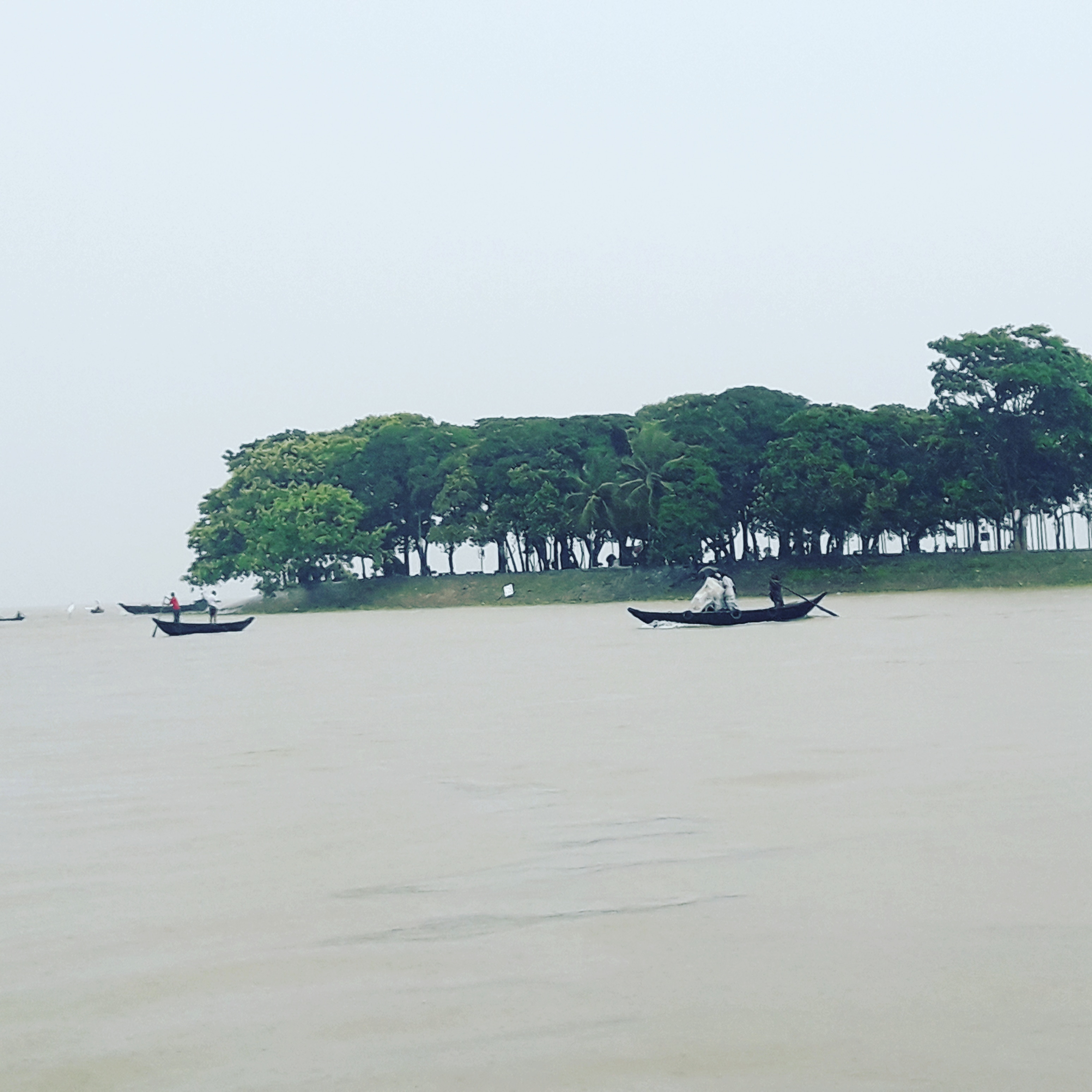
A ban that keeps boats ashore for three weeks depends on fishers being able to feed their families. In 2020 the government allocated 10,566.84 tonnes of rice under the Vulnerable Group Feeding (VGF) programme for the ban, The Business Standard reported on 2 October 2020. A total of 528,342 families in 152 upazilas of 36 districts were to receive 20 kilograms of rice each.
That was an expansion, the paper wrote: food aid went to an additional 120,263 families compared with earlier seasons. Deputy commissioners were told to finish the distribution by 30 October 2020.
Many people depend on the fish. In 2018 about 0.5 million people depended directly on hilsa fishing, and 2.0 to 2.5 million more worked in transport, sales, net-making, ice production, processing and export, The Financial Express reported. The Dhaka Tribune's figure in 2021 was about 2 million people in netting, processing and marketing.
In September 2021 the government was also planning a larger investment. The Dhaka Tribune reported that it intended to carry out 134 projects in 29 districts at a cost of Tk 247 crore to increase the availability of hilsa, which it said would eventually help reduce prices.
Photo: Fahad Faisal / Wikimedia Commons (CC BY-SA 4.0)
Sources: The Agro News (Staff Correspondent), Prothom Alo, The Financial Express, The Business Standard, The Daily Star, Dhaka Tribune, UNB, Banglapedia, Wikipedia
Comments
(0)