
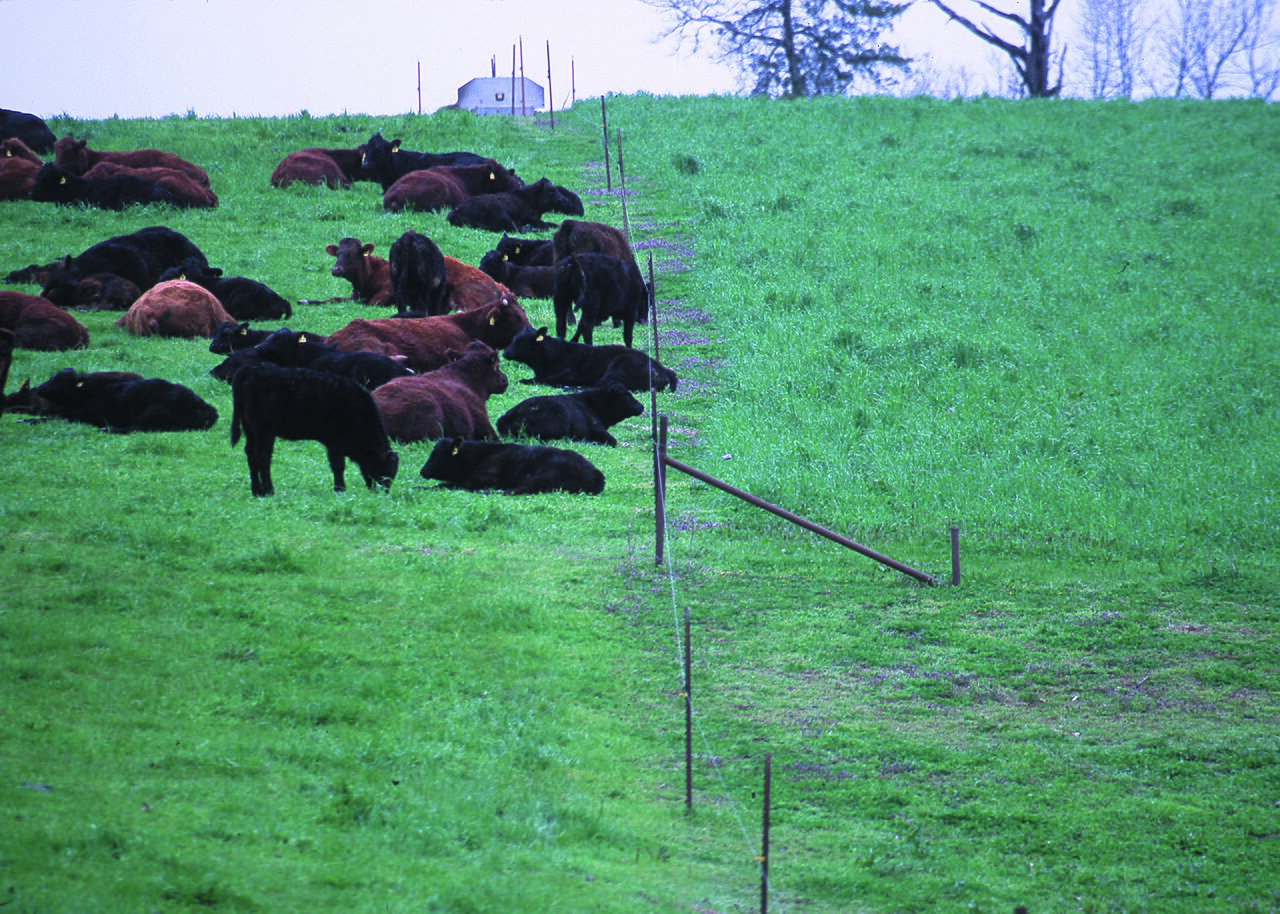
Manitoba cattle producers should not expect the grazing conditions they grew up with, and may need to change how they manage grass and water, according to a climate and hydrology study reported by the Manitoba Co-operator.
The Manitoba Forage and Grassland Association (MFGA) ran a one-year, $130,000 project that used an Aquanty hydrological model to localise climate forecasts for three watersheds, Pembina Valley, Swan Lake and Oak River, out to 2050 and 2100.
The model projects warming of about 2.5 C by mid-century and nearly 5 C by 2100, less snowpack, changes in the timing of runoff and more water lost to evapotranspiration. "For forage producers, there will be increased risk of pasture drying and reduced forage yields and greater pressure on grazing management," said Steven Frey, the project's lead scientist at Aquanty. Warmer springs might put cattle on grass sooner, but forage quality in mid-to-late summer could suffer.
It also finds a gradual decline in groundwater storage over the century, most of all under the end-century scenario, which could affect the long-term reliability of dugouts, wetlands and groundwater-fed livestock water. Frey said anything that promotes groundwater recharge and reduces runoff in sensitive areas, such as grasslands, forests, wetlands and healthy soils, will pay off.
MFGA chair Zack Koscielny, a mixed farmer near Strathclair, said producers can start adapting now with rotational grazing, moving cattle through small paddocks for short periods and giving grass long rest, and pointed to support such as the Manitoba Association of Watersheds' Prairie Watersheds Climate Program. "We can't prevent everything, but we can plan better," he said.
Photo: Jeff Vanuga, USDA NRCS / Wikimedia Commons (public domain)
Source: Manitoba Co-operator

Comments
(0)