
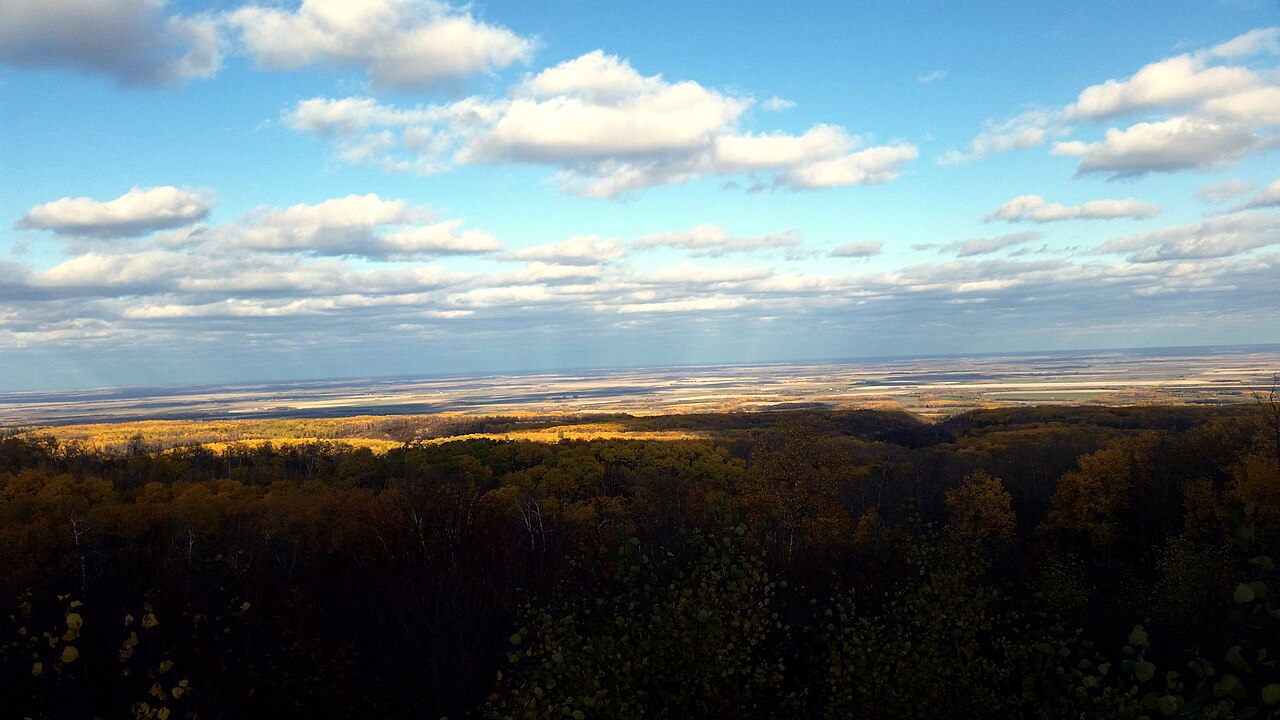
Six Manitoba producer groups have urged Agriculture and Agri-Food Canada not to reduce soil health to a handful of easy-to-track numbers as it develops Canada's National Agriculture Soil Health Strategy.
Direct Farm Manitoba, Holistic Management Canada, the Manitoba Forage and Grassland Association, Manitoba Organics, Regeneration Canada and Young Agrarians met AAFC's Resilient Agriculture Division, toured a Manitoba farm with its officials and handed over a written submission, since also sent to Manitoba Agriculture and the Soil Conservation Council of Canada.
They ask for research driven by farmers, funding that does not penalise smaller or unconventional operations, soil metrics that mean something regionally rather than a national aggregate, and no writing-off of marginal land. Duncan Morrison of the forage association said grassland that never grew strong annual crops still filters nutrients and buffers drought.
"It's way easier to have a checkbox of numbers," said Marika Dewar-Norosky of Manitoba Organics. She said practices organic farmers have refined, such as intercropping and green manures to cut fertilizer costs, transfer to conventional farms, but Manitoba's crop insurance treats intercrops as novel crops limited to 30% of other insured land, so many organic farms self-insure.
Dana Penrice of Holistic Management Canada said carbon should not anchor the strategy, because practices that build carbon also improve biodiversity, water capacity and production, and farmers are tired of carbon payments that never came. Kristie Schertzer of Direct Farm Manitoba asked that farms of every scale be included.
Morrison said the biggest payoffs may be years away, but success in the short term would be every Manitoba farm pulling in the same direction on soil and water. The report is by Miranda Leybourne.
Photo: Rob Swystun / Wikimedia Commons (CC BY 2.0)
Source: Manitoba Co-operator
Comments
(0)