
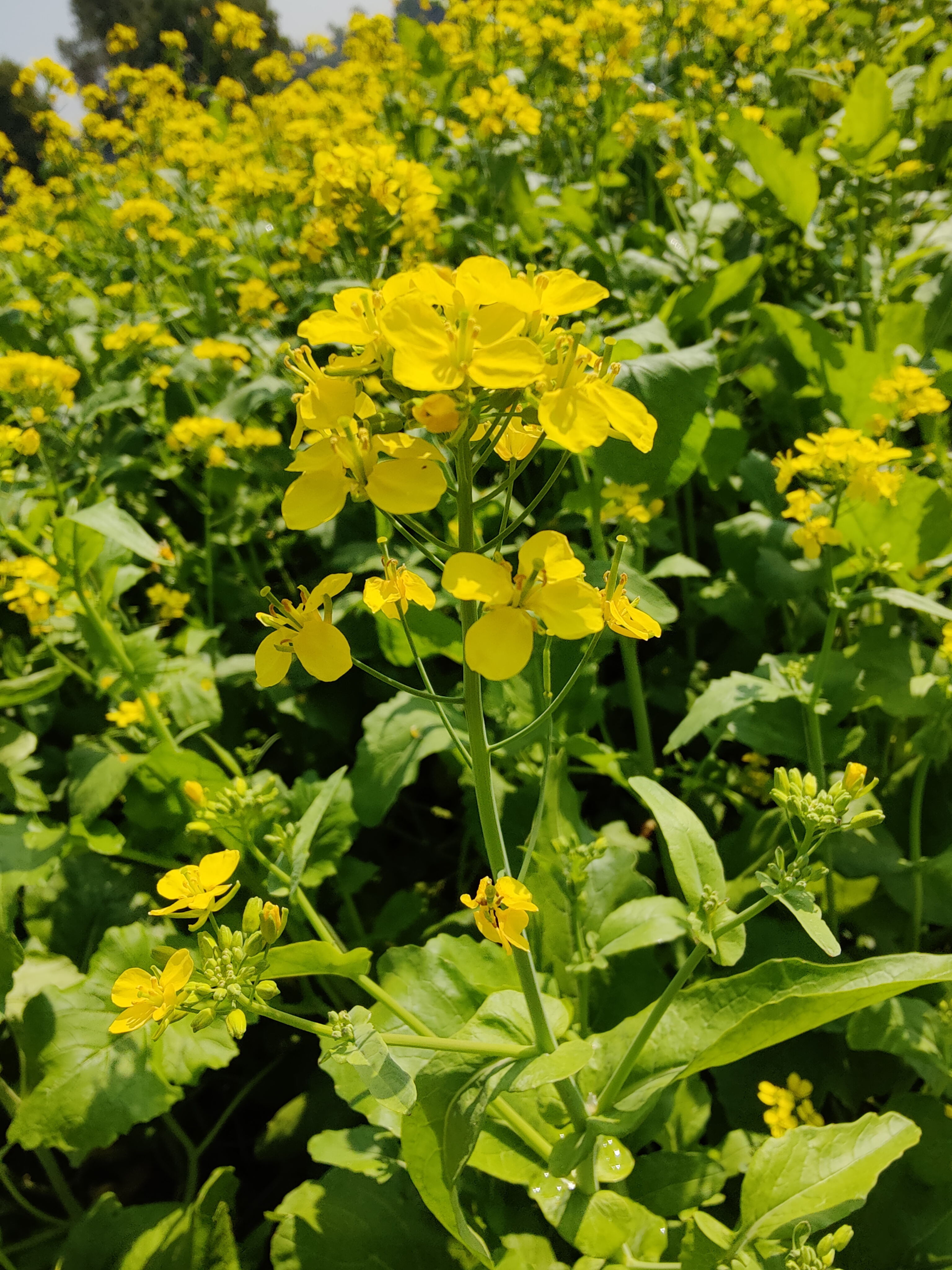
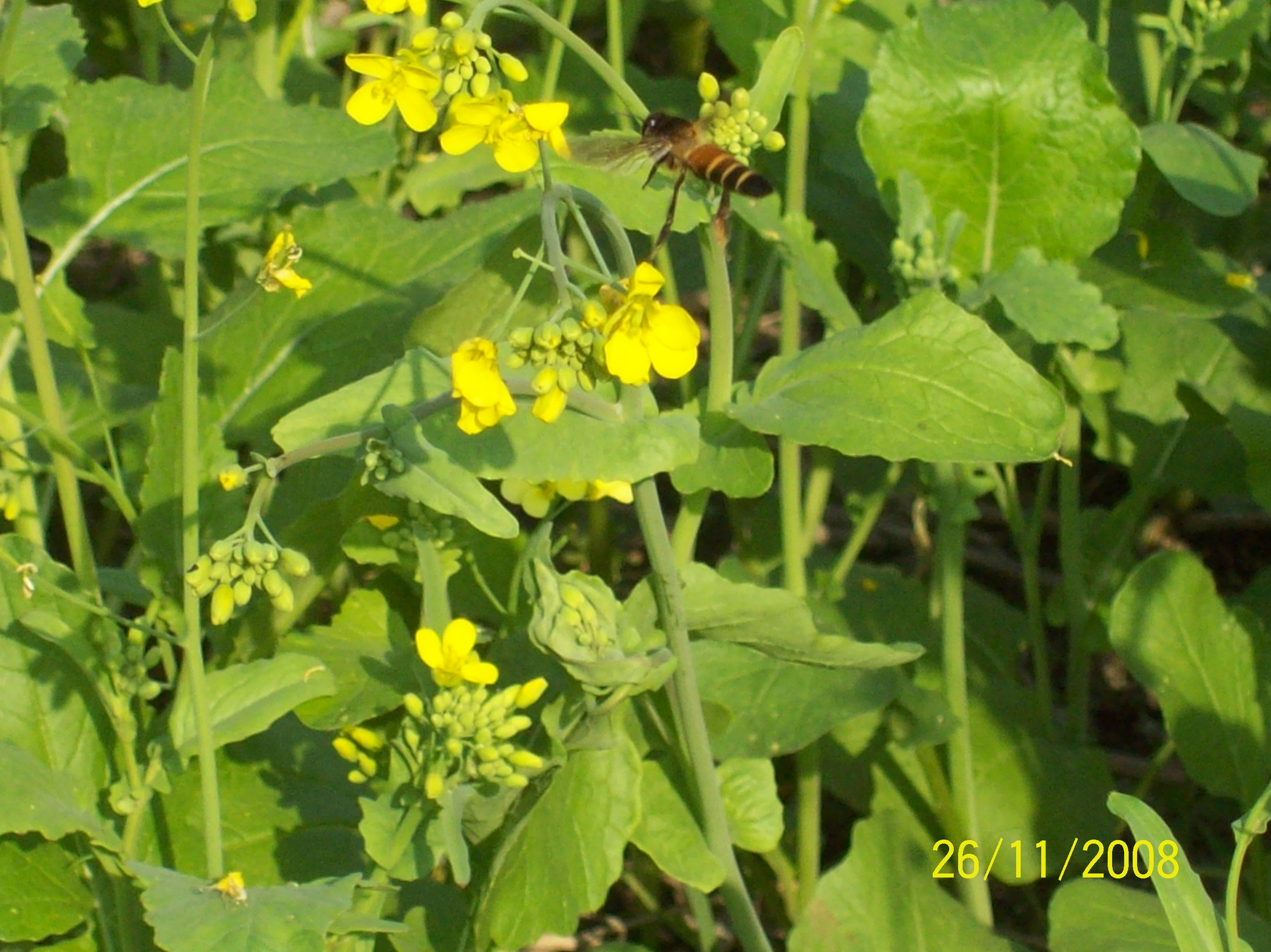
Farmers in Manikganj district grew mustard on more land than a year earlier, Jagonews24 reported on 4 January 2026, when the fields of the district's seven upazilas were yellow with flowers and busy with bees. According to the district office of the Department of Agricultural Extension (DAE), mustard covered 63,530 hectares that season, against 63,002 hectares the year before.
Manikganj is a district of Dhaka division. Banglapedia gives its area as 1,383.66 square kilometres and lists seven upazilas: Manikganj Sadar, Singair, Saturia, Ghior, Daulatpur, Shibalaya and Harirampur. The Padma, Jamuna, Dhaleshwari, Ichamati, Kaliganga and Gazikhali are its main rivers, and agriculture is the main source of income for its people.
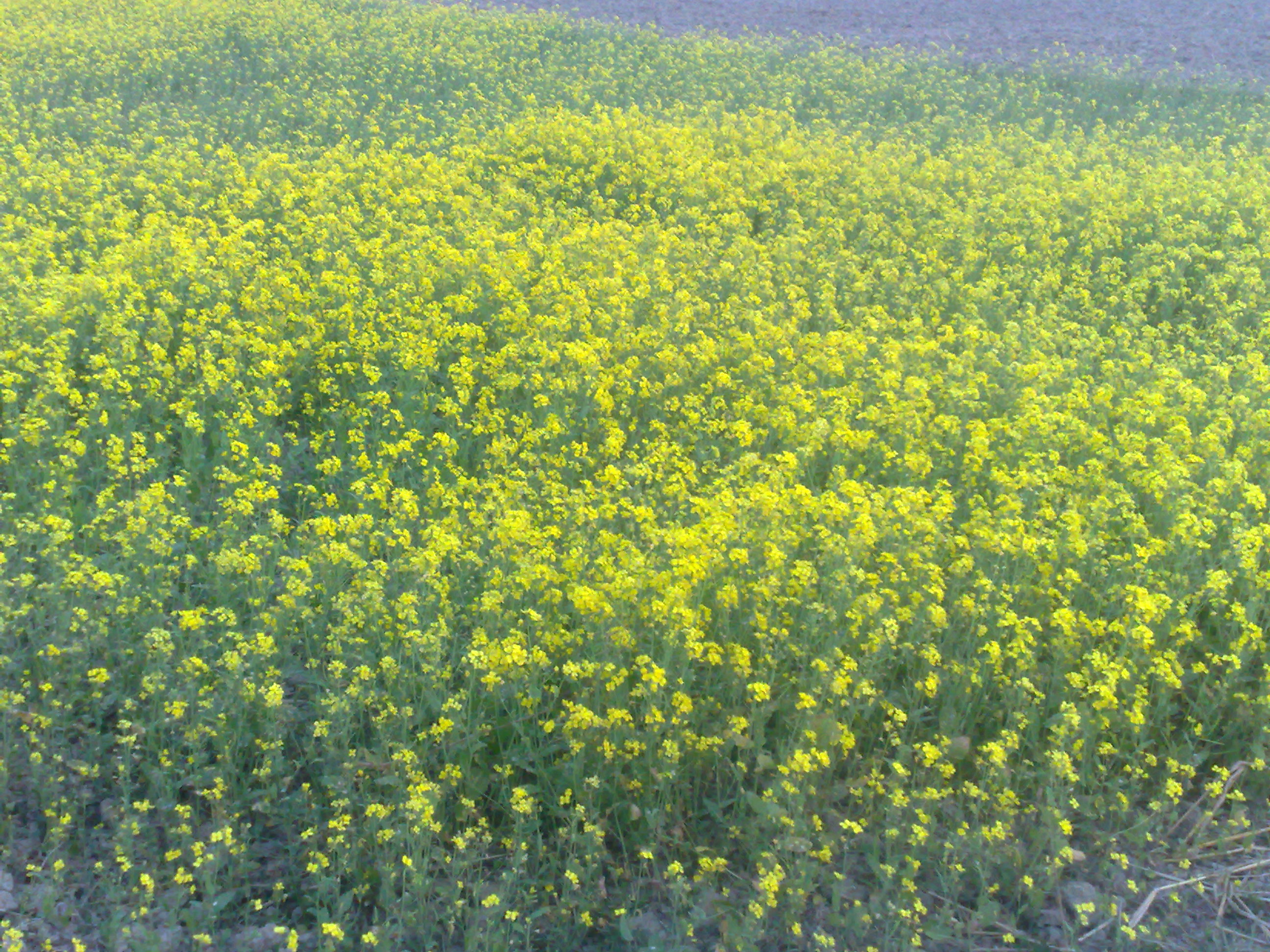
Why more land went under mustard
Agriculture officials said favourable weather, improved seed varieties and modern farming methods had increased farmers' interest in the crop. Mustard is short-duration and relatively cheap to grow, so farmers see it as a profitable option. Local growers added that it carries less risk than other crops and that market demand for it is fairly stable.
Mustard is a Rabi crop in Bangladesh: sown in winter and harvested in spring. Banglapedia notes that only a few decades ago mustard oil was the country's main cooking oil. Home-grown mustard oil now meets only a fraction of the demand, so large quantities of soybean and sunflower oil are imported. The crop is grown in almost every district.
Farmers count on a good yield, but watch the cold
Abdul Alim, a farmer from Nabagram in Sadar upazila, told Jagonews24: "This year I grew mustard on 66 decimals. The area has increased compared with last year, and the crop is good. Last year I grew mustard on 22 decimals; if the yield is good this time the profit could be several times what I made then."
Haji Kamal Sheikh of Sarupai village said the yield depends partly on the cold of the Bengali month of Magh, and that extreme cold and falling temperatures can damage the crop. His field was full of yellow flowers and he hoped selling mustard would make up at least part of his flood losses, but after several days of severe cold he worried that fog could do some harm.
Shakil Hossain of Helachia village grew mustard on 5 bighas. The crop takes less time and costs less than others, he said, and he hoped for a good yield and some profit.
Target met, says the DAE
Shahjahan Siraj, deputy director of the DAE in Manikganj, told Jagonews24: "Mustard cultivation has increased in Manikganj this year because of favourable weather, the use of improved seed varieties and agriculture officers' advice on modern methods. We have been able to meet our target, and we hope production will exceed its target. The current cold and fog pose no risk of significant damage to mustard."
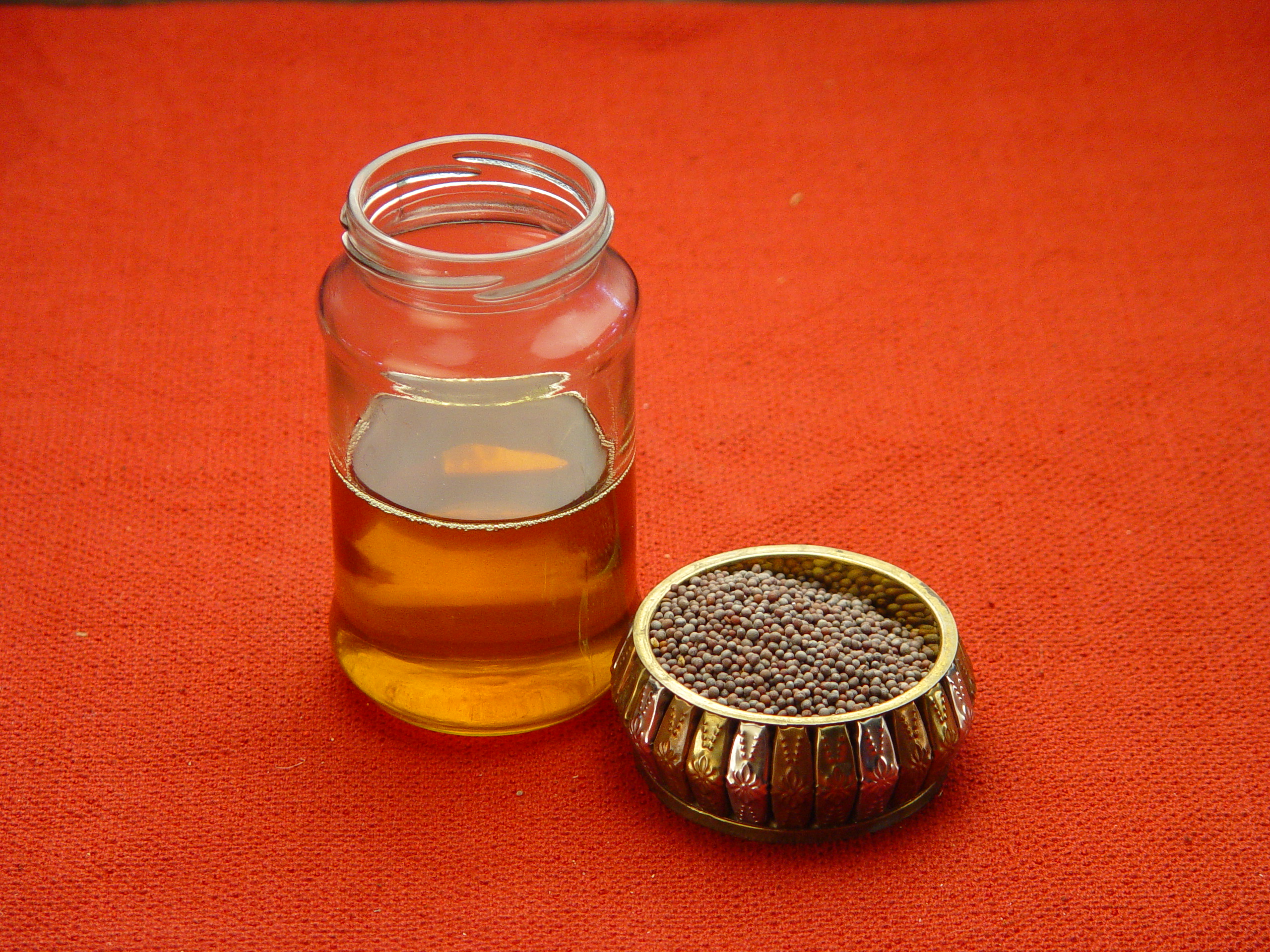
Photo: Sadit Ihsan Dipro / Wikimedia Commons (CC BY-SA 4.0)
Sources: Jagonews24, Banglapedia (Manikganj District; Mustard), Wikipedia (Rabi crop)
Comments
(0)