
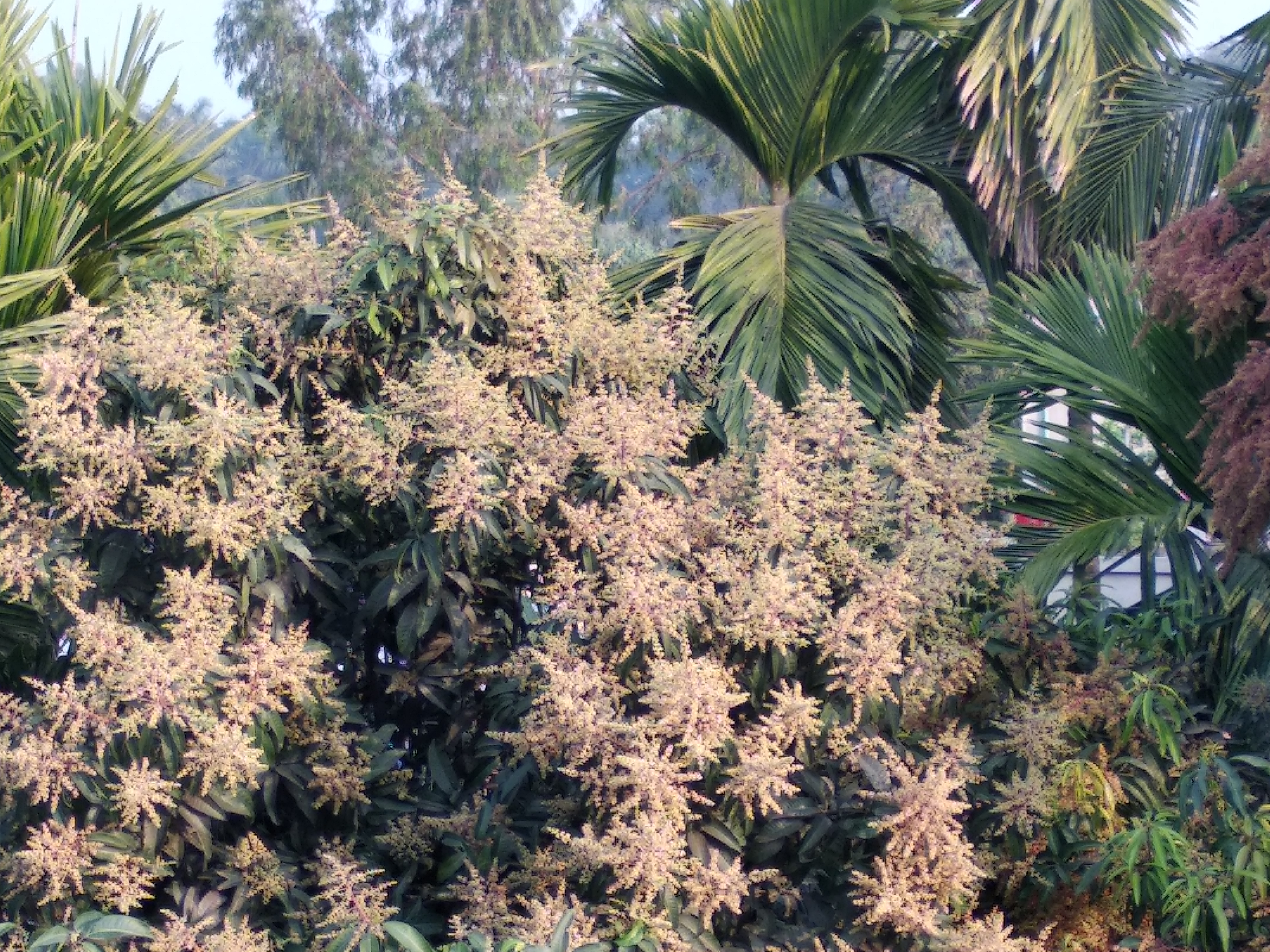
In early March 2020, the Bengali month of Falgun, mango and litchi trees across many districts of Bangladesh were covered in blossom. In Agailjhara upazila of Barishal district and Sreepur upazila of Gazipur district, almost every tree, large or small, carried clusters of yellowish flowers, with bees gathering nectar. The harvest would still depend on the weather, and growers said they expected a good crop if storms and hail stayed away.
More blossom than last year in Agailjhara
In and around Agailjhara, far more mango and litchi trees were in blossom that year than the year before. Light rain at the start of the season and favourable weather brought heavy blossom to trees of every size. Citing the upazila agriculture office, the report said that if the weather held for a few more days, mango and litchi production could double.
What Sreepur growers said
In several mango and litchi orchards in Gazipur, rows of trees were full of blossom. Most grow in homestead yards. Growers said trees of all sizes had blossomed and they were busy tending their orchards, while seasonal fruit traders were buying mango and litchi trees in advance in the hope of bigger profits.
Fazlul Haque Morol, a mango grower in Singar Dighi village of Mawna union, Sreepur, said he had 6,000 mango trees of various varieties on 20 bighas, and the favourable weather had brought heavy blossom. "I am tending the trees regularly for a good harvest. Proper care from before the blossom appears until the fruit sets is essential," he said. Barring natural disasters, he expected a record mango crop compared with other years.
Afaz Uddin of Abdar village and several litchi orchard owners in Dombari village, also in Sreepur, said their orchards had blossomed heavily. A sudden storm had badly damaged the litchi orchards the season before, so they were counting on good weather this time. Sreepur upazila agriculture officer Muyidul Hasan said the agriculture department was advising growers on orchard care and that, barring natural disasters, the mango and litchi crop would be good.
The north showed the same picture. On 25 February 2020, Bangladesh Post reported heavy mango blossom in the orchards of 13 upazilas of Dinajpur. Touhidul Iqbal, deputy director of the Department of Agricultural Extension (DAE) in Dinajpur, told the paper the blossom had come early that year and he expected a good crop if the weather stayed fair.
From blossom to fruit: why the weather matters
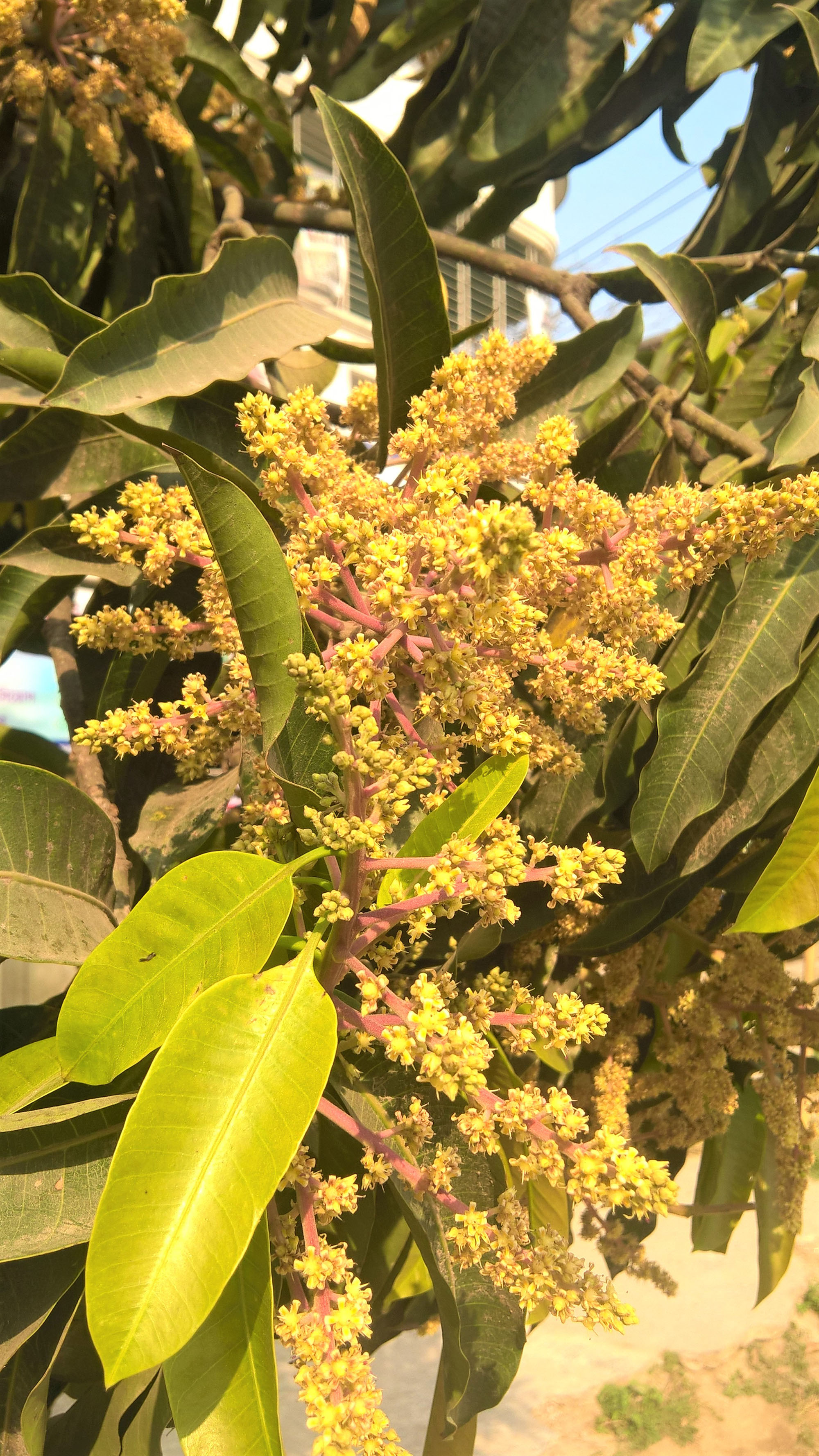
According to Banglapedia, mango flowers are small, whitish-yellow or violet and fragrant, borne in large panicles at the ends of branches. One panicle may carry 100 to 250 flower buds, but only about one or two flowers in a thousand become a mature fruit. Fog, rain or cloudy weather during flowering from January to March reduces fruit set, and storms, especially hailstorms, knock off immature fruit.
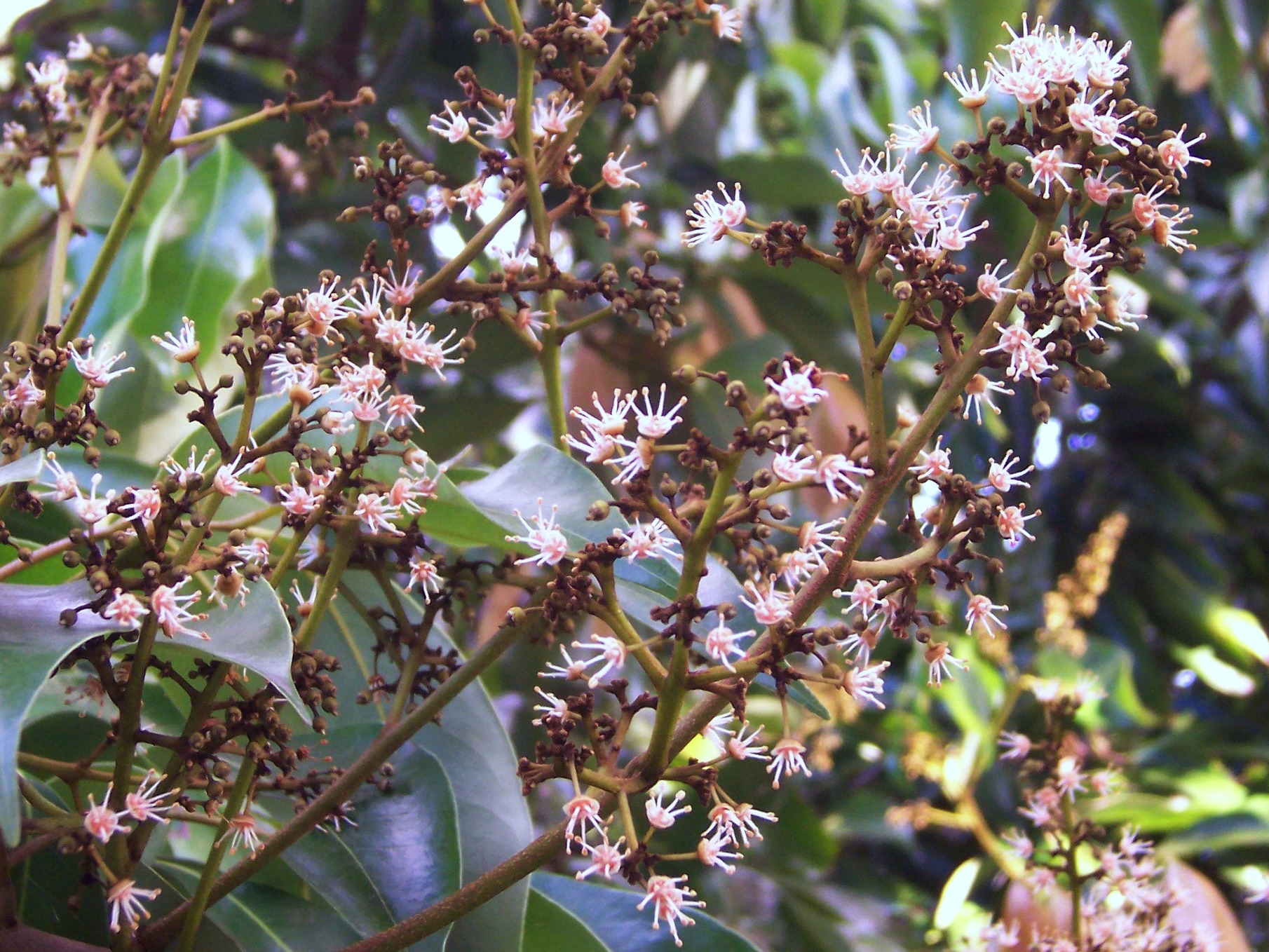
Litchi can be grown in every district but is grown mainly in Rajshahi, Rangpur, Dinajpur, Jessore, Kushtia, Mymensingh and Narayanganj. Banglapedia ranks it second only to mango in production among the country's tree fruits. Its flowers are small and off-white, and dry hot air harms the fruit.
Pests and disease at blossom time: DAE advice
Banglapedia notes that about three dozen insect pests attack mango in Bangladesh, chief among them mango hoppers, fruit weevils, the stem borer and the fruit fly, while fungal diseases such as anthracnose, sooty mould and powdery mildew also cause heavy losses. An infested panicle sets few fruits or none.
The Agriculture Information Service (AIS), in its Krishi Kotha guide to farm work in Falgun, says anthracnose appears on mango panicles at this time and large numbers of hopper nymphs gather on each panicle. Against hoppers, AIS advises spraying an insecticide once within 10 days of the panicles appearing but before the flowers open, and again a month later, wetting leaves, panicles and branches. Against anthracnose, it advises a fungicide spray on affected trees after the panicles appear but before the flowers open, and a second spray when the fruits are the size of peas. Growers should ask the upazila agriculture office which products and rates to use.
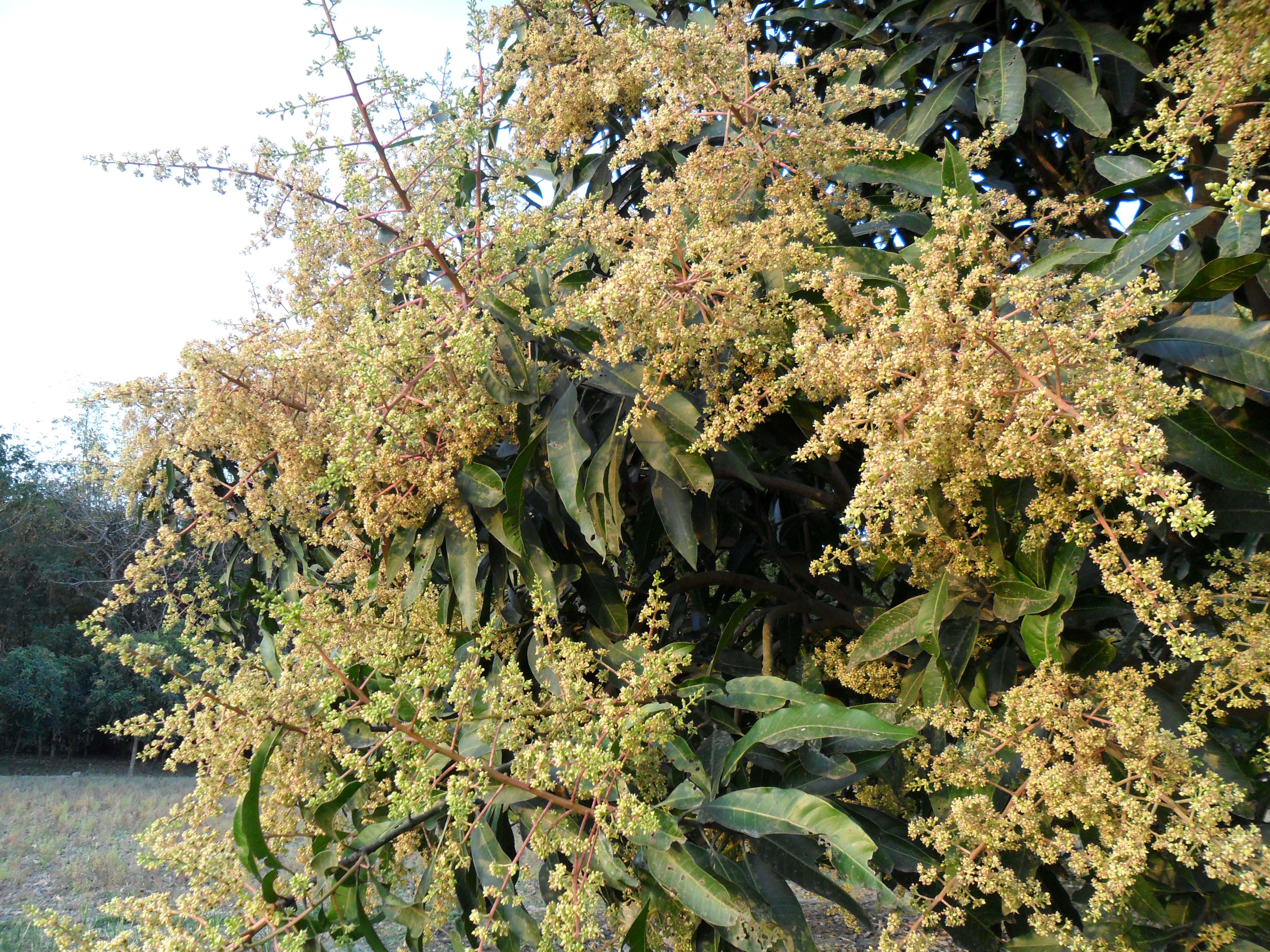
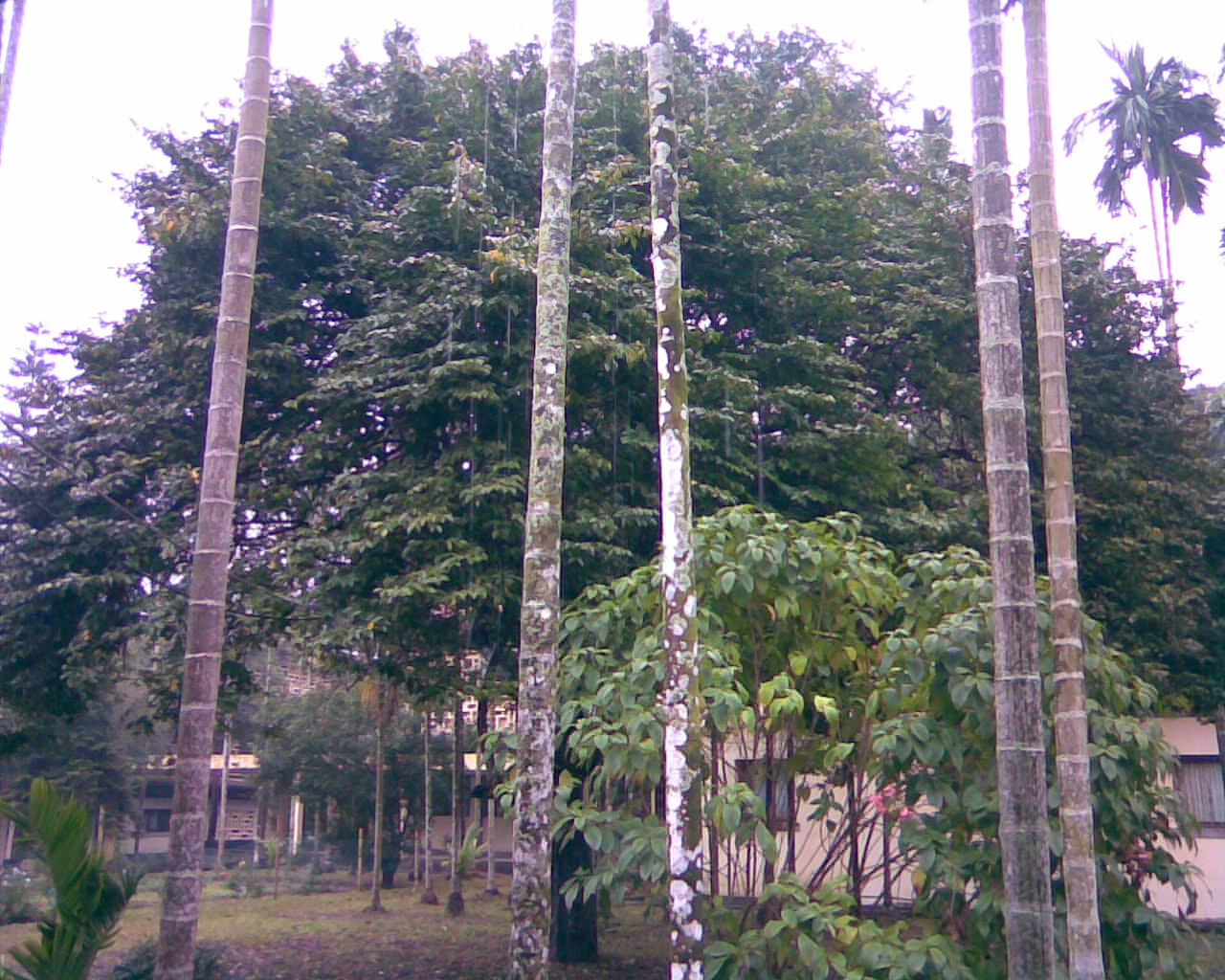
Photo: Sd Raihan / Wikimedia Commons (CC BY-SA 4.0)
Sources: The Agro News, Bangladesh Post (25 February 2020), Agriculture Information Service (Krishi Kotha, farm work in Falgun, 1422), Banglapedia (Mango, Litchi), Wikipedia (Agailjhara Upazila, Sreepur Upazila)
Comments
(0)