
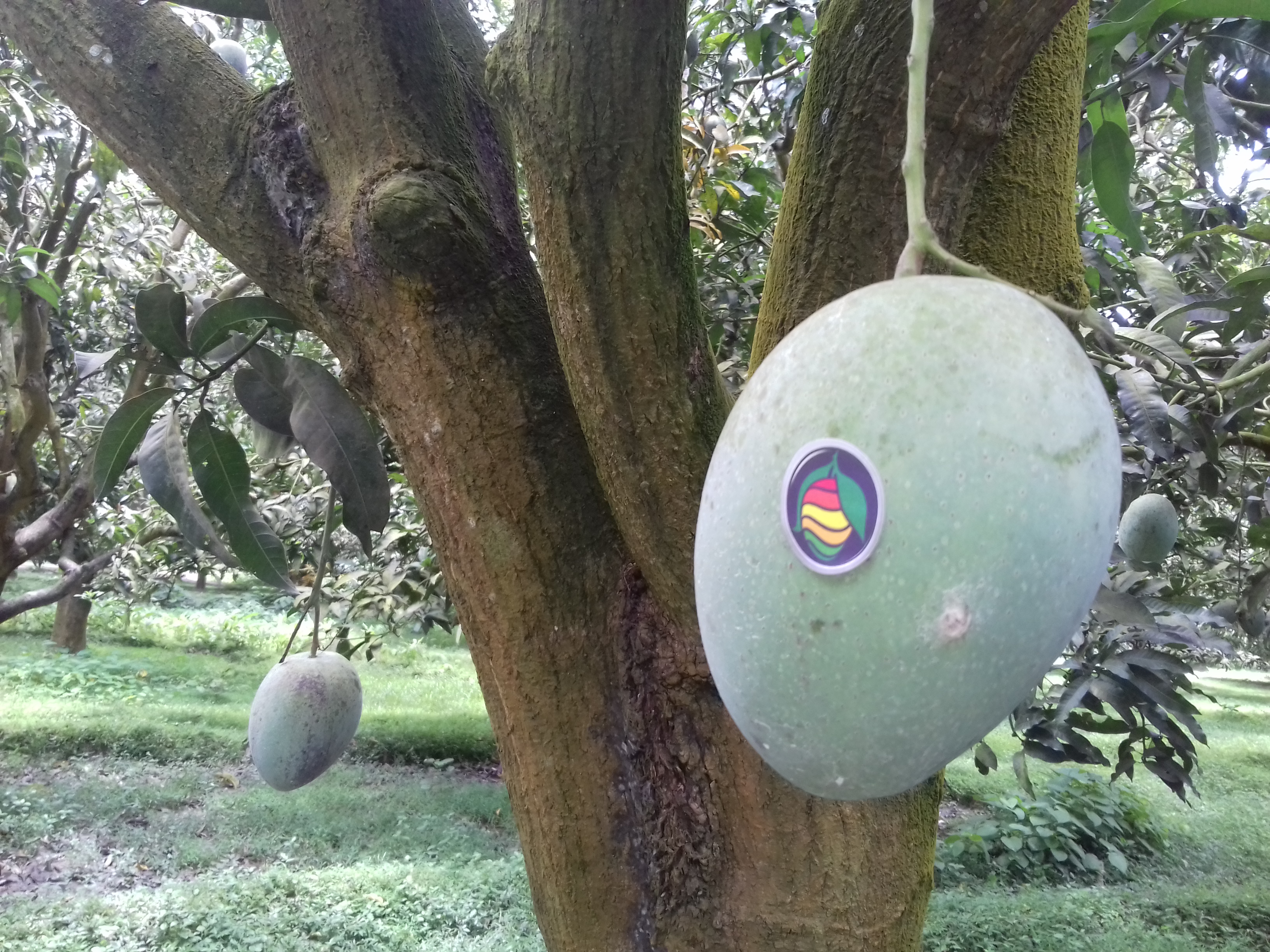
In June 2026 the Bangladesh embassy in Kathmandu gave Khirshapat mangoes from Chapainawabganj, a variety with Geographical Indication (GI) status, to prominent people in Nepal. Under the embassy's annual "Season's Best Compliments" initiative, more than 1,750 kg of mangoes went to more than 360 recipients, among them Nepal's President, the Speaker and members of the Council of Ministers. The public relations officer of Bangladesh's Ministry of Foreign Affairs announced it on the night of Friday, 12 June.
The embassy described the gift as a diplomatic gesture of goodwill and friendship. The embassy itself called the effort its "Mango Diplomacy" initiative in Nepal.
Who received the mangoes
According to the release, the premium Bangladeshi mangoes were presented to Nepali dignitaries, senior government officials, ambassadors and members of the diplomatic corps in Kathmandu, business leaders, civil society representatives, and close friends and well-wishers of Bangladesh and its people. An embassy team delivered the mango packs to the recipients.
In the embassy's words, the initiative reflected the long-standing friendship between Bangladesh and Nepal and the close ties between their peoples. It called the gift a symbol of warmth, goodwill and diplomatic cordiality that it expected to strengthen relations between the two countries further. The embassy thanked everyone who had helped carry out the mango diplomacy initiative in Nepal.
From Chapainawabganj to Kathmandu: the route the mangoes took
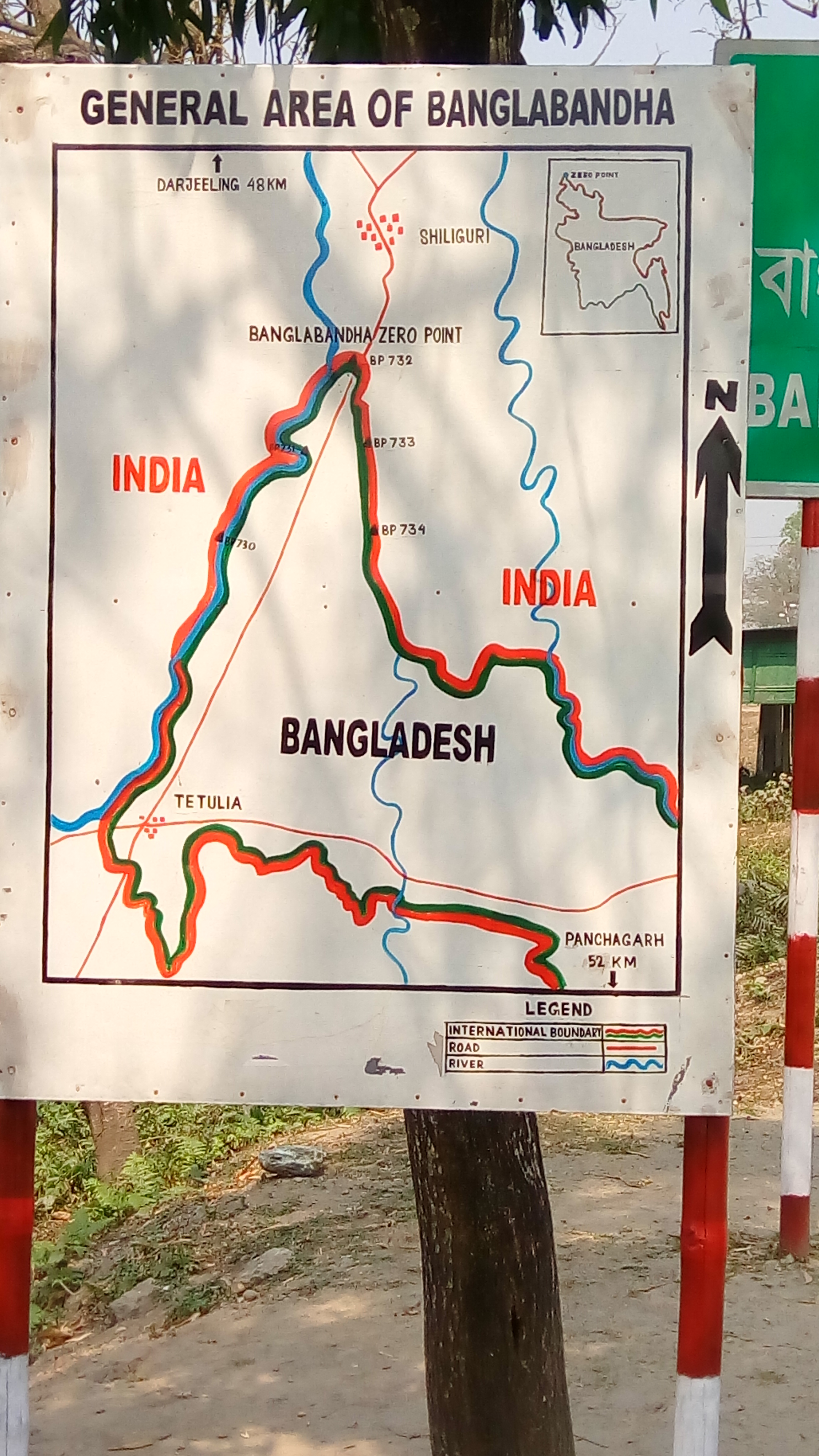
The mangoes were freshly picked from two orchards in Chapainawabganj, the district known as Bangladesh's mango capital. To keep their quality and freshness, the consignment travelled by road through three border points: Banglabandha land port in Panchagarh district of Bangladesh, Fulbari land port in India's West Bengal on the Siliguri border, and the Kakarbhitta crossing into Nepal.
Bangladesh and Nepal do not share a border. Between them lies the Siliguri Corridor, a narrow strip of India's West Bengal often called the "Chicken's Neck", so Bangladeshi goods going to Nepal by road must cross Indian territory. Encyclopedic references, citing a World Bank publication, record that the Phulbari arrangement of 1998 between India and Bangladesh opened a transit route through India for Nepalese goods to reach Bangladesh.
Banglabandha is a land port at the far northwestern tip of Bangladesh, in Tetulia upazila of Panchagarh district. It was built to link Bangladesh by trade with India, Nepal and Bhutan, and before becoming a port it served as a land customs station. Encyclopedic references describe it as planned to be the country's first "export-oriented" land port, since Bangladesh's other land ports mainly handle imports from India. The port lies about 57 km north of Panchagarh town and was formally inaugurated in May 2004.
Fulbari (also spelled Phulbari) lies just across the border on the Indian side. Vehicle crossings between the two points were inaugurated in January 2011; before that, Nepal-Bangladesh transit along this route had run in a limited way since 1997. Loaded lorries cross the border and unload at warehouses in the other country. Kakarbhitta, on the Nepal border, is about 61 km from Banglabandha.
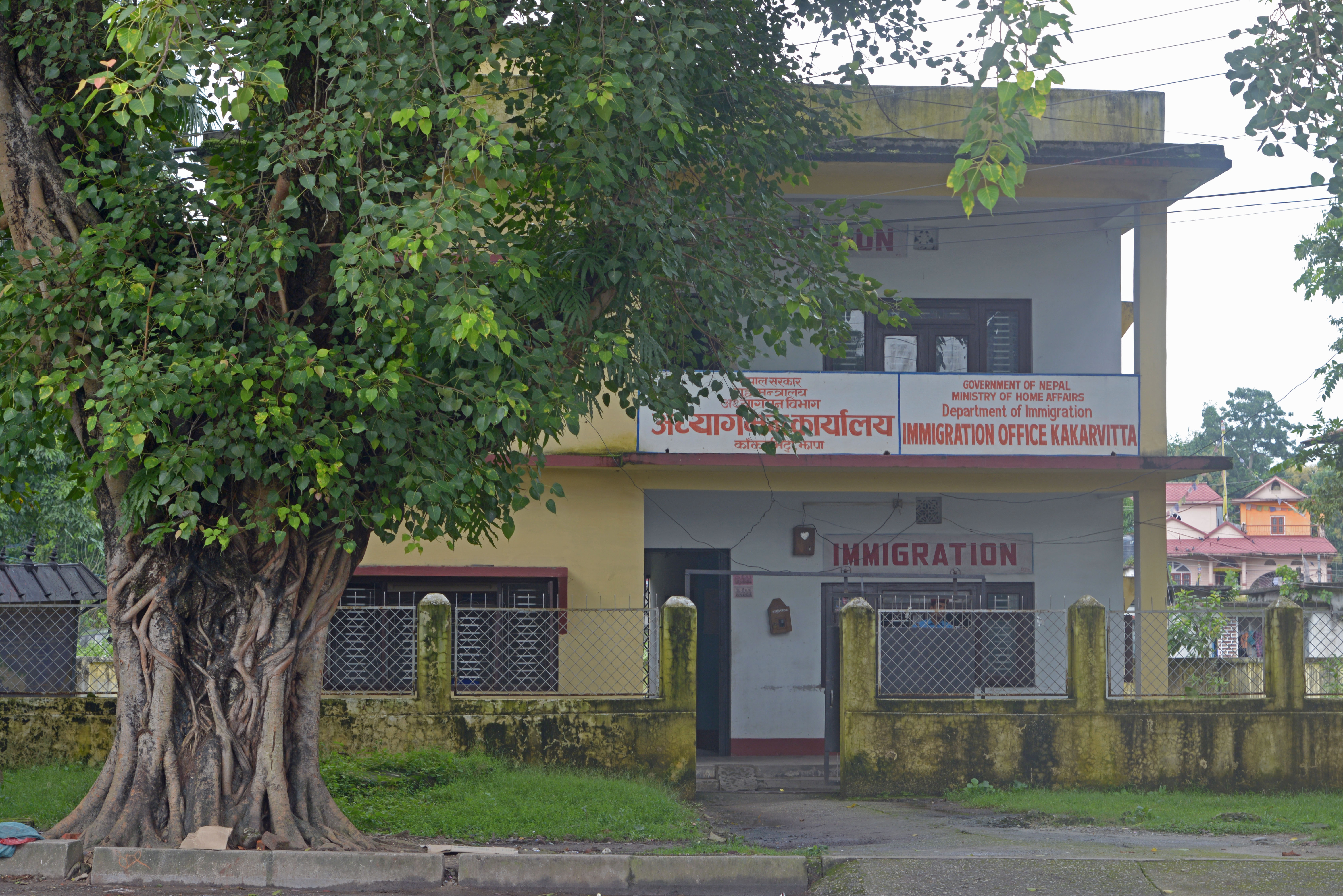
Kakarbhitta (also written Kakarvitta or Kakadbhitta) is a neighbourhood of Mechinagar municipality in Jhapa district, Koshi Province, in southeastern Nepal. It is the eastern end of Nepal's east-west Mahendra Highway, facing Darjeeling district of West Bengal across the border. It has a checkpoint for customs and for citizens of third countries, and cross-border traffic between Nepal, India and Bangladesh passes through it. Kakarbhitta is about 21 km from Bhadrapur airport in Nepal and about 21.5 km from Bagdogra airport in India.
Khirshapat: what kind of mango it is
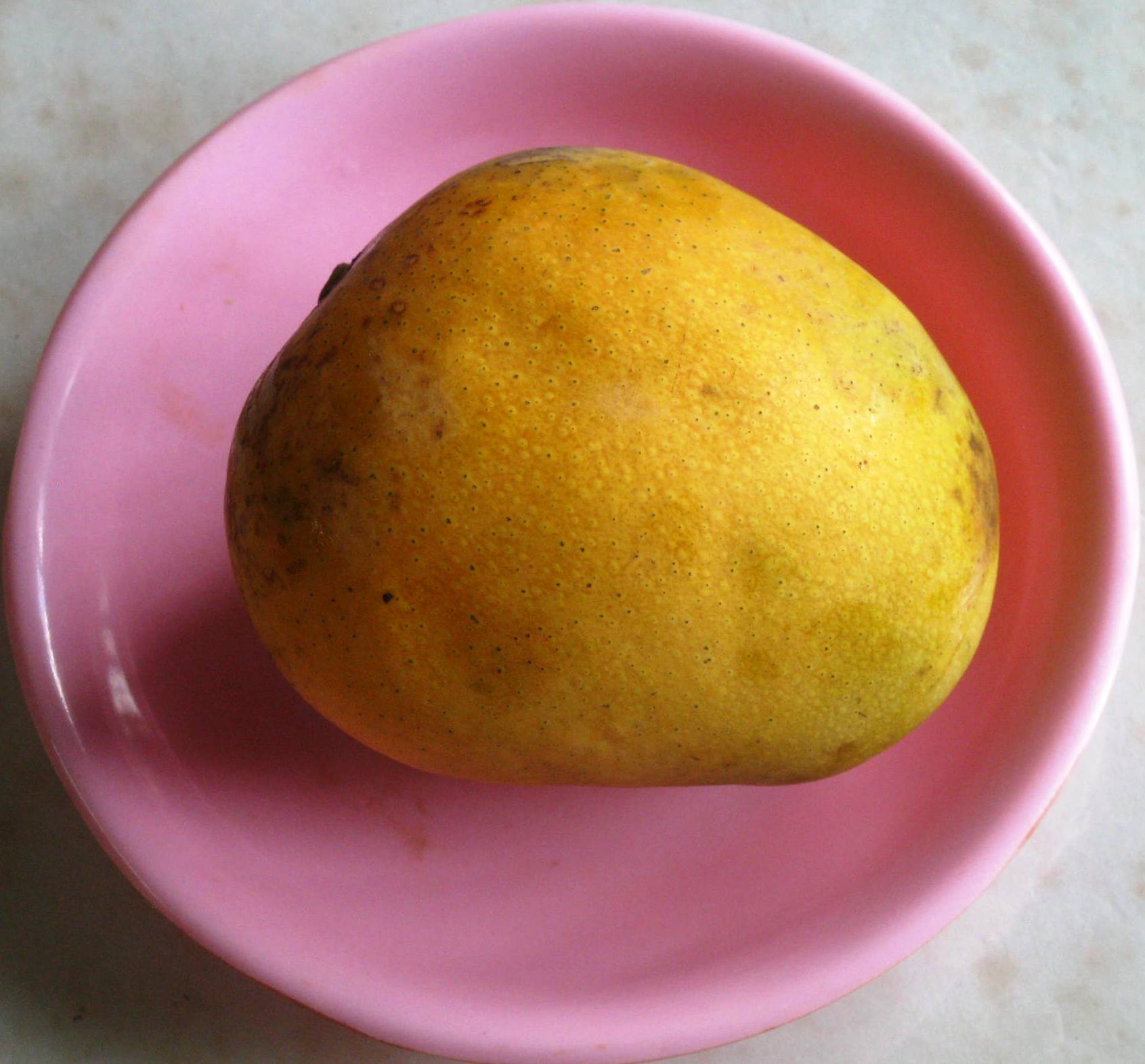
The variety sent as a gift was Khirshapat, also called Khirshapati or Khirsapat. The embassy's release called it one of the most flavourful mangoes of the Indian subcontinent. Banglapedia lists Fazli, Langra, Gopalbhog, Himsagar, Khirsapat, Ashwina, Lakshmanbhog and Mohanbhog among Bangladesh's elite mango varieties and says these are grown mostly in Rajshahi, Nawabganj and Dinajpur.
Mahbub Siddiqui, a researcher on rivers and local history, described the variety in detail in a June 2019 article in Prothom Alo. By his account it is an early variety. It begins to ripen in early June and stays in the market until about mid-July, but its true season is 7 to 30 June. It takes about four months from flowering for the fruit to mature.
The same article describes a medium-sized, roughly round fruit with an average weight of 263 grams. The stalk is thick and firm, the skin smooth, and the area around the stalk turns yellow when ripe. The flesh is fibreless and yellowish; the edible portion is 67.2 per cent and sweetness 19 per cent. The stone is thin, and the fruit keeps for six to eight days after picking. Many high-quality varieties are still sour when ripe on the tree and need a few days indoors to sweeten, but Khirshapat can be sliced and eaten as soon as it is picked ripe.
According to Siddiqui, the variety yields very well but bears irregularly: it does not fruit every year, but in a bearing year the tree is laden. It is grown throughout Chapainawabganj, most of all in Shibganj upazila, followed by Rajshahi, and also in Natore, Dinajpur, Bogura, Naogaon, Pabna and Satkhira. A close relative called Khudikhirsha is slightly lighter and darker green.
Himsagar and Khirshapat look and taste much alike. Siddiqui wrote that because Himsagar is produced in small quantities, Khirshapat is often sold under the Himsagar name in the markets of Dhaka, Cumilla, Sylhet, Chattogram and Barishal. The way to tell them apart is colour: when ripe, the upper part of a Khirshapat turns yellow, while a Himsagar stays a greenish pale yellow. Reporting the GI certificate in 2019, The Daily Observer also described Chapainawabganj's Khirsapat as popularly known as Himsagar.
In India's West Bengal, the mango called Himsagar is likewise fibreless and medium-sized. Encyclopedic references give Khirsapati as another name for it and list Chapainawabganj in Bangladesh, together with Malda, Murshidabad, Nadia and Hooghly in West Bengal, as its main growing areas. West Bengal's Himsagar is separately registered in India's GI register.
The GI certificate and the law behind it
A geographical indication is a name or sign that links a product to a specific place of origin. Once it is registered, only authorised producers from that area may use the product's well-known name. In Bangladesh the legal basis is the Geographical Indication of Goods (Registration and Protection) Act, 2013, adopted on 10 November 2013 as Act No. LIV of 2013.
According to the summary in the World Intellectual Property Organization's WIPO Lex database, the Act set up a GI unit in the Department of Patents, Designs and Trademarks (DPDT). Associations and government bodies representing producers may apply; applications are examined and published, and a period for objections follows. Registered authorised users can seek relief for infringement in district courts. Falsifying a GI or applying one falsely is a crime punishable by up to three years in prison and a fine of up to Tk 2 lakh, and generic or deceptive names cannot be registered.
Chapainawabganj's Khirshapat was Bangladesh's third GI product. The Daily Observer reported that on 27 January 2019 its GI certificate was handed to a chief scientific officer of the Bangladesh Agricultural Research Institute (BARI) at a ceremony at the Ministry of Industries. BARI had applied on behalf of Chapainawabganj's growers. Jamdani had been the first GI product and hilsa the second.
That report described Khirshapat as the tastiest mango of Chapainawabganj and said the variety topped the mango export list, going to countries in Europe and the Middle East once local demand was met. More mangoes joined the GI list later: Fazli of Rajshahi and Chapainawabganj received its GI certificate in April 2023.
Chapainawabganj, the mango capital
According to Banglapedia, this district of Rajshahi division covers 1,702.55 sq km. It is bounded by India's West Bengal on the north, south and west and by Rajshahi and Naogaon districts on the east. It is made up of Barind tract, diara and char land, and its main rivers are the Padma, the Mahananda and the Pagla. Until 1947 Nawabganj was a thana of Maldah district; at Partition it became a subdivision of Rajshahi district, and in 1984 it was made a district.
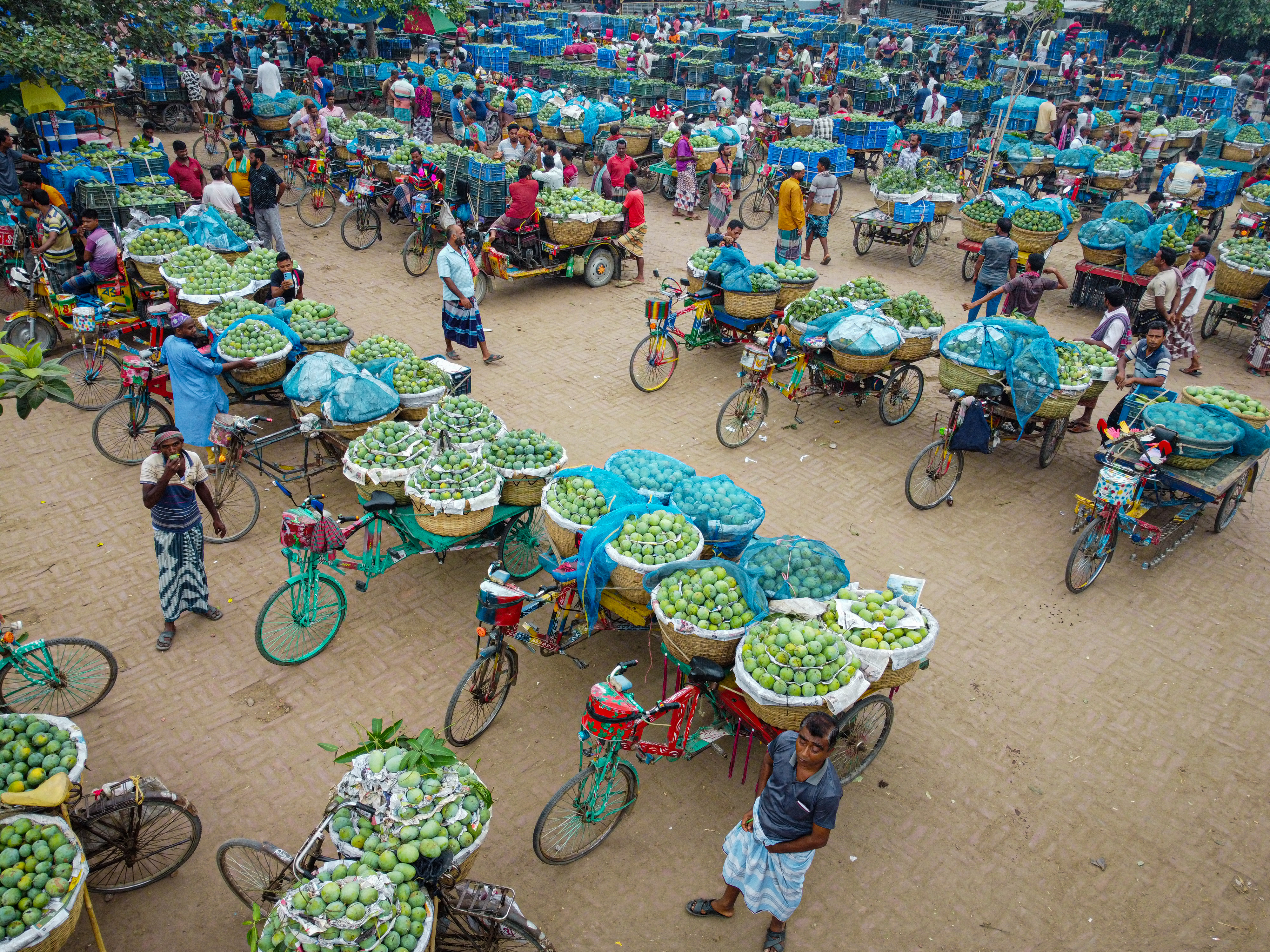
The district's five upazilas are Sadar, Shibganj, Bholahat, Gomastapur and Nachole. Shibganj is the largest at 525.43 sq km, or 30.86 per cent of the district, and Bholahat the smallest at 123.52 sq km. The district's largest mango market is at Kansat in Shibganj.
BARI set up its Mango Research Station at Nawabganj in 1985 under its Horticulture Division. Banglapedia says the station covers about 12.40 hectares with an orchard, laboratory, office and residential buildings, and holds more than 300 mango trees of about 65 cultivars. Its main aim is research on every aspect of mango cultivation, varietal improvement and production.
The district's orchards flowered heavily at the start of the 2026 season. Bangladesh Sangbad Sangstha (BSS) reported on 20 February that, according to the district office of the Department of Agricultural Extension (DAE), the district had about 9,244,765 mango trees on 37,487 hectares that season, and that around 70 per cent of trees had flowered by then.
On 16 May BSS reported that the district's production target for 2026 was 458,912 tonnes, 912 tonnes more than the previous year's target of 458,000 tonnes. The DAE's deputy director for the district told BSS that the weather, soil and geography of Chapainawabganj made its mangoes tastier than those of other districts, though they ripen somewhat later.
That year the district administration set no mango-picking calendar. The deputy commissioner told BSS that the decision was taken with growers' agreement at a meeting on 11 May, and that mangoes could be sold as soon as they ripened on the tree. Ripe Guti and Gopalbhog mangoes were reported in parts of the district from 14 May. In the same report a grower in Shibganj complained that although a maund should be 40 kg, sellers had to give 50 to 55 kg per maund depending on the market; the deputy commissioner said he would discuss this long-running weighing problem with higher authorities.
Mango production and exports in Bangladesh
The mango tree is Bangladesh's national tree. bdnews24 reported on 15 November 2010 that the cabinet had decided at its regular meeting that day to declare it so; the country had no national tree before.
Banglapedia gives the mango's scientific name as Mangifera indica, of the family Anacardiaceae, and notes that some authorities consider cultivated mangoes indigenous to the eastern Indian subcontinent, including Bangladesh, Assam and Myanmar. Nearly 100 cultivars are found in Bangladesh. They fall into two groups: elite varieties propagated by grafting and other vegetative methods, and local seedling mangoes known as "deshi" or "guti". Grafted trees usually first bear fruit in the fourth year after planting.
Banglapedia adds that many of the country's best orchards stand on deep, alluvial loam in the Gangetic floodplains, and that the best soil pH for mango is 5.5 to 7.5. Fog, rain or cloudy weather during flowering from January to March harms fruit set; light showers help the fruit grow, but storms and hail make immature fruit drop.
In early May 2026 the fresh-produce trade outlet FreshPlaza, citing the Dhaka newspaper Daily Sun, reported that the director of the DAE's Exportable Mango Production Project expected national mango output that season to exceed 2.7 million tonnes if the weather held, against the previous year's target of 2.66 million tonnes. Mango cultivation had expanded to 204,000 hectares that season.
The same report said Bangladesh had exported a record 2,194 tonnes of mangoes to 29 countries in 2025, and that exports were expected to reach 3,000 tonnes in 2026 with new markets such as Malaysia and Japan. Harvesting began on 5 May and was to run until mid-October across the main producing districts, including Chapainawabganj, Rajshahi, Satkhira and Dinajpur. Mangoes for export are picked at about 80 to 85 per cent maturity to keep their quality in storage and transport.
A tradition of mango diplomacy
Seasonal mango gifts are not new in Bangladesh's diplomacy. The Dhaka Tribune wrote in July 2025 that the practice known as "mango diplomacy" had also been followed under the previous administration and continued to serve as a symbol of goodwill and exchange.
According to reports by the Dhaka Tribune and UNB at the time, in July 2025 the interim government's Chief Adviser sent 1,000 kg of Haribhanga mangoes to India's Prime Minister, a consignment that reached New Delhi on 14 July. Earlier, 300 kg of Haribhanga mangoes in 60 cartons had been sent through Akhaura land port for the Chief Minister of India's Tripura state and other dignitaries. The reports said Bangladesh's government sends seasonal gifts to Tripura's state government every year, and Tripura sends its well-known Queen pineapples in return.
UNB reported on 15 July 2025 that the Chief Adviser's mangoes that year were going to several South Asian leaders, among them Nepal's President, Vice President and Prime Minister, as well as leaders of Bhutan, Pakistan and the Maldives, while the Foreign Adviser sent mangoes to those countries' foreign ministers. The 2026 Kathmandu effort was the embassy's own annual programme, reaching business people, civil society and diplomats as well as office-holders.
Bangladesh and Nepal: the background
According to the U.S. Library of Congress country study on Nepal, Nepal first took a neutral stance during the 1971 war but recognised independent Bangladesh on 16 January 1972; two days after Nepal established relations with Dhaka, Pakistan broke off relations with Kathmandu. Nepal came to see Bangladesh as a much-desired gateway to the sea.
The same study records that in April 1976 the two countries signed four agreements on trade, transit, civil aviation and technical cooperation, and issued a joint communique on close cooperation in power generation and water resources. The transit agreement exempted traffic in transit from all duties and charges and designated six entry and exit points for Nepalese goods moving through Bangladesh's ports and territory. In 1986 Bangladesh also sought to involve Nepal in talks on sharing and using the waters of the Ganges.
Both countries are members of the South Asian Association for Regional Cooperation (SAARC), the Bay of Bengal Initiative for Multi-Sectoral Technical and Economic Cooperation (BIMSTEC) and the United Nations. Nepal has an embassy in Dhaka and Bangladesh an embassy in Kathmandu, the mission that organised this year's mango gift.
Photo: Fozli Mango Pack / Wikimedia Commons (CC BY-SA 4.0)
Sources: Jagonews24, The Daily Observer, UNB, BSS, Prothom Alo, Dhaka Tribune, bdnews24, FreshPlaza, Banglapedia, World Intellectual Property Organization (WIPO Lex), Library of Congress Country Studies, Wikipedia
Comments
(0)