
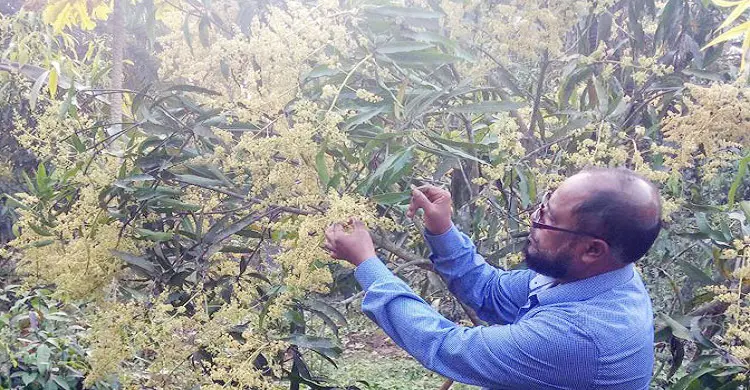
Mango trees usually come into blossom in March. Each blossom holds thousands of flowers, from which the young mangoes form. But after the young fruit appears, it drops for various reasons, so it is important to know the causes and the remedies.
Causes
Mango blossoms can drop for several reasons:
- excessive fog, rain, storms and hail;
- a lack of moisture in the soil;
- attack by hopper insects;
- anthracnose disease in the mango blossoms.
Remedies
To prevent mango blossoms dropping:
- Keep the mango orchard clean, free of weeds and open.
- Prune dead branches, and burn diseased branches and leaves.
- Collect the dead leaves from under the trees and burn them.
- Keep enough water at the base of the trees at this time.
- Spray against hopper insects when the fruit is the size of a pea; hopper sprays are usually applied before the blossoms appear.
- Spray a sulphur-based pesticide on the young fruit so that it is not attacked by fungus.
- When the mangoes are the size of a marble, spray with 20 grams of urea mixed in each litre of water.
Note: once 50 per cent of the fruit has set on a tree, no spraying of any kind should be done. Spraying after the blossoms open is not necessary, because many beneficial insects come for pollination at that time.
Source: Jagonews24. First published in Bengali on The Agro News.
Comments
(0)