
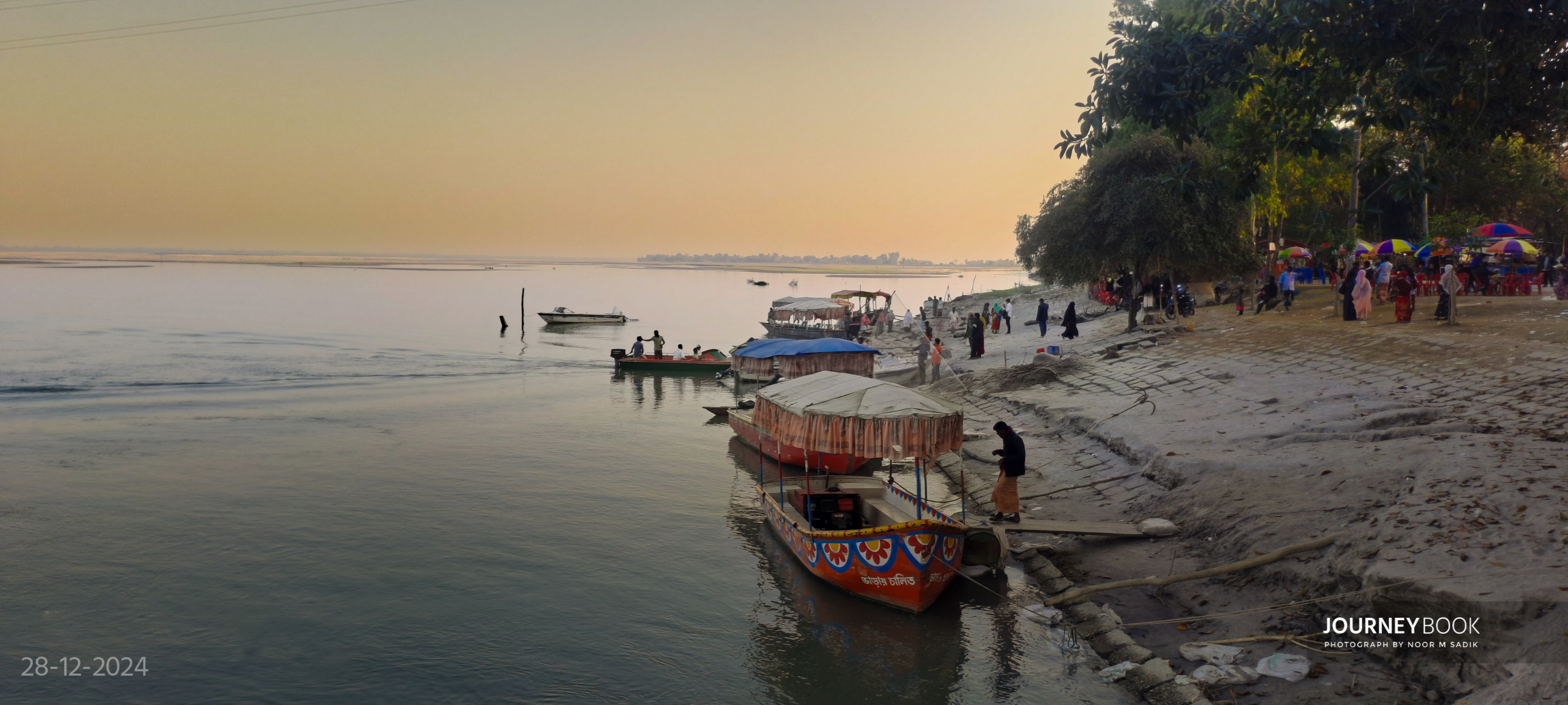
In November 2024, after several rounds of flooding, the Teesta's water receded and farmers in Lalmonirhat got busy sowing maize on the sandbars that had emerged in the river. According to a Jagonews24 report of 24 November, alongside maize they had also begun growing potato, onion, garlic, groundnut and various vegetables on the wide chars. They were sowing early in the hope of a profit, but higher prices for seed and fertiliser had left them worried.
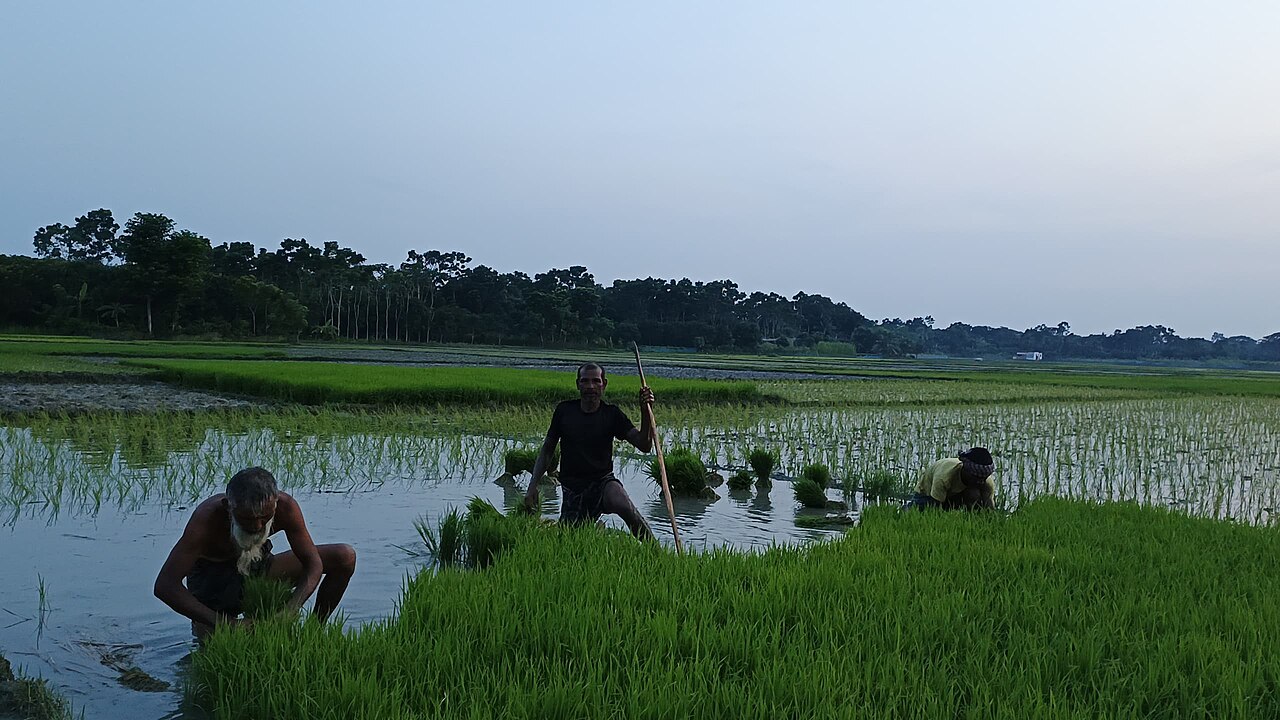
Sowing on the sandbars, seedlings already up
On the ground, some farmers were only just sowing maize, potato, onion and garlic, while elsewhere maize seedlings had already sprouted. Many were spraying pesticide to protect the young plants from insects. Mohir Ali, a farmer on a Teesta char, told Jagonews24: "I have survived by growing maize for several years. You can make more profit from maize than from other crops."
A char is land built up from silt and sand in a river channel or along its bank. Banglapedia describes how, through erosion and deposition in Bangladesh's rivers, sandbars that rise as islands in mid-channel (island chars) or join the bank (attached chars) often open new chances for settlement and farming. Chars are, however, highly exposed to erosion and floods: a large share of them goes under water every year, and an early flood can destroy standing crops. Banglapedia notes that the Teesta's chars cover much less land than those of the Jamuna, Ganges, Padma and Meghna.
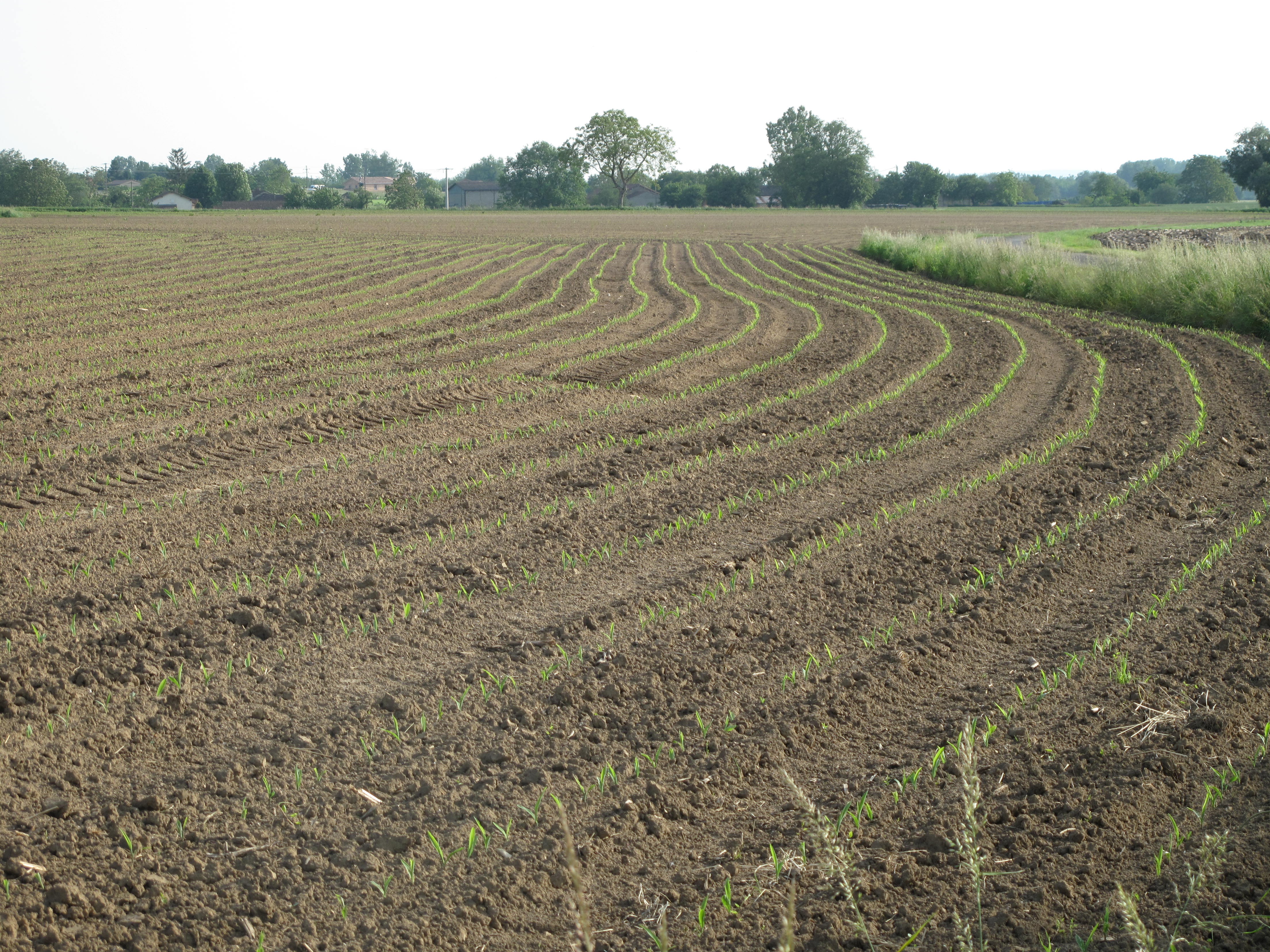
Maize, the district's branding product
Lalmonirhat, in Rangpur Division, has five upazilas: Lalmonirhat Sadar, Aditmari, Kaliganj, Hatibandha and Patgram. The Teesta runs along the district's southwestern border. Because of its high yields, maize has been made Lalmonirhat's branding product, and it is grown across all five upazilas.
The Lalmonirhat office of the Department of Agricultural Extension (DAE) said a target had been set to grow maize on 32,910 hectares that Rabi season. A char development project had started in three upazilas of the district, under which farmers were being trained in farming technology and techniques in 16 batches of 30 each.
Earlier figures show how large the crop is in the district. In December 2021 The Daily Star's Bangla edition, citing the district DAE, reported that maize had been grown on 35,300 hectares in the five upazilas that season, up from 34,570 hectares the year before, and that about 40,000 farmers in the district grew maize. According to that report, maize sowing on the Teesta chars starts in mid-November and harvesting from mid-April.
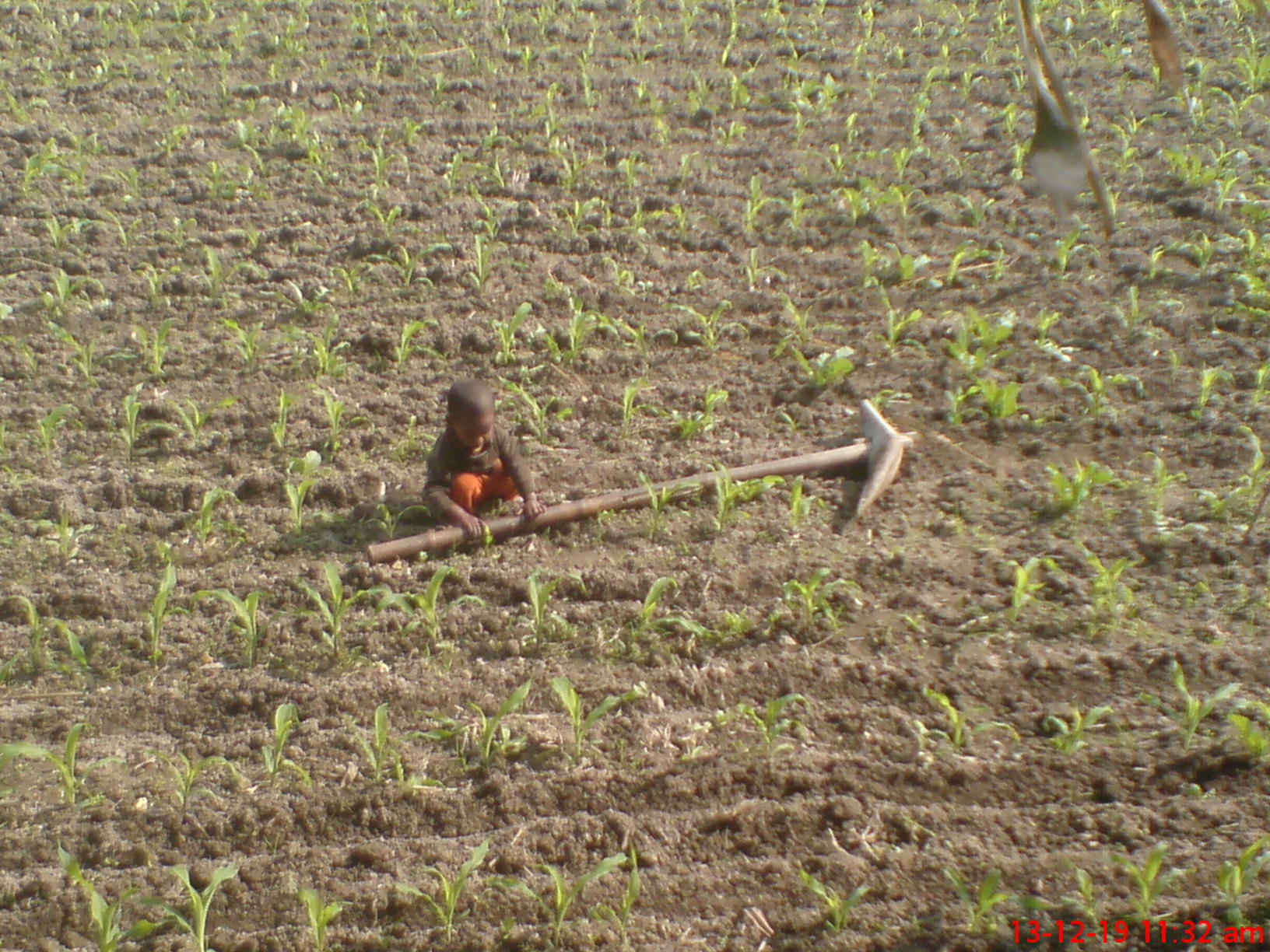
Worries over seed and fertiliser prices
According to the report, the price of maize seed had gone up by Tk 400 to 500 a kilo that year. Abdur Razzak, a farmer in Patikapara union of Hatibandha upazila, said: "Maize seed costs more this year than last time. Traders are charging Tk 700-800 for each kilo of seed. If fertiliser and seed prices keep rising like this, we will be in trouble."
Hatibandha upazila agriculture officer Mizanur Rahman said: "Maize is grown most in the char areas of the upazila, and other crops are grown as well. Farmers' lives are changing by growing maize and other crops."
Md Saikhul Arifin, deputy director of the DAE in Lalmonirhat district, said: "With the Teesta's water receding, farmers have come back to life. Char farmers are not sitting idle; they are preparing land and growing different crops. Production techniques and technology are being taken to farmers." If the weather stayed favourable and pests stayed away, farmers expected a bumper harvest that season.
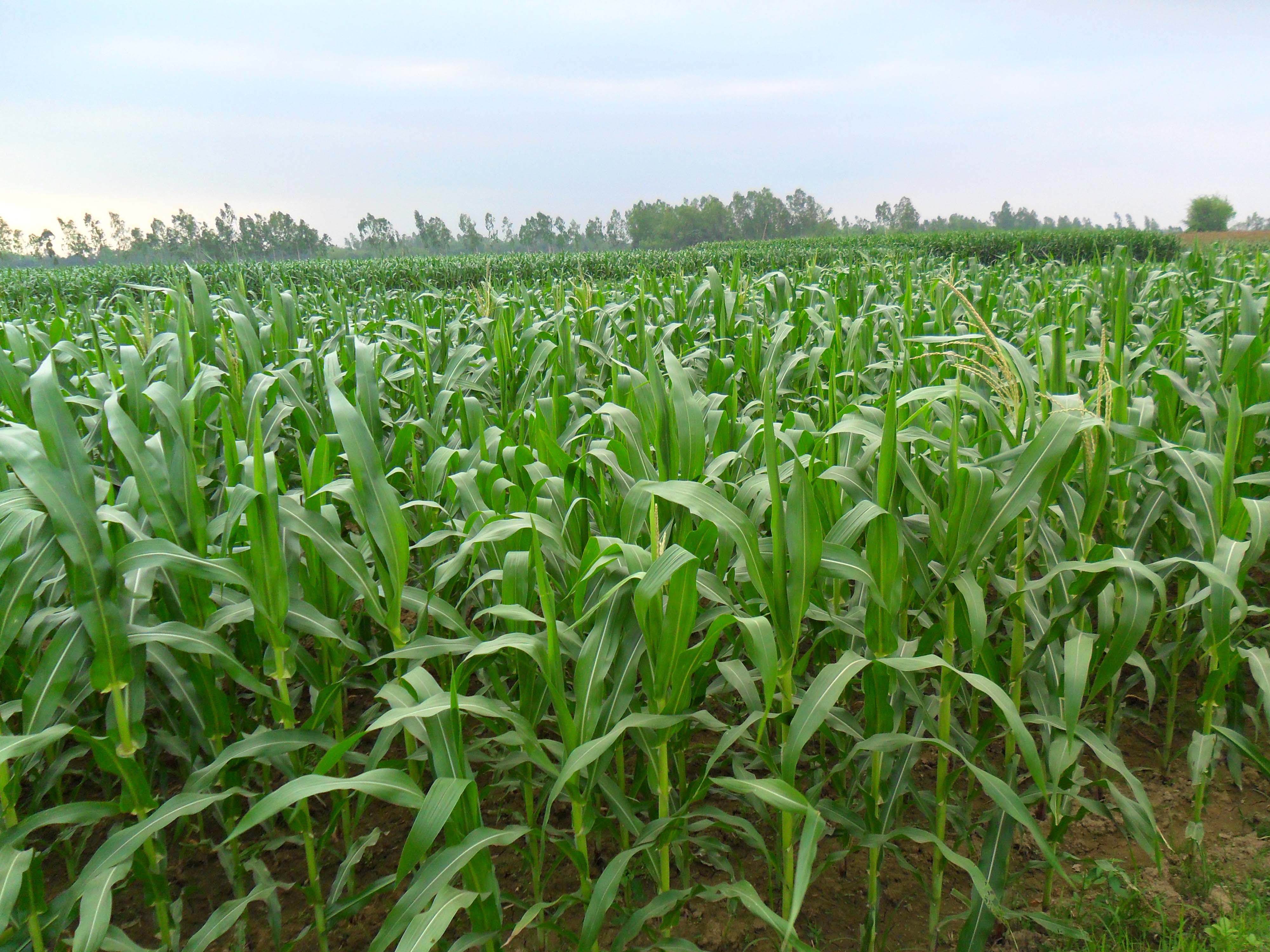
Photo: Noormsv / Wikimedia Commons (CC BY-SA 4.0)
Sources: Jagonews24, The Daily Star Bangla, Banglapedia, Wikipedia
Comments
(0)