
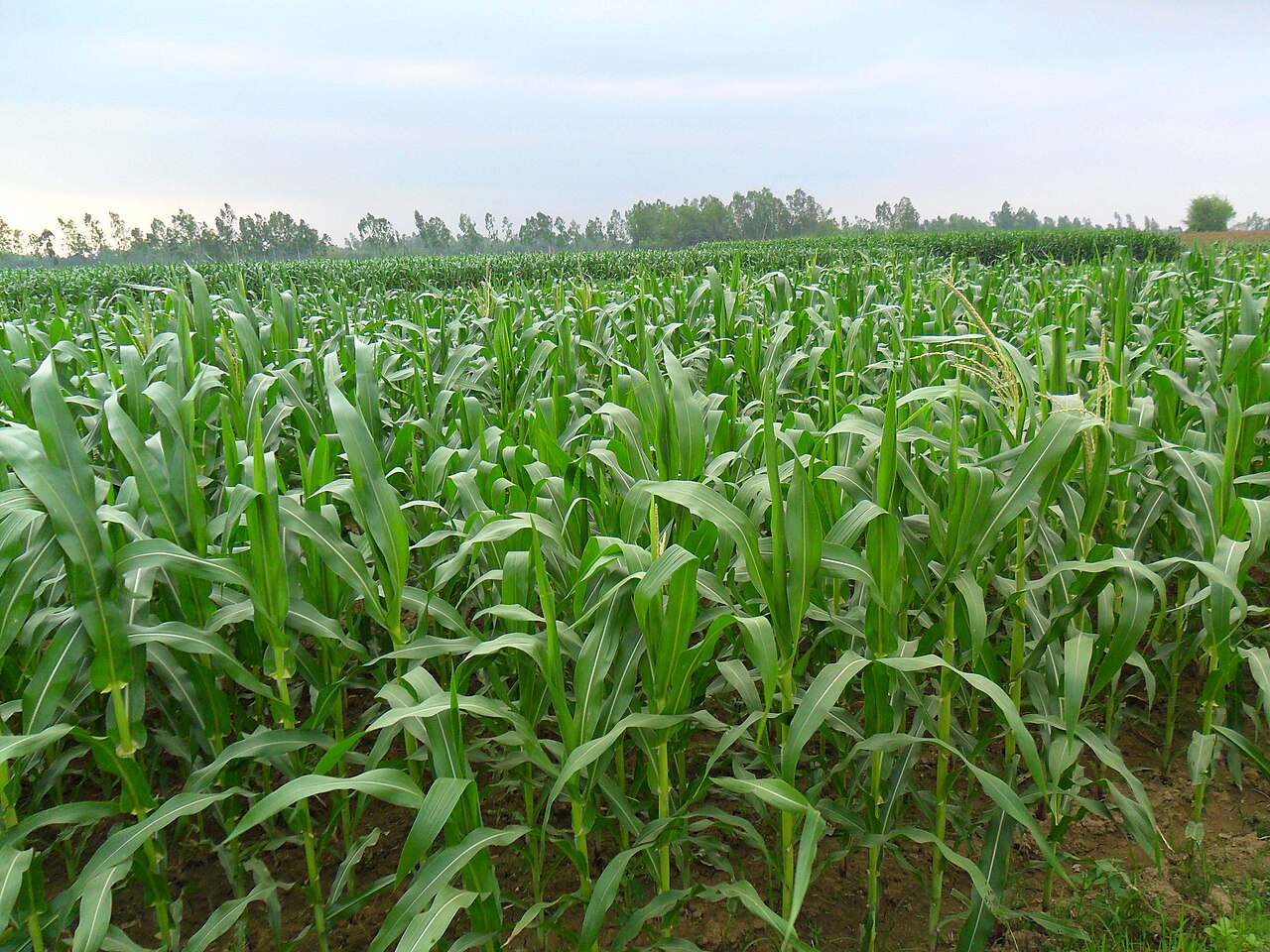
Maize is spreading fast across Bangladesh, but roughly 90 to 95 percent of the seed farmers sow is still imported. That keeps seed prices high, raises the cost of growing the crop and sends foreign currency abroad.
According to the agriculture ministry, the country produced 2,759,000 tonnes of maize in 2015-16. The Agricultural Statistics Yearbook 2025 puts 2024-25 output at 5,505,538 tonnes, close to double in ten years. Demand is rising for food and, above all, for poultry, dairy and fish feed.
The ministry's seed wing estimated maize seed demand in 2024-25 at 14,200 tonnes against a supply of 9,656 tonnes, or 68 percent of need. The public sector supplied just 412 tonnes and private companies 9,244 tonnes. The Bangladesh Agricultural Development Corporation (BADC) had a target of 30 tonnes of maize seed that year and produced 7.95 tonnes.
The Bangladesh Wheat and Maize Research Institute (BWMRI) and the Bangladesh Agricultural Research Institute (BARI) have 29 maize varieties between them, three of them BWMRI hybrids. BWMRI says its BWMRI-2 yields 12 to 14 tonnes a hectare; BADC's Hybrid Maize-3, released in 2024-25, is reported at 14 to 16 tonnes.
The price gap is wide. Dr Mahfuz Bazzaz said locally produced public seed is selling to farmers at Tk 350 a kilogram this season, while imported seed costs Tk 600 to more than Tk 1,000 depending on the variety. People in the trade say a saving of Tk 200 a kilogram would cut a farmer's costs by Tk 3,000 to 4,000 a hectare.
BWMRI figures put the cost of growing an acre of maize at Tk 57,470. At an average 130 maunds an acre that is about Tk 440 a maund, and at Tk 900 a maund the farmer's profit is Tk 59,530 an acre.
Mohammad Khaled Mostafa, an assistant general manager at Lal Teer, said little research means few local varieties, and argued that some domestic varieties hold more moisture and lose weight on drying. ACI markets 800 to 900 tonnes of maize seed a season and now produces about 300 tonnes in the country. Dr F H Ansary, managing director of ACI Agribusiness, said more than 90 percent of maize seed is imported and that it is a global commodity.
The report is by the Krishi Shomoy desk.
Photo: Reaid Hossain / Wikimedia Commons (CC BY-SA 4.0)
Source: Krishi Shomoy

Comments
(0)