
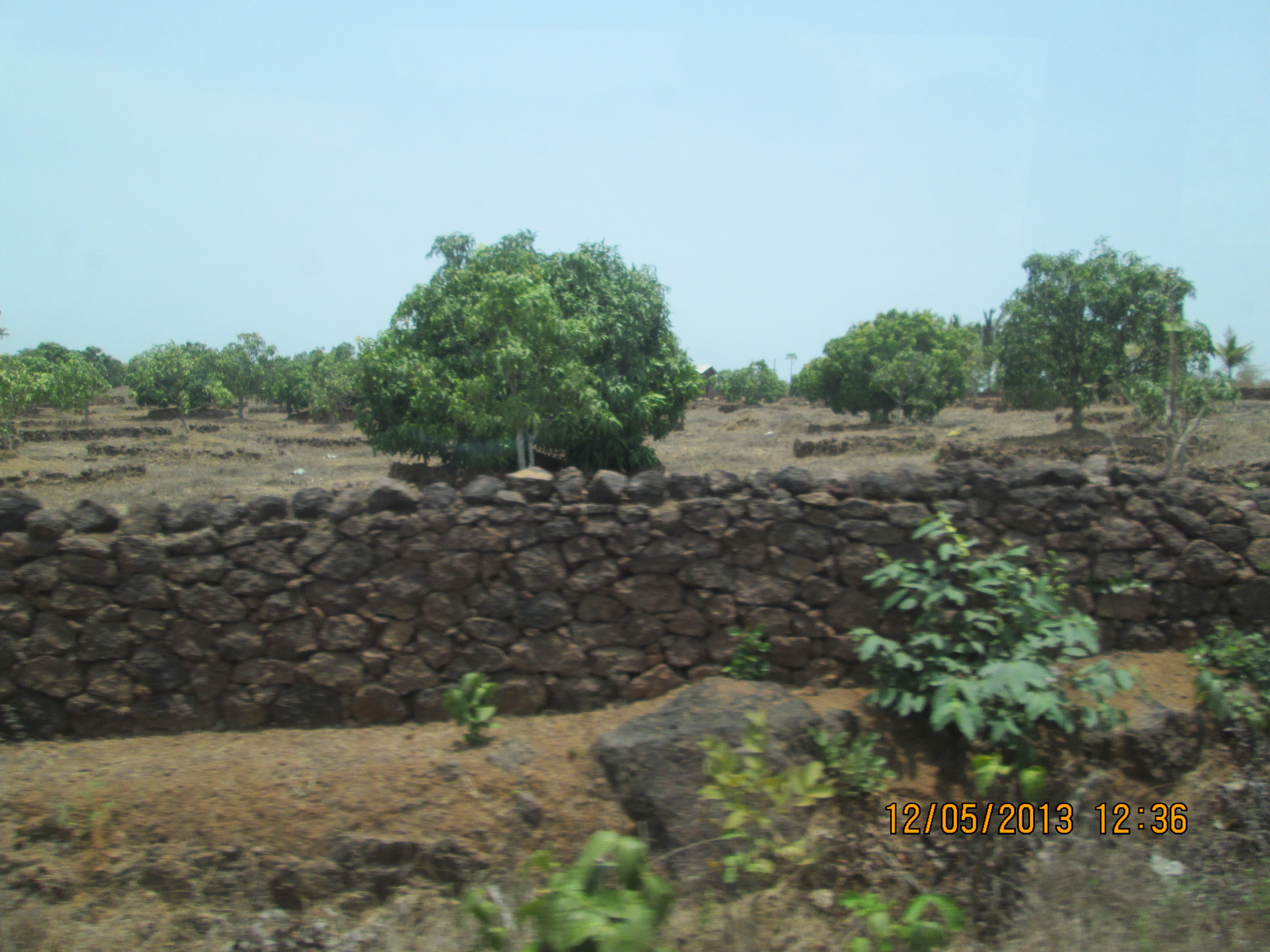
Production of the famous Alphonso mango suffered heavy losses in the 2026 season in India's western state of Maharashtra because of adverse weather. In a report filed from the coastal town of Devgad on 26 May 2026, Reuters said the crop of the variety known as the 'King of Mangoes' had fallen so sharply that growers, traders and exporters were deeply worried. Jagonews24 carried the Reuters report in Bengali the same morning.
According to Reuters, officials in Maharashtra said hotter weather had ruined that year's Alphonso crop. The reporter spoke to more than a dozen farmers in the state as well as traders, businesses, exporters and government officials, who said losses had been severe and production among the lowest in decades. At the same time, exports to the Gulf were falling because of the Iran war.
Almost no fruit in Devgad's orchards
Komal Walke, a 26-year-old horticulturist in Devgad, told Reuters that her family's three acres of orchards had produced almost no Alphonso mangoes that year. To keep her father's business afloat and to meet orders from India's online grocers, she had been forced to source fruit from larger farms. "If we don't deliver on our orders, the big clients will not return next year," she said.
Devgad is one of Maharashtra's top Alphonso-growing areas. Bapusaheb Manikrao Lambade, a government agriculture officer there, told Reuters that a sharp difference between day and night temperatures in December and January hurt flowering and fruit setting. Hotter than usual weather in April and May then spoiled the fruit itself. He said that heat was probably due to the El Nino weather phenomenon.
A government-backed survey by scientists and field officials earlier that year, a copy of which Reuters reviewed, estimated the season's crop losses in Devgad at 85% to 90%. Reuters said the weather had also caused losses in mango-growing areas elsewhere in the state.
The damage spread to businesses tied to the seasonal mango trade. Sanjay Nare, a 52-year-old maker of mango cartons in Malvan, a coastal town about 50 km from Devgad, told Reuters he had unsold stock of nearly 100,000 boxes in his factory that year. "The economy in this region is sustained by mangoes and fishes. Without our seasonal mangoes (in summer), we have very little else," he said.
Warnings from early in the season
The losses in Devgad did not appear suddenly. From March 2026, Indian media had been reporting distress in the Alphonso orchards of the Konkan coast. In a report published on 24 March 2026, Outlook India said losses were estimated at 80-90% for mangoes in Sindhudurg and Ratnagiri districts and 60-70% for cashews in Sindhudurg. It said the 2025 season had brought intense heatwaves, while the 2026 season brought an abnormally long winter that disrupted the flowering cycle, so that trees produced mostly male flowers, which cannot bear fruit.
According to the same Outlook report, farmers blocked the Mumbai-Goa highway on 23 March. Farm leader and former MP Raju Shetti demanded compensation of Rs 5 lakh for each mango farmer and Rs 3 lakh for each cashew farmer. Yash Surendra Parab, a farmer from Devgad, said he could not pay his 10 to 12 workers on time. Maharashtra Chief Minister Devendra Fadnavis had said relief measures for affected farmers would be announced in the legislature before the session ended.
On 10 April 2026, the news platform 101Reporters reported from Pune that with March almost over, not one mango from the orchards of Mandar Khedkar, who farms in Sangameshwar and Ratnagiri talukas of Ratnagiri district, had reached Pune. By March he would normally harvest 30 boxes a day, each holding four dozen mangoes; that year he was getting only 10 to 15 boxes a week. Anand Desai, who owns orchards in Pavas village in Ratnagiri taluka, told the reporter: "Almost 80% of the mango crop is gone. What we have left is not enough even for the local market."
Officials at the Vashi wholesale market in Navi Mumbai told 101Reporters that only about 500 boxes had arrived around Gudi Padwa, the Marathi new year, against the usual 50,000 boxes from Konkan alone. Nilesh Pujari, a farmer in Devgad taluka with an orchard of 1,000 trees, said flowering had looked good but the flowers later turned out to be mostly male; he expected only 20% of his usual produce. Avinash Desai, whose orchards are near Ganpatipule, said he would consider himself lucky to get even 10% of his usual crop.
In an analysis published on 12 May 2026, the farm news outlet AgroSpectrum India said monsoon-like conditions lasting into November had kept orchards from entering the dry phase they need before flowering. An abrupt cold spell in December then coincided with the trees' reproductive stage. In several orchards only 10-15% of the expected flowering turned into viable fruit, and lingering stress caused early fruit drop. In the same piece, Ganesh Gavakar of the Swabhimani Shetkari Sanghatana called for compensation of Rs 5,000 per tree and full loan waivers across Maharashtra's 14 mango-growing districts.
From blossom to fruit: why the Alphonso is so sensitive to weather
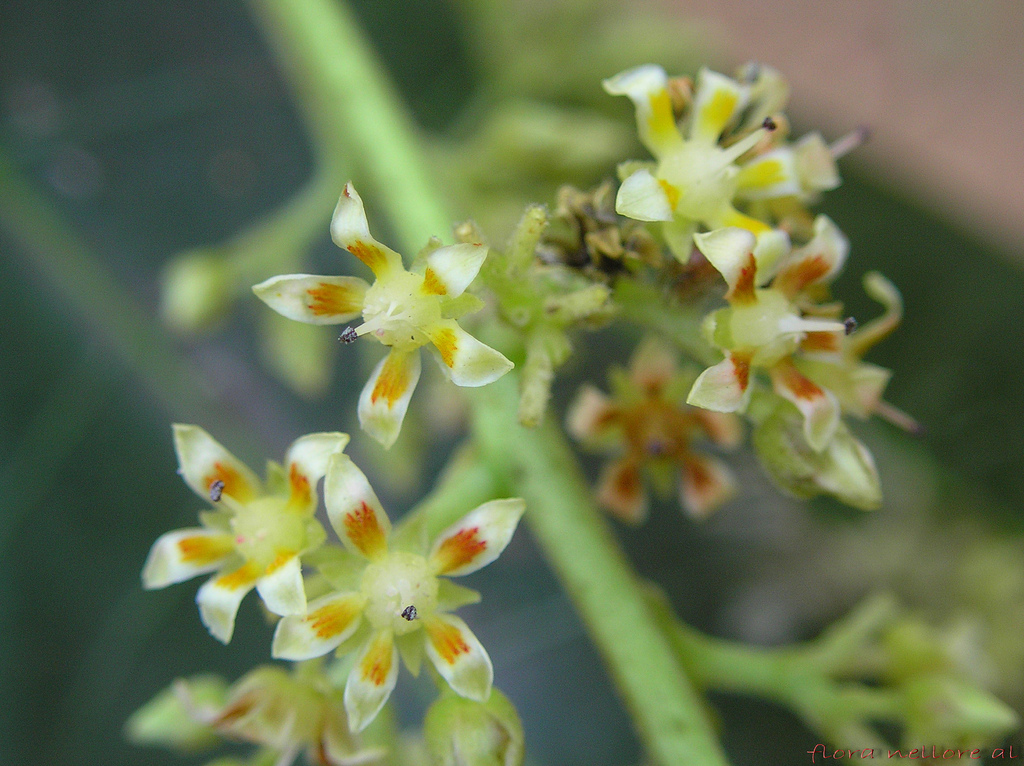
A mango inflorescence is a branched panicle at the tip of a shoot, up to about 0.6 metres long, carrying several hundred to several thousand flowers. A 2017 paper by researchers at the horticulture department of Banaras Hindu University explains that each panicle bears two kinds of flowers, male and hermaphrodite, and that initial fruit set depends directly on the share of hermaphrodite (perfect) flowers. The paper notes that cool temperature regulates flowering in mango, and that in its absence water stress can also induce flowering. Mango generally does well at 24-27 °C, though it can tolerate heat as high as 48 °C.
A 2016 paper by researchers at Dr Balasaheb Sawant Konkan Krishi Vidyapeeth, the agricultural university at Dapoli, cites earlier work showing that a full-grown Alphonso tree in its bearing year produces panicles in the thousands, each with about 1,000 to 6,000 flowers. Yet only 11-13% of those flowers are hermaphrodite, and only 0.13% of those reach maturity. A season that cuts the number of hermaphrodite flowers therefore hits the harvest directly.
A 2018 paper by researchers at the same university, published in the Indian Journal of Horticulture, describes the Alphonso as a premium variety known for taste and flavour but a shy and alternate bearer. It explains that under normal conditions the rains in Konkan stop in October and mango flowering begins in November. Since 2006, however, climatic aberrations such as delayed rains, overcast skies, and high temperature and humidity in September and October have often led trees to put out vegetative shoots instead of flowering panicles.
According to that paper, such new shoots take another 80 to 100 days to mature before they can flower, so flowering, fruit development and harvest are all delayed. Late-harvested fruit fetches low prices, and pre-monsoon rain in May often spoils the look and quality of these late mangoes. The researchers add that many of the new shoots produced after the monsoon flush never flower at all, leaving flowering sparse and yields very poor.
In the 101Reporters story, Dr Vivek Bhide, chairman of the growers' cooperative Konkan Hapus Amba Utpadak Vikreta Sangh, said: "It has become a pattern, the only constant is uncertainty." He said things had gone all right until December, but the sudden dip in temperature in January and February changed the picture. The report said the first flowering, called mohar, needs temperatures of 19-24 °C for fruit to set; that year temperatures fell below 10 °C, the flowers dropped, and early morning dew led to fungal attacks.
What the weather agencies were forecasting about El Nino
Reuters described El Nino as a climate pattern that alters global weather and can trigger extreme conditions. It said a strong El Nino was expected that year and was forecast to hurt crops across Asia, South America and Africa.
In its long-range forecast of 13 April 2026, the India Meteorological Department (IMD) said the June-September southwest monsoon was likely to be 92% of the long period average, in the 'below normal' category, with a model error of plus or minus 5%. The Week reported on 15 April that, according to the IMD, the weak La Nina-like conditions that had supported good rains in recent years were giving way to ENSO-neutral conditions, and El Nino was likely to develop during the monsoon season itself. The chance of a deficient monsoon was put at 35%. The same report noted that the country's highest temperature on 14 April, 43.8 °C, was recorded at Akola in Maharashtra.
On 14 May 2026, the Climate Prediction Center of the US National Oceanic and Atmospheric Administration (NOAA) kept its 'El Nino Watch' in place. It said ENSO-neutral conditions had continued over the past month, but gave an 82% chance of El Nino emerging in May-July 2026 and a 96% chance of it lasting through the Northern Hemisphere winter of 2026-27. The centre said there was still substantial uncertainty about the event's peak strength, and that stronger El Nino events do not ensure strong impacts; they only make certain impacts more likely.
This is why the Reuters report presents the link between Devgad's April-May heat and El Nino as the view of agriculture officer Lambade, who himself said 'probably'. By NOAA's May assessment, El Nino had not yet formally begun, though it was expected soon.
The Alphonso: the 'King of Mangoes'
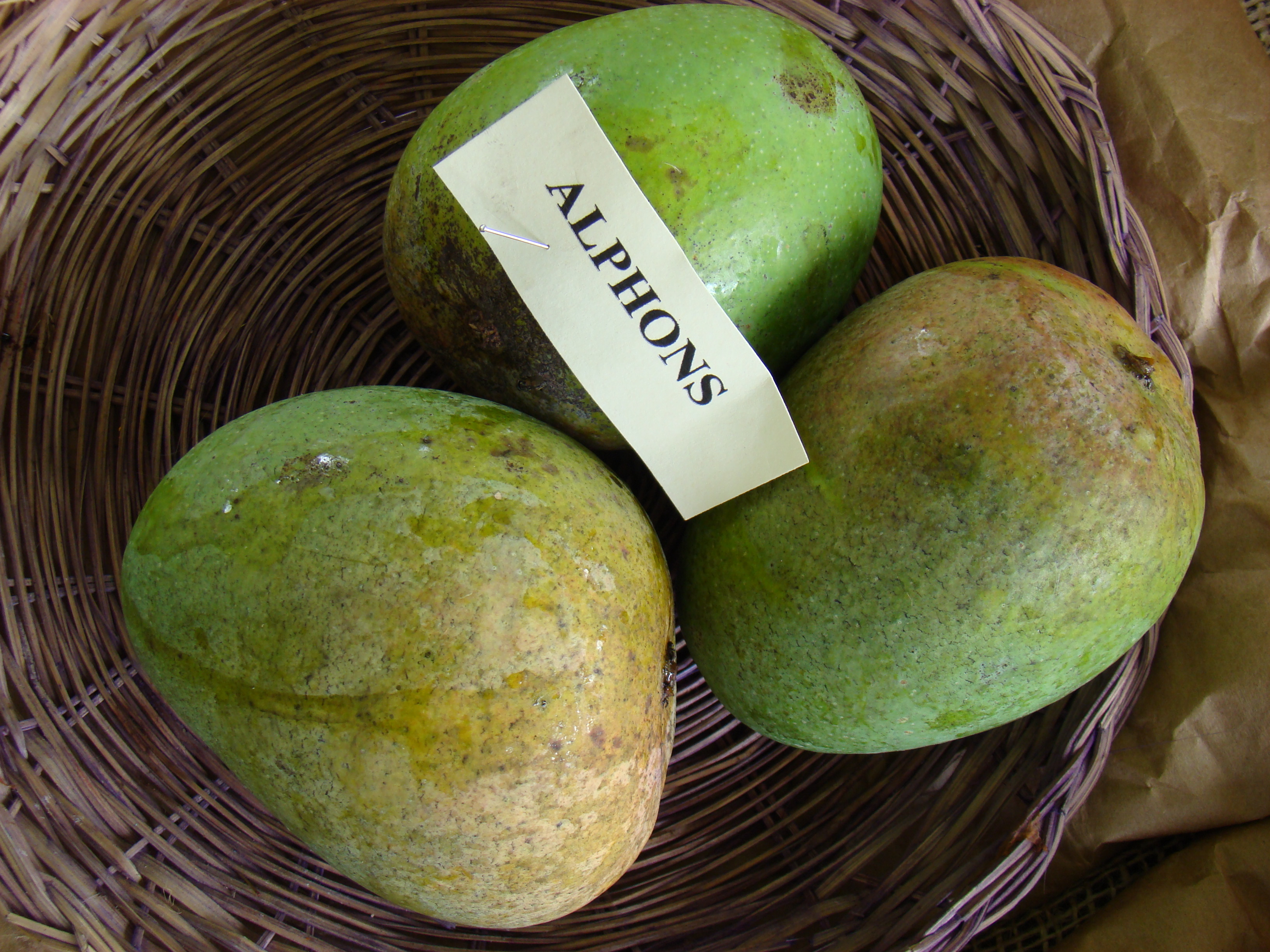
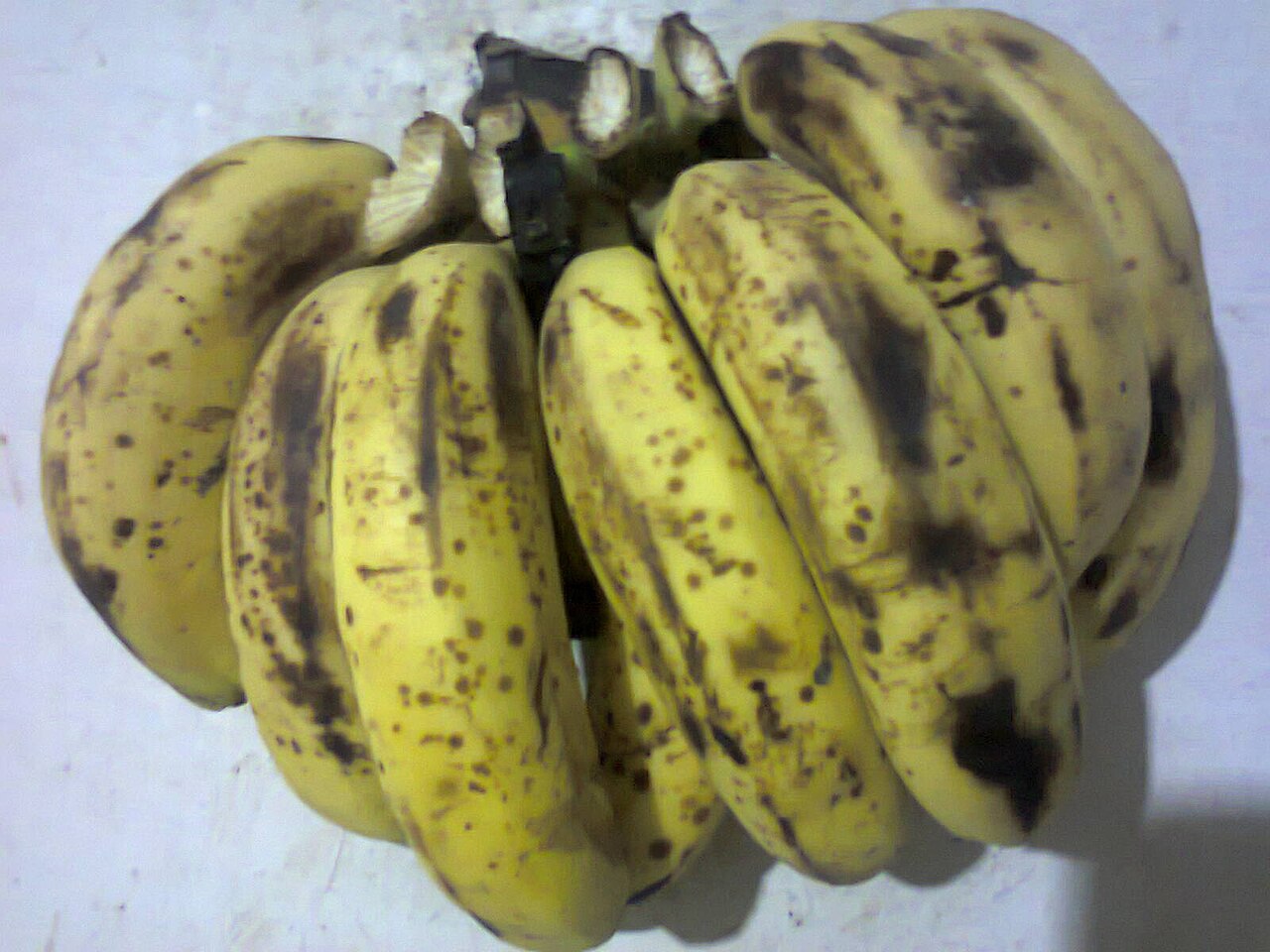
The Alphonso is named after Afonso de Albuquerque, the Portuguese military commander who was viceroy of Portuguese India from 1509 to 1515. Jesuit missionaries in Portuguese Goa introduced grafting on mango trees, and the variety spread through grafting. An Alphonso usually weighs 150-300 grams; as it ripens the skin turns golden yellow with a tinge of red across the top, and the saffron-coloured flesh is rich, creamy, non-fibrous and juicy. It is harvested from the end of March to the end of June. It takes about 90 days from flowering to harvest, and about 15 more days to ripen after picking.
In Maharashtra the Alphonso is known locally as 'Hapus'. In October 2018 India's Ministry of Commerce and Industry announced that the Alphonso from Ratnagiri, Sindhudurg and adjoining areas had been registered as a Geographical Indication (GI). In the ministry's words, a GI tag conveys an assurance of quality and distinctiveness essentially attributable to its origin. The ministry said the fruit was exported to Japan, Korea and Europe, and that new markets such as the US and Australia had recently opened. At the time, 325 Indian products carried a GI; the first had been Darjeeling tea in 2004.
According to 101Reporters, Karnataka also grows a similar variety, and Konkan growers have waged a legal and publicity battle against the use of the 'Hapus' name by others. Organisations such as the Konkan Hapus Amba Utpadak Vikreta Sangh have helped farmers register their orchards and obtain GI tags. AgroSpectrum India's May analysis also said that non-Alphonso mangoes sold under the premium regional label were diluting the prices genuine growers received, even amid scarcity.
The Alphonso's export path has not always been smooth. The United States banned imports of Indian mangoes in 1989 and lifted the ban in April 2007, though fruit must be treated before shipment to keep out fruit flies and harmful fungi. The European Union imposed a ban in April 2014 after finding non-European fruit flies in consignments, and the European Commission lifted it in January 2015 after India improved its export protocols. To support exporters, the Maharashtra State Agricultural Marketing Board runs treatment facilities at Vashi in Navi Mumbai and in Ratnagiri.
The Konkan coast and Devgad: home of the Alphonso
Konkan, on Maharashtra's west coast, is the state's main mango region. According to the 2016 paper by researchers at Dr Balasaheb Sawant Konkan Krishi Vidyapeeth, Konkan accounts for about 10% of India's total mango area, and almost 90% of that area is under the Alphonso. The researchers say the region's warm and humid climate, annual rainfall of 3,000-4,000 mm, well-drained lateritic soils and rain-free season from November to May make it ideal for the variety.
Mongabay India reported in January 2020 that around 150,000 hectares were under Alphonso in five Konkan districts, Ratnagiri, Sindhudurg, Raigad, Thane and Palghar, with Ratnagiri and Sindhudurg the major producers. In Konkan orchards, it said, 100 trees are generally grown on a hectare and give three tonnes of mangoes in a season.
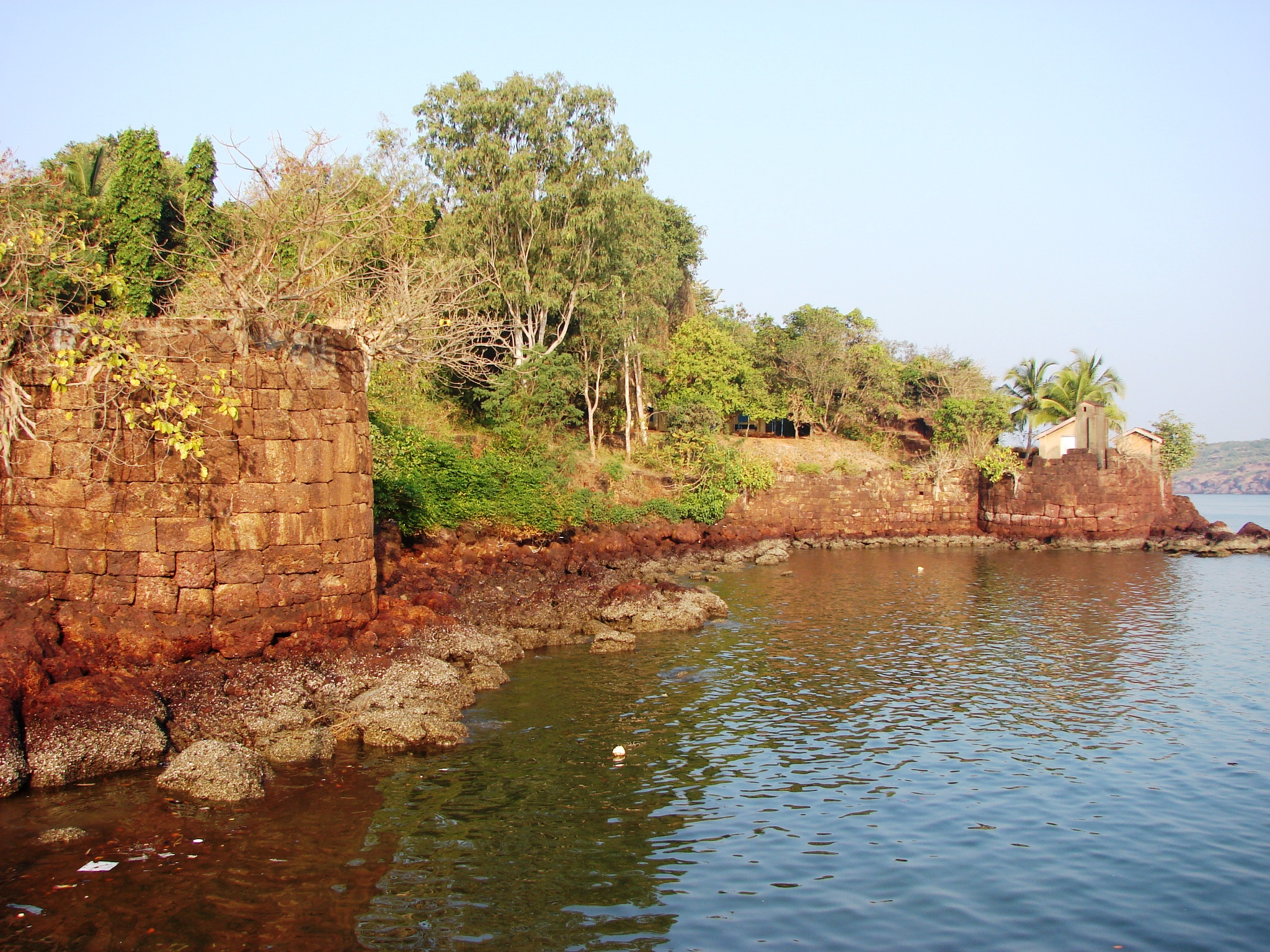
Devgad is a taluka, or sub-district, of Sindhudurg district on the Arabian Sea coast of Konkan, with 98 villages. Sindhudurg is Maharashtra's southernmost district. It was carved out of Ratnagiri district on 1 May 1981 and has its headquarters at Oros. The district covers about 5,207 square kilometres, and the 2011 census counted 849,651 people, the smallest population of any district in the state at the time. Devgad and Malvan are among its eight talukas.
Sindhudurg has about 121 km of coastline, which makes fishing a key part of its economy, and receives an average of about 3,240 mm of rain in the June-October monsoon. Its main crops are rice, coconut, kokum, mango and cashew. Devgad Fort has a lighthouse built in 1915, and Vijaydurg Fort in the taluka is of historical importance. Carton maker Sanjay Nare's remark to Reuters about an economy built on mangoes and fish describes this coast.
India's mango output and market
India is the world's largest mango producer. Citing data from research and ratings agency CRISIL, Reuters said the country produced 28 million metric tonnes of mangoes in 2024-25. The government's own second advance estimate is somewhat different: in a written reply to the Lok Sabha in July 2025, the Ministry of Agriculture and Farmers Welfare put 2024-25 mango production at 228.37 lakh metric tonnes, up from 223.98 lakh tonnes in 2023-24, mainly because of higher output of processing varieties in the southern states. The ministry said India produces 40-45% of the world's mangoes.
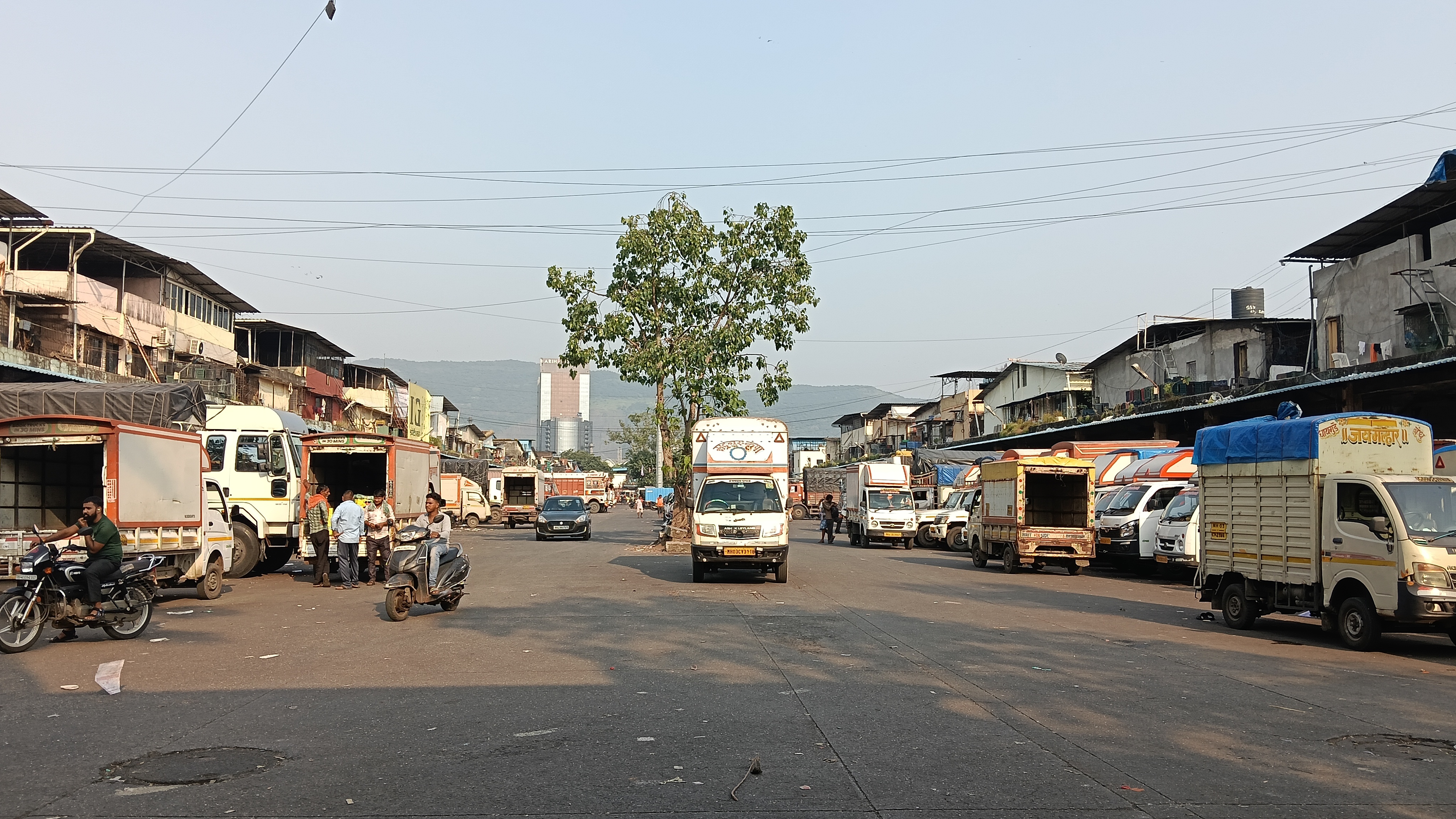
Citing Indian research firm Mordor Intelligence, Reuters said India's entire mango crop was worth $2.3 billion the previous year, and that the firm expected the market to reach $3.4 billion by 2031. Much of the fruit stays in India, where mangoes are popular in the blistering summer heat, but about $56 million worth of mangoes and $80 million worth of mango pulp were exported in 2025.
Reuters said India competes in world markets with Mexico, Thailand and Vietnam, and that the United Arab Emirates, the US, the UK, Kuwait and Qatar are among the biggest importers of Indian fresh mangoes. India's commerce ministry said in July 2025 that in 2024 the country had exported more than 12,000 tonnes of mangoes worth $20 million to the UAE. 101Reporters put India's average mango exports at 25,000-27,000 tonnes a year.
Mango is not among the 22 crops covered by India's minimum support prices. In 2025 the agriculture ministry told the Lok Sabha that a Market Intervention Scheme under the PM-AASHA programme protects growers of perishable crops when prices fall, and that the Mission for Integrated Development of Horticulture (MIDH) supports nurseries, production, post-harvest handling and marketing. The ministry also said it had no plan to set up a separate Mango Development Board.
War hits exports and prices
Reuters reported that the weather damage coincided with a slump in exports caused by the Iran war. Shridhar Pathak, co-founder of mango exporter Shreevali Agro, told Reuters that freight charges had more than doubled, and that delays or cancellations of consignments to the Gulf, including Dubai and Oman, had cut his shipments by nearly 40% that year. He said mangoes originally meant for export had been sent to local markets instead, driving prices down despite the El Nino-linked shortages.
Signs of the export crisis came early in the season. On 20 March 2026, National Herald reported Rajendra Tawde, secretary of the Konkan Vikas Pratishthan, as saying that Alphonso exports were unlikely that season because of the conflict. It said more than 1,000 containers bound for the Gulf were stranded at Jawaharlal Nehru Port in Navi Mumbai, and that around Gudi Padwa thousands of boxes of Alphonso mangoes were reportedly sold at low prices in Vashi's agricultural market.
In 101Reporters' April story, Kaushal Khakar, CEO of Kay Bee Exports, said exports would be about half of usual levels. The Konkan crop was really bad, he said, though the company's orchards in Ahilyanagar district were doing well; the geopolitical situation had doubled air freight, and sea freight connectivity to the Middle East had completely stopped. In the same report, farmer Mandar Khedkar said a box of Alphonso was fetching Rs 6,000-8,000 in Pune, but hiring a large truck to Pune's wholesale market needed at least 4-5 tonnes of fruit, which he did not have. He spent about Rs 4 lakh a year on his orchards and needed around 1,000 boxes to break even.
Spongy tissue and the lessons of earlier seasons
Another weather-linked problem of the Alphonso is 'spongy tissue'. According to Outlook's March report, the 2025 heatwave caused the disorder in Konkan mangoes and made fruit unsellable. Research by the ICAR-Indian Institute of Horticultural Research (IIHR) in Bengaluru traced the disorder to the seed shifting into germination mode at around 60% fruit maturity, while still connected to the fruit, and drawing water and other resources from the surrounding flesh.
IIHR developed an environmentally safe formulation called 'Arka Sakanivarak', field-tested in the 2011 season in 20 farmers' orchards in Ratnagiri and Sindhudurg, which prevented spongy tissue in more than 95% of cases in the Alphonso and Mallika varieties. The institute notes, however, that climate change has made flowering and fruit set highly staggered, so that fruit at different stages of maturity hang on neighbouring shoots and even on the same panicle, which makes it hard to time the treatment. Growers are advised to take dose and method from their local agriculture officer.
Weather has wrecked Alphonso harvests before. Mongabay India reported in January 2020 that the monsoon that year had lasted into early November instead of ending in October, that two cyclones, Kyarr and Maha, struck in early November, and that rainfall had reached 5,000 mm against the usual 3,500 mm, according to A. K. Srivastava of the IMD in Pune. Bud break needs a difference of 15 °C between day and night temperatures, but maximums were about 30 °C and minimums 18-19 °C.
At the time, Bharat Salvi, head of horticulture at Dr Balasaheb Sawant Konkan Krishi Vidyapeeth, told Mongabay that production would be 30-40% lower that year and that harvesting would be pushed from mid-March to late April. Anand Desai of Pavas said then that he had been seeing changes in production because of major changes in weather for three years. Six years later, in the 2026 season, it was the same grower who told 101Reporters that almost 80% of the crop was gone.
Photo: Rudolph.A.furtado / Wikimedia Commons (CC0)
Sources: Jagonews24 (from Reuters), Reuters, Outlook India, 101Reporters, AgroSpectrum India, National Herald, The Week, NOAA Climate Prediction Center, Dr Balasaheb Sawant Konkan Krishi Vidyapeeth research papers (International Journal of Tropical Agriculture; Indian Journal of Horticulture), Banaras Hindu University research paper (International Journal of Bio-resource and Stress Management), ICAR-IIHR, Mongabay India, FreshPlaza, Krishi Jagran, The Week (PTI), Wikipedia
Comments
(0)