
Lychee is a tasty and nutritious fruit in Bangladesh with great potential for cultivation. It is grown commercially in the north of the country, especially in Dinajpur, Rajshahi, Naogaon and Meherpur. Suitable soil and weather, relatively few diseases and pests, and good market prices are increasing farmers' interest in growing lychee.
Lychee needs sandy loam soil and adequate irrigation and drainage. Because it fruits in mid-summer, it also suits the climate. A lychee tree can bear fruit for 20 to 30 years. Blossom usually appears in February–March and the fruit is harvested in May–June.
Planting grafted trees is best. Balanced fertiliser should be applied two or three times a year. In mature trees, yields can be raised through irrigation, weed control and pest control. Considering export potential, domestic demand and farm income, lychee growing is a promising sector of agriculture, and with planned management it can make a significant contribution to the economy.
When and how to apply fertiliser
- After pruning (August–September): apply cow dung, TSP, MOP, gypsum and zinc sulphate and mix them well into the soil.
- In November (before flowering): apply half of the urea.
- After fruit set (April–May): apply the remaining half of the urea.
Fertiliser for trees aged 4–6 years
Organic manure 25 kg, urea 800 g, TSP 600 g, MOP 500 g, gypsum 600 g and zinc sulphate 35 g.
Method of application
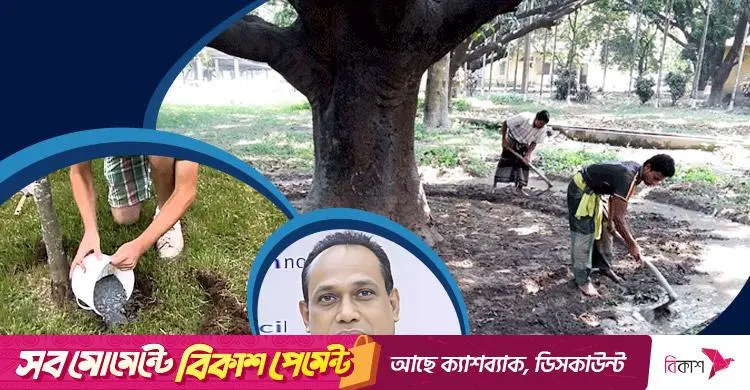
Dig the soil in a ring 1.5 to 2 feet from the trunk and apply the fertiliser there. After applying, mix the fertiliser into the soil and irrigate. Vermicompost or organic manure helps improve soil fertility. Correct and balanced fertiliser management is very important for the growth of lychee trees, for more flowers and fruit, and for sustaining productivity over the long term. Fertiliser should be applied with the tree's age, the soil type and the local environment in mind.
Applying enough cow dung, nitrogen (urea), phosphorus (TSP) and potash (MOP) at the right doses keeps leaves green, improves flowering and raises fruit quality. But applying too much fertiliser, or at the wrong time, can bring disease and fruit drop. Regular soil testing, timely application and a balanced use of organic and inorganic inputs are therefore the key to sustainable fertiliser management in lychee farming.
Source: Jagonews24. First published in Bengali on The Agro News.
Comments
(0)