
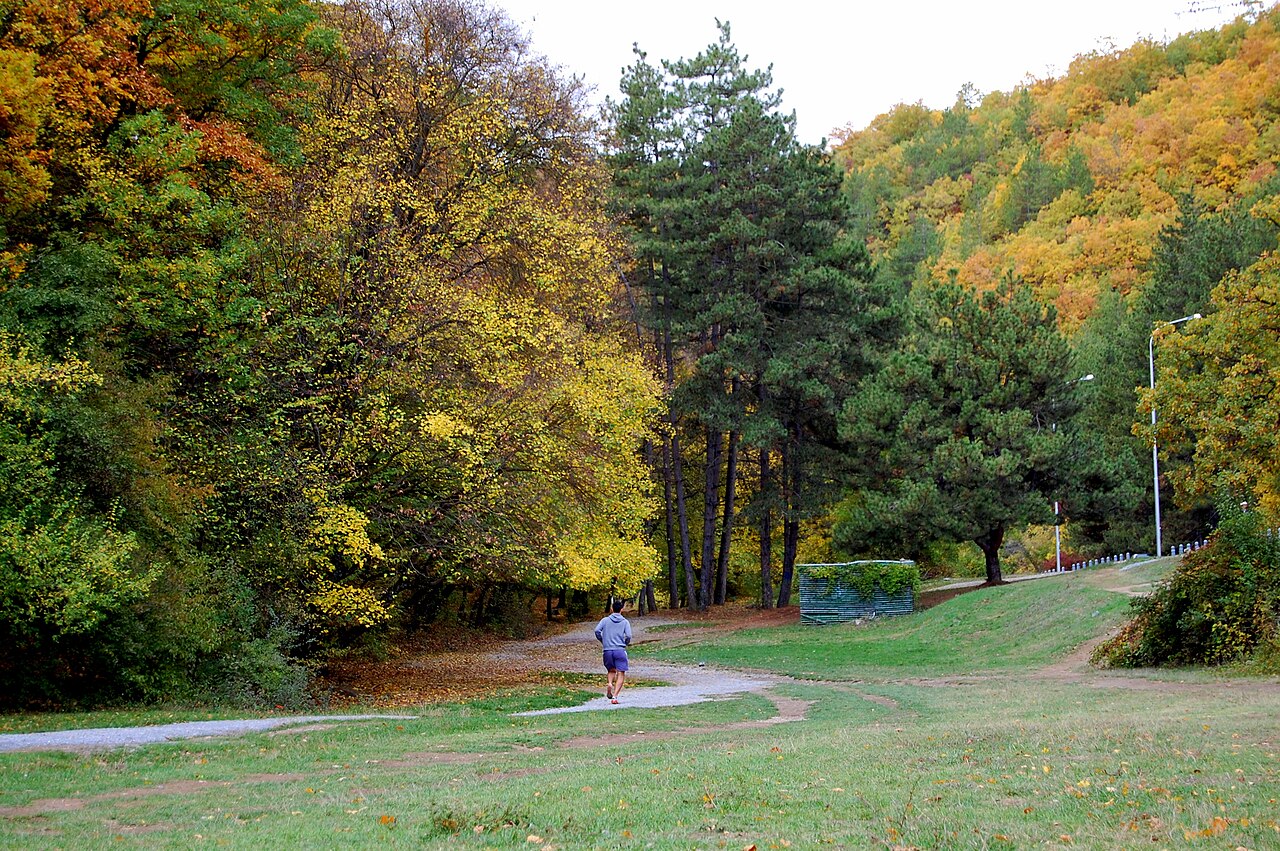
Does body fat melt away as sweat when we lose weight, or leave with waste? A report on Ittefaq's lifestyle page, citing researchers, says the answer surprises most people: most of it leaves through the lungs, with our breath.
The process begins at the table. Fatty food is broken down in the digestive system into fatty acids. The body uses some to build cells, regulate hormones and protect organs, and stores the excess as triglycerides in fat cells, usually under the skin and around the internal organs.
When diet or exercise creates a calorie deficit, hormonal and nerve signals prompt the fat cells to break down their stores, a process called lipolysis. The fatty acids then go to the mitochondria, the cells' power plants, where beta-oxidation turns them into energy, leaving carbon dioxide and water as the final by-products.
By the researchers' calculation, about 84 per cent of lost fat is converted into carbon dioxide and breathed out. The remaining 16 per cent or so becomes water and leaves the body in sweat, urine and other fluids.
So will breathing fast and hard burn fat? No, the report says. Breathing out removes the waste of fat already burned; it does not burn fat. The only way to make the body draw on its fat stores is to keep a calorie deficit through regular physical activity and moderate eating.
This report is based on a report on Ittefaq's lifestyle page.
Photo: Bujar I Gashi / Wikimedia Commons (CC BY-SA 3.0)
Source: Ittefaq

Comments
(0)