
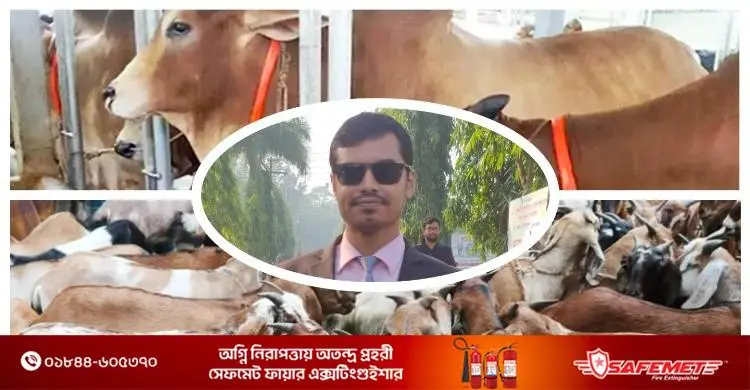
Winter is a sensitive time for livestock. As temperatures drop, their immunity can weaken, their need for food and water changes and the risk of cold-related disease rises. Proper care of livestock in the winter season is therefore essential.
Intern veterinarian Md Rajibul Islam spoke to Jago News about how to care for livestock in winter so that they stay healthy, remain productive and are protected from cold-related problems.
Problems livestock face
In winter the body temperature of livestock can drop a great deal, a condition known as hypothermia. Calves and other young animals then suffer from pneumonia and breathing problems. Some viral diseases such as LSD and FMD, and BRD in calves, also become more common.
In winter the animals' blood vessels constrict, their water intake falls and their immunity drops. They need more energy to keep their bodies warm, so their diet should include bran, wheat, oil cake and molasses. Feed should be increased by 5 to 10 per cent above the normal amount, and water intake raised as well. The text advises giving lukewarm water at 10°C. Vitamins A, D, E and B complex and minerals should also be given.
The cattle shed should be arranged so that cold wind cannot enter, while letting in enough light, and kept clean at all times. Other diseases such as liver fluke and foot rot also increase in winter. Special care for calves means making sure they drink the mother's colostrum within an hour of birth, protecting their bodies with a jacket or heavy cloth, giving them warmed milk, and keeping up regular vaccination and deworming.
Daily checks
- Measure temperature, pulse rate and breathing rate.
- Check the amount and smell of dung and urine.
- Watch milk production and look out for mastitis.
- Keep an eye on the eyes, nose and mouth.
- Keep sick animals in a separate shed.
- Care of pregnant cows and buffaloes is especially important in winter, when cold, infection and poor nutrition put both mother and calf at risk.
Care of pregnant animals
Warm, comfortable housing: use straw or dry bedding; cover open, draughty sides with polythene; make sure rain and fog cannot get in; and give extra bedding on very cold nights.
Proper nutrition: poor nutrition during pregnancy increases stillbirths, retained placenta and weak calves. In the last two months of pregnancy, give calcium or magnesium supplements on veterinary advice to maintain calcium balance. The diet should include good-quality dry straw; green grass (lucerne, Napier) at 10 to 15kg a day; broken wheat, bran and oil cake according to the cow's age and weight; and minerals and salt.
Clean and lukewarm water: if animals will not drink cold water, their intake falls, milk drops and constipation and ketosis appear. Give lukewarm water two or three times a day.
Daily health watch: check each day whether the animal is reluctant to eat, whether its behaviour is normal, and for fever, cough, runny nose or eyes, bloating, diarrhoea, heavy breathing or lameness. If the calf seems to be moving less, call a vet at once.
In the last two months of pregnancy: no heavy work, pulling, long walks or running; avoid slippery floors that put pressure on the belly; do not change feed suddenly; and in the final stage (eighth and ninth months) watch daily for signs such as swelling of the vulva, dripping milk and a dropping belly.
Vaccines and deworming: before winter, give FMD, BSE, black quarter and HS vaccines and parasite control (deworming) as directed by a vet.
Preparing for calving: keep a separate clean calving pen ready, keep bedding dry and warm, and step up watch from a week before the expected calving date.
Preventing cold-related disease: diseases that usually rise in winter include pneumonia, mastitis and FMD. If needed, arrange steam inhalation or reduce humidity in the shed.
See a qualified officer
Finally, if an animal falls ill, farmers should seek advice and treatment from the officer at the upazila livestock hospital rather than AI workers with three months' training or quacks. This will cut costs and keep the animal healthy. The government should also act against quacks, and awareness among farmers should be raised.
Caring for livestock in winter means ensuring safe shelter, nutritious feed and preventive measures against disease. A little awareness and care can keep animals healthy and active throughout the winter.
Source: Jagonews24. First published in Bengali on The Agro News.
Comments
(0)