
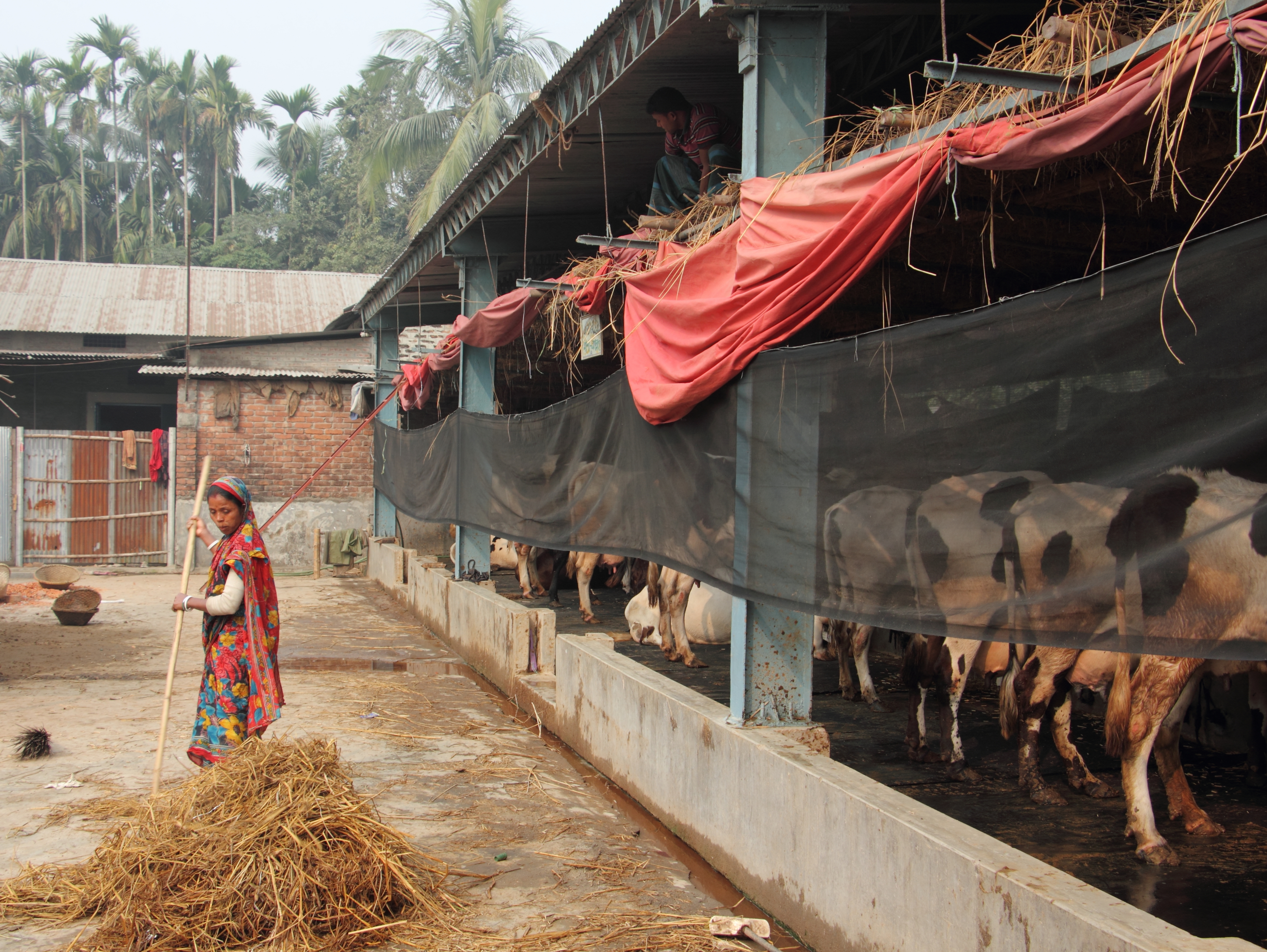
Dr Mohammad Mahbubul Alam, an officer of the 24th BCS (Livestock) cadre at the Department of Livestock Services (DLS) and deputy director of the Central Artificial Insemination Laboratory in Savar, died on Wednesday 27 May 2026. According to a Jagonews24 report published that evening, he fell ill at about 11am while on official duty at the Radio Colony sacrificial animal market in Savar and died on the way to hospital.
Mohammad Amin Ur Rashid, Minister for Fisheries and Livestock and for Agriculture, and Sultan Salahuddin Tuku, State Minister for Fisheries and Livestock, expressed deep grief at his death. It happened on the eve of Eid-ul-Azha: the National Moon Sighting Committee had announced on 18 May that Bangladesh would celebrate the festival on 28 May, which made 27 May one of the last and busiest days at the country's cattle markets.
What happened at the market
Jagonews24 reported that at 11am on Wednesday (27 May) Dr Mohammad Mahbubul Alam fell ill while carrying out official duty at the Savar Radio Colony sacrificial animal market. He was being taken to hospital but died on the way. The report was published at 7.21pm that day.
The report did not say what kind of illness he suffered or what caused it, nor which hospital he was being taken to. It did not describe his exact role at the market beyond saying that he was there on official duty. This account adds nothing beyond those limits.
He was deputy director of the Central Artificial Insemination Laboratory in Savar, a national facility working on the breed improvement of the country's cattle. During the Eid season, officers from many branches of the Department of Livestock Services are deployed to check animal health and monitor the markets, as described below.
The ministers' condolence message
According to Jagonews24, Minister Mohammad Amin Ur Rashid and State Minister Sultan Salahuddin Tuku described Dr Mohammad Mahbubul Alam in their condolence message as a dedicated, hard-working, responsible and sincere officer. In their words, his professionalism, humanity and kindness to colleagues had made him loved and respected in the livestock family.
They said his untimely death had left an irreparable void in the Department of Livestock Services and in the wider agriculture and livestock sector. The minister and state minister prayed for the salvation of his soul and conveyed their deep sympathy to his bereaved family, relatives, colleagues and well-wishers.
At the time, Mohammad Amin Ur Rashid held both the fisheries and livestock and the agriculture portfolios. A report by The Business Standard on 3 May 2026 described him as "Minister for Fisheries and Livestock and Agriculture" and listed Sultan Salahuddin Tuku, State Minister for Fisheries and Livestock, among those present at the same briefing.
The livestock department's work at Eid cattle markets
Checking that the cattle, buffalo, goats and sheep brought to sacrificial animal markets are healthy is mainly the job of the Department of Livestock Services. At a briefing on 3 May 2026 at the Ministry of Fisheries and Livestock on Eid-ul-Azha demand, supply and transport, the minister said 20 veterinary medical teams would work round the clock at the 27 markets in Dhaka's two city corporations. DLS Director General Md Shahjaman Khan and senior ministry and department officials attended the briefing.
The English edition of The Daily Ittefaq reported on 20 May that veterinary medical teams would be on standby at major markets to examine animals and that no animal would be allowed for sale without health clearance. The same report said separate taskforces had been formed for traffic, waste disposal, water supply and overall market management, and that both city corporations had adopted special security arrangements including plainclothes police at all markets.
The arrangement was not new. On 26 July 2020, The Business Standard, citing a press release from the Ministry of Fisheries and Livestock, reported that 18 veterinary medical teams and an expert team for farm animals had been formed that year for the makeshift markets in Dhaka's two city corporations. Their task was to look after the health of livestock brought to the markets and make sure no sick or injured animal was sold.
According to that report, the department also formed four market management monitoring teams and a central control room coordination committee. Across the country it formed 1,213 veterinary medical teams for the Eid cattle trade, and the ministry formed eight teams, each led by a deputy secretary, to monitor the work of the veterinary teams and hygiene at Dhaka's markets.
Eid-ul-Azha 2026: demand, supply and markets
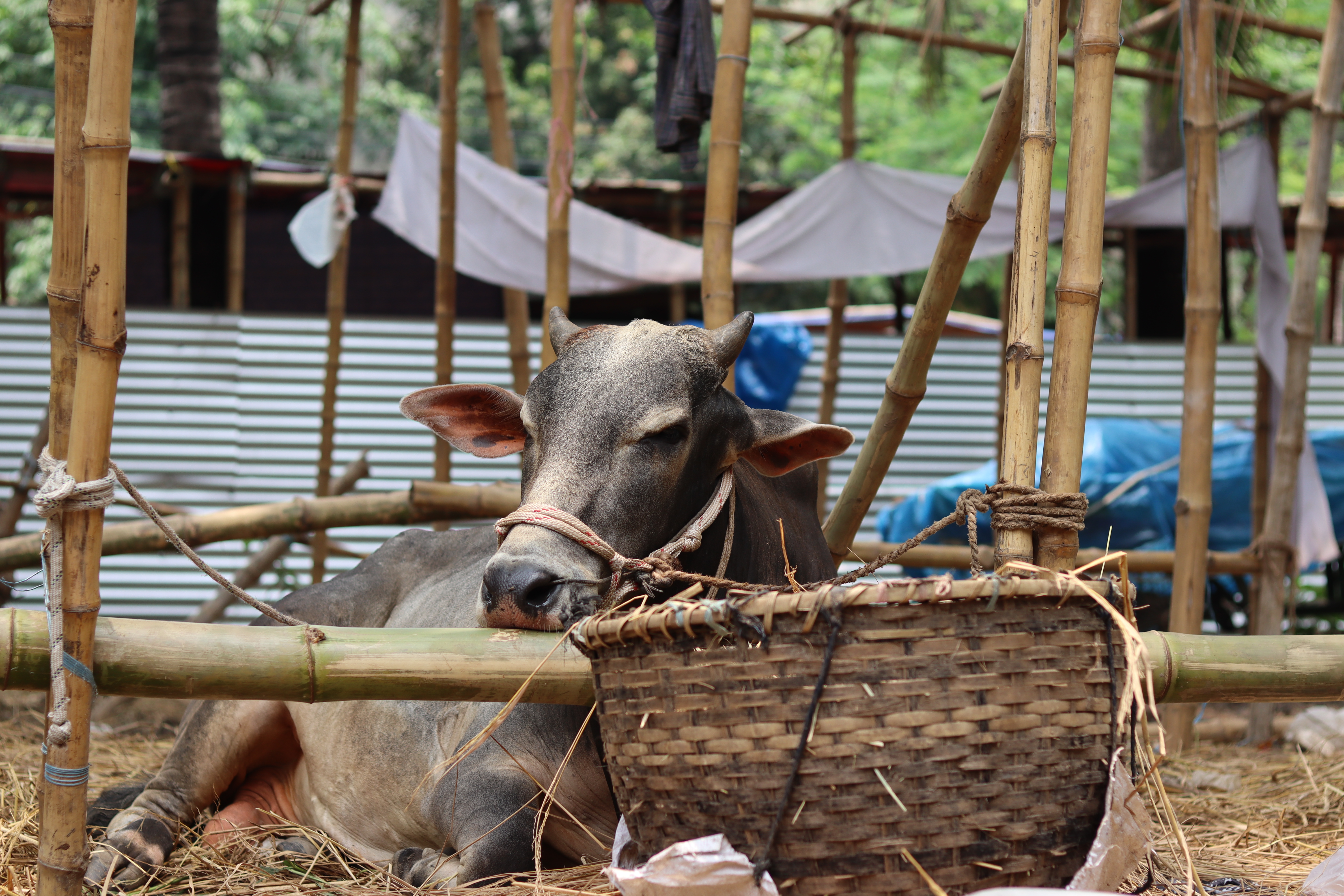
At the 3 May briefing, Minister Mohammad Amin Ur Rashid said the likely demand for sacrificial animals in 2026 had been set at 10,106,334 head. Against this, 12,333,840 animals were available in the country, leaving a surplus of about 2,227,506. According to The Business Standard's Bengali edition, the available animals were:
- Cattle and buffalo: 5,695,878
- Goats and sheep: 6,632,307
- Other species: 5,655
The minister said more than 3,600 cattle markets would be held across the country. In the capital, 27 markets were fixed: 16 in Dhaka North City Corporation and 11 in Dhaka South. He also announced a policy decision not to allow markets in border areas, to protect local farmers. Online purchases would carry no market toll or fee, and professional and seasonal butchers were being trained so that hides would not be spoiled.
Ittefaq's 20 May report gave the same DLS figures and said the whole demand would be met from domestic production, with no need for imports. It added that Border Guard Bangladesh (BGB) and the police had been told to step up surveillance against illegal entry of cattle across the border. Formal trading at the city corporation markets was to run for five days, including Eid day.
bdnews24.com reported on 18 May that the National Moon Sighting Committee had confirmed the sighting of the Zil Hajj moon and that Eid-ul-Azha would be celebrated on 28 May. The government declared a seven-day holiday from 25 to 31 May. In Saudi Arabia, Eid fell on 27 May. The festival, held on the 10th of Zil Hajj, centres on the sacrifice of animals.
Savar: a livestock hub next to the capital
Savar is an upazila of Dhaka district. According to Banglapedia, it covers 280.11 square kilometres and is bounded by Kaliakair and Gazipur Sadar to the north, Keraniganj to the south, Dhamrai and Singair to the west, and the Dhaka city thanas of Mohammadpur, Adabar, Darus Salam, Shah Ali, Pallabi and Turag to the east. The 2011 census counted 1,385,910 people in the upazila.
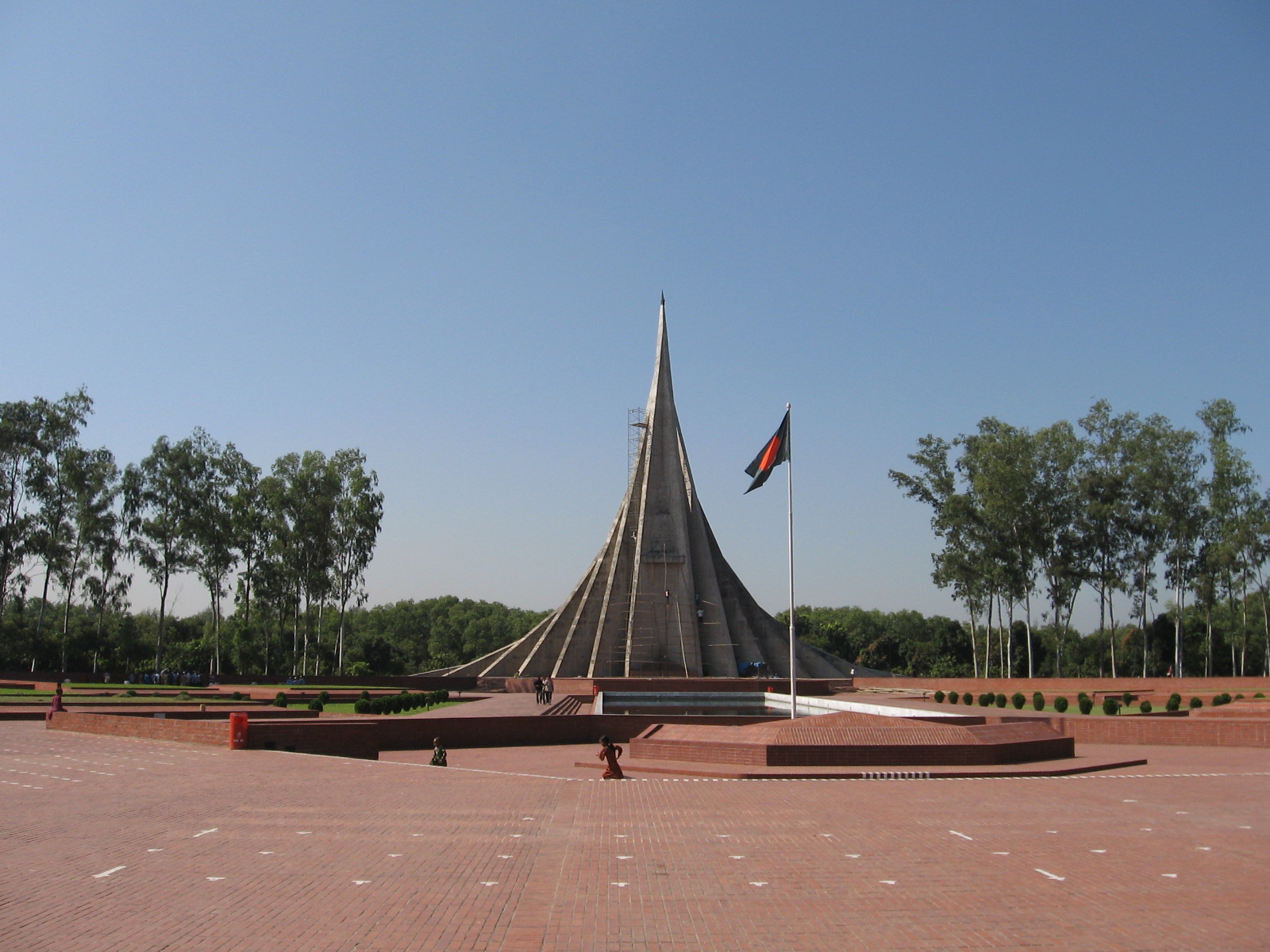
Many national institutions stand in Savar, among them the National Martyrs' Memorial, Jahangirnagar University, Savar Cantonment, the Bangladesh Public Administration Training Centre and the Bangladesh Livestock Research Institute. Banglapedia's list of important installations in the upazila also includes Bangladesh Radio. It records 526 dairy farms and 754 poultry farms in Savar, and lists dairy products and meat among its main exports.
Savar's link with the livestock sector is old. Banglapedia notes that on 14 November 1971 a young freedom fighter, Golam Dastagir Titu, was killed in the Liberation War and buried near the main gate of the Savar Dairy Farm, where the army later built a memorial. The Savar Dairy Farm mosque is listed among the upazila's notable religious institutions.
According to Banglapedia, the Bangladesh Livestock Research Institute (BLRI) was set up in Savar in 1984 as an autonomous institution. Its aims include identifying and solving problems in livestock and poultry, developing production techniques, and assisting the government on policy. Selective breeding programmes on Pabna cattle, Black Bengal goats, buffalo and gayal have been run there.
The Central Cattle Breeding and Dairy Farm and the insemination laboratory
The Central Cattle Breeding and Dairy Farm in Savar is one of the offices under the Department of Livestock Services and appears in the department's list of subordinate offices. Banglapedia records that the country's artificial insemination programme began in 1958 to improve local cattle, and that from 1969 to 1982 German specialists worked at the Savar Dairy Farm to develop breeds suited to draught and milk.
Banglapedia adds that in 1974 the Australian government donated Holstein-Friesian milch cows and breeding bulls to Bangladesh, and that frozen semen was imported from Germany, the United States, France, Australia and Japan to improve local cattle. Working with the Japan International Cooperation Agency (JICA), scientists from both countries also carried out embryo transplants successfully.
The Business Standard reported on 16 July 2022 that artificial insemination began to spread in the country with liquid semen production in 1975 and frozen semen production in 1989. People concerned told the paper that the Central Dairy Farm had more than 150 bulls of different breeds and that about 500 doses of semen could be collected from a single bull at a time. A deputy director of the Bogura Artificial Insemination Centre said there were 20 cattle breeding and dairy farms in the country and that the bulls at district offices had been supplied by the Central Dairy Farm.
Citing the Central Cattle Breeding and Dairy Farm in Savar, the same report said artificial insemination of cattle added Tk 45,224 crore to the national economy in FY2020-21, and that the government sold semen worth more than Tk 13.32 crore that year. Government insemination produced 16.37 lakh calves with a contribution in milk and meat of Tk 21,452 crore, while semen from private companies produced 18.14 lakh calves worth Tk 23,771 crore.
According to the report, BRAC began private artificial insemination in 1985 using semen produced by the Department of Livestock Services and set up its own farm and laboratory to produce semen in 2000. People concerned said artificial insemination had created jobs for more than 15,000 field workers. Farmers, however, complained that improved government semen was not always available in some areas, forcing them to turn to private companies at higher cost.
On 8 October 2025 a newly built Central Artificial Insemination Laboratory was opened on the premises of the Central Cattle Breeding and Dairy Farm in Savar. According to a Press Information Department (PID) photo record and a Khoborsangjog report of that day, the then Fisheries and Livestock Adviser, Farida Akhtar, inaugurated the laboratory and inspected its activities and modern facilities. Dr Mohammad Mahbubul Alam was deputy director of this central laboratory.
What artificial insemination is and why it matters
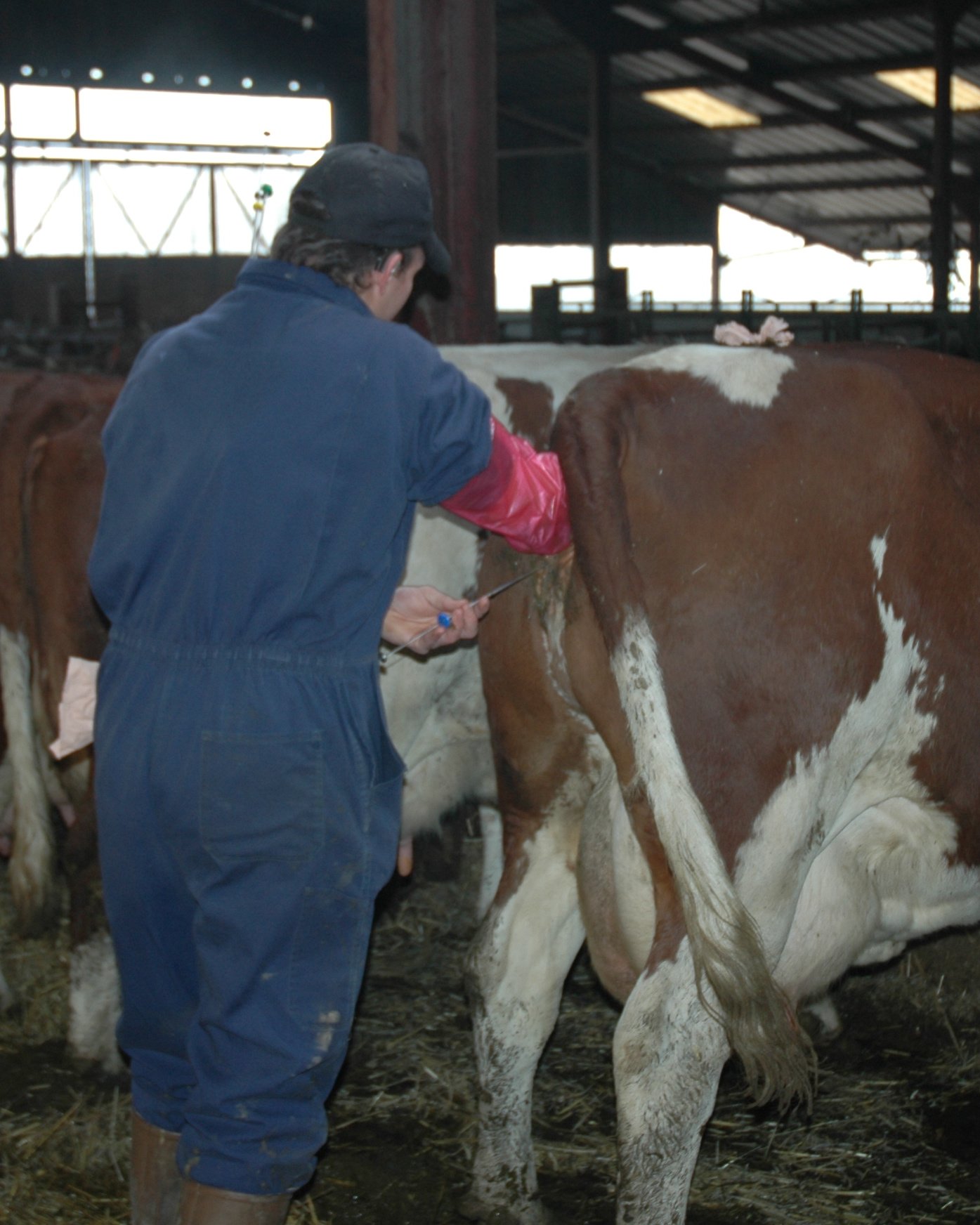
In artificial insemination, a bull is not brought to the cow; instead, semen collected from the bull is placed in the cow's reproductive tract with an instrument. A review published by the Food and Agriculture Organization of the United Nations (FAO) describes it as a globally accepted method of breeding cattle that is also effective in other species.
The FAO review says the method's foremost advantage is that breeding can be done without the sire being present. It allows the genetic merit of outstanding bulls to be multiplied across many cows and helps prevent the spread of venereal diseases carried by natural mating. Because herds in developing countries are usually small, keeping a bull on every farm is costly, which also favours artificial insemination.
Semen can be stored deep-frozen in liquid nitrogen, as chilled liquid, or at room temperature. The FAO notes that liquid semen keeps for only a few days, whereas frozen semen can be stored for years without a significant loss of quality, although frozen semen production needs much higher investment in laboratory equipment and costly maintenance. By the FAO's figures, one collection from a bull can yield 180 to 600 doses of frozen semen.
The FAO review adds that most developing countries introduced artificial insemination on a small scale with fresh semen in the 1950s and 1960s and began processing deep-frozen semen in the late 1970s. Bangladesh followed a similar path: the programme began in 1958 and expanded with liquid semen in 1975 and frozen semen in 1989.
Banglapedia notes that besides local cattle, Bangladesh rears foreign breeds such as Hariana, Sindhi, Sahiwal, Jersey and Holstein-Friesian, as well as crosses between local and foreign breeds. Pabna cattle, Red Chittagong, Munshiganj cattle and North Bengal Grey cattle are named as improved local types. Crossbred cows generally give more milk, but Banglapedia says they have higher nutritional needs and often cannot reach their potential because of the climate, a shortage of green fodder and weak management.
The Department of Livestock Services and the BCS Livestock cadre
According to the history on the department's website, the Civil Veterinary Department began work in 1893 at the Writers' Building in Kolkata. After partition in 1947, the headquarters of the animal husbandry department was set up in Comilla, and on 31 October 1948 the reorganised department was named the Directorate of Animal Husbandry. A further reorganisation in 1960 renamed it the Directorate of Livestock Services and moved its headquarters to Dhaka.
The department's history records that in 1984 its headquarters moved permanently to its own building on Krishi Khamar Sarak at Farmgate. In 1992-93 the post of director was upgraded to director general, and in 2010 the department began a new journey under its present Bengali name, Prani Sampad Adhidaptar. Its stated mission is to provide animal health services, raise animal production and productivity, and meet the demand for animal protein through value addition.
Banglapedia describes the Department of Livestock Services as the government department responsible for veterinary, development and extension services, for meeting protein needs and for creating employment through the rearing of livestock and poultry and the marketing and processing of their products. The department's list of subordinate offices includes the Livestock Research Institute, the Central Veterinary Hospital, the Central Poultry Farm, the BCS Livestock Academy, the Quality Control Laboratory and the Central Cattle Breeding and Dairy Farm in Savar.
BCS (Livestock) is the livestock cadre of the Bangladesh Civil Service, whose officers serve in the Department of Livestock Services. The department's history notes that in the 1960s officers at divisional and equivalent level belonged to the East Pakistan Higher Livestock Service, a first-class gazetted service. Banglapedia's article on the civil service also lists the East Pakistan Higher Livestock Service and the East Pakistan Livestock Service among the provincial services of the time. From 1 July 1973 the posts of degree-holding officers at subdivision and thana level were raised to first-class status.
The livestock sector in the economy
In August 2024 the Department of Livestock Services published a summary of the livestock economy for FY2023-24, based on Bangladesh Bureau of Statistics (BBS) data. Its provisional figures put livestock's share of GDP at constant prices at 1.80 percent, its growth at 3.15 percent and its share of agricultural GDP at 16.33 percent. The sector's GDP at current prices was Tk 82,014 crore. The summary said 20 percent of the population depended directly, and 50 percent partly, on the sector for employment.
According to the same summary, the country's livestock and poultry numbers in FY2023-24 were:
- Cattle: 250.13 lakh
- Buffalo: 15.24 lakh
- Goats: 271.17 lakh
- Sheep: 39.03 lakh
- Chickens: 3,277.77 lakh
- Ducks: 682.61 lakh
Milk production in FY2023-24 was 150.44 lakh tonnes, meat 92.25 lakh tonnes and eggs 2,374.97 crore. The department put milk demand at 158.78 lakh tonnes, so milk was still in deficit, while meat production exceeded the demand of 76.21 lakh tonnes. The role of improved dairy breeds and artificial insemination in closing the milk gap has long been discussed in the livestock sector.
Banglapedia's article on livestock says farm animals are an important part of the country's wealth, providing draught power and hides as well as manure, meat and milk. It names animal health services, genetic upgrading and artificial insemination among the means of developing the sector, and notes that the government subsidises vaccination and artificial insemination programmes. The sector is under the greatest pressure in the Eid season, and it was during that season, on duty at a market, that Dr Mohammad Mahbubul Alam died.
Photo: Syed Sajidul Islam / Wikimedia Commons (CC BY-SA 4.0)
Sources: Jagonews24, The Business Standard, The Daily Ittefaq, bdnews24.com, Department of Livestock Services, Banglapedia, Food and Agriculture Organization of the United Nations (FAO), Press Information Department (PID), Khoborsangjog
Comments
(0)