
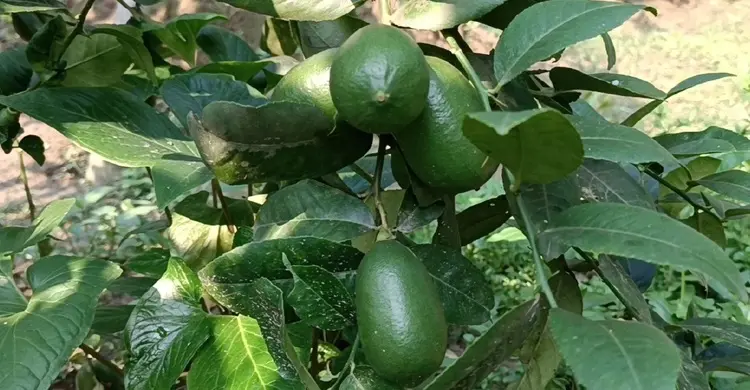
The lemon is a very popular and well-loved fruit in Bangladesh, and it is grown all over the country. No function or meal is complete without it. You can grow lemons in the attic room, on the roof, on the veranda, in the yard or in the courtyard. May to October (Jyoishtha to Kartik) is the right time to plant.
Land preparation and planting
Depending on the soil, the land needs 4–6 ploughings, each followed by laddering. The first ploughing should be deep, which makes irrigation and drainage easier and reduces the effort of care and the waste of irrigation water. Fertiliser should be applied at the last ploughing. Plant 98–118 inches between lines and 98–118 inches between seedlings, which means 5–7 plants per decimal depending on the variety.
Fertiliser in three doses
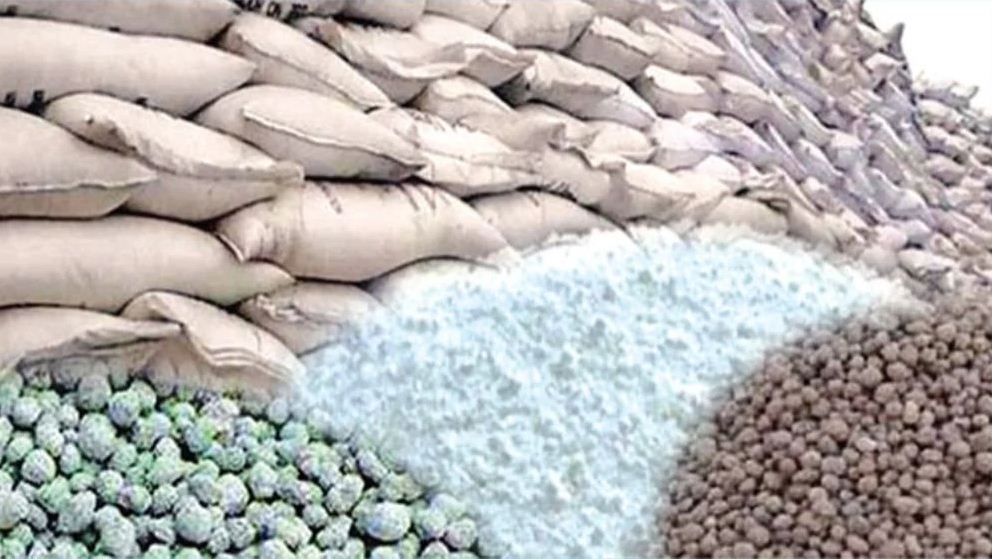
Fertiliser should be applied in three equal instalments: the first at the start of the rains (Boishakh–Jyoishtha), the second from mid-Bhadra to mid-Kartik (September–October) and the third in Magh–Falgun (February). In hilly areas, or where there is not enough space, holes can be made with a crowbar and the fertiliser applied in them.
For a mature tree, fertiliser should be applied starting 2.25 to 3.25 cubits (haat) from the base of the trunk and out to 7.5 cubits. Irrigate after applying fertiliser and during drought, especially when the fruit is setting.
Also clear the weeds around the base and break up the clods of soil. Adjust the fertiliser dose to the fertility of the soil. Lemon trees also need boron and magnesium fertiliser.
Pesticide safety
Before using a pesticide or insecticide, read the label on the bottle or packet carefully and follow the instructions. Wear protective clothing while spraying, and do not smoke, eat or drink while using it. Make sure water from sprayed land does not flow into open water bodies.
Care, irrigation and harvest
Keep watching the field. Weed as soon as the soil is workable after irrigation and fertiliser. Irrigate 2–3 times in the dry season. Lemon cannot tolerate waterlogging, so do not let water stand at the base in the rainy season. Sow seed in lines so that irrigation channels can be made in the field. Remove surplus fruit, water the base of the tree with a watering can and arrange mulching.
Depending on the variety, the yield is 40–90 kg per decimal. Store the harvested fruit in the shade; it cannot be kept for long at ordinary temperatures.
Source: Jagonews24. First published in Bengali on The Agro News.
Comments
(0)