
South Africa's Department of Rural Development and Land Reform (DRDLR) has signed a memorandum of agreement with Land Bank to put R500 million in grant funding into the bank's blended finance scheme, which had stopped taking new applications because demand ran far ahead of the money available.
The grant covers the remainder of the 2026/27 financial year and is paid out alongside Land Bank loan finance. Earlier the same week the Department of Agriculture had added R150 million to the R325 million it had already allocated to Land Bank for the year.
Land Bank says about 540 clients and beneficiaries had been supported through the scheme by the end of the 2025/26 financial year, and that demand had "substantially exceeded" the grant funding.
"Land reform cannot succeed on the transfer of land alone," said the Minister of Land Reform and Rural Development, Mzwanele Nyhontso. For many emerging and developing farmers, he said, the cost of finance has stood between them and a viable farm business.
Farmers caught by the pause described the cost. Loyiso Manga, founder of Ubuntu Extra Virgin Olive Oil, said his application had been in the Land Bank process for about a year and had a final indicative term sheet issued on 23 July 2026 when the scheme stopped. He was seeking money to buy a commercial olive farm in Tulbagh, Western Cape, and said the business risked losing the farm, the coming harvest and jobs. Byron Booysen of Booysen's Tunnel Farming said his application received pre-approval but never reached the credit committee.
Motsepe Matlala, president of the National African Farmers Union of South Africa (Nafu), welcomed Land Bank's recovery since its 2020 default but said the blended model remains too slow, too collateral-driven and too dependent on consultants, especially for farmers on communal, CPA and restituted land without title deeds. He asked that farmers already approved or in the pipeline be protected so none is defunded by institutional delays.
Land Bank's acting chief executive, Jabu Mphambo, said affordable and appropriate finance remains an important enabler of agricultural transformation and welcomed the department's support.
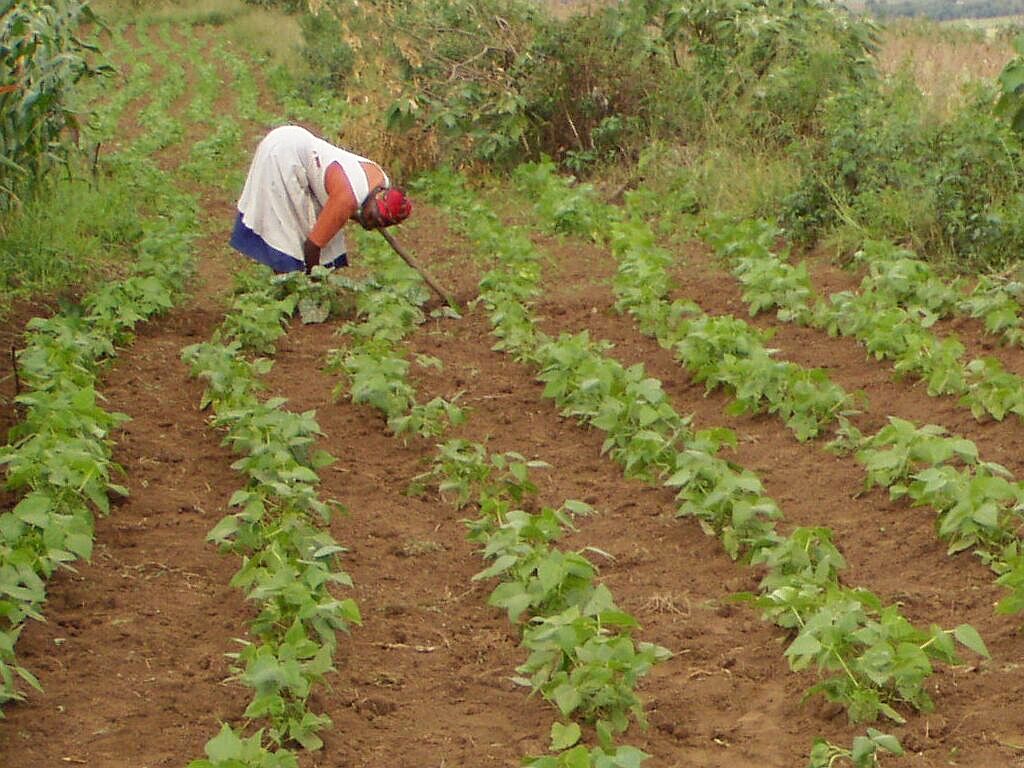
Photo: Alandmanson / Wikimedia Commons (CC0)
Source: Food for Mzansi (reporting by Olwam Mnyande)

Comments
(0)