
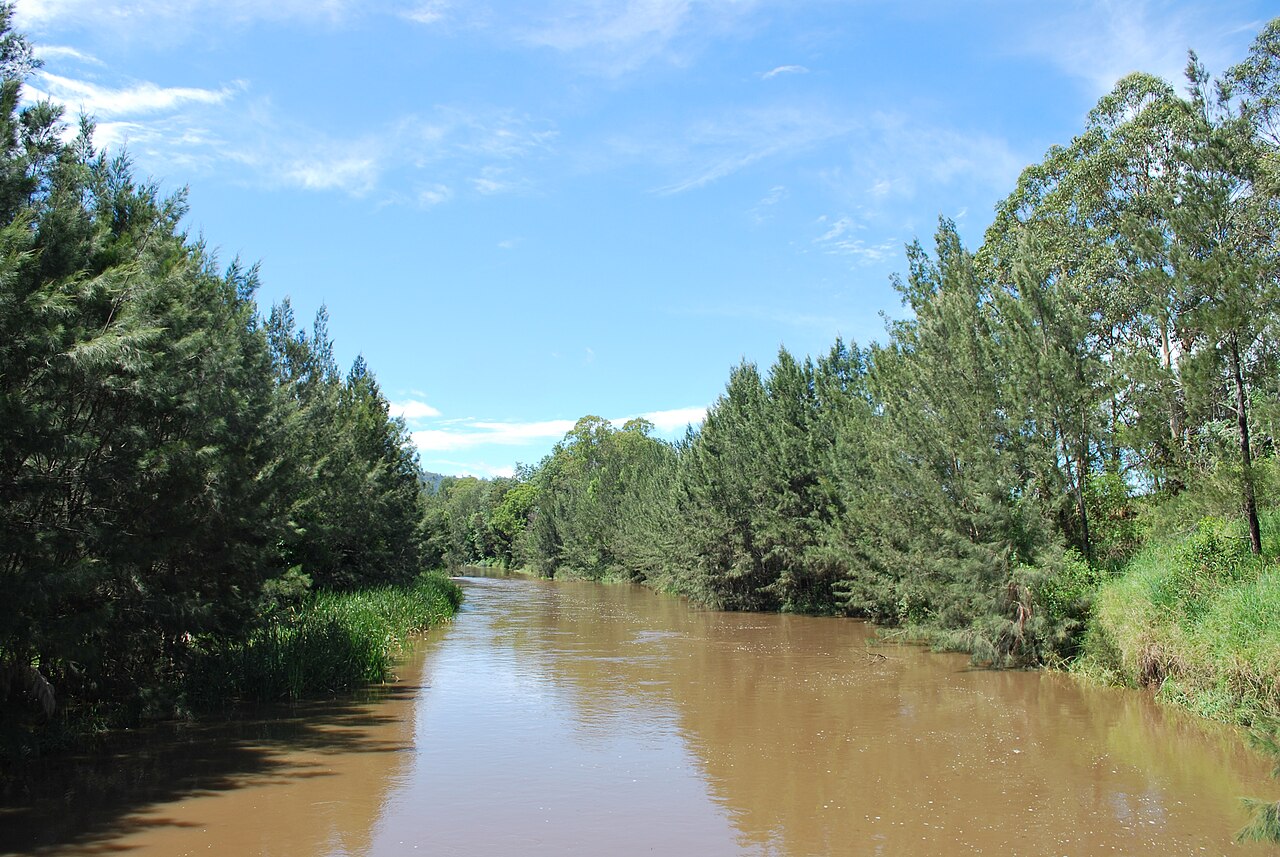
Farming families in Lalmonirhat fear a food crisis after a sudden, out-of-season flood submerged and destroyed crops on 3,500 hectares of land. Two days of rain and hill runoff from upstream swelled the Teesta river and caused the flood.
On Wednesday (20 October), at the Dalia point of the Teesta Barrage in Hatibandha, Lalmonirhat, the country's largest irrigation project, floodwater was seen flowing 70 centimetres above the danger level. The pressure of the water broke the barrage's flood bypass, sending water into inhabited areas and causing a severe flood. About one lakh people were marooned. Flood control embankments were breached in several places, and damaged dirt and paved roads cut off communication along the Teesta.
On the ground, the Kakina-Rangpur road in Kaliganj collapsed under the pressure of the floodwater, cutting off the route across the Gangachara Sheikh Hasina Bridge. The Mohishkhocha section of the flood control embankment was also breached in several places. A number of homes and the fish of thousands of ponds were washed away.
Although the flood came on Wednesday, the water at the Dalia point dropped well below the danger level within 24 hours. Short-lived as it was, the sudden flood caused heavy damage to farming. Standing crops on thousands of hectares were submerged and destroyed. As the water receded, the scars of the flood appeared across the affected areas.
3,380 hectares of crops lost
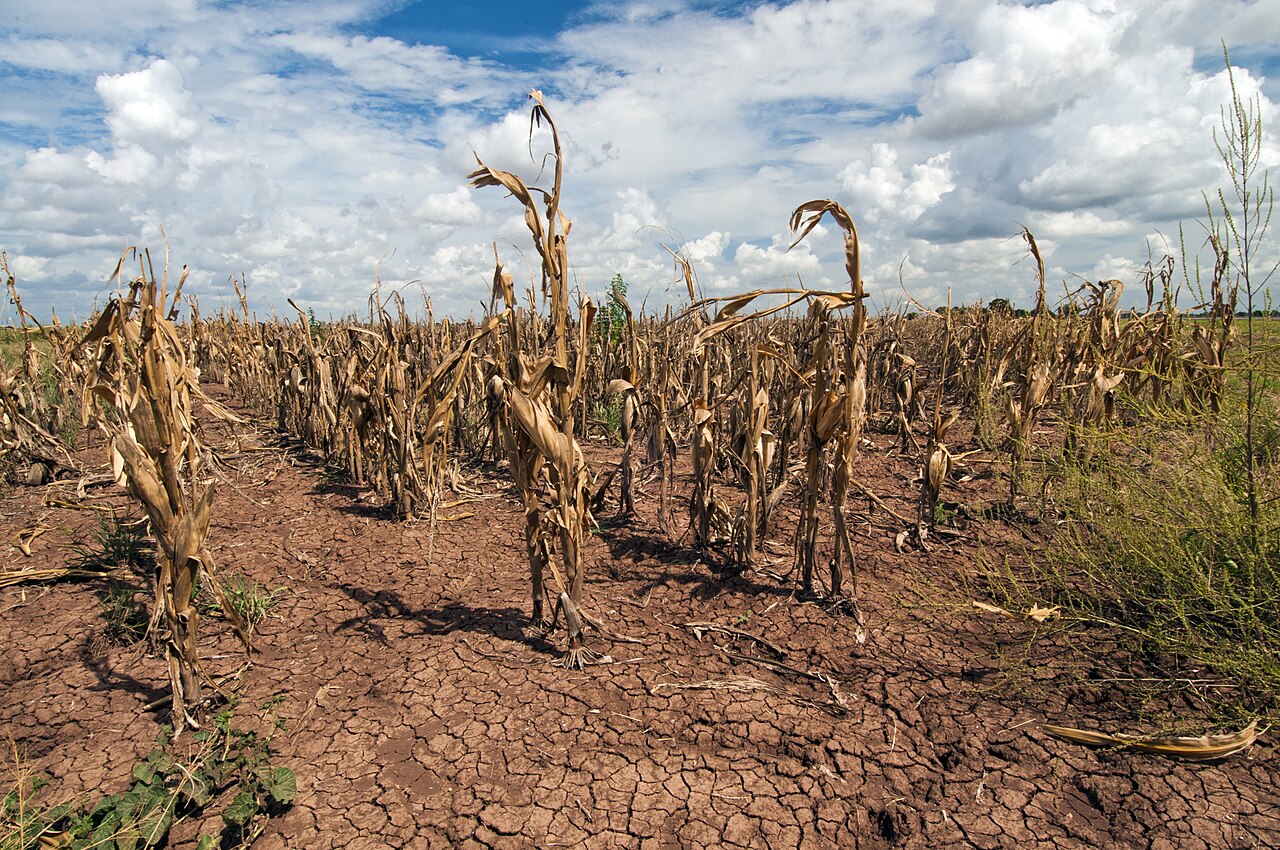
The Department of Agricultural Extension (DAE) in Lalmonirhat said Aman paddy had been planted on 84,485 hectares across the district's five upazilas. With favourable weather, a bumper yield had been expected, and full-scale harvesting would have begun within two to three weeks. Instead, the flood submerged Aman fields on 2,955 hectares. In addition, 192 hectares of maize, 52 hectares of groundnut, 64 hectares of newly planted potato, 5 hectares of black gram, 5 hectares of chilli, 16 hectares of onion and 91 hectares of various vegetables were submerged and destroyed. In total, crops on 3,380 hectares were lost in the flood.
Farmers count their losses
Shah Alam, a farmer from Gobardhan char, told Banglanews: "I spent nearly Tk 1 lakh planting sweet pumpkin seedlings on 7 bighas. The seedlings were doing quite well. Then the sudden flood came and everything was submerged and rotted." His dream now lies buried under sand.
Ashraful Alam, a farmer from Rajabpara village in Mohishkhocha, told Banglanews: "In just five to seven days I could have harvested the Aman paddy on 2 bighas. The flood ruined the paddy I grew with such effort. Forget recovering the cost; I am now deeply worried about repaying my loan and feeding my family."
Aziz Mia of the same village said: "I had cut the Aman paddy on 4 bighas and left it to dry in the sun. I was to bundle it and take it home two days later. Then the flood washed everything away. I never dreamt such a big flood would come at this time. What will we eat now? I can't sleep for worrying about it."
Shamim Ashraf, deputy director of the DAE in Lalmonirhat, told Banglanews that various crops on 3,380 hectares had been lost in the flood. Some crop may still come from 12 per cent of the damaged land. Farmers are being advised to clear water hyacinth and debris from their fields. At the same time, a list of those affected is being prepared, and arrangements will be made to rehabilitate them through the government, he said.
Source: Bangla Tribune. First published in Bengali on The Agro News.
Comments
(0)