
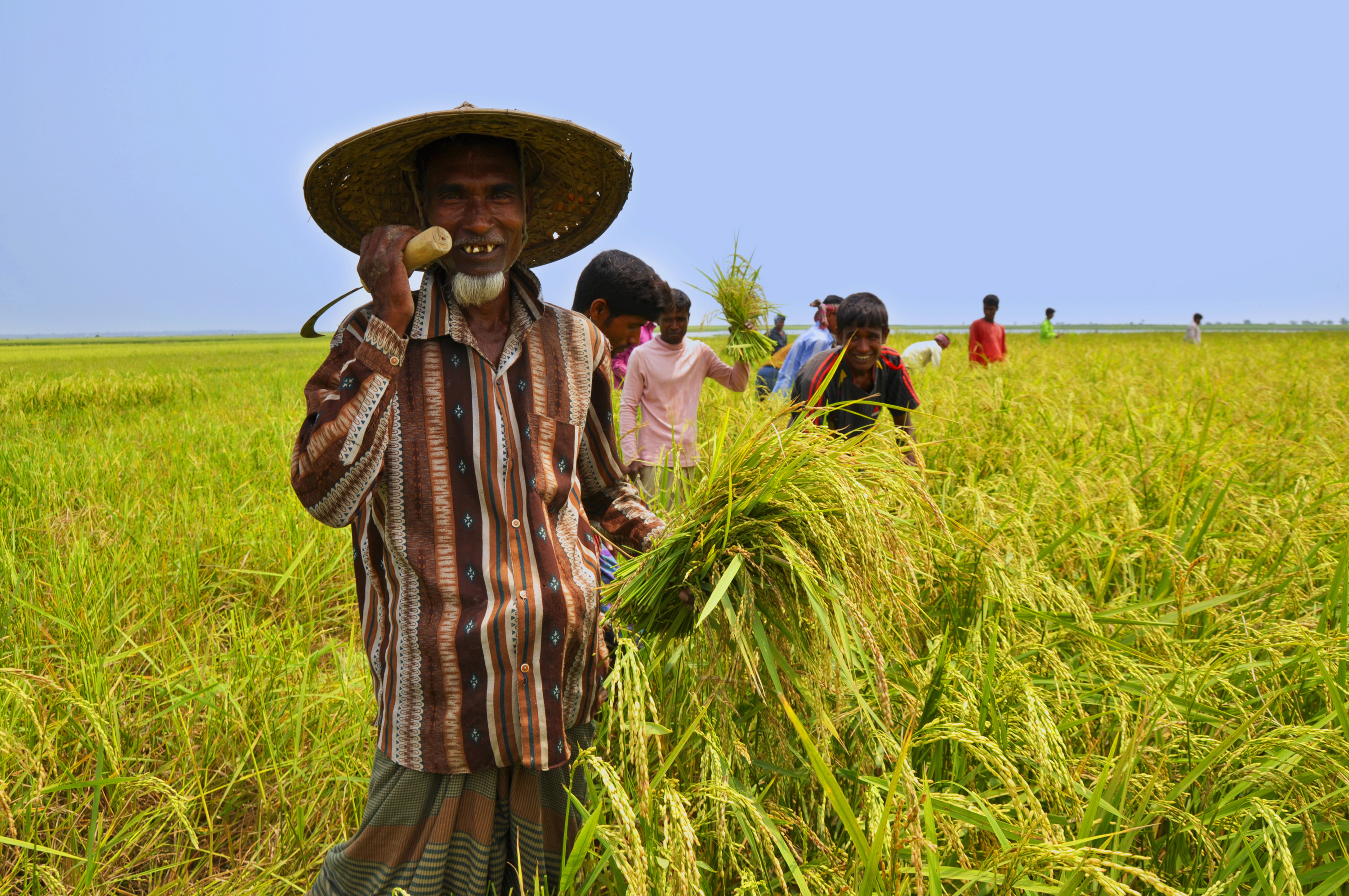
Farmers in all five upazilas of Lalmonirhat district spent the Bengali month of Agrahayan in 2024 cutting, threshing and storing their Aman paddy. According to a Jagonews24 report published on 1 December 2024, favourable weather and little disease gave the district a bumper Aman crop that season, and the mood of Nabanna, the new-harvest festival, had spread through farm households.
Yield, prices and area
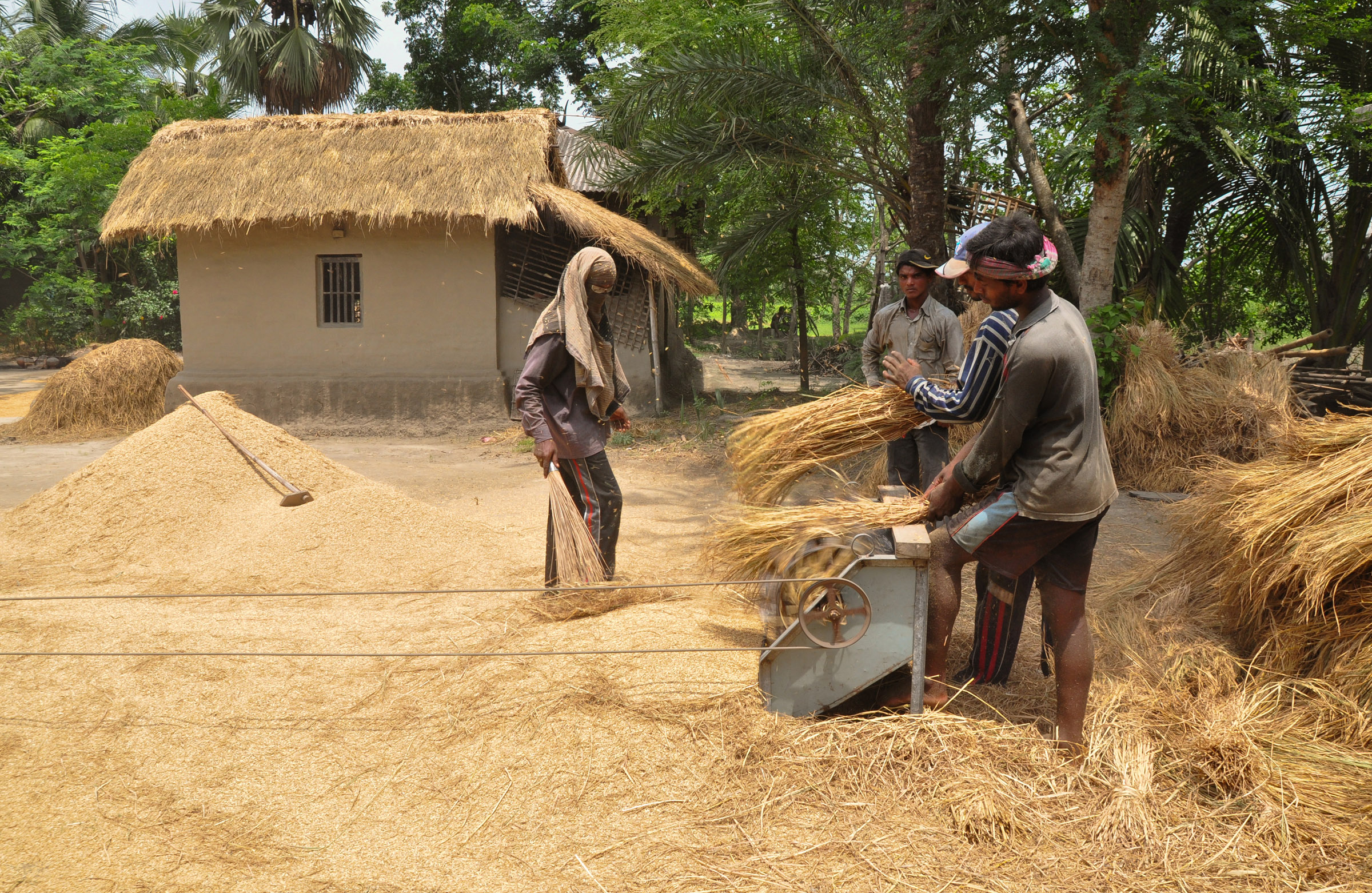
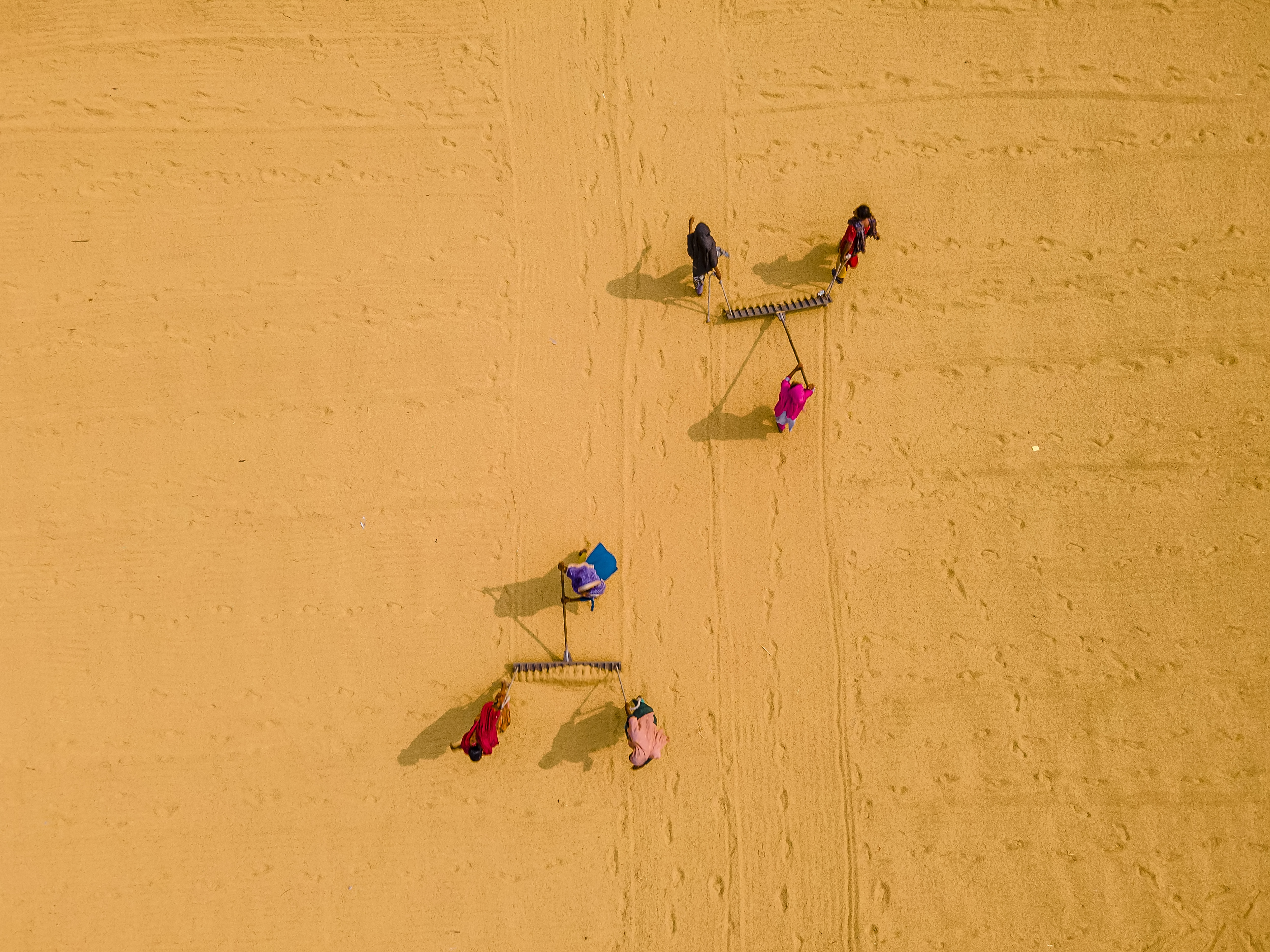
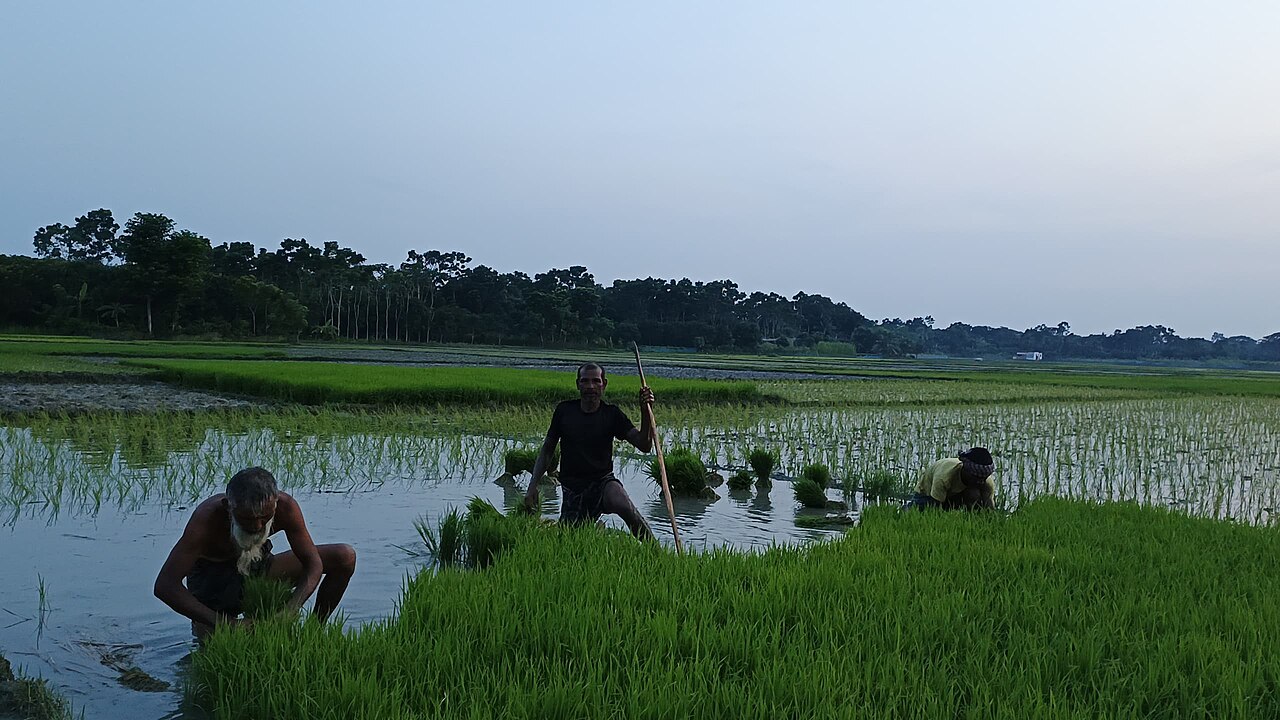
The report said paddy was then selling at Tk 1,200 to Tk 1,250 a maund in the local market. Farmers expected 25 to 30 maunds per bigha. In the fields, men and women were busy harvesting, threshing, parboiling and drying the grain.
According to the Lalmonirhat agriculture department, Aman was grown on 86,550 hectares in the district, more than the target. By the time of the report, 90 percent of the district's paddy had been harvested.
Neighbouring Rangpur district told a similar story. Bangla Tribune reported on 9 November 2024 that Rangpur's Aman target was 166,723 hectares and 166,940 hectares were planted, and the deputy director of agricultural extension there said the production target had been exceeded.
Government purchase prices had also been set. The Daily Star reported on 6 November 2024 that the Food Planning and Monitoring Committee decided to buy Aman paddy at Tk 33 a kilogram, parboiled rice at Tk 47 and sunned rice at Tk 46, with procurement running from 17 November to mid-March of the following year.
Farmers worry about costs and roads
Despite the good harvest, farmers spoke of rising costs. They said higher prices for fertiliser, pesticide and labour had pushed up production costs. But with better weather than in other years, pest attacks were lower, so yields were good and prices were good too.
Akbar Ali of Nij Sheikh Sundar village in Hatibandha upazila said that because the area lacks proper roads, farmers there spend extra money every year to transport their Aman paddy.
Mohsin Ali, a farmer in Sadar upazila, said fertiliser and pesticide prices were rising day by day, and that farming would stop if prices kept climbing. He urged the government to cut fertiliser prices.
What agriculture officials said
Hatibandha upazila agriculture officer Mizanur Rahman said he had learnt from farmers in the field that favourable weather had produced a bumper Aman crop and that farmers would benefit financially from it.
Md Saiful Arifin, deputy director of the Department of Agricultural Extension (DAE) in Lalmonirhat, said the district had a bumper Aman crop with fewer pest attacks than in other years. Agriculture officers were helping farmers in every union with modern farming methods, he said, and farmers were also getting a good price for their paddy.
Aman, Nabanna and Lalmonirhat
Aman is one of Bangladesh's three rice seasons. Transplanted Aman is usually planted in July and August and harvested in November and December, and it relies mainly on rainfall.
Banglapedia describes Nabanna, literally "new food", as the festival marking the harvest of the new Aman paddy. Once observed mainly by Hindus in Agrahayan, it is now celebrated by all communities, Hindus and Muslims alike, with rice-cake (pitha) festivals made from the freshly harvested rice.
Lalmonirhat is a border district in Rangpur division, with the Cooch Behar and Jalpaiguri districts of India's West Bengal to its north. It lies in the Teesta floodplain and is largely farmland. Its five upazilas are Lalmonirhat Sadar, Aditmari, Kaliganj, Hatibandha and Patgram.

Photo: Balaram Mahalder / Wikimedia Commons (CC BY-SA 3.0)
Sources: Jagonews24, Bangla Tribune, The Daily Star, Banglapedia, Wikipedia
Comments
(0)