
India has largely solved the problem of producing enough food but not of making nutritious food affordable, according to a KPMG report, Future of Food System: Preparing for the Next Frontier, Rural Voice reports. The report argues that the next priority must be getting nutritious food to consumers at affordable prices without exhausting natural resources.
Per capita food production is estimated at around 1,721 grams a day, about 36 percent above normative dietary requirements, yet actual consumption is around 20 percent below recommended standards, which the report reads as a problem of affordability and access rather than of supply. Using the Food and Agriculture Organization's Cost of a Healthy Diet indicator, it estimates that about 35.5 percent of the population, or 520.1 million people, could not afford a healthy daily diet in 2025. Child stunting, wasting and underweight persist as a result.
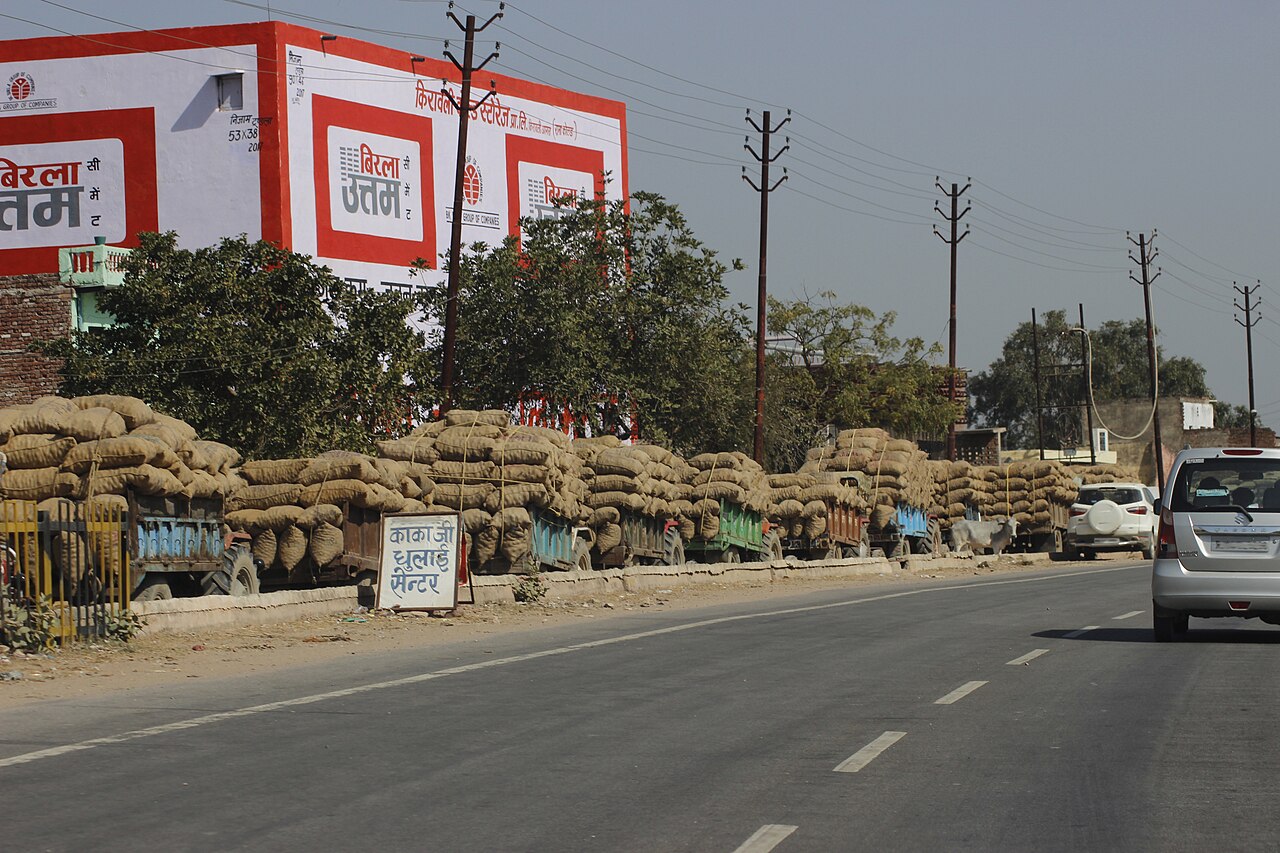
Storage is a weak link. Despite a large warehousing network, India faces an estimated shortfall of 10 to 15 million tonnes of cold-storage capacity for perishables. Uttar Pradesh holds more than 38 percent of the country's capacity, while several northeastern and hill regions have fewer than five facilities, and about three quarters of existing cold-storage space is used mainly for potatoes, leaving fruit, vegetables, dairy and seafood short of specialised storage.
The report puts post-harvest losses at 6 to 15 percent for fruit and 4.8 to 11.6 percent for vegetables, losses that cut farmers' earnings and raise the cost of fresh produce. It also flags the cost of resource-intensive farming: in Punjab, groundwater extraction has reached 156 percent of the state's annual extractable resource.
KPMG calls for a shift from food security to nutrition security, with priorities that include raising productivity through innovation and adaptation to changing agro-climatic conditions, strengthening supply chains with solar-powered cold storage and blockchain-based traceability, and making use of digital public infrastructure. The article was written by Rajasree Singh.
Photo: Suyash Dwivedi (potatoes on their way to cold storage in India) / Wikimedia Commons (CC BY-SA 4.0)
Source: Rural Voice
Comments
(0)