
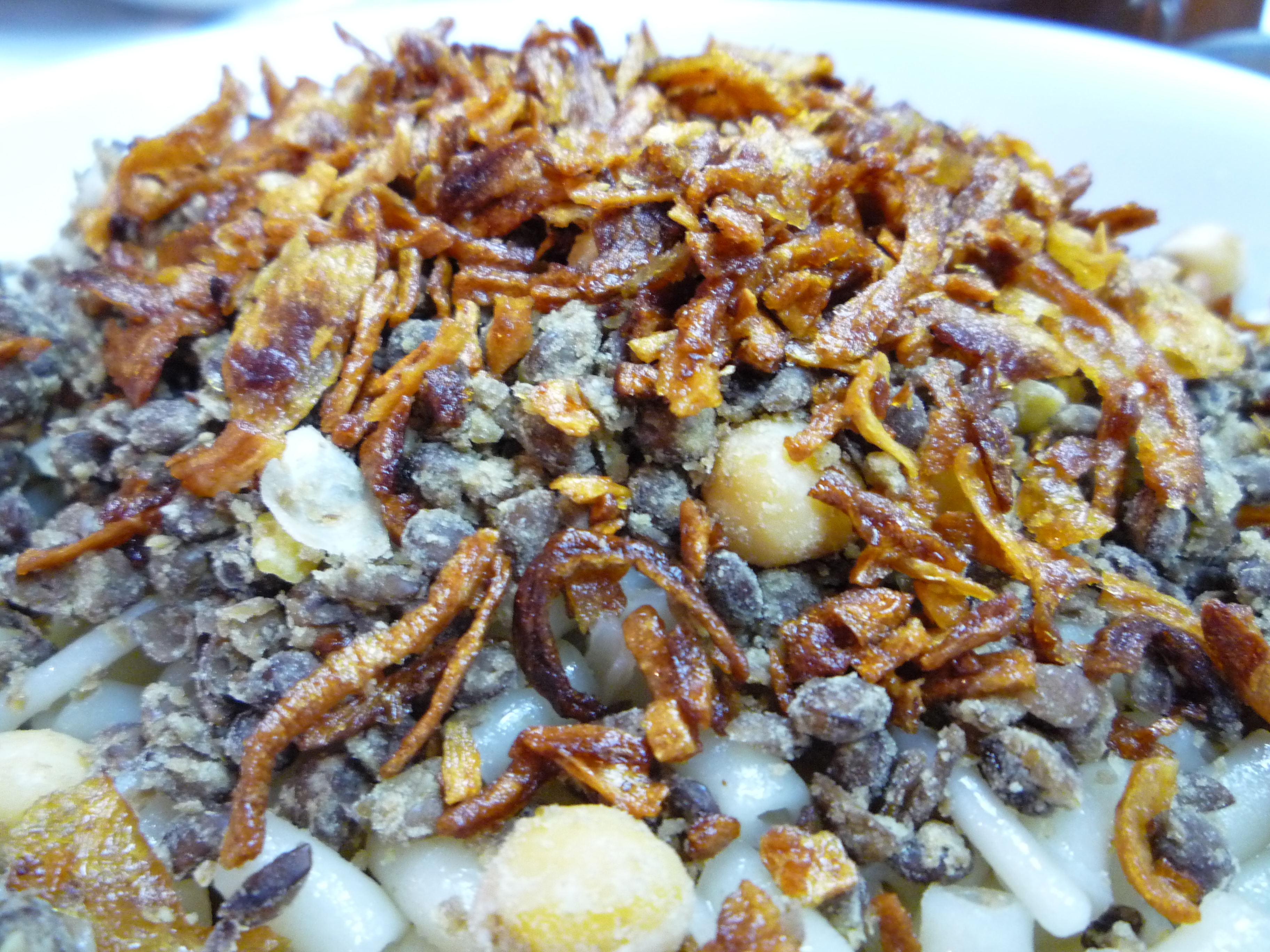
Koshari is eaten all over Egypt, from street carts to restaurants. Rice, lentils, pasta, chickpeas and crispy fried onions are layered together and finished with a tangy, spicy tomato sauce. On 7 July 2026 the lifestyle desk of the Bangladeshi news site Jagonews24 published a recipe for making it at home with simple ingredients.
What koshari is
According to Wikipedia, koshari is Egypt's national dish and one of its most popular street foods. Its main ingredients are rice, lentils, macaroni, vermicelli, tomato sauce, oil, onions, cumin and coriander, topped with chickpeas, a garlic-vinegar sauce and fried onions. Egyptian cooks usually use brown lentils; the Jagonews24 home version uses masoor lentils. The Media Line notes that each component is cooked separately and assembled at the end to keep its texture, and that the dish comes with a garlic-vinegar sauce called daqqa and an optional chilli sauce.
Accounts of its origin differ. The New Arab wrote that its origins remain unclear. The Media Line says it spread during the 19th-century British occupation of Egypt as a cheap, filling meal for working people, while Daily News Egypt reported that Egypt's UNESCO dossier traces its roots to ancient Egypt. Wikipedia gives the earliest English-language reference as the explorer Richard Burton's account of his 1853 travels, which describes a dish of Egyptian lentils, rice, butter, onions and pickled lemons.
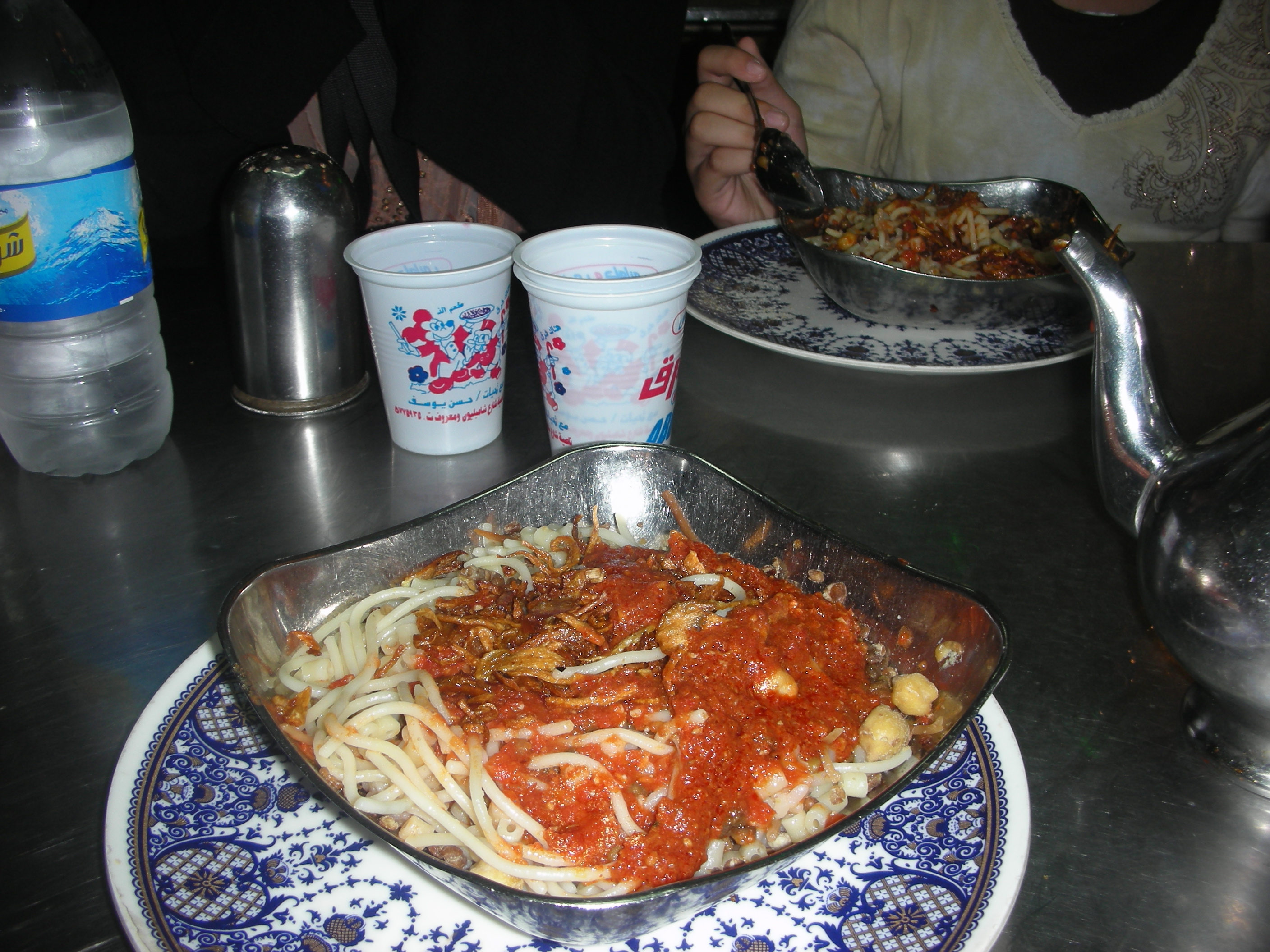
Ingredients
The Jagonews24 recipe gave the ingredients in four groups. For the rice and lentils:
- 1 cup basmati rice
- 1 cup masoor lentils
- 1 tablespoon oil
- 1 teaspoon ground cumin
- Salt to taste
- 3.5 cups water
For the pasta and chickpeas:
- 1 cup elbow pasta or any small pasta
- 1 cup boiled chickpeas
- A little salt and oil
For the tomato sauce:
- 2 tablespoons oil
- 4 cloves garlic, chopped
- 2 cups tomato puree or sauce
- 1 teaspoon ground coriander
- Half a teaspoon red chilli powder
- 1 tablespoon vinegar
- Salt to taste
For the fried onions:
- 3 onions, thinly sliced lengthways
- 1 cup oil for frying
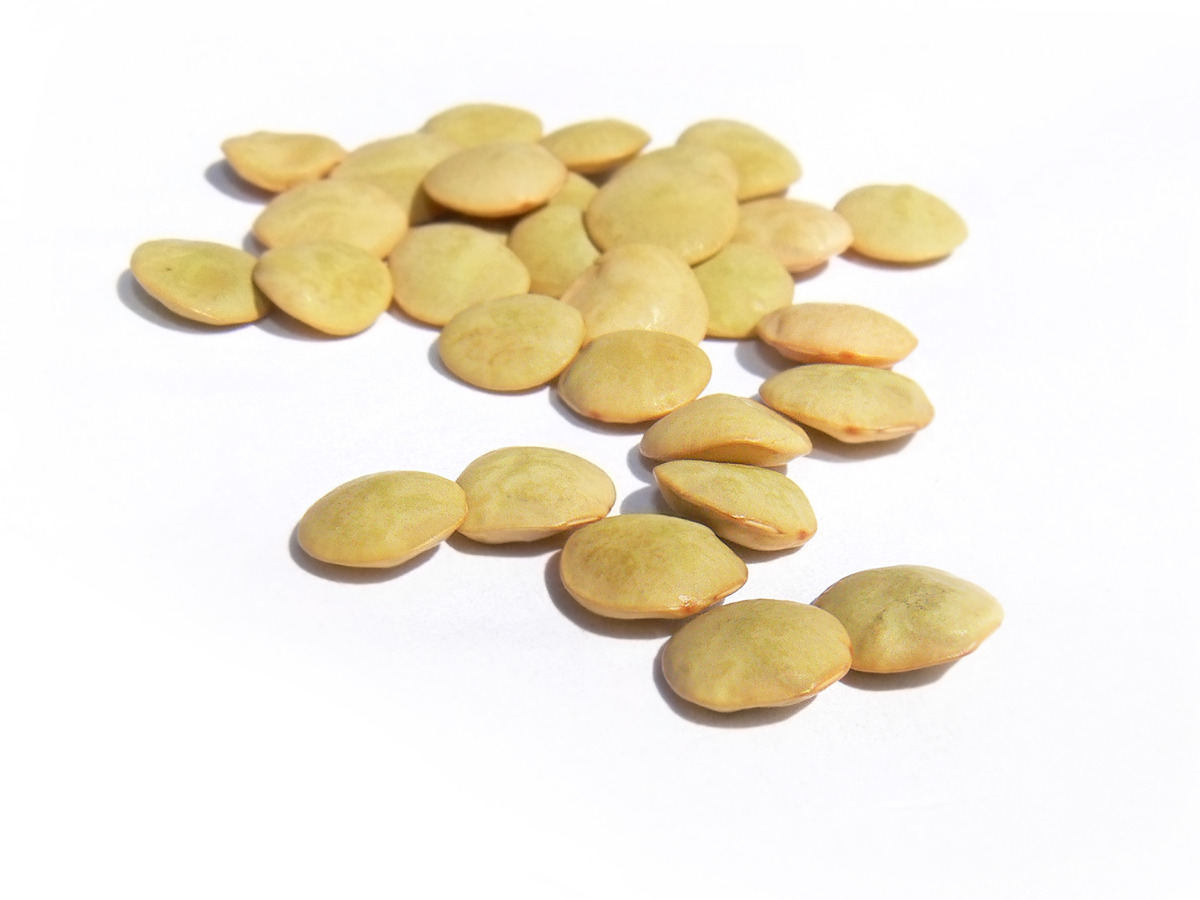
Method
- Heat 1 cup of oil in a pan and fry the sliced onions over a medium flame until golden brown and crisp. Drain on kitchen paper and keep the oil.
- Heat some of the onion oil in a pot, add the rice and lentils and stir for 2 to 3 minutes. Add 3.5 cups of water, salt and ground cumin. Bring to the boil, then cover and simmer until both are cooked and fluffy.
- Boil the pasta separately, drain it and toss with a little oil so it does not stick. Warm the boiled chickpeas gently with a pinch of salt.
- Heat a little oil in a pan and lightly fry the chopped garlic. Add the tomato puree, coriander, chilli powder and salt and cook well. When the sauce has thickened slightly, stir in the vinegar, cook briefly and take it off the heat.
- Spread the rice and lentils on a serving dish. Layer the pasta, chickpeas and fried onions on top in turn, pour over the tomato sauce and serve hot.
The method agrees with established recipes: the Food Network Kitchen's koshari also adds the lentils straight to the rice to cook together, puts vinegar in the tomato sauce, and makes a separate vinegar sauce with garlic, vinegar, cumin and coriander.
Koshari on UNESCO's heritage list
On 10 December 2025, meeting in New Delhi, UNESCO's Intergovernmental Committee for the Safeguarding of the Intangible Cultural Heritage added "Koshary, daily life dish and practices associated with it" to the Representative List of the Intangible Cultural Heritage of Humanity. Xinhua and Daily News Egypt reported that it was the 11th element registered in Egypt's name on UNESCO's lists and the first Egyptian dish. Egypt's culture minister, Ahmed Fouad Hanno, said the listing showed global interest in the culture of everyday Egyptian life.
The New Arab reported that millions of Egyptians eat koshari every day and that its cheap ingredients make it popular across all walks of life. According to The Media Line, Cairo's Koshary Abou Tarek has been serving the dish for more than 90 years.
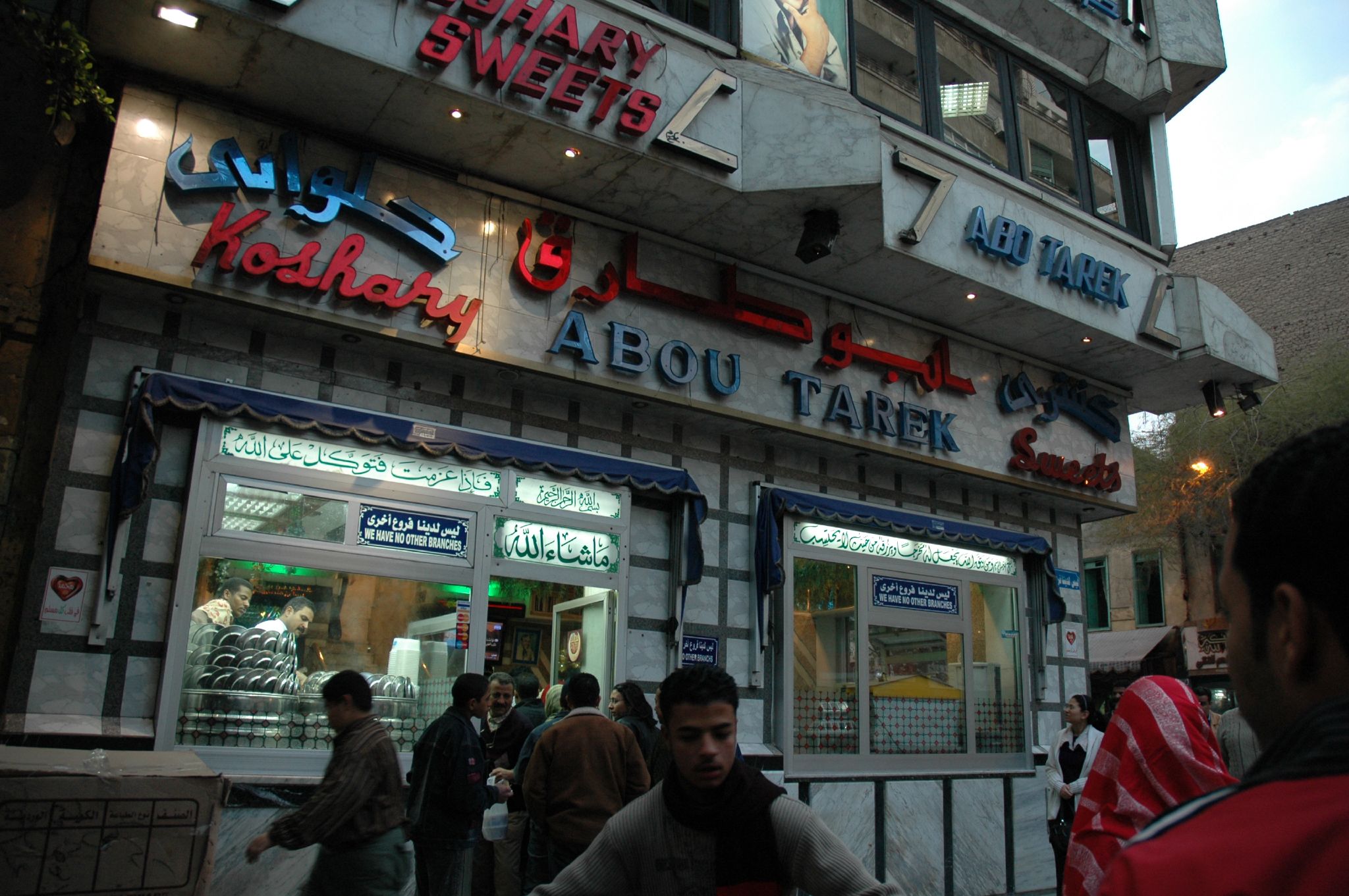
Photo: Arria Belli / Wikimedia Commons (CC BY-SA 2.0)
Sources: Jagonews24, Daily News Egypt, Xinhua, The New Arab, The Media Line, Food Network, Wikipedia
Comments
(0)