
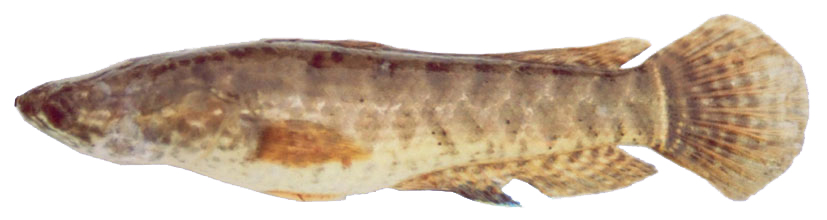
An outbreak of disease in koi (climbing perch) has caused severe losses for hundreds of fish farmers across the country. They blame hatcheries, feed companies and others, while scientists work to determine whether it is bacterial or viral.
After shing, now koi
Fish farmers' ups and downs seem tied to fate: one fish brings commercial success one year, another ruins them the next. A year or two after a die-off of shing (stinging catfish) in Mymensingh, Vietnamese koi has now brought farmers nationwide to the brink.
Farmers say they have no fish left to sell, as pond after pond is emptied by an unknown disease. Some stocked 300,000 fish in three ponds, which began dying within days; many lost around 1 million taka.
Blame over feed
Some farmers blame poor-quality feed mixed with antibiotics, saying fish fall sick when fed and stay well when not. Feed companies reject this, saying sick fish naturally have digestive problems.
Scientists' findings
Scientists at the Bangladesh Fisheries Research Institute (BFRI), Mymensingh, have made good progress. Through Channel i's Hridoye Mati O Manush, the research team was taken to farmers' ponds, where liver tests identified bacteria and showed ponds had become unfit for fish. BFRI scientific officer Sirajum Munir said oxygen was below the required level, and ammonia measured 2.5 per litre against a standard of 0.02.
Oversight needed
This is not about blame. Bangladesh is now fourth in the world in fish farming, and to sustain the revolution, many believe the government must closely oversee rules from fry production to marketing.
Source: Shykh Seraj, Hridoye Mati O Manush. First published in Bengali on The Agro News.
Comments
(0)