

The distance from the Tarakandi wholesale market in Pakundia, Kishoreganj, to the town's retail markets is 14 kilometres. Yet over that distance vegetable prices rise by Tk 30–40 a kg. Farmers are cheated while middlemen fill their pockets and buyers suffer. People involved are calling for regular market monitoring.
Various winter vegetables have started arriving at the wholesale and retail markets in and around the district town's Barabazar. Although vegetables come from different parts of the country, most of the supply comes from Tarakandi and from Pirijpur in Bajitpur. But most vegetables in the markets are not being sold according to the price lists put up by the Department of Agricultural Marketing.
The price gap
Green chilli that costs Tk 110 at Tarakandi sells for Tk 140–160 in town. Beans bought for Tk 60–65 sell for Tk 90–100, and cauliflower at Tk 60–65 a kg sells for Tk 110–120. Asked why, traders cite transport, higher wholesale prices and other reasons.
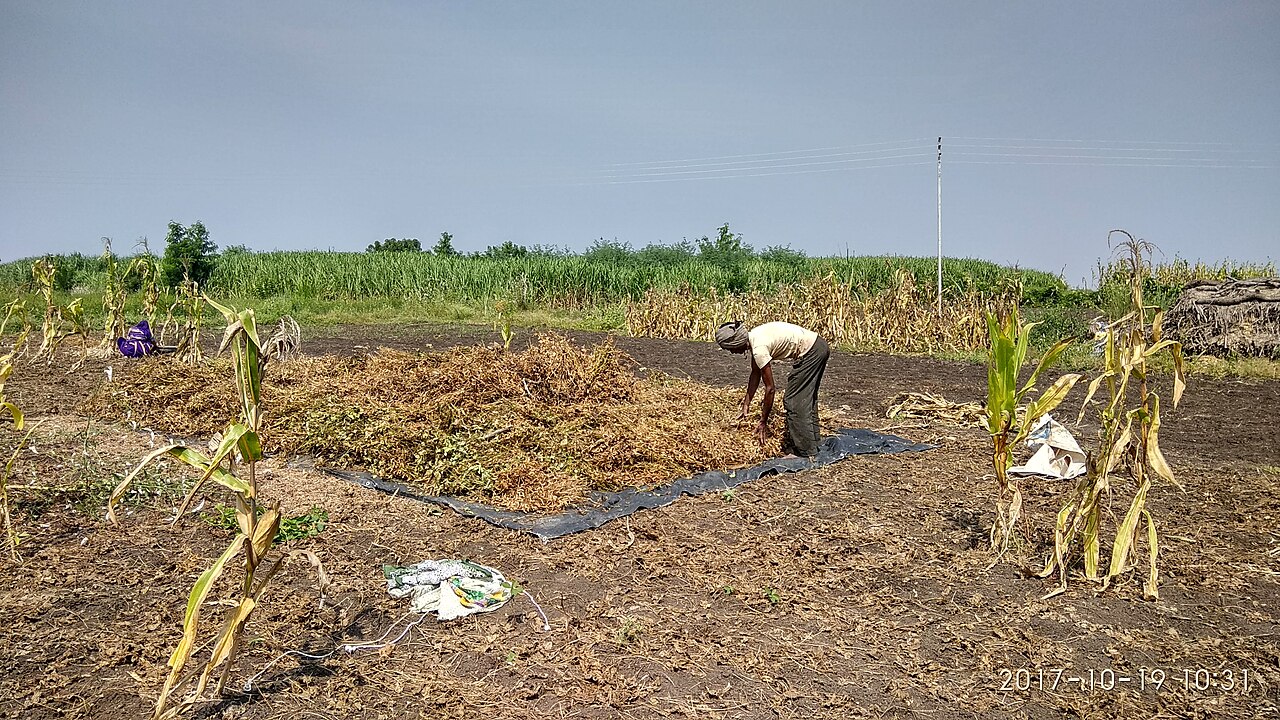
Kutub Uddin of Charjamail in Hossainpur upazila took up farming after returning from many years abroad. He grows various vegetables on his own land and on leased land. He picks fresh vegetables at dawn and takes them to Tarakandi market hoping for a fair price, but says he often does not get one.
The brinjal Kutub Uddin sells for Tk 30 a kg at the wholesale market sells for Tk 80 at retail. Such gaps sometimes make him so frustrated that he feels like giving up farming, he said.
Farmer Mofazzal Hossain said the prices of fertiliser, pesticide and fuel keep rising but the price of their hard-earned crops does not. "The price we sell vegetables at does not cover our costs. And when we go to buy vegetables at the market, we have to pay double," he said.
Traders' side
Manik Mia, who buys vegetables at Tarakandi and sells them retail, said that because of transport and labour costs and occasional spoilage, "we sell at a profit of at most Tk 10 a kg".
Saju Sheikh, a wholesaler at Barabazar in Kishoreganj town, said: "I buy vegetables at wholesale prices from Tarakandi and Pirijpur and sell them wholesale here. There are transport costs, shop costs and my own labour. That is why we have to sell at Tk 20 a kg profit. Then those who buy from us and sell retail a little further away add another Tk 20. Produce often spoils too. For all these reasons we have to sell at higher prices."
What officials say
Abu Saleh Hasan Sarwar, senior agricultural marketing officer of the Department of Agricultural Marketing in Kishoreganj, said that under the agricultural marketing law, vegetable retailers may make a 30% profit. Anyone who breaches the margin set by the law is fined, and two traders at the town's Barabazar have already been fined, he said.
Hridoy Ranjan Banik, assistant director of the Kishoreganj office of the Directorate of National Consumer Rights Protection, said they have brought the price gaps under monitoring and drives are continuing. "If anyone unreasonably sells a Tk 10 product for Tk 30, we will certainly take action," he said.
Last season the district produced 2 lakh 50 thousand 190 tonnes of winter vegetables. This year the target has been raised by 5,000 tonnes to 2 lakh 55 thousand 190 tonnes.
Abul Kalam Azad, deputy director of the Department of Agricultural Extension (DAE) in Kishoreganj, told Jagonews24 that if farmers repeatedly fail to get fair prices they will turn away from farming. Production will then fall, and later prices will rise much further and a crisis will follow.
He said that because produce changes hands several times, prices are low for farmers and much higher for consumers. If the number of hands can be reduced, both consumers and farmers will benefit.
Source: Jagonews24. First published in Bengali on The Agro News.

Comments
(0)