
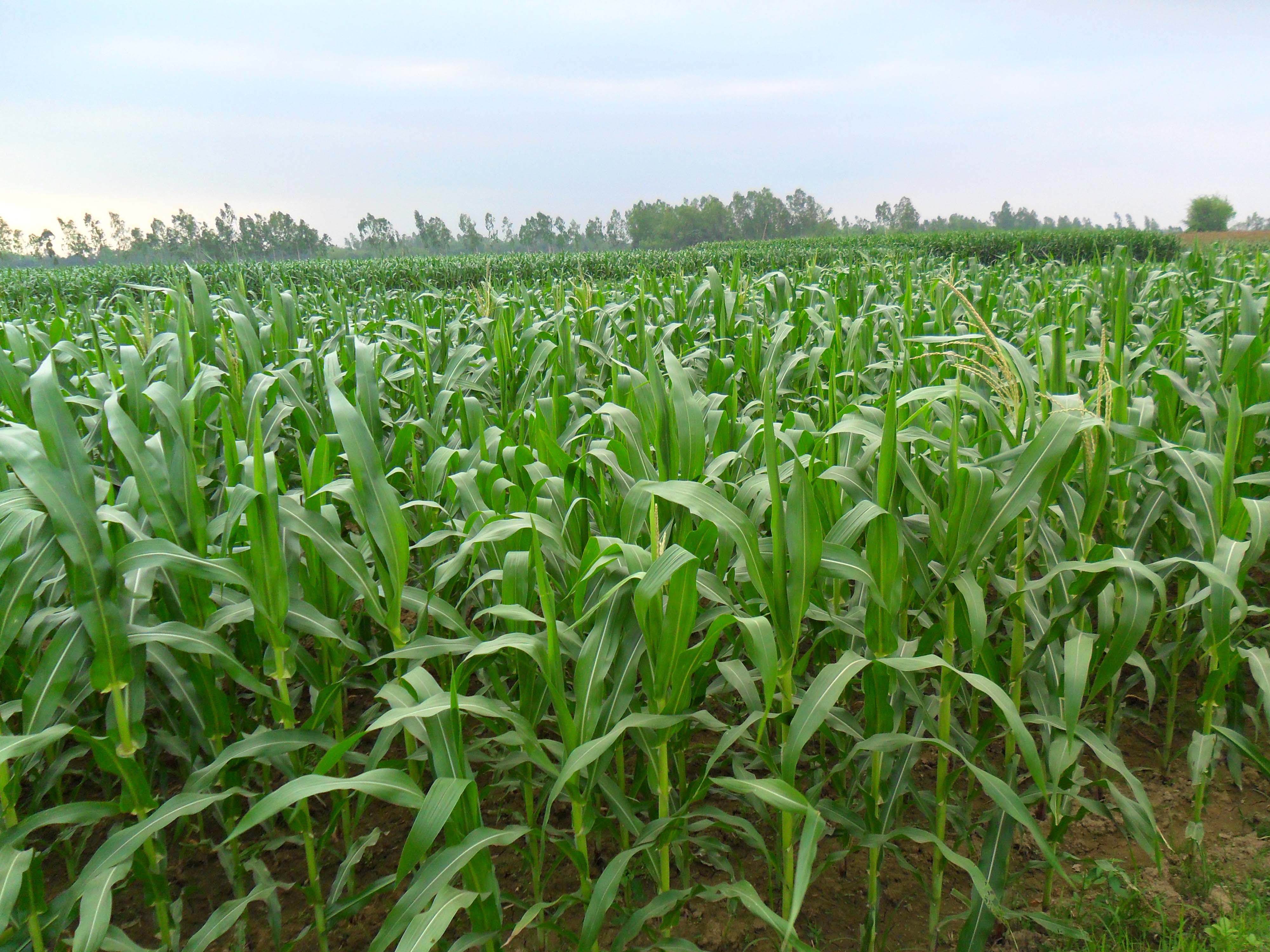
Farmers in the haor wetlands of Kishoreganj had for several years been turning to maize alongside rice. Jagonews24 reported on 9 April 2025 that maize cultivation in the district that rabi season had passed its target, reaching 12,210 hectares, and that the crop was good. Farmers said maize costs less, earns more and can be harvested before the monsoon, so it is less exposed to early floods. The Department of Agricultural Extension (DAE) said at the time that maize would make an important contribution to the region's farm economy.
Cultivation above target
According to the DAE, Kishoreganj set a target of 12,100 hectares of maize for the 2024-25 season, and 12,210 hectares were planted. Most of it was grown in four upazilas: 3,110 hectares in Nikli, 2,880 in Mithamain, 2,010 in Bajitpur and 980 in Austagram.
The spread had been under way for some years. Risingbd reported in February 2022 that maize in Mithamain upazila had grown from 1,960 hectares in 2021 to 2,135 hectares in 2022, with the upazila agriculture office encouraging farmers to plant it on high and fallow land.
With a good crop in the fields in April 2025, farmers hoped production would beat its target. Wholesalers were buying maize straight from the fields at Tk 1,000 to Tk 1,100 a maund.

Why maize suits the haor
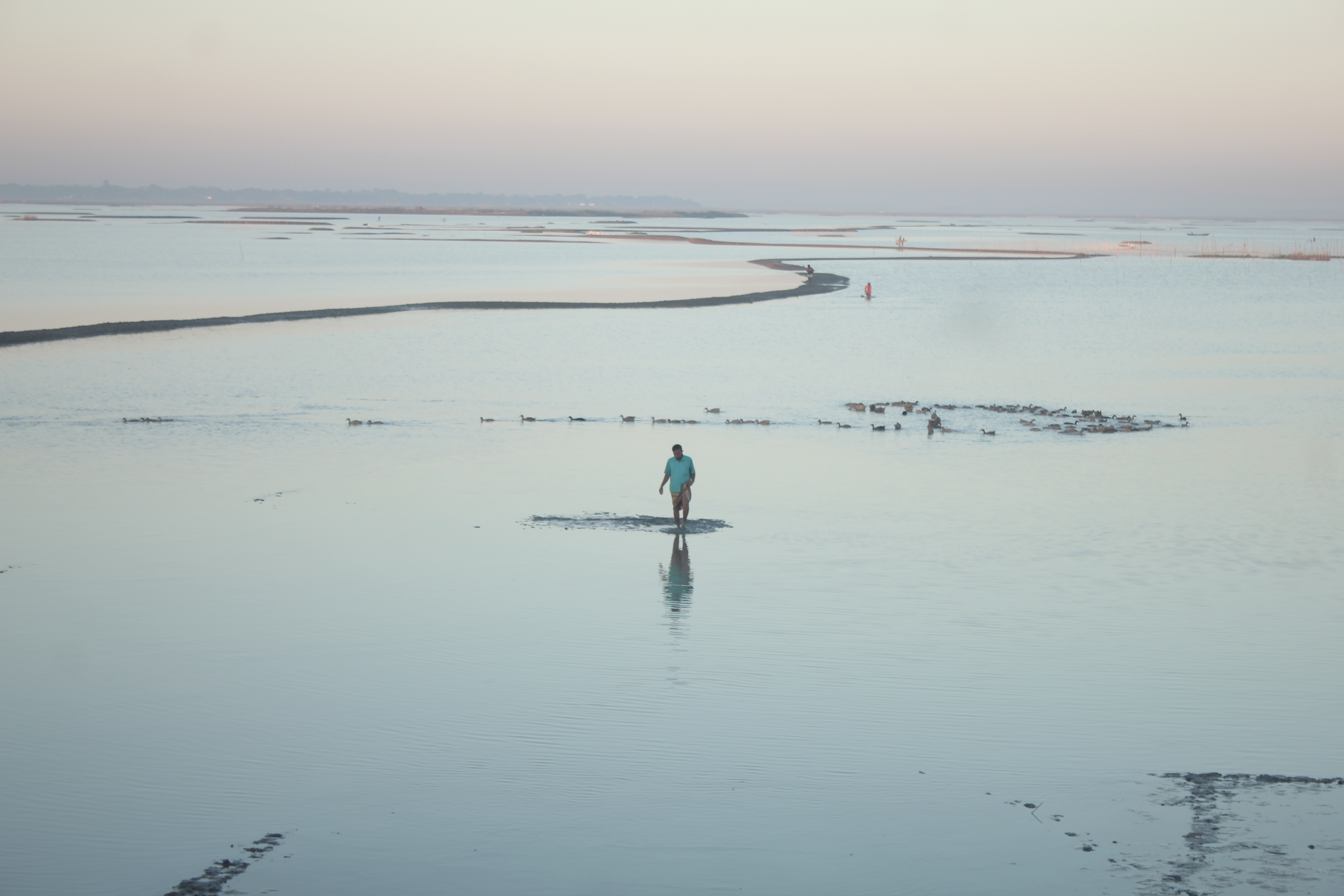
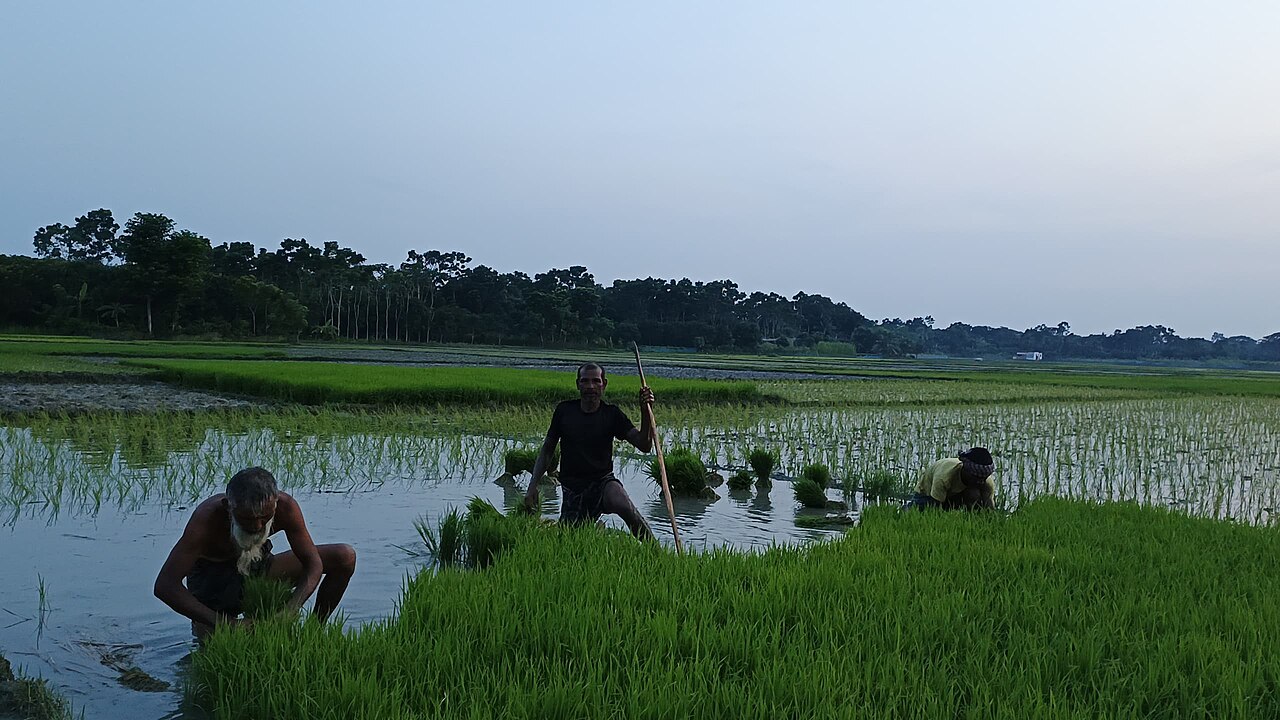
Banglapedia describes a haor as a large, bowl-shaped depression that fills with river and canal water in the monsoon to become a vast water body and largely dries out after it. These plains of greater Sylhet and greater Mymensingh stay flooded for about seven to eight months a year, and their rich alluvial soils are farmed mainly for rice in the dry season.
Haor farmers had lived by rice for generations, but in bad seasons they earned little, and early floods could wipe out a crop. As demand for maize grew in Bangladesh's poultry and feed mill industries, many saw a new opportunity in it.
Dr Md Sadikur Rahman, deputy director of the DAE in Kishoreganj, told Jagonews24: "Farmers are turning to maize as a safe crop for the haor. There is a chance of early floods in the haor, and growing maize protects them from early floods." He said maize was becoming popular in the haor area because of its good price and demand, and that the DAE had given farmers regular technical advice in the field, from seed selection and fertiliser management to disease control.
What farmers said
Abdur Rahim, a farmer in Mithamain upazila, said: "Rice farming in our haor area is risky because of floods, but maize carries little such risk, because we can harvest it before the rainy season. Maize also costs less to grow than rice but earns more."
Farmer Sharif Uddin said his high land used to lie fallow until he planted maize on it and got a good yield. "If prices hold, I will make a profit. We have also had help with maize farming from the agriculture office," he said.
Nazim Uddin, a farmer in the Itna haor, said maize pays in three ways: the grain is sold, the green leaves feed cattle, and the dried plants are burnt as firewood. Local people added that maize would truly benefit farmers only if their interests were protected when the crop is marketed.
Feed demand and the national picture
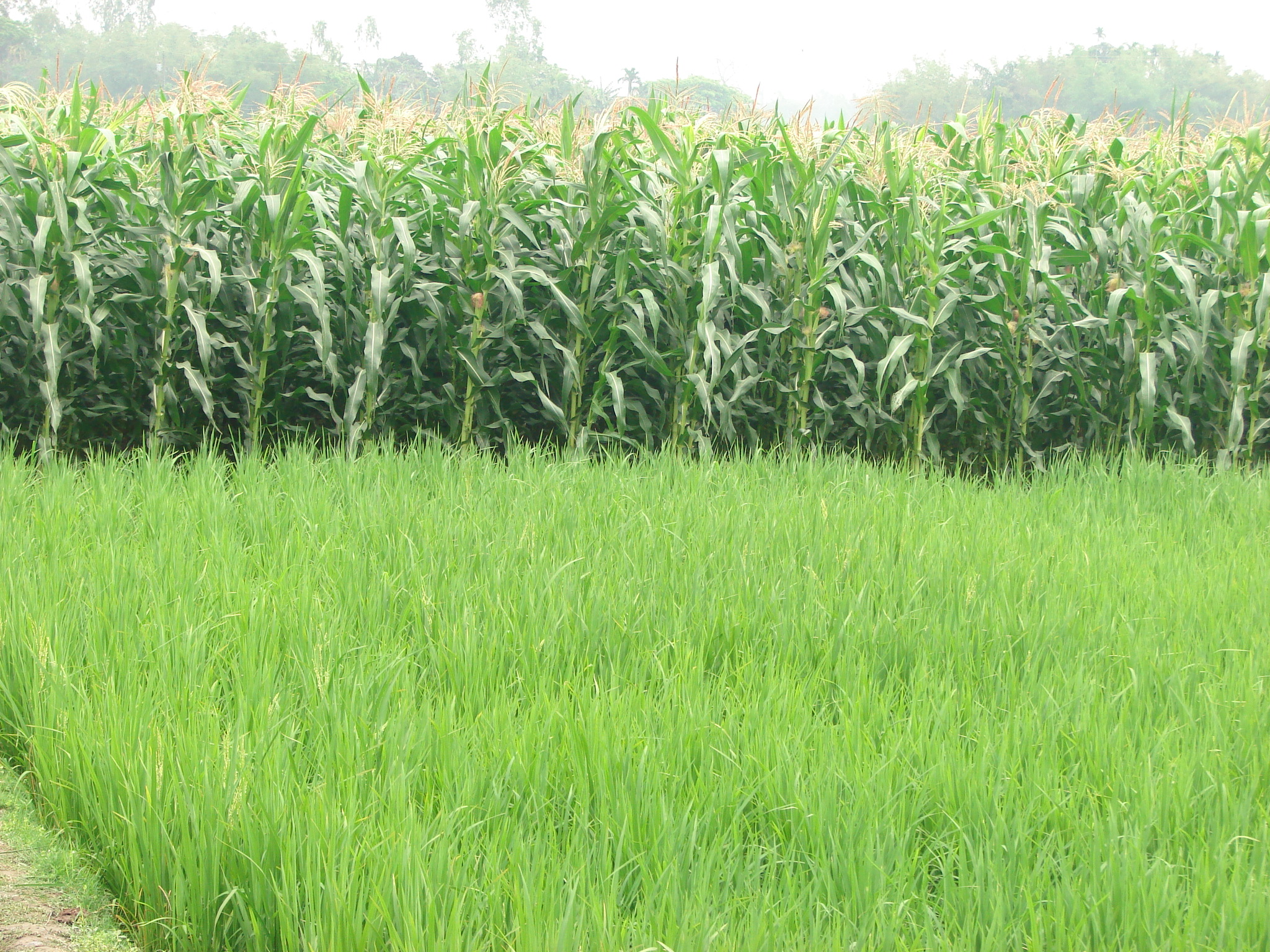
In its Grain and Feed Annual of 9 April 2024, the Dhaka office of the U.S. Department of Agriculture's Foreign Agricultural Service (USDA FAS) called maize Bangladesh's second largest grain crop after rice by area and production. About 90 percent of the crop goes to the feed industry, and about 85 percent is grown in winter, sown in November and December and harvested in March and April. The report put the 2023/24 harvest at 620,000 hectares and 5.4 million tonnes.
The same report said maize needs fewer inputs than boro rice or vegetables in the same season and was gaining ground on riverbanks and char land, where it yields better than other crops. The Daily Star Bangla, citing the DAE in May 2023, reported that maize covered 487,000 acres in 2011-12 and more than 1.4 million acres in 2022-23.
Photo: Reaid Hossain / Wikimedia Commons (CC BY-SA 4.0)
Sources: Jagonews24, USDA Foreign Agricultural Service (Grain and Feed Annual, Bangladesh, 2024), The Daily Star Bangla, Risingbd, Banglapedia
Comments
(0)