
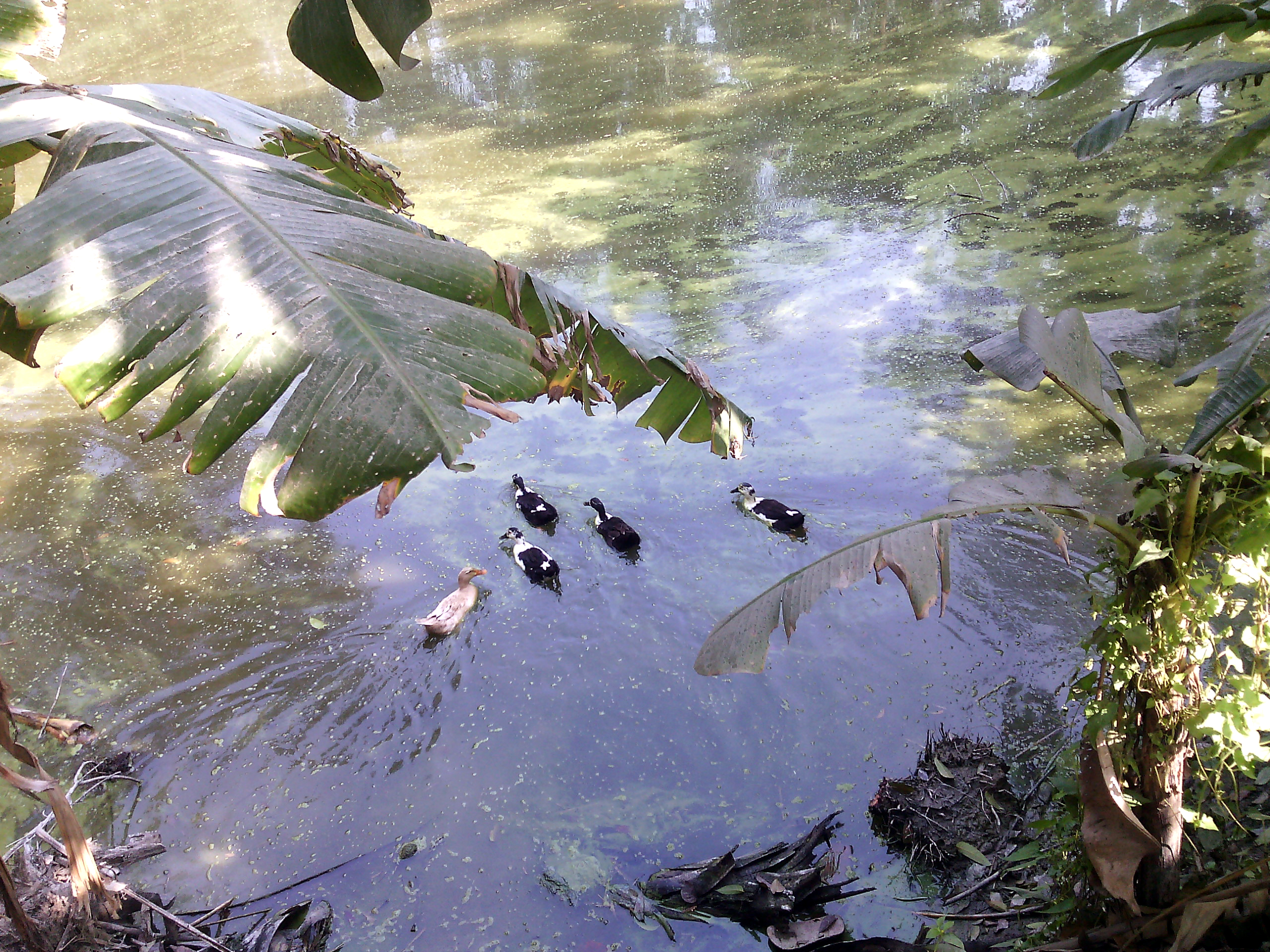
Duck rearing has become a major source of income for many families in the haor wetlands of Kishoreganj. According to a Jagonews24 report published on 4 November 2025, about 2,000 farms in the district were raising more than 25 lakh ducks and producing about 2 crore eggs a year. Farmers spoke of good profits, but complained that veterinary help did not reach them quickly when disease struck.
Farms on the water along the Ghorautra
Hundreds of duck farms line both banks of the Ghorautra river in Nikli upazila. Built on the water with bamboo poles and net enclosures, these temporary farms keep native ducks swimming all day; at night the birds rest in huts on the riverbank. The Ghorautra is a stretch of the Surma: known locally as the Danu, the Surma enters the district through Itna and splits in two, and when the branches rejoin near Shingpur in Nikli the river takes the name Ghorautra.
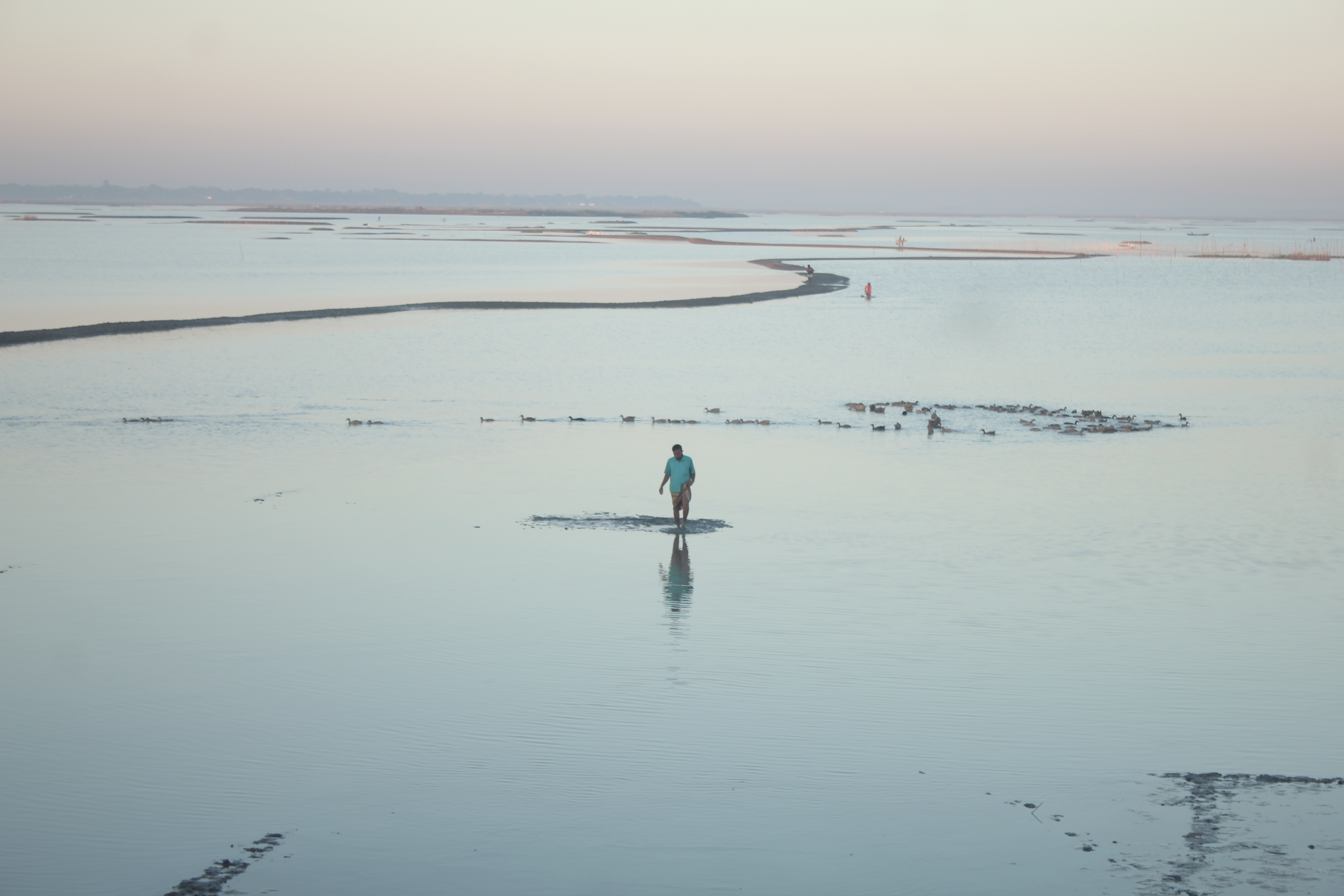
A haor is a bowl-shaped, low-lying wetland in north-eastern Bangladesh that turns into a vast sheet of water in the monsoon as rivers and canals spill into it. The eastern part of Kishoreganj is such a haor basin, and much of it stays under water for most of the year. Besides Nikli, duck rearing on river and haor water during the monsoon was growing fast in Itna, Mithamain, Austagram and Tarail.
Farmers said low capital, natural feed such as snails and mussels, and a little grain make the business pay. Nikli farmer Alamgir Hossain told Jagonews: "Farming on the water needs no separate land. We release the ducks into net and bamboo enclosures. Snails and grain meet most of their needs. Costs are low, so we make a good profit in the season."
Eggs, hatcheries and thousands of livelihoods
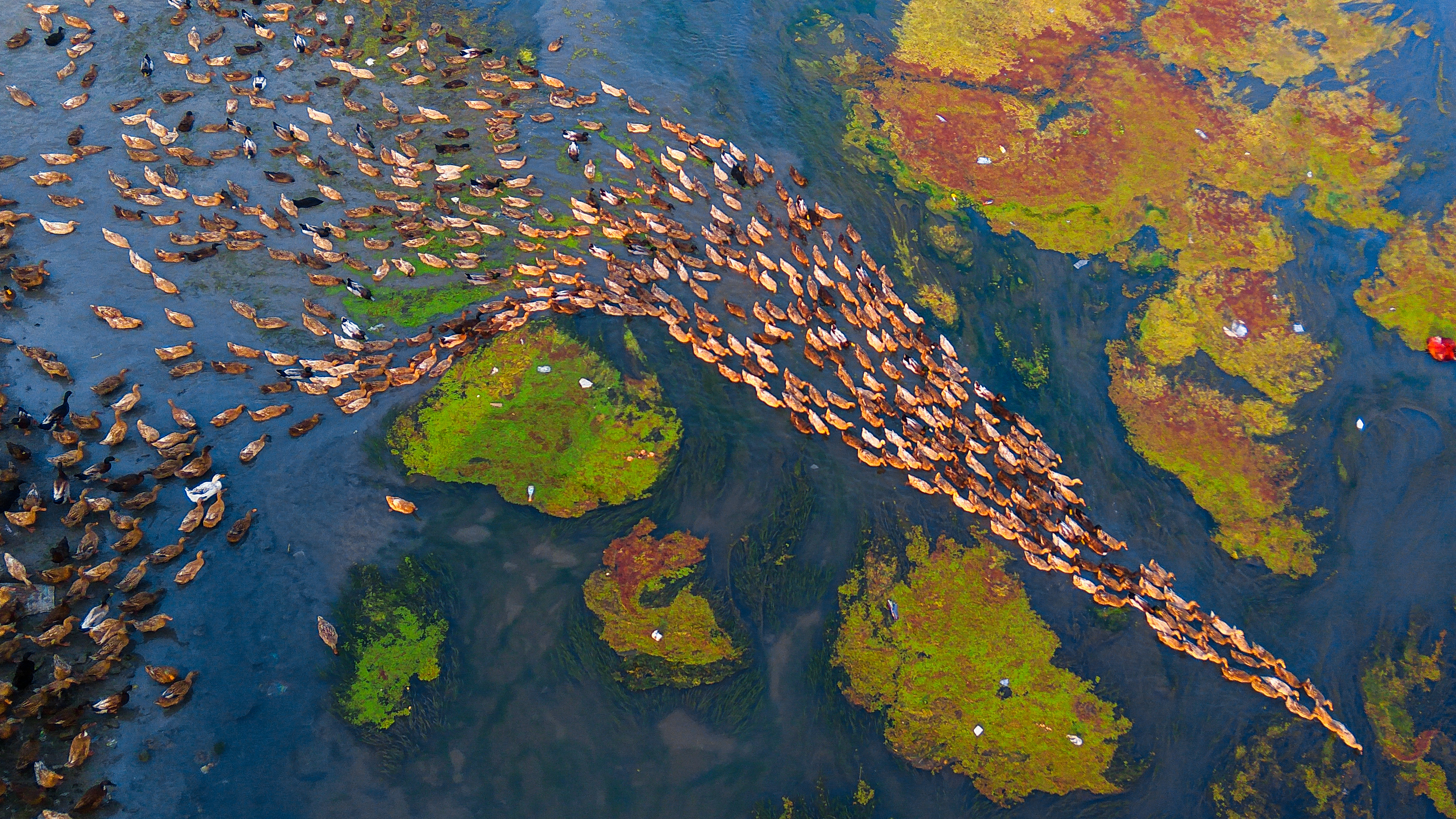
Citing local and district livestock office sources, Jagonews reported that the haor farms of Kishoreganj produce about 2 crore duck eggs a year. After meeting the district's own needs, the area supplies about 25 percent of the country's demand for duck eggs, sending them to Dhaka, Chattogram, Sylhet and other cities. Haor duck meat is also popular across the country.
The district had about 1,500 farmers or entrepreneurs in the trade, and about 12,000 families benefited directly or indirectly. Around the egg trade, more than a hundred hatcheries have grown up in the Damiha area of Tarail upazila (Damiha is one of Tarail's unions). Using the husk or steam method, they hatch a total of 2 to 2.5 lakh ducklings a day for local farms and other districts. Rabeya Khatun, a farmer in Mithamain, told Jagonews: "Wholesalers take our duck eggs straight to Dhaka and Chattogram."
Nationally, the Department of Livestock Services' "Livestock Economy at a Glance 2023-2024" put the country's duck population in 2023-24 at 682.61 lakh, and total egg production from all poultry at 2,374.97 crore.
What farmers want: quick treatment and market links
Farmers complained that when their ducks fall ill they cannot get veterinary help quickly. They asked for a mobile veterinary service, help with vaccines and medicines, low-interest loans, feed and egg collection centres, and assured fair prices. "When there is disease we can't get a doctor quickly," Rabeya Khatun said. "If there were a mobile vet team, the losses would be much smaller."
Shahadat Hossain, a hatchery owner in Damiha, said: "There are many hatcheries in Damiha now. We can hatch thousands of ducklings every day. If the electricity supply were stable and there were a permanent collection centre, the work could be done on a much bigger scale." People in the trade said that with government support and better market links, haor duck rearing could grow from a local livelihood into a major sector of the economy.
Kishoreganj district livestock officer Dr Md Abdul Mannan said: "Duck meat and eggs produced in the haor waters are pure, tasty and nutritious, so demand in the market is always high. Farmers are being given training, vaccination, advice and other necessary support to develop this promising sector."

Photo: Belayet2014 / Wikimedia Commons (CC BY-SA 3.0)
Sources: Jagonews24, Department of Livestock Services (Livestock Economy at a Glance 2023-2024), Wikipedia (Kishoreganj District, Tarail Upazila, Haor)
Comments
(0)