
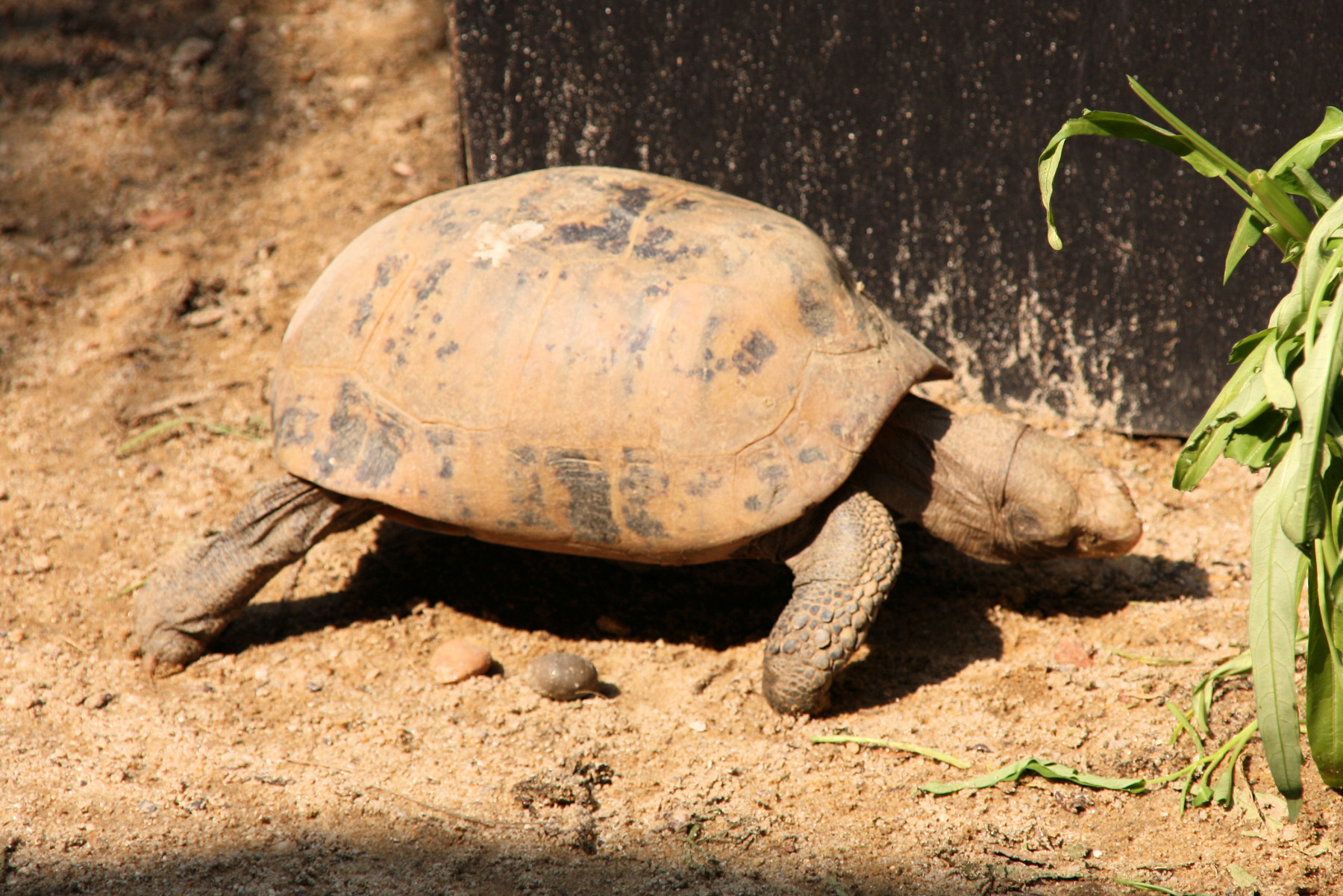
The Forest Department rescued a critically endangered elongated tortoise, known locally as the hill yellow tortoise, that had been brought for sale to Boalkhali bazar in Dighinala upazila of Khagrachhari. The animal was recovered from the Jafar Store area of the market on the afternoon of Wednesday, 8 July 2026. Mohammad Mizanur Rahman, director of the Wildlife Crime Control Unit (WCCU), confirmed the rescue.
Found in an abandoned fish drum
According to the Forest Department, local volunteers who work on wildlife conservation saw the tortoise being offered for sale and informed the department. Mohammad Jafar Ullah, an official of the department's Merung range, went to the market and recovered the tortoise from an abandoned drum used for carrying fish.
"The tortoise belongs to a critically endangered species. It has been taken into the custody of the Forest Department. After the necessary quarantine and health examination, it will be released into a suitable natural habitat," Jafar Ullah told The Business Standard.
During preliminary questioning, the man who brought the tortoise to the market claimed he did not know it belonged to a critically endangered species. By his account, he caught it beside a drain and brought it to sell without understanding what it was.
Officials told The Business Standard that critically endangered wildlife was still being brought to local markets in the Chittagong Hill Tracts for sale. They called for closer monitoring, stricter enforcement of wildlife protection laws and greater public awareness to curb the illegal trade.
What the elongated tortoise is
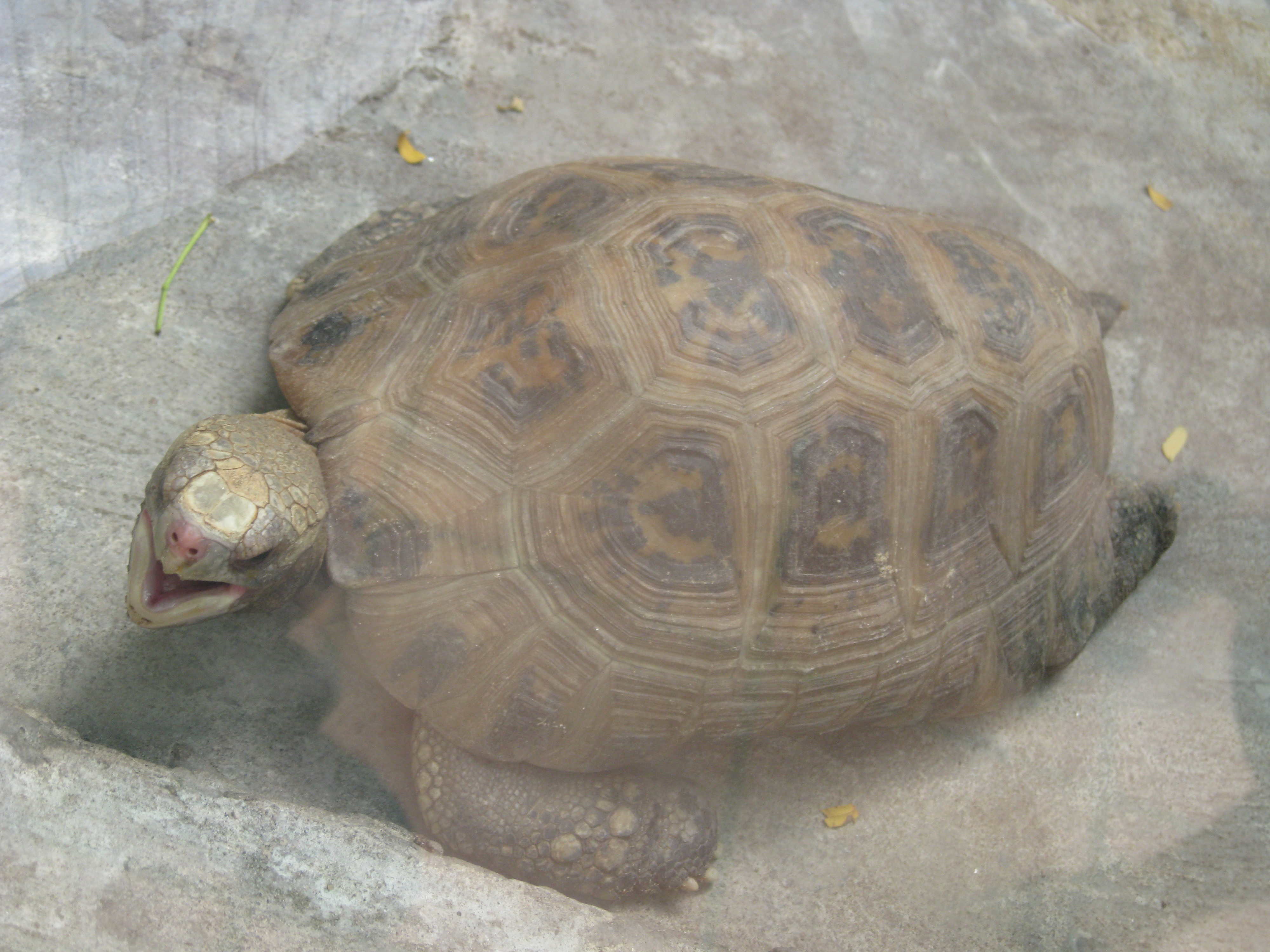
The elongated tortoise (Indotestudo elongata) is a land tortoise. Its shell is greenish yellow, with an irregular black blotch on each plate. Adults are typically around 30 centimetres long and weigh about 3.5 kilograms.
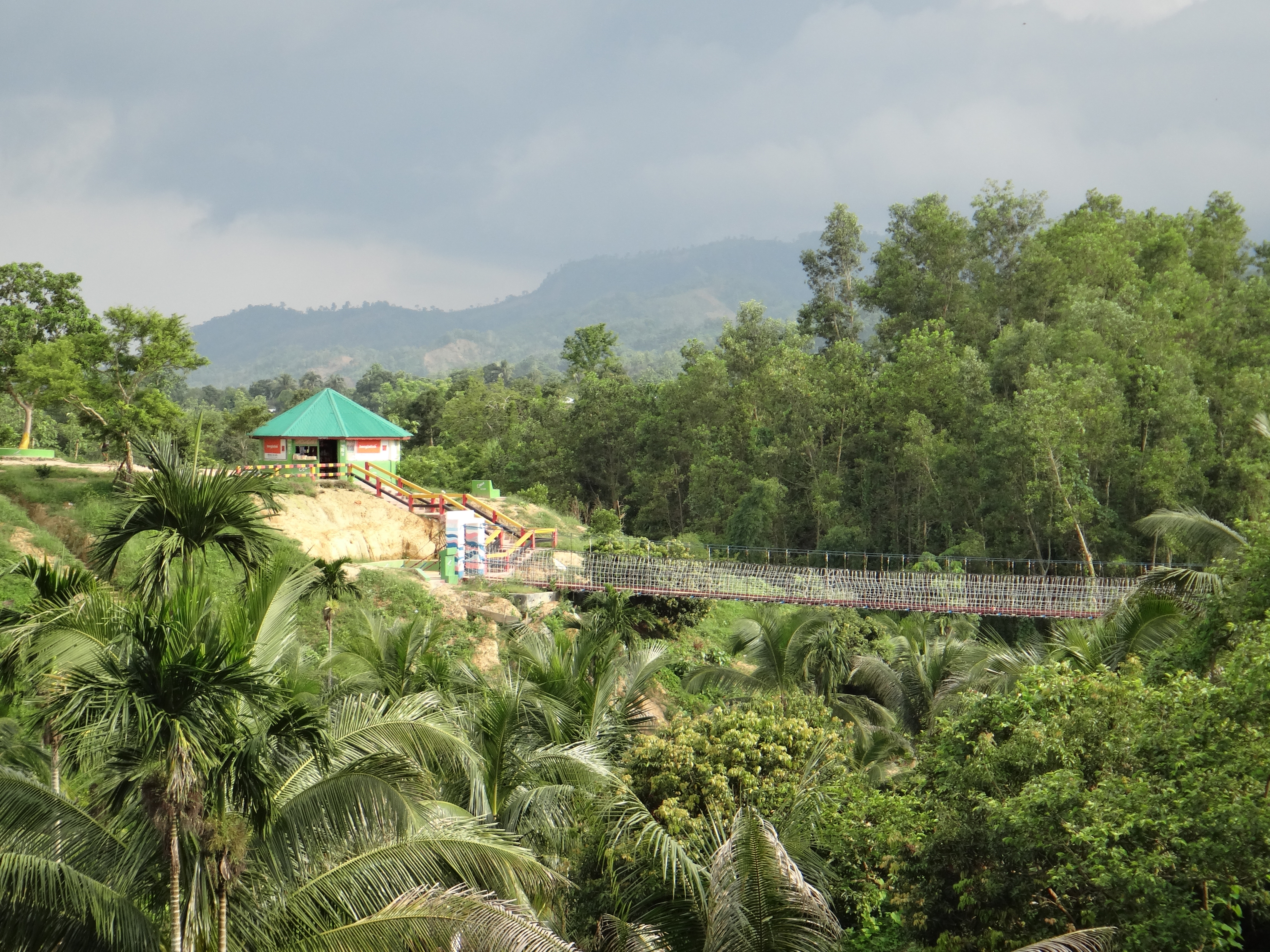
Besides Bangladesh, the species is found in India, Nepal, Myanmar, Thailand, Laos, Cambodia, Vietnam, western Malaysia and southern China. In Bangladesh it lives in the hill forests, and it has been recorded in the forests of the Chittagong Hill Tracts.
Why the species is critically endangered
The International Union for Conservation of Nature (IUCN) assessed the elongated tortoise as Critically Endangered on its Red List in 2019. The species is in severe decline across its range, driven by deforestation, habitat loss, hunting and trafficking for food and pet markets.
A 2015 study in the journal Chelonian Conservation and Biology by Shahriar Caesar Rahman and colleagues noted that the Chittagong Hill Tracts cover more than 10 percent of Bangladesh's land area and lie within the Indo-Burma biodiversity hotspot. Surveying the Sangu-Matamuhuri Reserve Forest and nearby areas from 2011 to 2015, the researchers obtained specimen-based records of eight turtle and tortoise species, including the elongated tortoise. They found subsistence hunting to be the most immediate threat in the region and recommended community-based conservation built on trust and local participation.
Bangladeshi law also protects wildlife. In December 2025 the advisory council approved the Wildlife (Conservation and Security) Ordinance, 2025, which replaced the Wildlife Act of 2012. The forest ministry said at the time that the ordinance prohibits and penalises the hunting, trafficking, killing and commercial use of wildlife.
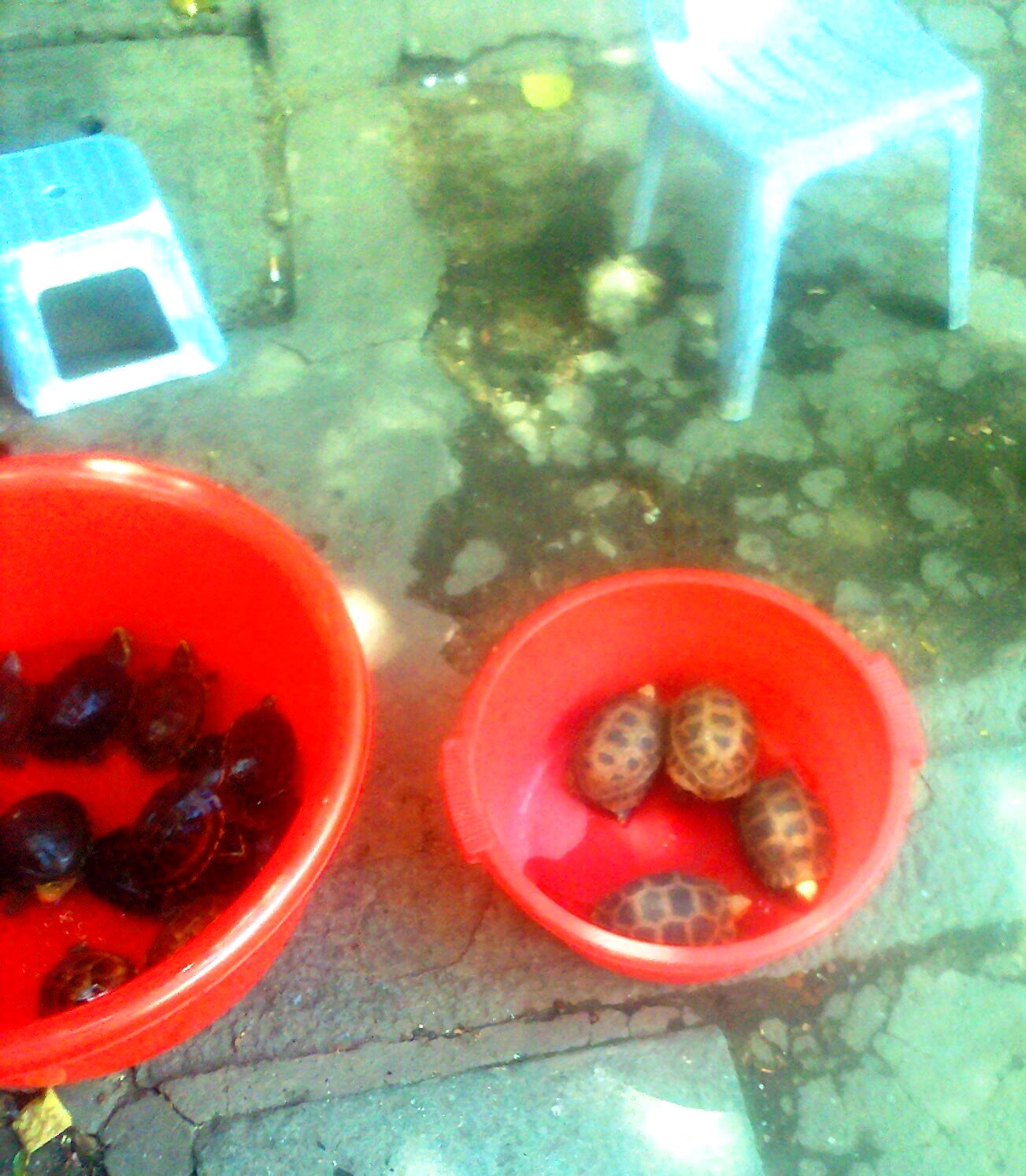
Photo: Marek Ślusarczyk (Tupungato) / Wikimedia Commons (CC BY 3.0)
Sources: Jagonews24, The Business Standard, bdnews24.com, Independent Television, IUCN Red List, Chelonian Conservation and Biology, Prothom Alo
Comments
(0)