
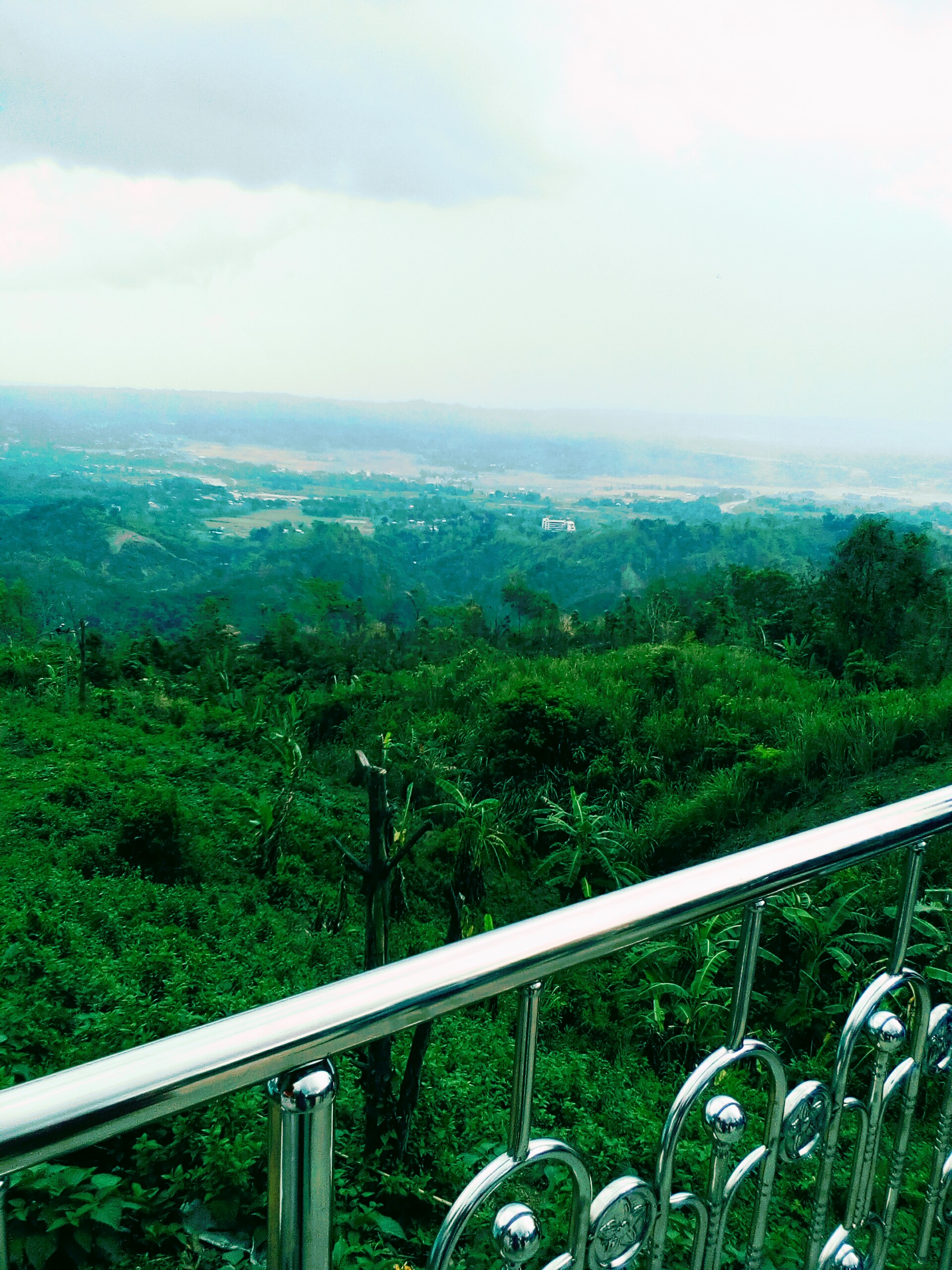
Agriculture took the heaviest blow when continuous rain and hill run-off flooded Khagrachhari district in July 2026. On 15 July the district administration said about 8,000 farmers had been affected. Crops on 313 hectares were destroyed, with a production loss of 273 tonnes, and the financial loss to agriculture was put at about Tk 12 crore 20 lakh 98 thousand.
Chengi and Maini rivers flood the lowlands
Khagrachhari is a district of the Chittagong Hill Tracts covering 2,749.16 square kilometres. It borders the Indian state of Tripura to the north and west, Rangamati district to the east and Chittagong district to the southwest, and has nine upazilas, among them Dighinala, Matiranga and Panchhari. Its main rivers are the Chengi, the Maini and the Feni. The 2022 census counted 714,119 people in the district, where jhum, or shifting cultivation, is the main form of farming among the hill communities.
The Daily Star Bangla reported on 9 July that heavy rain since Monday had swollen the Chengi, the Maini and local canals, flooding low-lying areas. The Dighinala-Longadu, Dighinala-Sajek and Khagrachhari-Rangamati roads went under water. When hill run-off submerged the Dighinala power substation, electricity to Dighinala and Sajek was cut off. The district administration opened 135 shelters, and about 800 people took refuge in Dighinala's 20 centres alone. By 14 July, Prothom Alo reported, the Maini and the Chengi had receded and the district was largely back to normal.
Damage to cropland
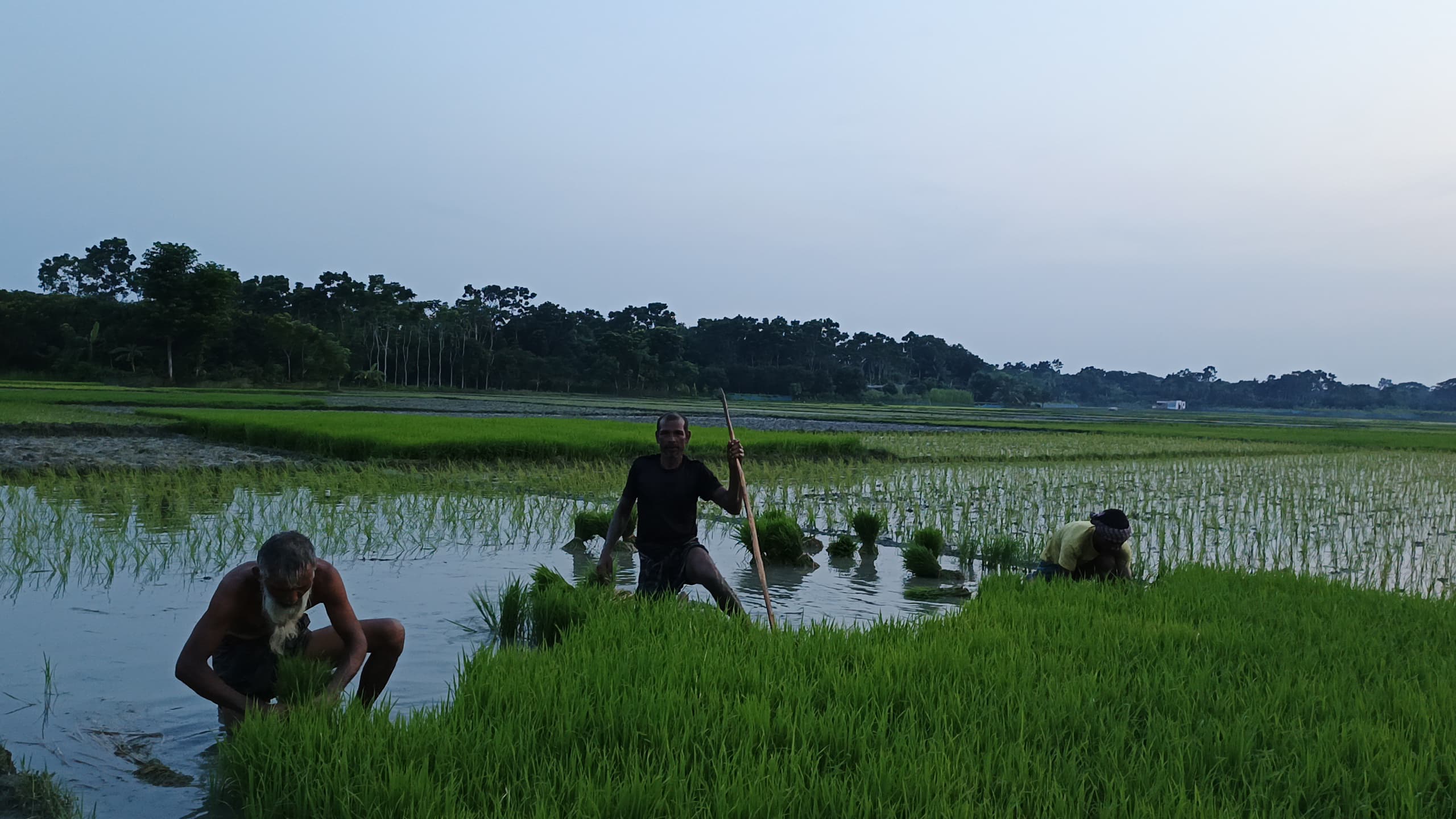
According to the district office of the Department of Agricultural Extension (DAE), Khagrachhari then had 8,130 hectares under cultivation and 8,355 hectares of cropland. Of this, 1,031 hectares of early-sown land were caught in the floods, a figure Prothom Alo also reported. Twenty-three hectares were completely damaged and 293 hectares partly damaged, and the agriculture department said about 41.45 per cent of the partly damaged land could be recovered.
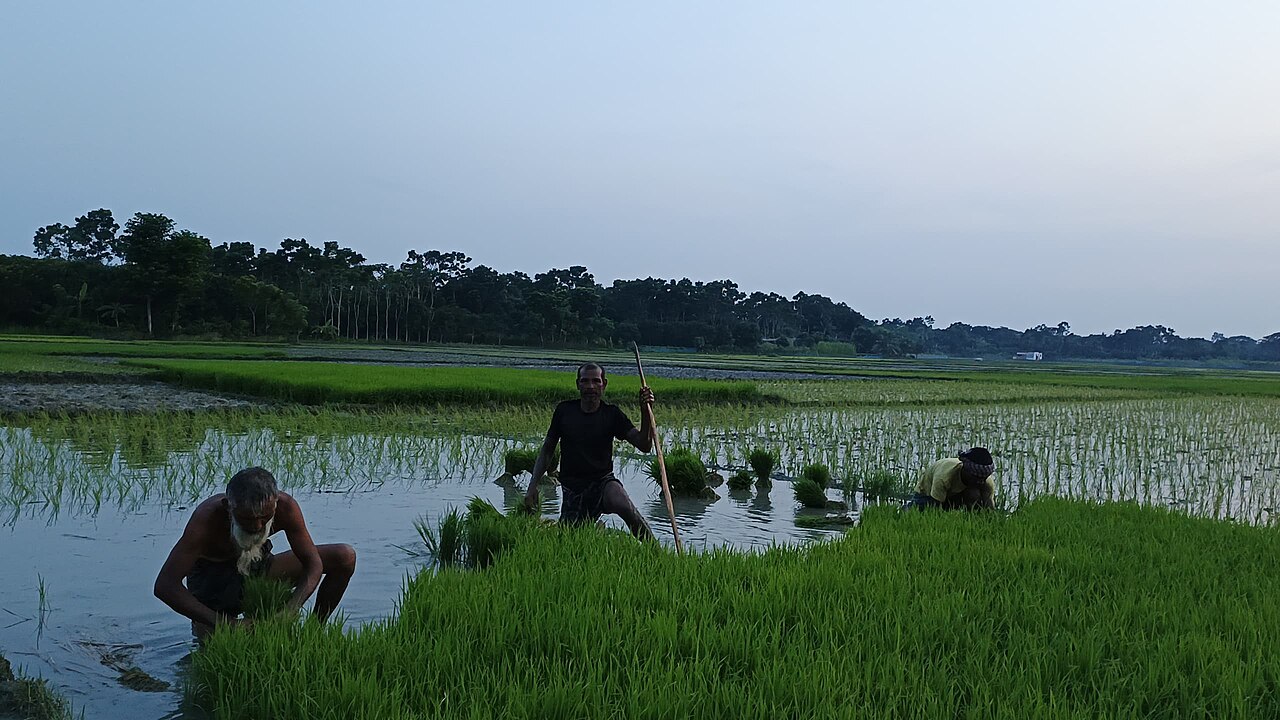
The timing made the losses harder to bear. In Bangladesh, Aus rice is usually sown in March or April and harvested in summer, while Aman rice is transplanted between July and August. A flood in July therefore struck both the Aus crop standing in the fields and the seedbeds farmers had prepared for Aman.
Farmers count their losses
Farmer Md Shahidul told Jagonews24 that he had struggled to plant Aus paddy on two kani (80 decimals) of land, and all of it had gone under the floodwater. He was now worried about how his family would eat.
A. Hakim, a farmer in Merung union of Dighinala, said he had raised seedlings to plant three kani of land, but they were submerged and had all rotted, and he had no money left to plant again. Kritti Chakma, a woman farmer in Tarabunia, said her home had been damaged and her bottle gourd and vegetable plots ruined.
Silt, sand and plans for recovery
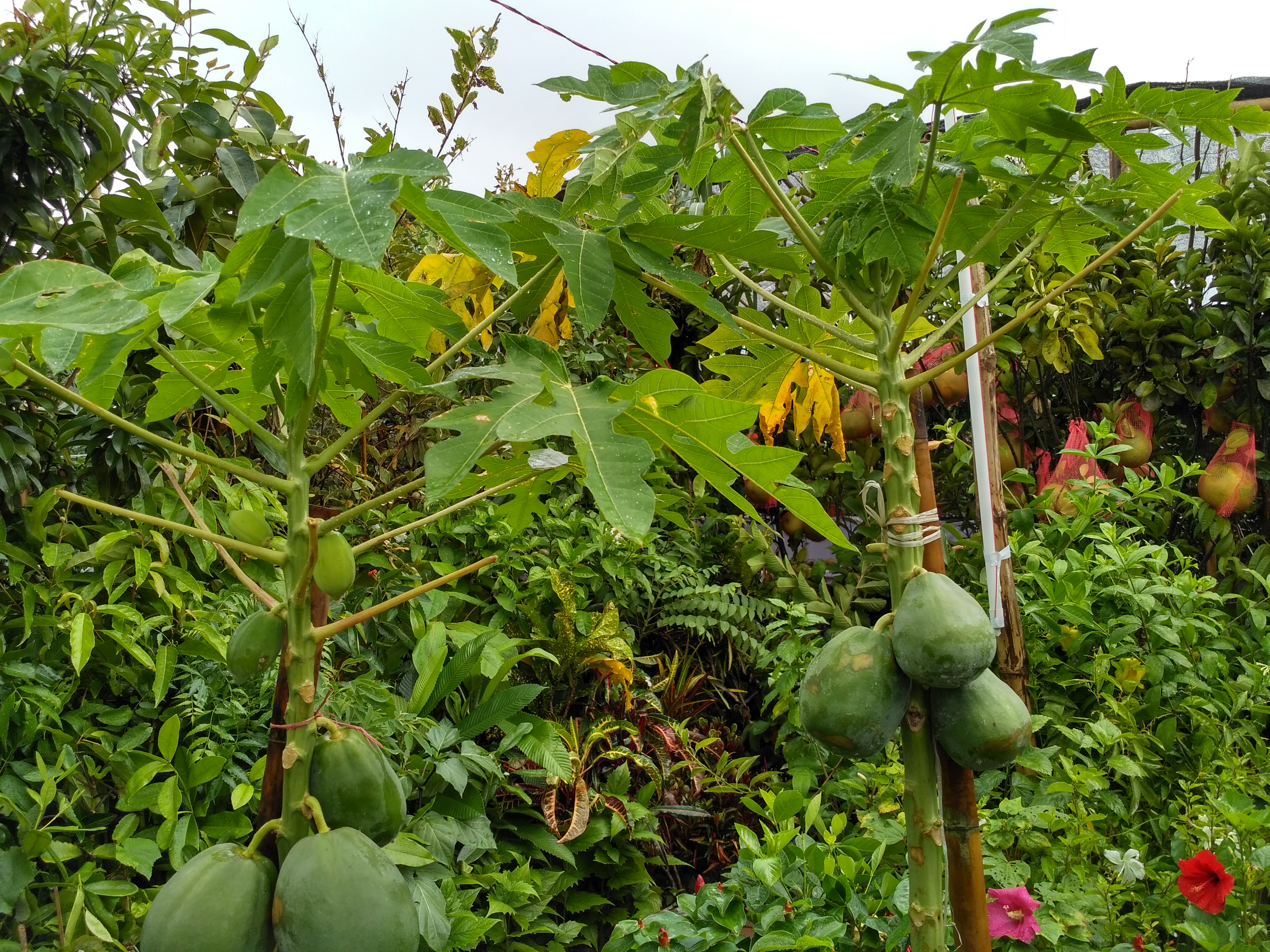
Omkar Biswas, additional deputy director of the DAE in Khagrachhari, said the floods had caused extensive damage to Aman seedbeds, various vegetables, papaya and other seasonal crops. Even after the water receded, silt, sand and mud were left on much of the land, so it would take time for farming to return to normal. Plans were being made to help affected farmers recover with seed, fertiliser and other farm inputs, he said.
The damage went beyond the fields. District fisheries officer Raju Ahmed told Prothom Alo that the flood had caused losses of about Tk 2.5 crore to fish and fisheries resources in the district.
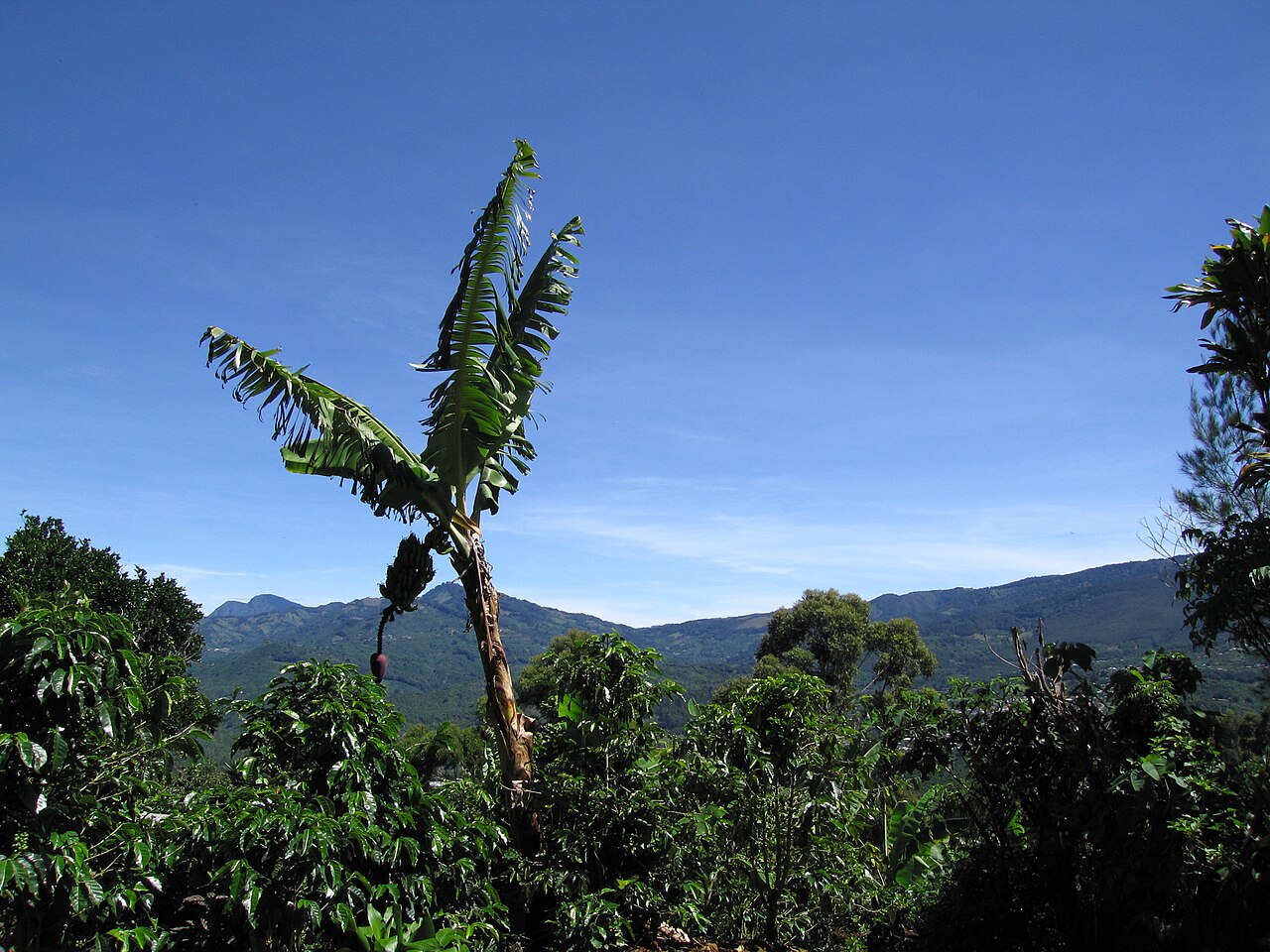
Photo: Humayra ferdousi / Wikimedia Commons (CC BY-SA 4.0)
Sources: Jagonews24, Prothom Alo, The Daily Star Bangla, Wikipedia
Comments
(0)