
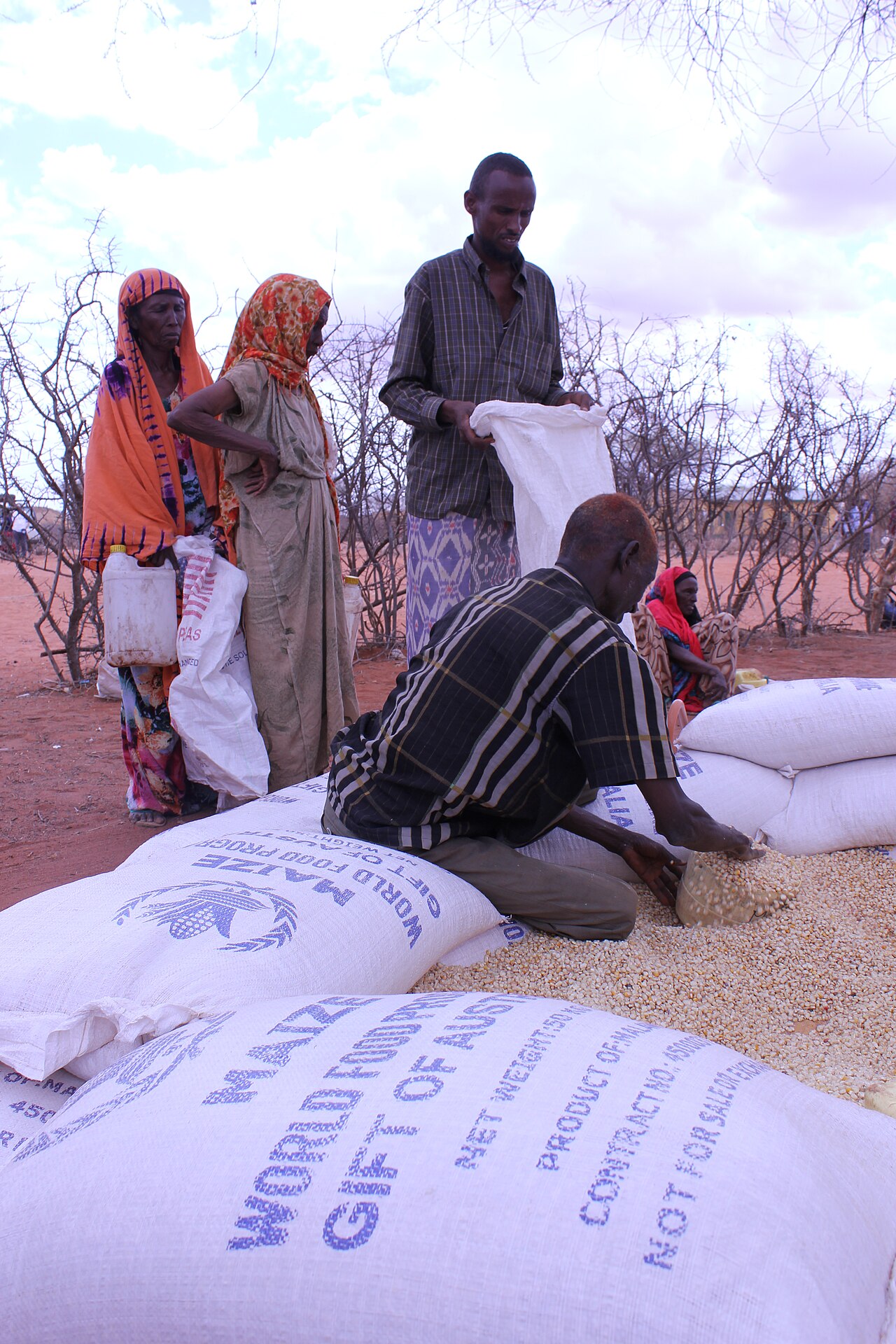
Kenya faces serious economic and food security risks as a strengthening El Niño overlaps with fuel and fertilizer price shocks tied to the war in Iran, according to modelling by researchers at the International Food Policy Research Institute (IFPRI), published by CGIAR.
Under one scenario the combined shocks could push nearly 756,000 additional people into poverty, while about 4.9 million more people could become undernourished. The model points to slower economic growth, particularly lower agricultural production, and higher food prices, although the authors say the size and spread of the effects remain uncertain.
El Niño, a long spell of warmer-than-usual sea surface temperatures in the eastern tropical Pacific, shifts seasonal rainfall in many parts of the world. NOAA's Climate Prediction Center forecasts a greater than 90% chance of a very strong El Niño in 2026-27, and a nearly 70% chance that its peak will exceed every El Niño since 1950.
At the same time, the war in Iran and the disruption of shipping through the Strait of Hormuz have driven up the prices of fuel and fertilizer, two of the main costs of growing food.
The Kenya analysis, by Emerta Aragie, Shadrack Mwatu, Adan Shibia and Chris Hillbruner, is the third in an IFPRI series on the impact of the two shocks in Ethiopia, Kenya, Malawi and India and on the global food system. The series combines economic modelling and policy research and informed a policy seminar on 8 October.
Photo: Department of Foreign Affairs and Trade / Wikimedia Commons (CC BY 2.0)
Source: CGIAR


Comments
(0)