
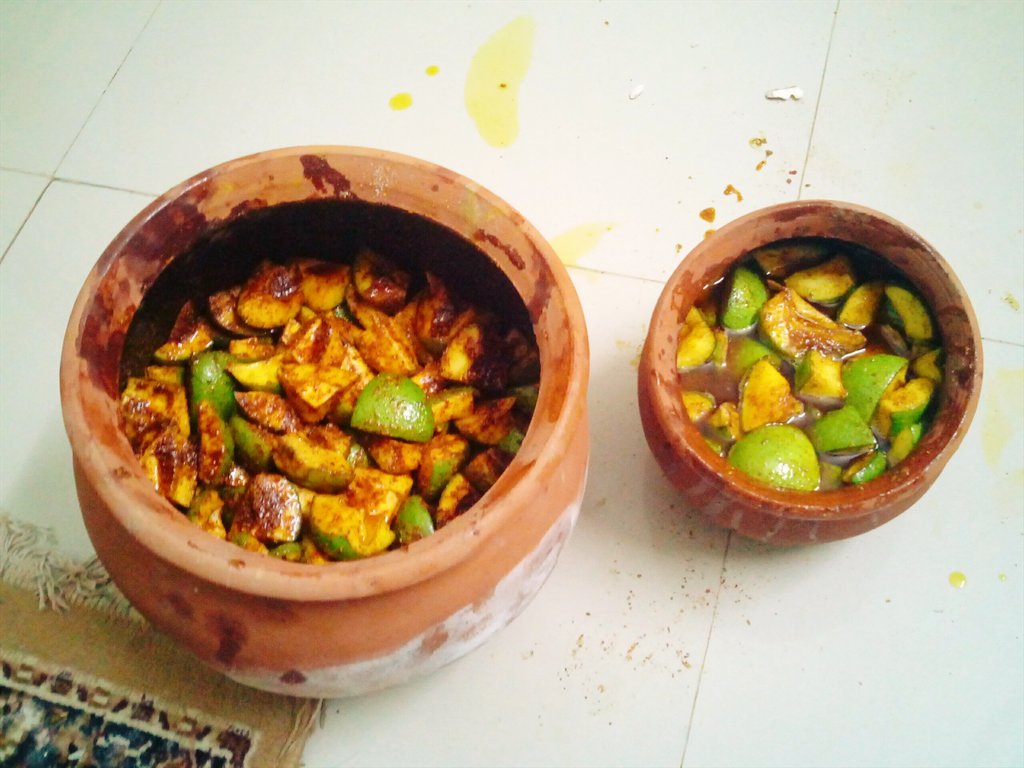
On 19 May 2026, in the middle of the mango season, the lifestyle desk of Jagonews24 published a short guide to keeping homemade mango pickle good for a whole year. Its point was that making the pickle is only half of the work: five common mistakes, made while preparing it or while storing it, decide whether a jar lasts the year or spoils within weeks. Those five points are set out below as the report gave them, together with what food-processing manuals from the Food and Agriculture Organization of the United Nations (FAO), the development charity Practical Action and the US National Center for Home Food Preservation say about why a pickle keeps and why it goes bad, and what the World Health Organization (WHO) says about salt, moulds and safe food at home.
As the report put it, few Bengalis can hear the words mango pickle without their mouth watering. A little pickle with hot paratha, khichuri or an afternoon bowl of muri makha changes the taste of a meal in an instant, and the many mango pickles once made by grandmothers are still remembered for their taste and aroma. For anyone making that familiar pickle at home, the report said, the aim should be a jar that stays fresh and tasty through the year.
Mango, Bangladesh's national tree
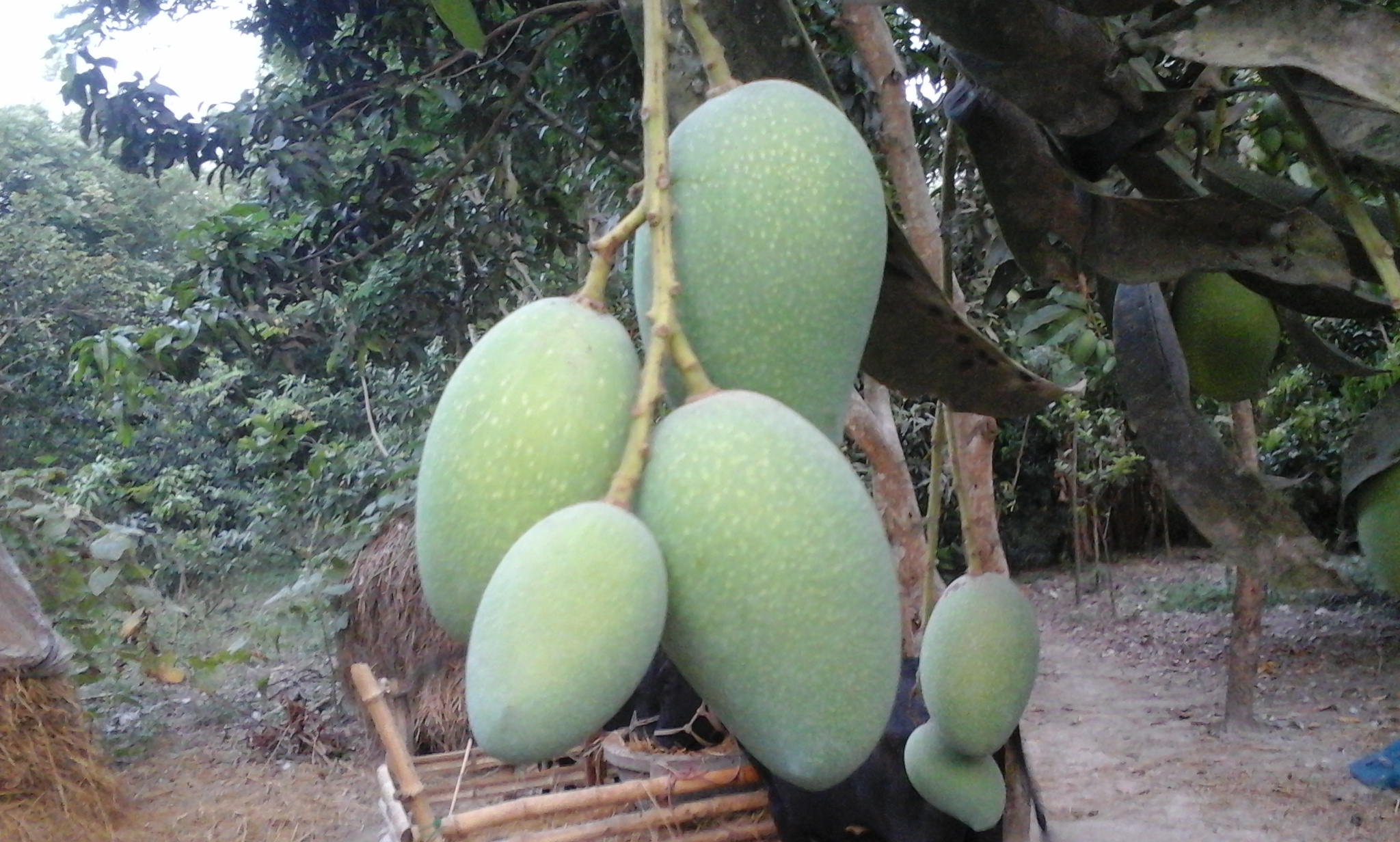
The mango tree is the national tree of Bangladesh. Banglapedia, the national encyclopaedia published by the Asiatic Society of Bangladesh, counts nearly 100 mango cultivars in the country. Among the elite varieties it names are Fazlee, Langda, Gopalbhog, Himsagar, Khirsapat, Ashhwina, Kohitoor, Laksmanbhog, Mohanbhog and Misribhog. Alongside them grow the local seedling mangoes known as deshi or guti, which have no recognised varietal names and whose taste cannot be assured. Rajshahi, Nawabganj and Dinajpur produce most of the superior, commercially important varieties, and some of the best orchards stand on the Gangetic floodplains, where the soil is a deep alluvial loam.
Chapainawabganj is called the capital of the mango in Bangladesh, with its production concentrated in Shibganj, Bholahat and Gomastapur upazilas, and the Bengali Wikipedia describes the Kansat mango market there as one of the largest in Asia. Rajshahi, Naogaon, Dinajpur, Natore, Satkhira and Jessore are among the other main mango districts. Banglapedia gives a figure of about 639,820 metric tons of mango from about 641,525 acres in 2005-06 and notes that output swings from year to year, for reasons that include old and unproductive trees, poor management, pests and diseases and the felling of trees for fuel and timber. The trees flower from January to March, and fog, rain or cloudy weather in that period harms the setting of fruit.
Worldwide, FAOSTAT figures for 2023 put the production of mangoes, together with mangosteens and guavas, at 61.1 million tonnes, of which India alone grew 26.2 million. The fruit's history in this region is old: horticultural mangoes are thought to derive from Mangifera indica, considered native to eastern India, Bangladesh, Assam and Myanmar, and Banglapedia records that the Mughal emperor Akbar planted about 100,000 trees in an orchard near Darbhanga, the Lakh Bagh, regarded as the subcontinent's first organised mango orchard.
The green fruit has long been part of the Bengali kitchen. Banglapedia notes that green mangoes go into curries and dal for their sour flavour, and that both green and ripe fruit are made into jam, jelly, squash, chutney and pickle, or achar. For comparison, 100 grams of raw mango flesh holds about 83.5 grams of water, 15 grams of carbohydrate and 36.4 milligrams of vitamin C, according to USDA nutrient data; that high water content is the reason every pickle method starts by drawing moisture out of the fruit.
Why a pickle keeps: salt, acid, oil and spice
FAO's book on fermented fruits and vegetables describes green mango pickle as a hot, spicy and sour condiment popular in many Asian, African and Latin American countries, with major production in India, Pakistan and Bangladesh. It explains that the pickle is preserved by a combination of salt, increased acidity and, to a small extent, the added spices. Salt draws water out of the fruit by osmosis and forms a brine, and the salt concentration holds back spoilage organisms. Lactic acid bacteria then sour the brine and lower its pH. Practical Action's technical brief on green mango pickle adds that, because of the high acid level of the finished product, the risk of food poisoning is low.
FAO's manual on fruit and vegetable processing divides mango pickles into two kinds, salt pickles and oil pickles. Both can be made from whole or sliced fruit, with or without the stone, salt is used in most of them, and the many types differ mainly in the kinds and proportions of spices. In the oil pickles that are common in Bangladesh, a layer of vegetable oil over the packed pickle limits its contact with air.
The US National Center for Home Food Preservation, hosted by the University of Georgia, makes the same point from the other side. Acidity, it says, is critical to the safety of pickled food because it prevents the growth of the bacteria that cause botulism, and the acid must be spread evenly through the whole product. Spoilage comes from yeasts, moulds and enzymes that change flavour, colour and texture. In fermented pickles salt is essential, and the centre warns against trying to make them with less salt than the recipe requires. Each of the five mistakes in the Jagonews24 guide weakens one of these defences.
Choosing and cutting the mango
The FAO processing manual asks for green fruit picked fresh from the tree at the right stage of maturity for its variety, and says bruised, damaged or prematurely fallen fruit should not be used. Practical Action describes the ideal fruit as fresh, firm, fully mature but unripe, adding that the best pickles come from fruit at early maturity, when it has almost reached its full size. Soft ripe mangoes are too sweet and have the wrong texture for a fermented pickle and are better kept for chutney, jam or fruit leather. FAO's fermentation book notes that riper fruit gives a fruity smell and loses the characteristic green mango flavour.
Cutting matters too. Both guides recommend sharp knives, preferably with stainless steel blades, and warn against iron or copper equipment, which stains the flesh. The fruit should be cut with a single stroke to keep damage to a minimum and avoid a mushy pickle. Practical Action suggests holding the cut pieces in a weak salt solution of 2 to 3 per cent so that they do not turn brown while the rest of the fruit is being cut.
Mistake one: letting water into the pickle
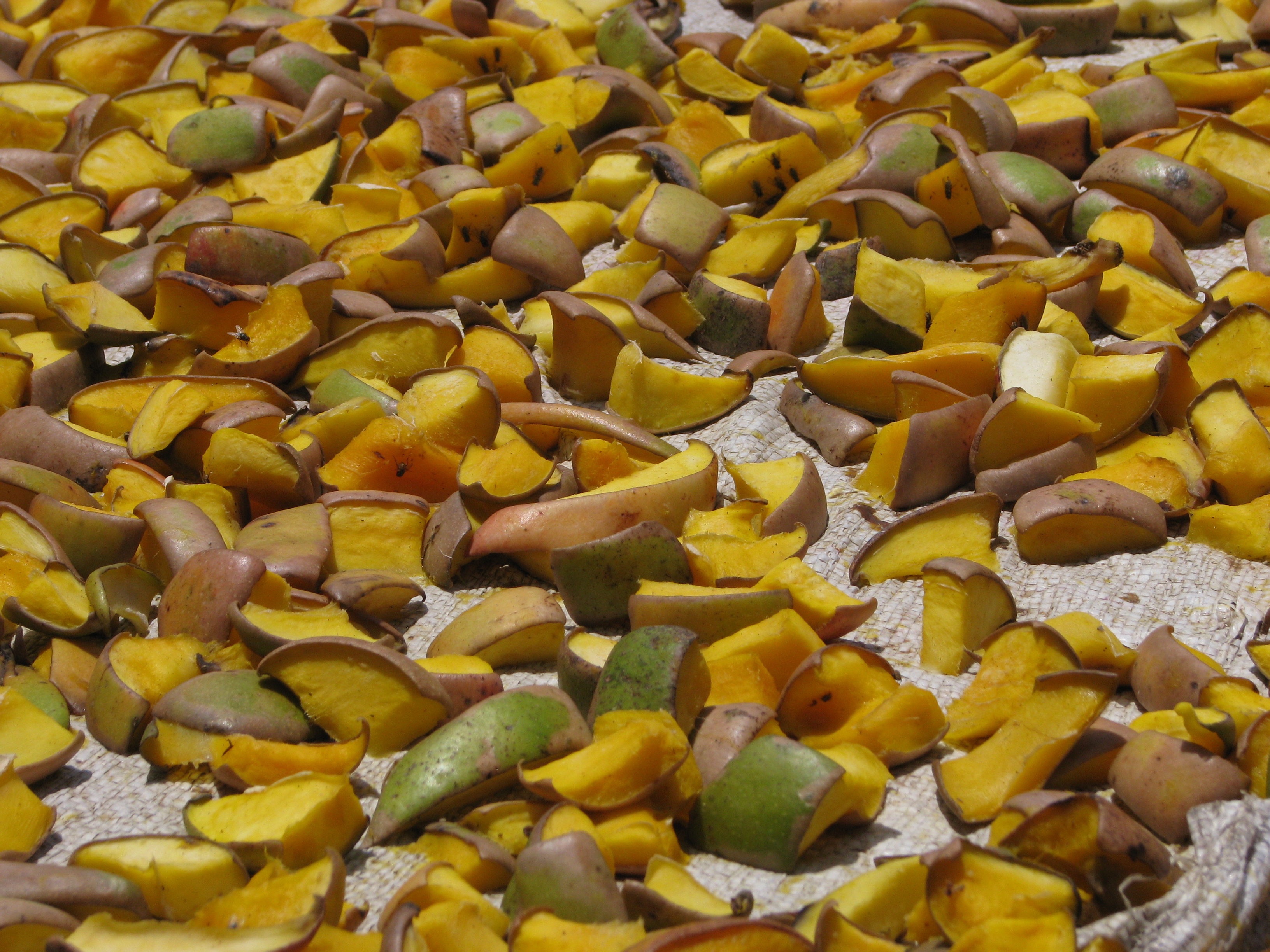
The Jagonews24 guide put water first. The mango must not hold even a drop of it, the report said: after cutting, the pieces should be washed well, wiped with a clean cloth or dried completely under a fan, and then dried well in the sun before the pickle is made. Even a little water, it warned, makes a pickle spoil quickly.
The same care appears in the established recipes. In the Andhra Pradesh mango pickle known as avakaya, the mango is cut into pieces of about 2 centimetres and dried with a clean cotton cloth before it is mixed with powdered mustard, chilli, salt and sesame oil. Practical Action insists that only clean, drinkable water is used at any stage, and boiled water if the local water is not safe to drink.
The liquid that a pickle does need comes from the fruit itself. In Practical Action's dry-salt method, the mango pieces are mixed with turmeric and packed in layers with salt in sterilised jars, with salt on top, and the jars are set in the sun for about four to five days. As the salt draws out the juice, it turns into a brine and the pieces turn pale yellow; they must stay under that brine throughout. The brief gives these quantities for a batch of 10 kilograms of green mango:
- Green mango: 10 kg
- Salt: 4 kg in the full recipe (the dry-salt method uses 1.5 to 2.0 kg per 10 kg of mango pieces)
- Turmeric: 100 g
- Mustard seed, roasted light brown: 0.2 to 0.4 kg
- Fenugreek, roasted light brown: 0.2 to 0.4 kg
- Chilli powder: 0.2 to 0.5 kg
- Edible oil: 1.0 to 1.25 kg
- Roasted asafoetida: to taste
After fermentation the ground, roasted spices are mixed in and a layer of oil is poured on top to seal the pickle. Practical Action also describes a second method in which the pieces ferment in a 20 per cent brine, about 200 grams of salt per litre and 2 litres of brine per kilogram of mango, weighed down with a clean plate and kept covered in a warm place until bubbles of carbon dioxide stop rising. It notes that chlorinated water should not be used for the brine because it prevents fermentation.
Mistake two: being sparing with oil
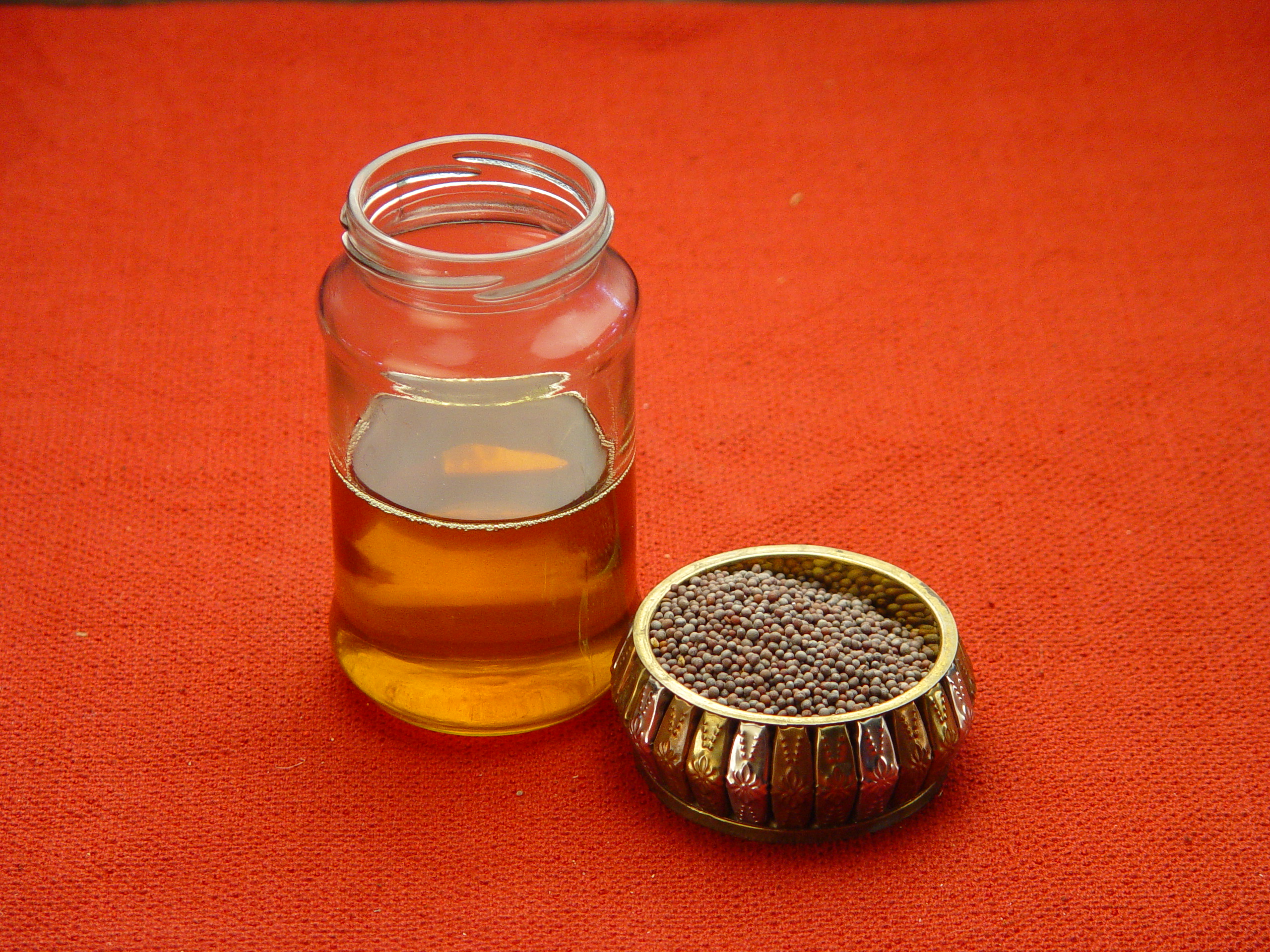
Oil, the report said, is the biggest key to keeping a pickle for a long time. There should be enough of it in the jar for every piece of mango to stay completely submerged. The layer of oil stops air from getting in, and without that supply of oxygen mould and fungus cannot grow, so the report advised against being stingy with oil.
FAO's basic oil-pickle recipe, given in its processing manual for studying how the pickle is prepared and how it keeps, shows how this works in practice. It mixes 250 grams of mango pieces with 60 grams of salt, 30 grams of mustard powder, 20 grams of chilli powder, 2 to 4 grams each of turmeric, fenugreek seed and Bengal gram, and 20 to 30 grams of gingelly (sesame) oil, and fills the mixture into wide-mouthed bottles of half a kilogram. Three days later the contents are mixed thoroughly and the bottles refilled, and extra oil is added to form a layer of 1 to 2 centimetres over the pickle. Practical Action likewise says the mango should be pressed firmly down in the container before good-quality vegetable oil is poured over the surface, and that finely ground chilli can be stirred into the oil for flavour and colour.
In Bangladesh the oil of choice is usually mustard oil, whose pungent taste is central to Bengali and Bangladeshi cooking. Its sharpness comes from allyl isothiocyanate, a compound that forms when ground mustard seed meets liquid and an enzyme in the seed, myrosinase, acts on a stored glucosinolate. The same compound gives horseradish and wasabi their bite.
Mistakes three and four: the wrong place and the wrong jar
Where the jar is kept, the report said, matters a great deal. It should never stand beside the kitchen sink or in a damp corner, but always in a dry, cool and clean place with light and air. The container matters as much. Many households use plastic, which the report said shortens a pickle's life, with pickle in plastic spoiling especially quickly in the rainy season. It recommended an airtight glass jar, washed well with hot water and dried completely in strong sun before it is filled.
The manuals agree on a cool store. Practical Action says the jar should be covered with a lid, labelled and kept in a cool place away from direct sunlight, and that a well-processed mango pickle keeps for several months; FAO likewise advises a cool place. For sterilising empty jars, the National Center for Home Food Preservation describes standing them upright in a pot, filling the pot and the jars with hot water to an inch above the tops and boiling them for 10 minutes at elevations below 1,000 feet, adding a minute for every further 1,000 feet. The centre gives this step for jams, jellies and pickles that are processed for less than 10 minutes in a boiling-water canner after filling.
The damp corner the report warned against is the condition moulds like best. WHO notes that moulds grow on foods such as cereals, nuts, spices and dried fruit especially in warm and humid conditions, and advises storing food dry, free of insects and not too warm. The salt itself is worth checking as well. FAO lists the faults that impurities in salt cause in pickles: lime reduces acidity and shelf life, iron turns the pickle black, magnesium makes it bitter and carbonates soften it. The US centre recommends plain canning or pickling salt, since the anti-caking material added to other salts can cloud a brine.
Mistake five: a wet spoon, and the fridge
The report allowed for keeping pickle in the fridge, but warned against leaving it out for long once it has been taken out: it should go back soon after serving. Most important of all, it said, a wet hand or a wet spoon should never go into the jar, because the slightest touch of water can spoil the whole batch. Only a clean, dry spoon should be used.
This is the household form of a rule found throughout the food-safety guides. FAO's fermentation book notes that brine left uncovered can grow a film of yeast on its surface, and among its hygiene points it lists clean containers and jars and good-quality spices free of mould. WHO's Five Keys to Safer Food, a manual first published in 2006 and translated into many languages, reduces home food safety to five habits: keep clean; keep raw and cooked food separate; cook thoroughly; keep food at safe temperatures; and use safe water and raw materials. A dry, clean spoon, a covered jar and a cool shelf serve the first, fourth and fifth of them.
Spices deserve attention because they are among the foods in which WHO says mycotoxins are found. Its fact sheet on mycotoxins, issued in October 2023, explains that these toxins are produced naturally by certain moulds and are chemically stable, so they often survive food processing. Aflatoxins, from Aspergillus moulds, occur in cereals, oilseeds, spices and tree nuts and can damage the liver, and ochratoxin A, found in cereals, coffee, dried vine fruit, wine and spices, mainly harms the kidneys. For grains, dried figs and nuts, WHO advises inspecting them for mould, discoloration or shrivelling and throwing away anything that looks suspect, and not keeping food for long periods before use.
Salt, health and food safety at home
A pickle that keeps for a year is a salty food, as the FAO recipe above, with 60 grams of salt to 250 grams of mango, shows. WHO recommends that adults eat less than 5 grams of salt a day, a little under a teaspoon, with lower amounts for children aged 2 to 15. Its fact sheet on sodium reduction, dated 11 May 2026, says adults around the world ate an average of about 11 grams of salt a day in 2021, more than double the recommendation, and that high sodium intake raises blood pressure, which increases the risk of cardiovascular disease. WHO estimates that about 1.7 million deaths in 2023 were associated with eating too much sodium. People with high blood pressure, kidney disease or another condition that limits salt should ask a doctor how much pickle suits them.
Unsafe food is a large problem in the region. WHO's first global estimates of foodborne disease, released on 3 December 2015, found that about 600 million people, almost one in ten, fall ill each year after eating contaminated food and 420,000 die, 125,000 of them children under five. The South-East Asia Region, which includes Bangladesh, had the most cases and deaths in absolute terms, more than 150 million cases and 175,000 deaths a year.
In Bangladesh, food safety is overseen by the Bangladesh Food Safety Authority, an autonomous statutory body formed in February 2015 under the Food Safety Act 2013 and working under the Ministry of Food, with its own mobile court that can fine and sentence people for food adulteration. Commercial pickle makers sometimes use additives that a home kitchen does not need. Practical Action notes that sodium metabisulphite at 1,000 parts per million and 1 per cent calcium chloride can be added to a pickling brine if desired, the first as a preservative and the second to keep the mango firm, and cautions that high levels of metabisulphite taint the pickle. The home method in the Jagonews24 guide relies on none of them: dry fruit, enough salt, a seal of oil, a clean jar and a dry spoon.
Photo: Saileshpat / Wikimedia Commons (CC BY-SA 4.0)
Sources: Jagonews24, Food and Agriculture Organization of the United Nations (FAO), Practical Action, National Center for Home Food Preservation (University of Georgia), World Health Organization (WHO), Banglapedia, Wikipedia


Comments
(0)