
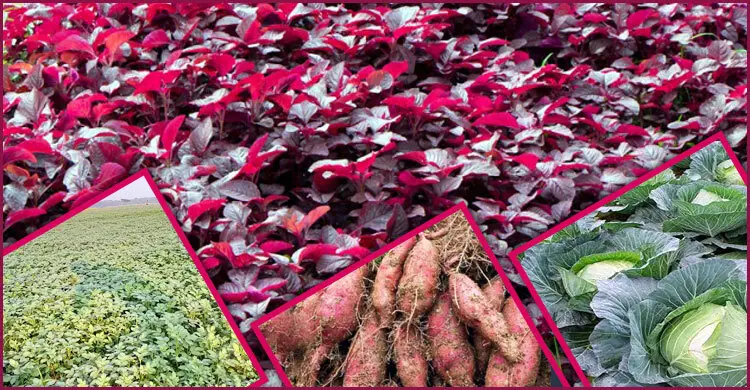
Kartik is the month where the monsoon meets winter, and the most beautiful time to see Bangladesh's farming and nature. Winter is only just arriving, but now is the time to grow winter vegetables. Here is what to sow and plant in Kartik.
Winter vegetables
Seed of improved local and foreign varieties of cauliflower, cabbage, kohlrabi, turnip, bok choy (bati shak), tomato and brinjal should be sown in seedbeds as early as possible to raise seedlings. If you raised seedlings last month, you can transplant them to the main field.
Winter vegetables should be planted as soon as the soil reaches the right moisture (jo). Sudden rain this month can damage newly planted seedlings, so keep drainage in place. After planting, weeding, fertiliser, irrigation and drainage and other necessary care must follow. Red amaranth, radish greens, carrot and pea can also be sown at this time.
Potato
Now is the right time to prepare land and plant potatoes. Light, sandy loam soil suits potatoes. Choose early and high-yielding varieties developed by BARI, and it is also important to pick varieties suited to processing, export and eating.
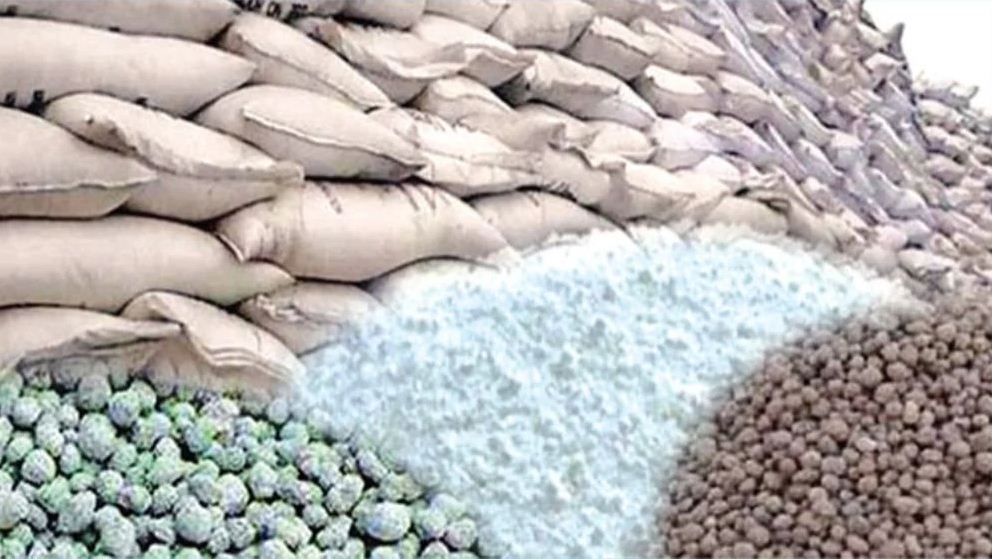
One acre needs 600 kg of seed potato. Growing potatoes on one acre needs 130 kg of urea, 90 kg of TSP, 100 kg of MoP, 60 kg of gypsum and 6 kg of zinc fertiliser, though the amounts may vary with the condition of the land. Using 4-5 tonnes of organic fertiliser per acre gives a much higher yield.
Weeding, irrigation, top-dressing, loosening the soil or earthing up the rows, pest control and mulching are essential tasks in potato production. As soon as floodwater recedes, potatoes can be grown without tillage using mulch.
Sweet potato
Sweet potato yields well on silty riverside land and sandy loam. Kamalasundari, BARI Mishti Alu-12, BARI Mishti Alu-14, BARI Mishti Alu-15, BARI Mishti Alu-16 and BARI Mishti Alu-17 are modern sweet potato varieties. For each bigha, 2,250-2,500 vine cuttings with three nodes are enough. Apply 4-5 tonnes of cow dung or organic fertiliser, 16 kg of urea, 40 kg of TSP and 60 kg of MoP per bigha.
Information: Agriculture Information Service
Source: Jagonews24. First published in Bengali on The Agro News.
Comments
(0)