
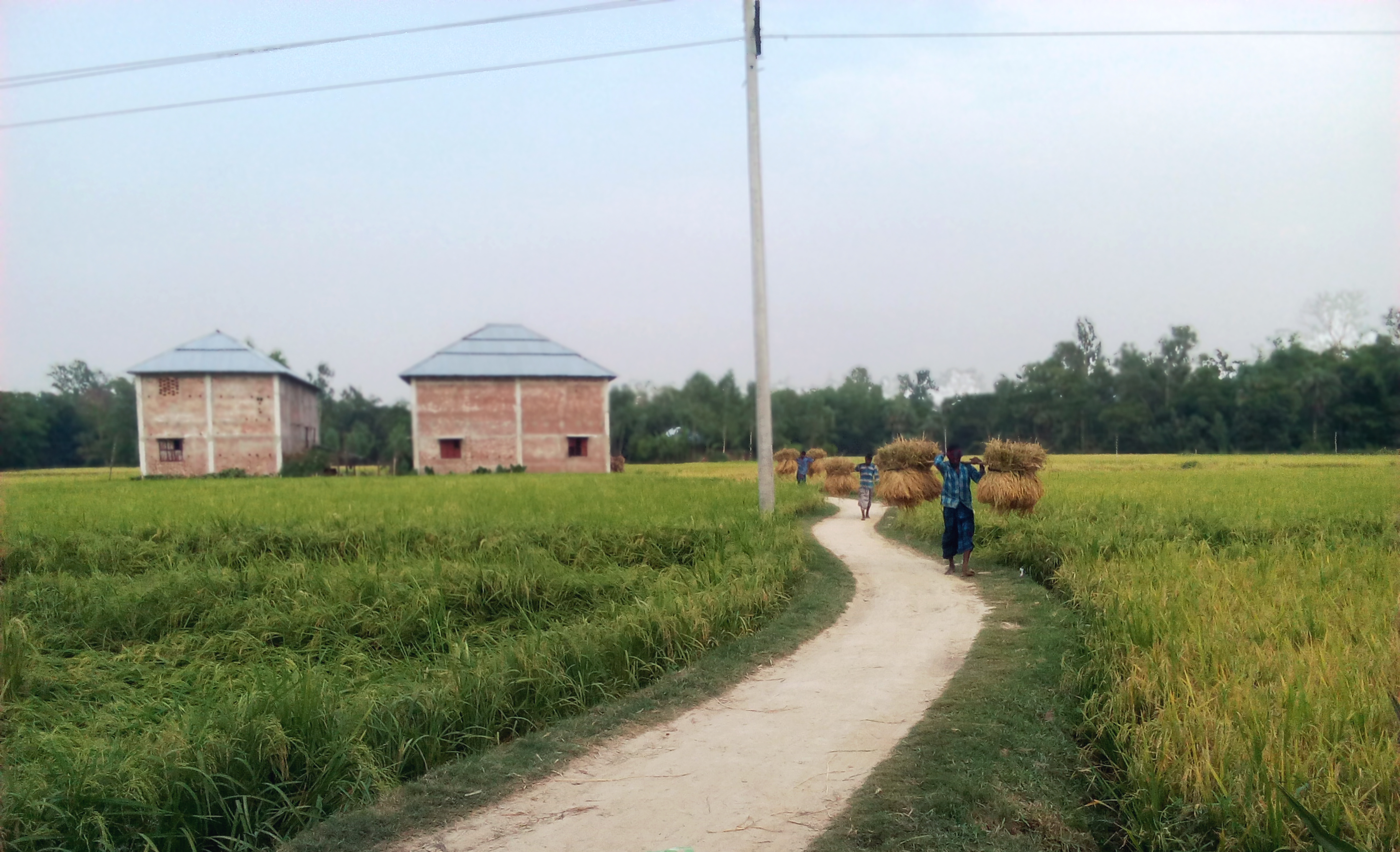
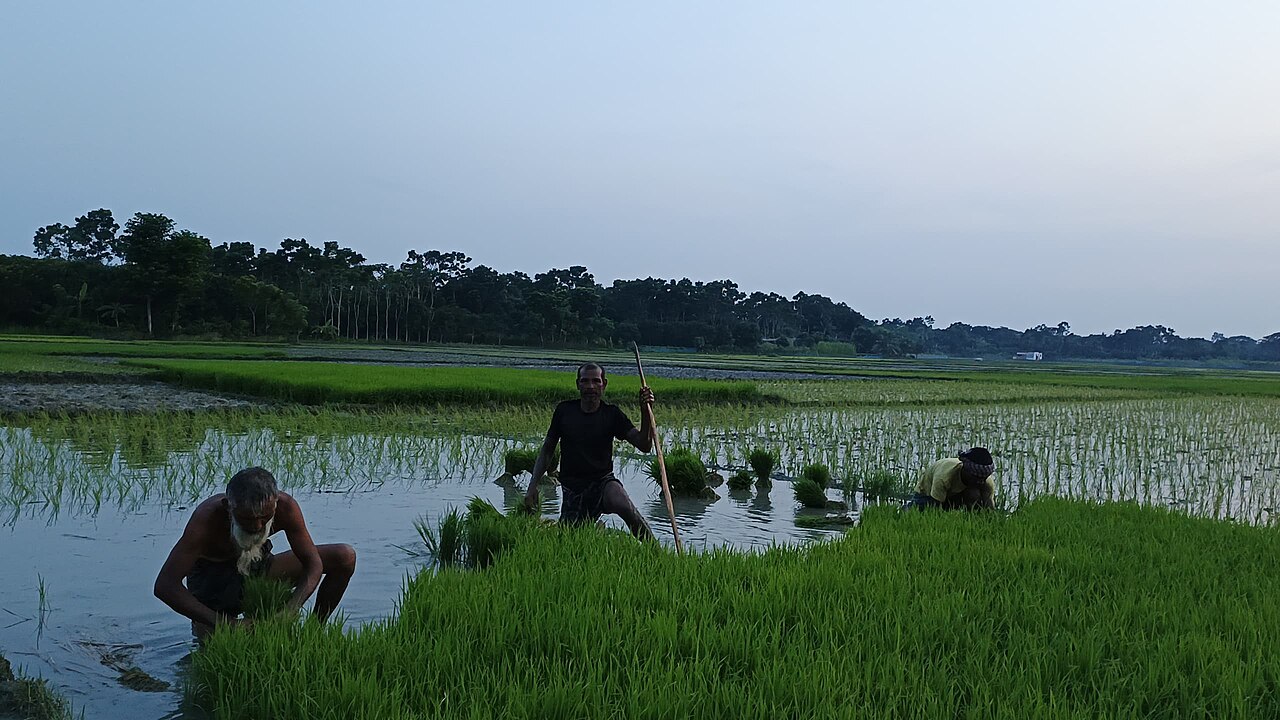
In the month of Kartik the fields of Bangladesh change hands between two seasons. Aman paddy is turning gold and is ready for the sickle, while the land beside it has to be ploughed for wheat, mustard and potatoes before the soil dries out. A farmer who loses a week now can lose part of the winter harvest later.
Kartik runs from 17 October to 15 November in the Bangladesh calendar, and its first day also marks the start of Hemanta, the late-autumn season. In September 2025 the government's Agricultural Information Service (AIS) published its Kartik checklist in its monthly magazine Krishi Kotha, written by its editor, agriculturist Ferdousi Begum. Its message was simple: harvest the aman on sunny days, keep good seed, and start the rabi (winter) crops on time.
This guide sets out that checklist crop by crop: aman harvest and seed storage, wheat, sugarcane, maize, mustard and other oilseeds, potato and sweet potato, pulses, winter vegetables, cotton, banana and fruit trees. Seed and fertiliser rates are given exactly as AIS printed them, with figures from the Bangladesh Bureau of Statistics (BBS), the Department of Agricultural Extension (DAE) and research institutes that show why each crop matters.
Kartik: the bridge between the aman harvest and the rabi season
Kartik and Agrahayan together make up Hemanta. The Daily Star's Bangla edition, writing on the first day of Kartik in October 2024, described the month as the time when warmth starts to fade and the new paddy fills farmers' granaries in the weeks that follow, leading to the Nabanna harvest festival.
The same report recalled a harder history. In the north of the country the month was once called "Mora Kartik", the dead Kartik, because the seasonal hunger known as monga used to begin in Kartik, when the household rice had run out and the aman was not yet cut.
Much of the winter crop calendar depends on what happens in these weeks. Wheat, Banglapedia notes, is a rabi crop that needs dry weather and bright sunlight and takes 100 to 120 days from sowing to harvest, depending on the variety and the weather. Mustard, potato, pulses and winter vegetables also need to be sown or planted while the soil still holds the right moisture after the rains.
AIS opened its 2025 column by saying that in Kartik farmers stay busy in the field to secure the country's food supply, and asked them to plan the month's work across the whole farm, from rice to fruit trees.
Aman harvest and keeping seed for next season
Many farmers' aman paddy ripens during Kartik, AIS said, so it should be cut on sunny days. For anyone who wants to keep seed for the next season, the first step is to choose a healthy, strong, high-yielding part of the crop before harvest.
After cutting, threshing and winnowing, the paddy should be dried well in the sun. AIS noted that combine harvesters can be used for this work. Its steps for storing seed were:
- Clean the hot, sun-dried paddy and let it cool in the shade before storing.
- Store it in an airtight container.
- Do not place the container directly on the soil or the floor; keep it on a raised wooden platform.
- To keep insects away, mix the paddy with dried and powdered leaves of neem, nishinda or lantana.
These steps were the same in the AIS Kartik columns of 2023, 2024 and 2025, which shows how settled the advice is.
Wheat: varieties, seed rate, fertiliser and irrigation
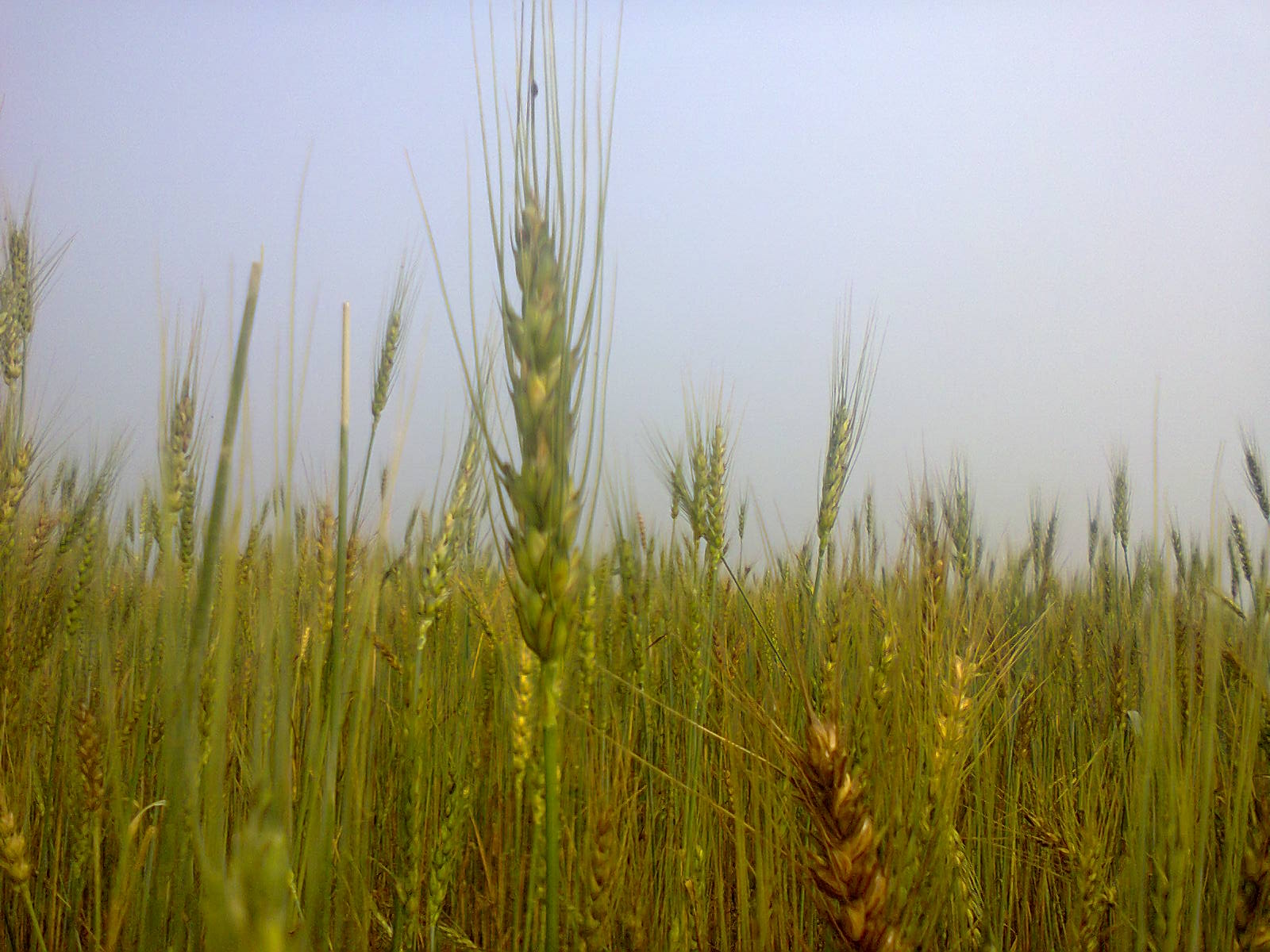
Preparations for sowing wheat start in the second half of Kartik, AIS said, and wheat does well in loam soil. Banglapedia adds that wheat was introduced in Bengal in 1930-31 and that the crop grows well in clay loam.
Modern wheat research in the country began in 1965, Banglapedia records, when seed of two Mexican varieties, Penjamo 62 and Sonora 64, arrived from West Pakistan; Norman E. Borlaug, then director of the wheat programme of the International Maize and Wheat Improvement Center, visited Dhaka in 1965 and 1968. After independence wheat was chosen as an alternative winter food crop, and in 1975 the government imported 4,000 tonnes of seed.
The varieties have changed over the years. The older AIS list repeated in the original version of this story named Ananda, Barkat, Kanchan, Sourav, Gourab, Shatabdi, Sufi, Bijoy, BARI Gom-27 and BARI Gom-28. For Kartik 2025 AIS recommended newer varieties by situation:
- Heat-tolerant: BARI Gom-30, BARI Gom-32 and BWMRI Gom-4.
- Areas where winter ends early: BARI Gom-32, BWMRI Gom-1 and BWMRI Gom-4.
- Areas where winter lasts longer: BARI Gom-30, BARI Gom-32 and BWMRI Gom-1 to BWMRI Gom-5.
- Saline land: the salt-tolerant BINA Gom-1.
BWMRI is the Bangladesh Wheat and Maize Research Institute and BINA the Bangladesh Institute of Nuclear Agriculture; BARI is the Bangladesh Agricultural Research Institute.
AIS's rates, unchanged in its 2023 and 2024 columns and in the original story, were these:
- Treat the seed with an approved fungicide before sowing.
- Seed rate: 16 kg per bigha for irrigated wheat and 13 kg per bigha for rain-fed wheat.
- Apply all fertilisers except urea at the final ploughing; top-dress urea in three instalments.
- Give the first irrigation 13-21 days after sowing, then two more at intervals of 30-35 days for a very good yield.
- A bed planter can be used; AIS said it cuts irrigation cost and time by 25 per cent.
The crop needed the help. The Daily Star reported on 20 August 2025 that farmers harvested 10.41 lakh tonnes of wheat on 2.8 lakh hectares in the winter of 2024-25, according to BBS, a five-year low in output and the lowest acreage on record. Wheat had covered 8.8 lakh hectares in 1998-99, its highest ever. The country needs roughly 75 lakh tonnes of wheat a year, most of it imported.
Agriculturists quoted in the report blamed lower profits than maize, potato and high-value vegetables, a lack of improved varieties, the wheat blast outbreak of 2016 and shorter winters. BARI Gom-33, a blast-resistant variety, was grown on more than a third of the wheat area, according to BWMRI senior scientific officer Muhammad Rezaul Kabir, who said yields had risen to 3.8 tonnes per hectare from 2.16 tonnes at the end of the 1990s. A former BWMRI principal scientific officer pointed to BWMRI Gom-4, which he described as saline-tolerant with a yield potential of 5.5 tonnes per hectare, and to land left fallow after aman in the south.
Sugarcane and maize
Kartik is the right time to plant sugarcane seedlings in well-prepared land, AIS said. Its spacing and count were the same in every recent column and in the original:
- Row to row: 90 cm to 120 cm.
- Seedling to seedling: 60 cm.
- Planted this way, a bigha needs 2,200-2,500 seedlings.
Banglapedia describes sugarcane as one of the country's most important cash crops. It grows best in clay loam with some sand and silt and plenty of humus, at a soil pH between 6 and 7.5, and the Bangladesh harvesting season runs from October to March. Cane is planted from "setts", the top part of the plant, and the stubble left after harvest can be grown again as a ratoon crop. The Ishurdi research institute had released nearly 30 varieties, the encyclopedia says, and the main growing areas include Chattogram, Cumilla, Dhaka, Jashore, Kushtia, Pabna, Rajshahi, Dinajpur and Rangpur.
For maize, AIS advised getting the land ready now and sowing seed of improved varieties. Its 2024 column listed khoi (popcorn) maize, BARI Hybrid Bhutta-9, 14, 15, 16 and 17, BARI Mishti Bhutta-1 (sweet corn), BARI Baby Corn-1 and BWMRI Hybrid Bhutta-1 and 2. For drought-prone areas and white grain it named BARI Hybrid Bhutta-12 and 13, and as varieties resistant to lodging and breaking in storms, BWMRI Hybrid Bhutta-1 and BWMRI Baby Corn-1. The original story's list (BARI Bhutta-6 and 7 and BARI Hybrid Bhutta-7 to 11) was an older one.
Maize has become a strong competitor for winter land. Agricultural scientists told The Daily Star in August 2025 that farmers get 11-12 tonnes of maize per hectare, almost three times the wheat yield, and that demand from the poultry, fish and livestock feed industries keeps prices firm.
Mustard and other oilseeds
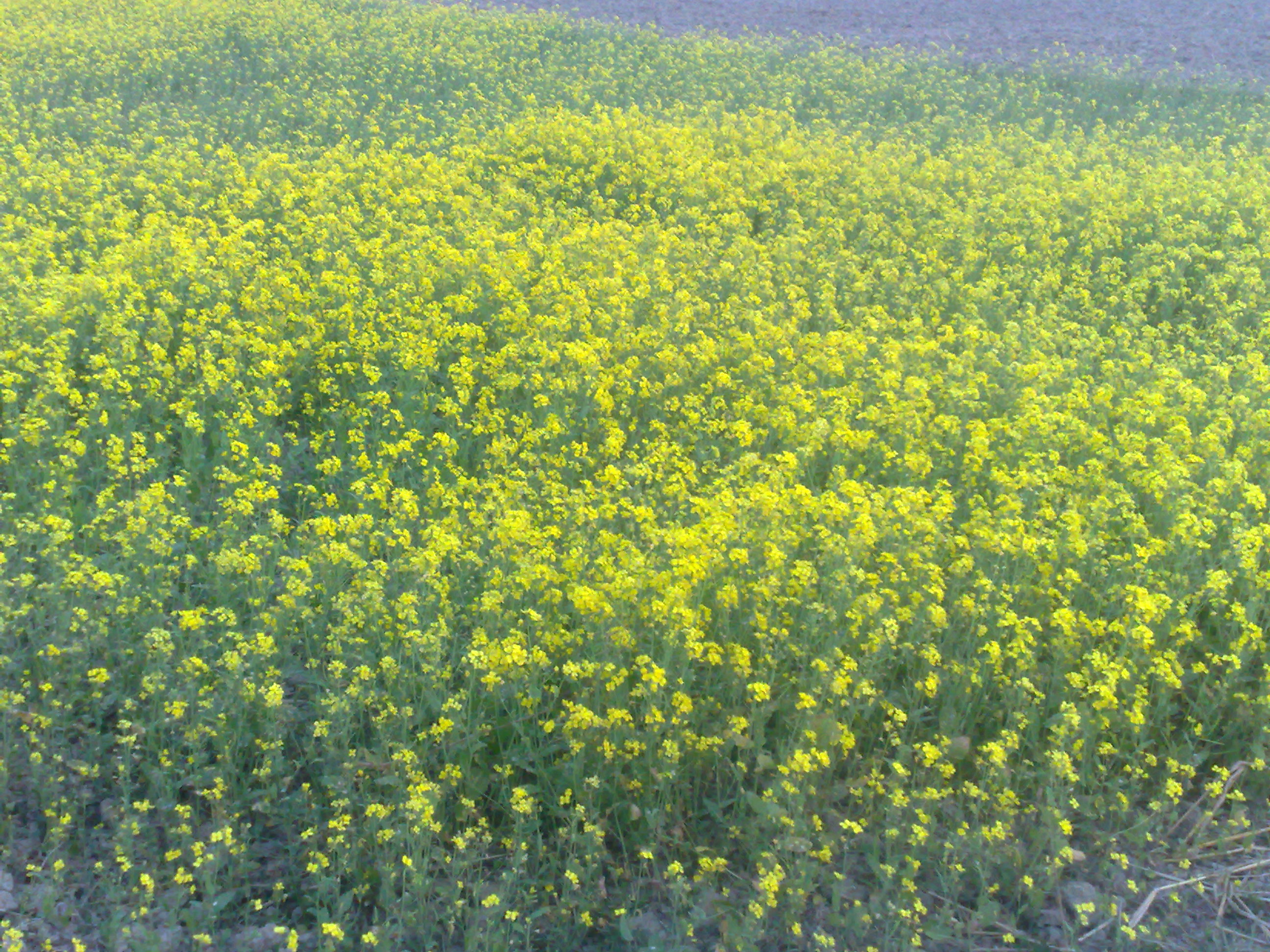
Kartik is also the right time to sow mustard. For 2025 AIS recommended the short-duration BARI Sarisha-14, BARI Sarisha-15, BARI Sarisha-17 and BARI Sarisha-20, along with long-duration varieties. Its 2024 column named BINA Sarisha-4, 9, 10, 11 and 12 among the short-duration varieties, and BARI Sarisha-11, 16, 18 and 19 among the long-duration ones. The original story's list (Tori-7, Rai-5, Kalyania, Sonali, Sampad, BARI Sarisha-6, 7 and 8) dated from an earlier column.
AIS's 2025 seed and fertiliser rates per bigha were:
- Seed: 1 to 1.5 kg on average, varying slightly by variety.
- Urea: 33-37 kg.
- TSP: 22-24 kg.
- MoP: 11-13 kg.
- Gypsum: 20-24 kg.
- Boron: 400 g.
- Zinc fertiliser: 1 kg.
Besides mustard, sesame, linseed, groundnut and sunflower can be grown at this time, AIS said.
Mustard has been at the centre of a government push to grow more cooking oil at home. The Financial Express reported in May 2022 that the country needed 2.4-2.5 million tonnes of edible oil a year but produced only 0.3 million tonnes locally, and that the Ministry of Agriculture's three-year plan aimed to meet 40 per cent of demand from local oilseeds by 2024-25, largely by sowing short-duration varieties on the 2.0 million hectares that lie fallow between the aman and boro rice crops. In May 2023 UNB reported a ministry statement that mustard had been grown on 812,000 hectares that season, up from 610,000 hectares, and that production had risen from 824,000 tonnes to 1,152,000 tonnes, a 40 per cent increase in one year.
Banglapedia records that mustard oil was once the country's only cooking oil, pressed in bullock-driven mills called ghani, and that districts such as Tangail, Jashore, Bogura, Sirajganj and Pabna have relatively large mustard areas.
Potato and sweet potato
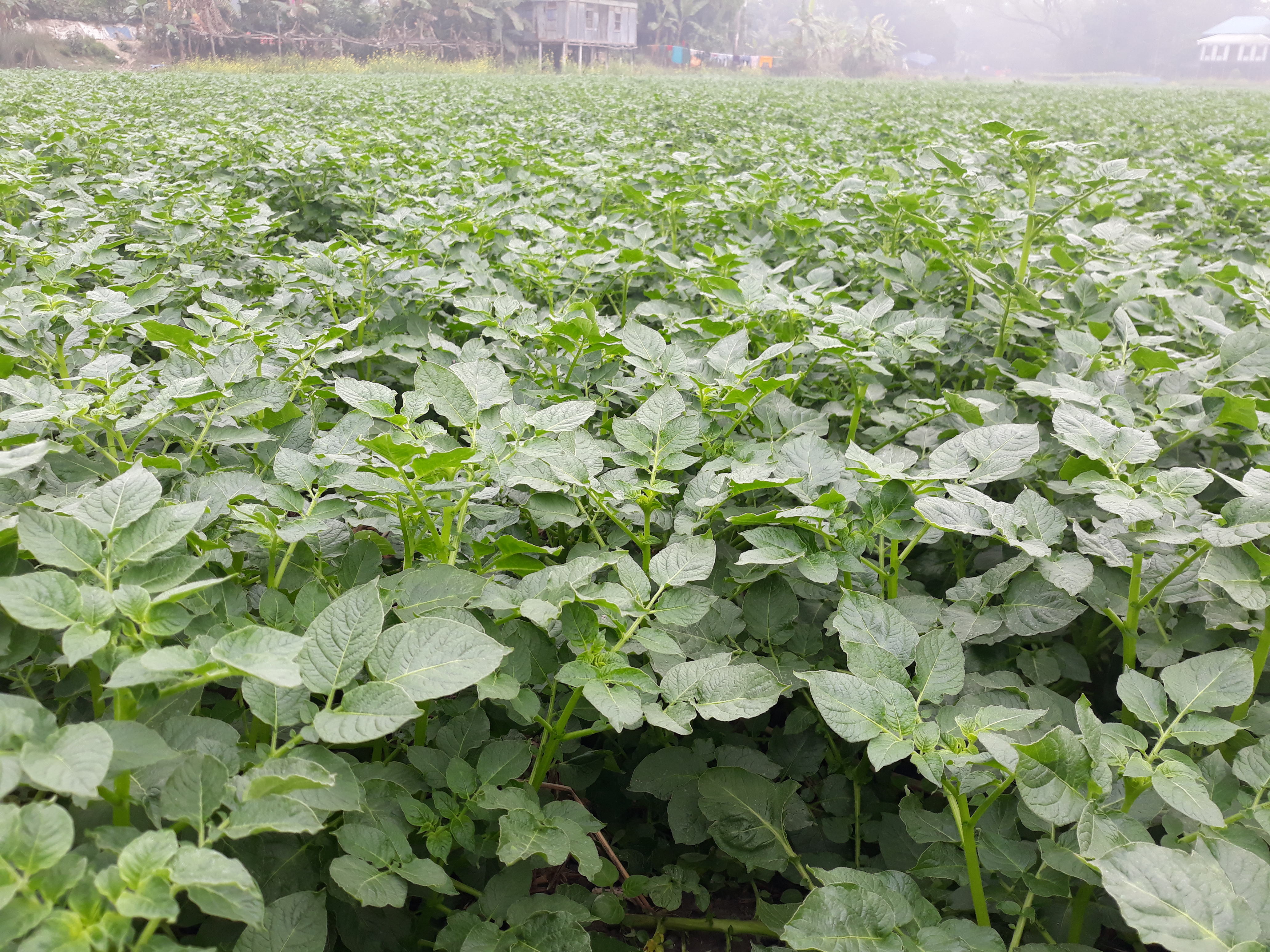
Kartik is the time to prepare land and plant potatoes, AIS said. Light soil, that is sandy loam, suits the crop well. The 2025 column asked farmers to choose early and high-yielding varieties developed by BARI, and varieties suited to processing, export and the table.
Its 2023 and 2024 columns gave these rates per acre:
- Seed potato: 600 kg.
- Urea: 130 kg; TSP: 90 kg; MoP: 100 kg; gypsum: 60 kg; zinc fertiliser: 6 kg. AIS noted that the amounts may vary with the land.
- Organic manure: 4-5 tonnes, which AIS said gives a much higher yield.
Weeding, irrigation, top-dressing, loosening the soil or earthing up the ridges, pest control and mulching are essential, AIS said, and after floodwater recedes potatoes can be grown without tillage under mulch. Banglapedia adds that row spacing is usually 45 to 60 cm, that the first fortnight of November is the usual planting time though some north-western farmers plant in October for an early crop, and that most varieties are harvested in February and March.
The potato season before this one had been a big one. The Business Standard reported on 12 January 2025 that, according to DAE, the ministry's target was 4.67 lakh hectares but farmers had planted 5.21 lakh hectares, against 4.57 lakh hectares in 2024 according to BBS. High prices in 2024, which peaked at Tk 80 a kilogram in November that year, the highest in five years, had pushed farmers to plant more. The president of the Bangladesh Cold Storage Association put the country's cold storage capacity at 45 lakh tonnes.
Sweet potato yields well in silty riverside land and sandy loam, AIS said. Its 2024 column named Kamala Sundari, BARI Mishti Alu-12, 14, 15, 16 and 17 as modern varieties; the original story's list (Tripti, Kamala Sundari, Daulatpuri) was older. The vine and fertiliser figures differ between AIS columns, so ask the upazila agriculture office for the rate for your land.
Pulses and winter vegetables
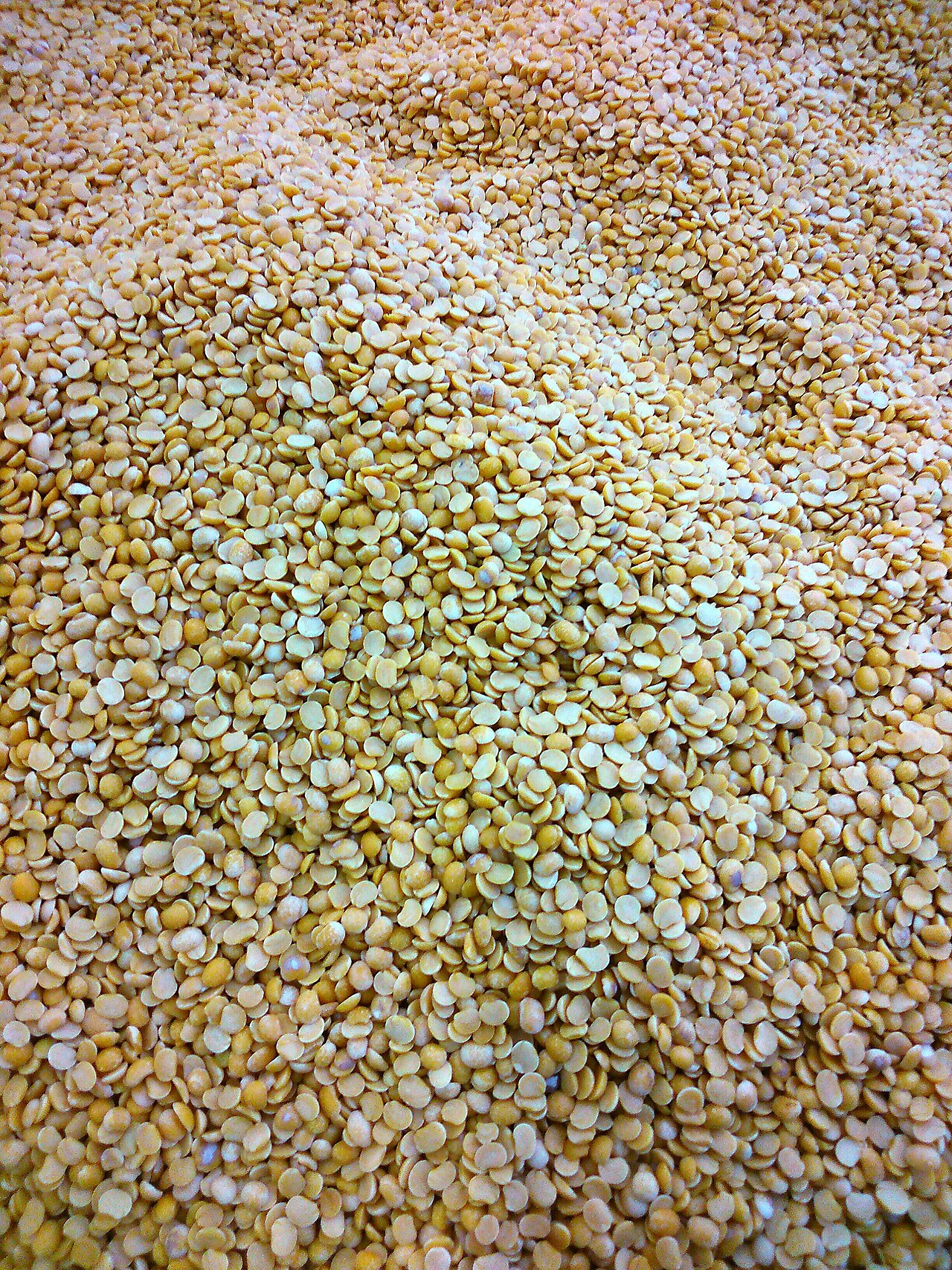
Lentil, mung bean, black gram, grass pea, felon (cowpea), pigeon pea, soybean, chickpea and other pulses can be grown at this time, AIS said. The keys are a suitable variety, timely sowing, balanced fertiliser, care, irrigation and pest management. The original story called pulses "the poor man's protein" and urged farmers to grow more of them to make up the protein shortfall.
Now is the right time for winter vegetables. AIS's advice was:
- As soon as possible, sow seed in seedbeds to raise seedlings of improved local and foreign cauliflower, cabbage, kohlrabi, turnip, bok choy (batishak), tomato and aubergine.
- If you raised seedlings last month, transplant them to the main field now.
- Plant winter vegetables as soon as the soil comes to "jo", the right working moisture.
- Sudden rain in Kartik can damage newly planted seedlings, so make drains.
- After planting, weed, apply fertiliser, irrigate and drain as needed.
- Red amaranth, radish greens, carrot and pea seed can also be sown now.
Cotton, banana and fruit trees
Cotton fields need their last weeding now, AIS said. Its 2025 column advised side-dressing the last of three instalments of urea, 7-7.5 kg per bigha, 5-6 cm from the plants, and earthing up the base so the plants do not lean in the wind. Using IPM or pheromone traps alone for insect control can cut production costs considerably, and rogueing of seed crops should be finished this month.
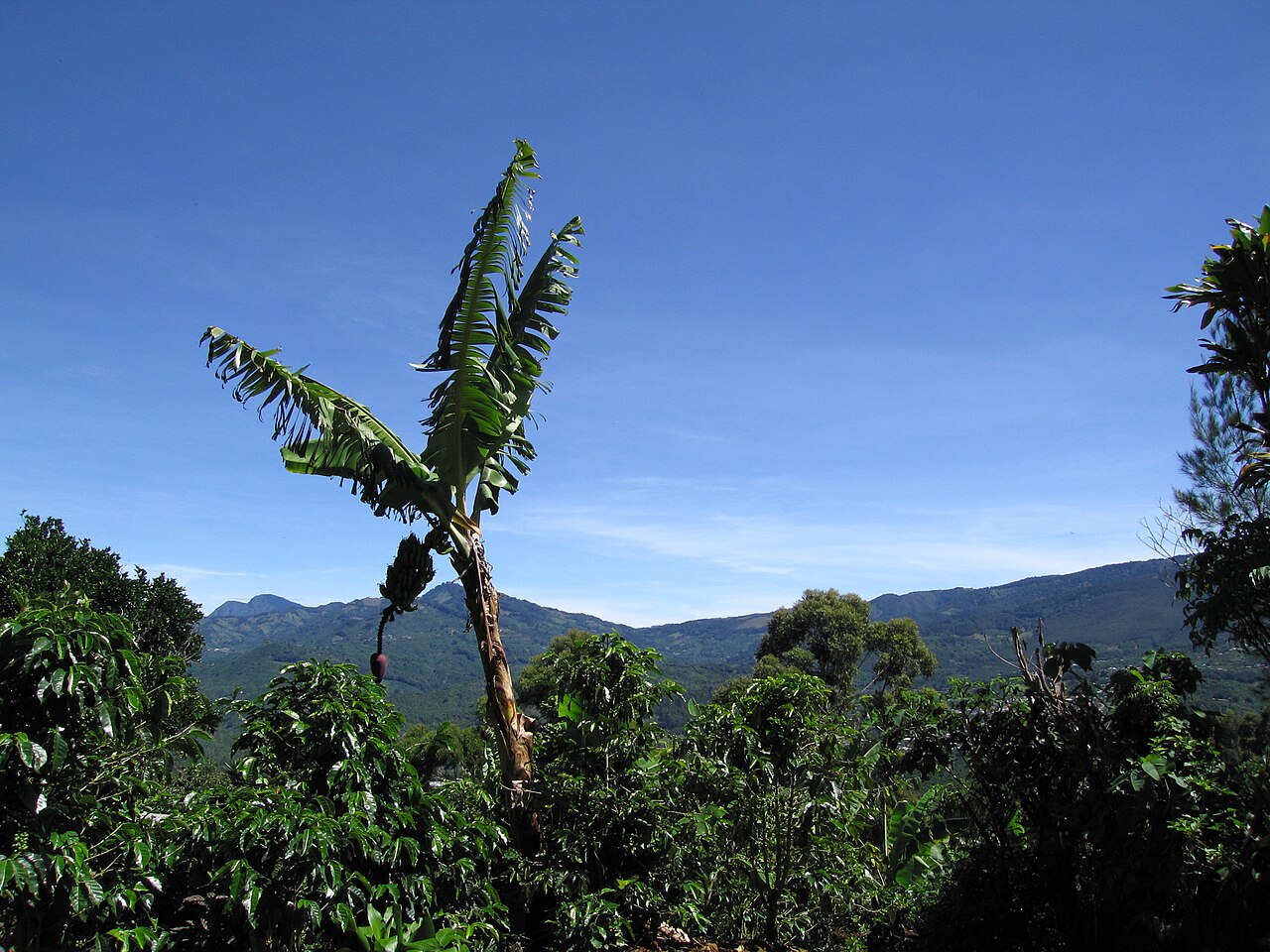
Banana suckers can be planted in this season. AIS gave the first planting time as Ashwin-Kartik, mid-September to mid-November, and said BARI Kola-1, 2, 3, 4 and 5 suit every part of the country. Its advice on planting material was:
- Sword suckers are best for planting.
- Collect them from a healthy, disease-free garden; suckers about three months old are good.
- Use suckers 35-45 cm long for dwarf varieties and 50-60 cm for tall ones.
AIS's 2024 column gave the fertiliser per banana plant as 15-20 kg of organic manure, 400 g of TSP, 600 g of MoP, 500-650 g of urea and 200-300 g of gypsum, with the timing split between land preparation, the planting pit and later top-dressings. It also noted that tissue-culture G-9 bananas had become popular.
For other fruit trees, AIS said fertiliser is generally applied in instalments: one in Baishakh-Jyoishtho before the rains, and the next in Ashwin-Kartik at the end of the rains. Pruning older trees after the fruit is picked is good at this time, because new branches grow and bear plenty of fruit. Seedlings and older trees need irrigation in the dry season.
For seed of a released variety, the fertiliser rate for local soil or advice on a pest, farmers can contact the upazila agriculture office of the Department of Agricultural Extension, and before spraying any pesticide they should read the label and ask the local agriculture officer.
Photo: Shameem Reza / Wikimedia Commons (CC BY-SA 4.0)
Sources: The Agro News (Staff Correspondent), Agricultural Information Service (Krishi Kotha, Kartik columns of September 2023, 2024 and 2025), The Daily Star, The Business Standard, The Financial Express, UNB, Banglapedia
Comments
(0)